
There’s a lot that has to go right if you want to enjoy a bountiful, healthy garden. It requires tons of effort and care from you, and you have to make sure your plants get lots of water, the right amount of food, and adequate sunshine – or shade!
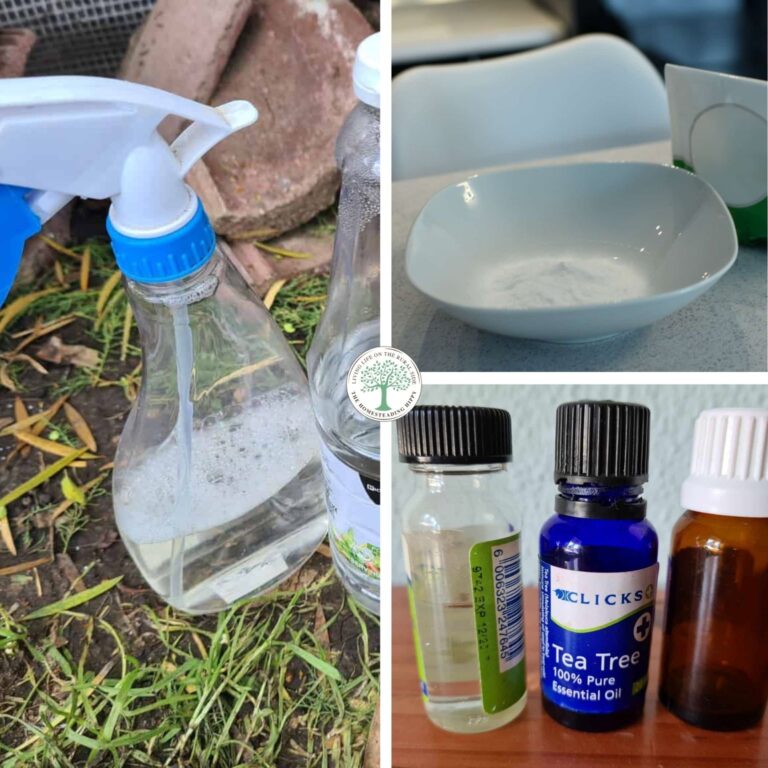
But one of the toughest variables you’ll have to deal with as a green thumb is pests. There are tons of insects and more than a few mammals that would love nothing more than to make a meal out of the plants you grow, whatever they are.
There are plenty of poisons out there and other chemicals that will kill or repel them, but they’re all invariably dangerous or harmful in some other way.
Frankly, you don’t have to resort to that stuff. There are time-honored and tested natural, organic substances that have proven and powerful pest-repelling properties. I’ll tell you about 14 of the best in this article.
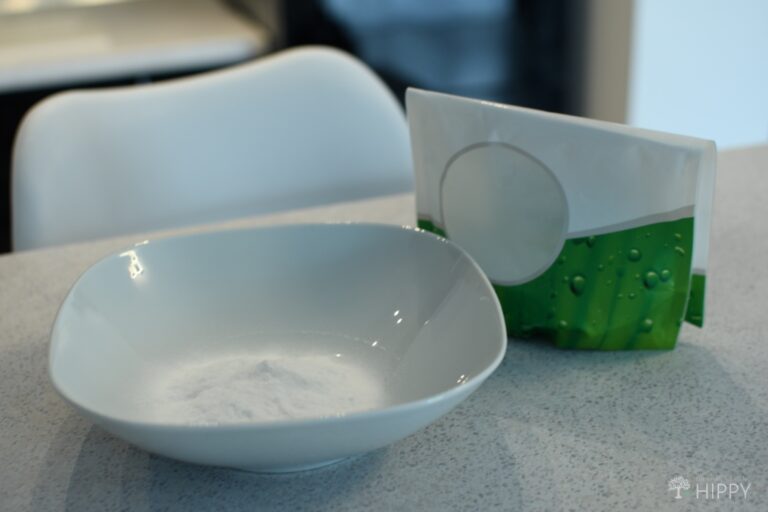
Baking Soda
Something that every single American has in their pantry right this second, baking soda can be a surprisingly effective insect repellent if you’re able to apply it in the right way.
Like the diatomaceous earth mentioned below, the tiny, individual granules of baking soda have an abrasive quality that can damage the exoskeleton of various insects, especially low-crawling ones like roaches, silverfish, and ants.
To use it, all you need to do is sprinkle it in and around the places where these insects usually congregate. Place it around compost piles and rotting wood to keep roaches from taking up residence, and put a generous scoop in and around ant hills to start reducing their numbers.
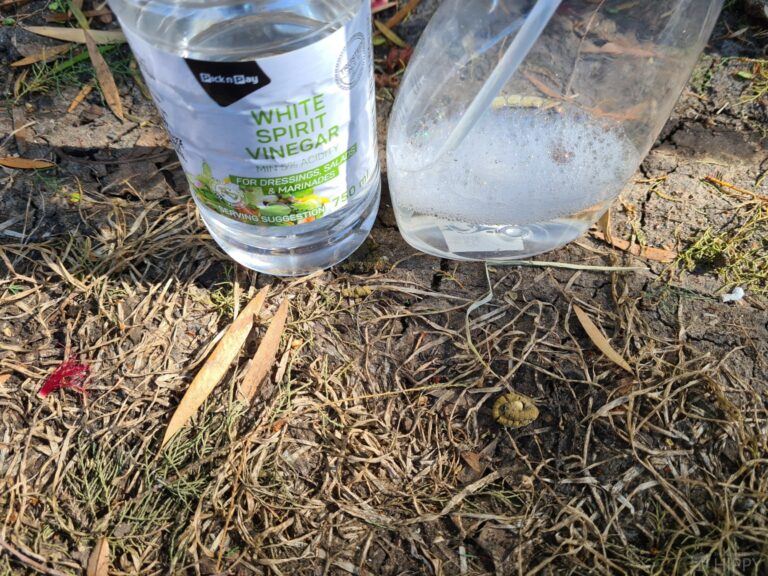
Vinegar
All kinds of vinegar contain acetic acid, a compound that can work to repel various insects because it interferes with their olfactory receptors, making it much harder for them to locate food, find their way around, or find plants to infest.
Any kind of vinegar will work, but my choice is apple cider vinegar since it packs the most punch against creepy crawlies.
You can apply it directly for the best effect, but take care not to get it on young plants since it can harm them, especially delicate ones.
Diluting vinegar with water, using two to three parts water for every one part of vinegar, means you’ll be able to apply the mix to all your plants without much fear of harm.
Neem Oil
Neem oil is one of the best-known, or at least it was one of the best-known, insect repellents and neutralizers on Earth.
It also repels tons of highly destructive and ubiquitous garden pests, including all kinds of aphids and mites, whiteflies, caterpillars, Japanese beetles, mealy bugs, etc.
Neem oil works by interfering with the hormonal and reproductive systems of insects, either preventing them entirely from laying eggs or making the eggs sterile and non-viable.
This is because neem oil contains a potent insecticidal compound called azadirachtin. In some insect species, it also disrupts their feeding, either by baffling their senses and making it hard for them to find food or disincentivizing them from eating generally.
It can also kill directly by clogging the air holes, or spiracles, that insects need to breathe. It really is an all-natural and total weapon against garden insect pests!
It’s best employed as an ingredient in a spray that is then applied directly to vulnerable plants or as a perimeter application.
Diatomaceous Earth
If you’ve been a homesteader for any length of time, chances are you already know what diatomaceous earth is. You know it, and love it! But just in case you aren’t familiar with DE, let me give you the scoop.
DE is actually the fossilized remains of tiny little marine critters called diatoms. These remains are then ground up into a fine, flour-like powder to produce the product we all use.
And speaking of, it has many uses, both as a soil amendment, parasite remover, filter additive, and yes, as a pest repellent.
Well, pest repellent is actually a bit inaccurate. Diatomaceous earth kills insects, it does not repel them. And it does this by lacerating and degrading the waxy coating on their exoskeletons.
Aside from causing physical damage, it lets moisture leak out of the insect’s body, eventually dehydrating and killing them.
Best of all, it is completely harmless to people and animals when applied correctly. DE must be sprinkled around the perimeter of your garden and individual plants to form a barrier, and sometimes directly on plants themselves.
The only downside is that if insects don’t touch it, it won’t affect them. For this reason, it’s most effective against all ground-bound insects.
Garlic Powder
Believe it or not, garlic is a potent insect repellent, one that works well against ants, aphids, and various larval stages of other critters. It has also shown some efficacy against slugs and snails. Does it work on vampires? I don’t know, best not to risk it!
Garlic works because it contains sulfurous compounds that are outright toxic to the biology of many insects, and even the odor of it is enough to drive many of them off.
Best of all, aside from being a little stinky, it’s 100% totally safe for people and plants. Garlic is effective when it is growing and ripe, or when the powder is sprinkled around vulnerable plants or processed into a solution and applied as a spray.
Cedar
Cedar, and yes I’m talking about the actual species of wood, contains various insecticidal compounds like thujone and cedrol. This is part of the reason why cedar is so rot-resistant; it’s because wood-munching insects won’t mess with it!
Like garlic, the aroma is enough to drive off moths, ants, fleas, roaches, and other bugs that you just don’t want hanging around in your garden.
You can make raised beds out of cedar to have some built-in insect repellent, or use cedar oil or cedar mulch to the same effect. It’s one of the most versatile and multi-purpose organic options on our list.
However, something to keep in mind is that cedarwood might also repel beneficial insects that you do want in your garden, including ladybugs and various parasitic wasps that pick off the bad bugs. Just something to keep in mind before you go all in with it!
Eucalyptus Oil
The fragrant, airy aroma of eucalyptus is very much a love-it-or-hate-it proposition for most people, but there’s no denying that it is a powerful and highly effective insect repellent.
The active ingredient is eucalyptol, another all-natural compound that serves as a defense mechanism for eucalyptus plants, one that we can repurpose in the form of oil as a convenient spray.
Eucalyptus oil has been proven a fairly wide-spectrum repellent, but it is especially potent against fleas, ticks, mosquitoes, and spiders. This is one of your very best options if you live in or near a wooded area where fleas, ticks, and mosquitoes are always a persistent menace.
Peppermint Oil
Ah, nothing smells nicer than peppermint oil! Fresh, bracing, and clean, it’s just nice.
How much nicer it is, then, that this stuff is downright deadly to insects and most of them will run in fear when they get even the slightest whiff of it.
Live peppermint plants can be used as a living perimeter to keep out spiders, aphids, ants, and lots of other bugs because of the menthol they contain.
This is another pheromonal disruptor that can really throw insects for a loop. Peppermint can also repel deer, which are really a menace in some places.
If you don’t care to grow peppermint, or just don’t want it taking over your garden because it’s so voracious, you can use peppermint oil as an emulsion with water for the same purpose.
My favorite technique is to soak cotton balls or rags with it, and leave them in strategic places.
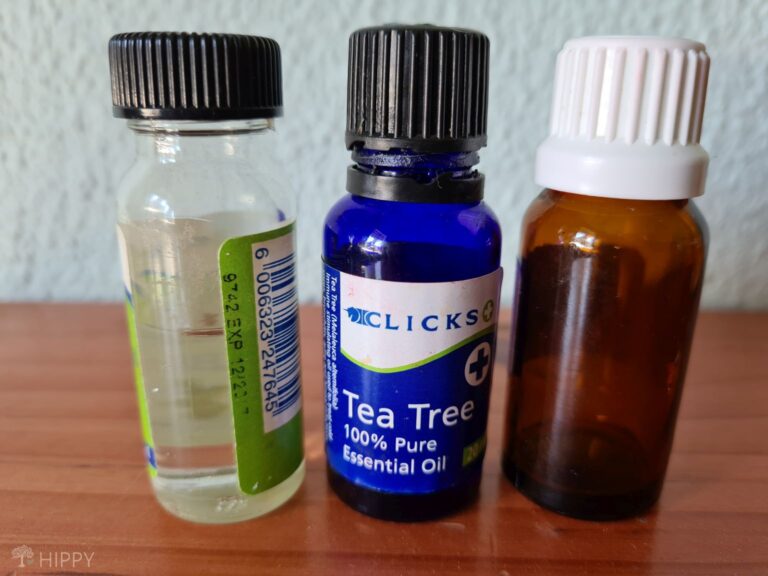
Tea Tree Oil
Tea tree oil is a potent insecticide and insect repellent, and also a fungicide, that has properties that still aren’t completely understood although we do know it is almost entirely safe for people and animals; you simply shouldn’t ingest it.
The active constituent of tea tree oil, terpinen-4-ol (yes, that’s what it’s called) is deadly to aphids and all other soft-bodied insects, and the aroma will repel many others.
It’s also fairly persistent, meaning you won’t have to apply it too often, though exposure to rain will wash it away.
A solution of tea tree oil with a little water and a couple of drops of dish soap makes a great plant-protecting spray.
Basil Oil
Arguably the world’s most beloved kitchen herb, you might be surprised to learn that the scent of the plant, so very alluring and appetizing to us, signals doomsday to insects and they avoid it like the plague.
The actual compounds that cause insects harm are estragole and linalool, both highly concentrated in the leaves. Flying insects, including flies and mosquitoes, are utterly repelled by it.
You’ve got lots of options for using basil oil, too: soak cotton balls with it and leave them around your garden, or make a spray of it using water and a little dish soap.
Live basil can also be planted at the corners of your garden or around the perimeter, it forms a living barrier that many flying insects will not attempt to cross.
You can also pluck basil leaves and scatter them around the base of other plants or even mix them in with mulch for wide-area protection; the oil will vaporize as they leaves dry out.
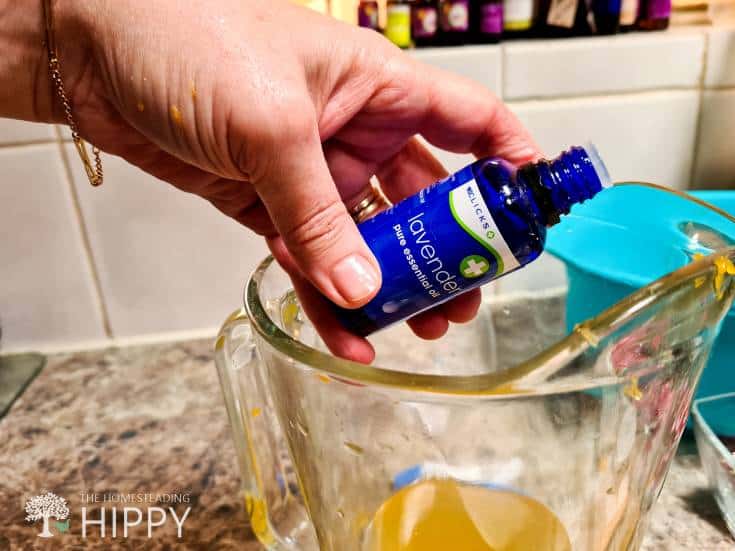
Lavender Oil
Lavender smells so good it’s hard to believe it could hurt anything, but because it’s on this list you already know that isn’t the case. Like basil, lavender contains linalool and also camphor.
Together, they are a powerful deterrent against flies, mosquitoes, fleas, and moths. Like peppermint, lavender has some efficacy at repelling deer and other mammalian pests.
As with other herbs, lavender oil is highly versatile. It’s effective when sprayed on or when soaking cotton balls or cloth swatches and dried lavender, though not quite as good, is worth mixing in with mulch.
Castor Oil
Castor oil is another natural substance that has a fairly decorated history for repelling insects and other garden pests and is one of the few we can apply that has proven effective against moles and other burrowing varmints.
Containing ricinoleic acid, it is harmful and fatal to insects with sufficient exposure and really repulsive to the aforementioned burrowing animals.

Tim is a farm boy with vast experience on homesteads, and with survival and prepping. He lives a self-reliant lifestyle along with his aging mother in a quiet and very conservative little town in Ohio. He teaches folks about security, prepping and self-sufficiency not just through his witty writing, but also in person.
Find out more about Tim and the rest of the crew here.