
Quick, what do cows eat? Grass, or maybe hay, right? That’s pretty much it, isn’t it? No, not quite. Cows can actually eat quite a few different things, but compared to other kinds of livestock, there are many, many things they shouldn’t. And yes, that includes lots of plants!

Some can upset their stomachs; others can make them sick. A few harmful items can even be lethal. If you own cows, you’ve got to brush up on all the things that they should never eat, especially if you give your herd an occasional treat. Keep reading and I’ll tell you about some foods that your cattle should avoid at all costs…
Pet Food
Dog food, cat food, and the like typically contain lots of meat and other animal by-products. Like I said above, you don’t want your cows to have any of it.
Goat Feed
Cows shouldn’t have it. This is another thing that isn’t overtly harmful because of what’s in it, but it’s nutritionally optimized for goats and has way too much copper for cows. A few swallows won’t hurt them, but never give it to your herd on purpose, even in an emergency.
Horse Feed
Just like goat feed, horse feed isn’t going to harm your cows because of something toxic, but it isn’t nutritionally balanced for them and will eventually cause illness if they eat it long term.
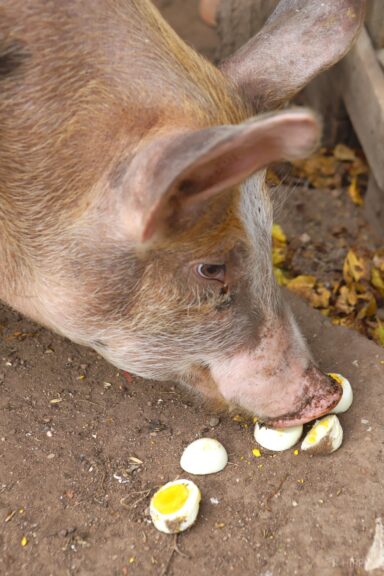
Cooked or Raw Eggs
Do you really have to ask? Eggs are animal protein, and cows are strictly vegetarians once they reach adolescence. If you were to feed eggs to your cows, they won’t be able to get anything good out of them, and there’s a good possibility that it can make them very sick and disrupt the balance of their rumen.
Cooked or raw makes no difference; eggs are just bad for cows.
Onions
Onions are another item on the list that isn’t strictly bad for cows. They can eat onion bulbs and onion greens, sometimes without any ill effects. However, onions and other veggies in the allium family have a tendency to cause a type of anemia in livestock when eaten, especially in quantity, and they are suspected of tainting the flavor of milk. It’s best to avoid them.
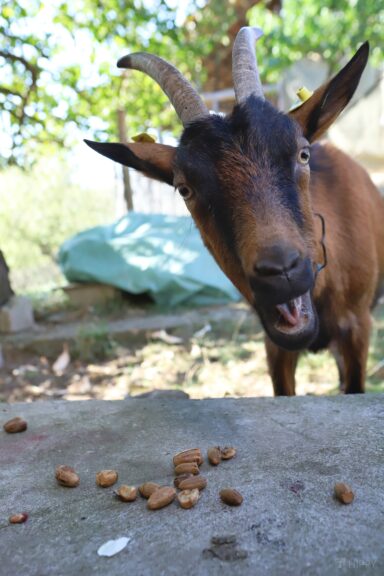
Acorns
Acorns are okay for cows only in very small quantities. Acorns contain tannins, which can easily reach toxic concentrations if cows are allowed to gorge on them. Some cows really seem to like them, so take care if you have oak trees on your property!
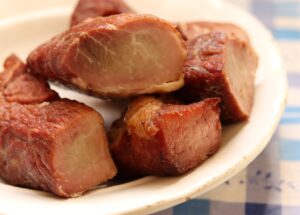
Meat
I hope you didn’t need me to tell you this one. Cows are herbivores, not carnivores, and they shouldn’t eat any meat of any kind. They cannot properly digest it, and worse than that, it will interfere with their digestive system in such a way that they could become extremely sick or be unable to derive nutrition from their usual food for some time after.
Almonds
Almonds are a bad idea for cows. They are nutritious and cows can digest them, but they tend to cause more harm than good, getting stuck in their throats and sometimes blocking their rumen or stomachs. I say avoid these and other nuts.
Pecans
Treat pecans like you would almonds when it comes to your cows. They can eat them and digest them, but nuts can cause physical blockage problems, and for that reason you should take them off the menu.
Peanut Butter
I honestly don’t know any animal that doesn’t like peanut butter, and Lord knows cows love getting a spoonful of the stuff as a treat. Unfortunately, peanut butter is overloaded with fat, sugar, and salt and is basically a gastrological bomb waiting to go off. Don’t make a habit of this one.
Asparagus
Asparagus is a highly nutritious veggie, and it won’t hurt your cows to get a little bit every now and then, but significant quantities will definitely upset their stomachs. It’s best if you avoid feeding it to them altogether.
Garlic
Treat garlic like you would onions for your herd. A bulb won’t hurt them, but overdoing it will taint their milk and can cause anemia.
Chives
Another allium genus veggie, and these are basically onions. Just like the full-grown counterpart, a few won’t hurt your animals, but repeated consumption as part of a regular diet will cause harm in time.
Potatoes
What could be cleaner and more wholesome in an animal’s diet than a potato? I know it seems that way, but it’s a mistake. The green parts of potatoes, along with all parts of the plant itself, contain toxins that can make cows extremely ill. Even then, they are too starchy for cows to digest easily and should not be fed to them on purpose.
Tomatoes
Tomatoes aren’t really the problem for your cows; they can have a few in moderation without any expectation of trouble. The bad part is the green parts of the plant, from the little green stem to the vines and the leaves. All these parts contain solanine, a dangerous toxin. Don’t let your cows graze near tomato plants.
Ferns
Bad idea. There are many different varieties of ferns out there. Some of them are safe for cows, but there are so many that aren’t. This is further complicated because some non-ferns, or false ferns, still have fern in the name. Cows can get by without them, so I say avoid them entirely.
Foxtail
Foxtail is notorious for sticking in the mouths, throats, and other tissues of farm animals, including cows. If they do swallow it, and they can, it is likely to block their esophagus or intestines. Get the stuff off your property ASAP.
Ivy
Another sometimes deceptive food. Certain types of ivy won’t hurt cows, but others are poisonous to them and all have a tendency to cause indigestion or block the digestive tract.
Oak Leaves
Only certain leaves are okay for cows. Specifically, they must avoid leaves from oak trees because, like acorns, they will cause rapid toxic buildup if they eat too much. You are wise to assess all of the plants on your property for safety.
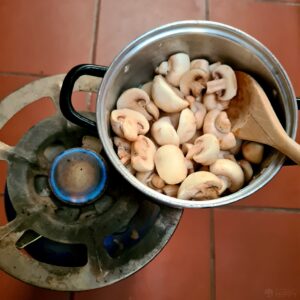
Mushrooms
As a rule, you should never let your herd eat any wild mushrooms for obvious reasons. Some are ferociously poisonous, and even one might kill a full-grown cow.
Pine Needles
Cows may eat a few stray pine needles as a matter of their usual grazing if the trees are nearby, but they shouldn’t eat large quantities. These needles contain volatile oils that can cause serious illness. It’s especially problematic for pregnant females because it can lead to birth defects.
Poison Sumac
No surprise here; poison sumac is poisonous for cows. In my experience most will avoid it instinctively, but don’t take the chance. Eradicate it from their pasture.
Rosemary
Most cows won’t go near and eat rosemary, and if they eat a sprig or two it’s no worry. But don’t mix this stuff into their feed or encourage them to eat it. The same oils that make it so aromatic and flavorful can cause stomach trouble in cows.
Water Hemlock
Among the most poisonous plants in North America. Water hemlock, if eaten, will attack a cow’s nervous system, causing illness and potentially death.
Poison Hemlock
Even more poisonous than its cousin above, even a tiny quantity of poison hemlock can cause convulsions, loss of coordination, and drooling in cows. Significant quantities will cause death by respiratory paralysis.
Yew
Every part of yew plants—the needles, the bark, the berries, and the seeds—is extremely poisonous. Even a few small bites may kill an adult cow, typically through cardiac arrest with very little warning.
Chocolate
This one is a definite no-go. Don’t even think about making a funny TikTok video. Chocolate contains way too much sugar but also caffeine and theobromine, both of which can damage cows’ organs. Note also that the darker the chocolate, the more dangerous it is. Avoid!

Lemons
Lemons aren’t overtly harmful to cows. I mean they aren’t poisonous or anything like that. But they are still way too acidic. If your cow eats a lemon, it’s likely it will upset its digestive tract. Loss of appetite, diarrhea, and other problems could also occur. Don’t do it, not even as a joke!
Avocado
Avocados are all the rage these days (for people!), but you’ll want to save these for yourself and avoid giving any to your herd. The flesh of an avocado might be okay, but cows should never eat the big seed, skin, or any other part of the plant. These parts contain persin, another poison.
Raw Beans
Cows should not eat beans, or rather I should say raw beans. When raw, they contain certain hazardous proteins which will cause severe digestive problems that can be life-threatening. If you want to go through the trouble of soaking and cooking beans prior to feeding them to your animals, you can, but again it’s not really worth the trouble.
Milk
What? How do you figure!? It’s not a trick question. Cows can have milk when they are young calves, as their bodies are able to handle it then. Once they reach adolescence they should naturally wean off of it and switch to other foods. Don’t give milk to adult cows.
Ice Cream
Never, ever should your cows have ice cream. It’s full of milk and sugar, two things they shouldn’t have in any quantity once they are adults.
French Fries
Your cows should not have French fries. Ultra-caloric starch sticks bathed in oil and salt: what could possibly go wrong?
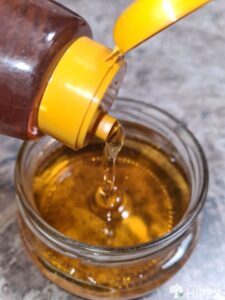
Honey
Honey is as wholesome as it gets among sweets… but it’s still way too sweet to feed to your cows. There’s also concern that the microorganisms and enzymes in honey can cause fermentation in a cow’s rumen. A little lick every once in a while shouldn’t hurt, but don’t push it.
Jalapenos
Jalapenos, like all hot peppers, contain copious amounts of capsaicin, the compound that makes hot foods taste hot. While it won’t actually hurt your cows, it might panic them and it stands a good chance of disrupting their digestion and giving them diarrhea.
Kale
Kale can only be given to bovines on a limited basis because it is so high in oxalates. These have a tendency to cause urinary tract and kidney stones, so you can’t give them too much.
Pickles
Fresh, plain cucumbers are fine, but pickles are soaked in a super salty and acidic brine. That’s no good.


Tim is a farm boy with vast experience on homesteads, and with survival and prepping. He lives a self-reliant lifestyle along with his aging mother in a quiet and very conservative little town in Ohio. He teaches folks about security, prepping and self-sufficiency not just through his witty writing, but also in person.
Find out more about Tim and the rest of the crew here.