
For homesteaders, having your own flock of chickens, even if it’s just a small backyard flock, is kind of a rite of passage…
For so many of us, chickens are the most accessible livestock around, and also one of the most efficient: they will supply you with meat and eggs, and they are just tons of fun to keep around. Watching them run around in the yard and go about their lives is one of life’s great little pleasures.
It’s great, that is, so long as you don’t pick the wrong breed. Some breeds are only going to cause you problems, while some can be downright dangerous for kids. They are too mean, too unhealthy, too uncooperative, and flat-out too much trouble.
Caring for chickens is hard enough without making things even harder on yourself. Avoid this unhappy outcome by steering well clear of the following breeds.
Old English Game
The Old English Game is a chicken with something of a strange reputation. It’s greatly admired by chicken connoisseurs, what you might call real chicken fanciers. These birds are beautiful and imperious, but for the average owner, that is where the good traits end.
In case you couldn’t tell from the name, the Old English Game is a game breed, and “game” in this case refers to cockfighting.
Accordingly, all game breeds tend to be highly aggressive, territorial, and downright vicious. That goes for hens and roosters alike, but as you’d imagine, the roosters are often 10 times worse.
Looking at the Old English Game particularly, they are infamous for having hair-trigger tempers and attacking anyone or anything that would even dream of entering their domain.
If you let them free-range, this is likely to be your entire backyard. This makes them a nightmare for kids, pets, and sometimes even larger animals. These birds know no fear!
That’s bad enough if you don’t want to be pecked and flogged half to death, but they have other shortcomings besides: they tend to be among the flightiest chickens, meaning that clipping their wings or keeping them in a secure, covered run is a must.
They also lack any productive qualities that most homesteaders want; they are scrawny and stringy with a low carcass yield and are only so-so layers of eggs.
Low-production escape artists with a murderous temperament? What’s to like?
Cornish
Right up front, note that I’m talking about the original Cornish chicken here, not the Cornish Cross, which is a ubiquitous broiler bird for meat production.
You might know the Cornish by another moniker, the Indian Game chicken or Indian Game bird. Don’t get confused; it still actually originates in jolly Old England.
As far as I’m concerned, you can tell there’s something wrong with these birds just by looking at them. They are well-known, and by some admired, for their intense demeanor and piercing gaze.
They’re upright, slender, and athletic, and because they are game birds like the Old English Game above, you already know where we are heading.
Cornish chickens are highly aggressive, very territorial, and infamous for hassling and often killing other breeds in mixed flocks and, often enough, lesser members in their own. Survival of the fittest, I suppose.
This makes them a proper nightmare for most chicken keepers; once a bird starts getting bullied by another, other chickens tend to join in on the outcast, pecking them to death once they get injured.
This in turn leads to a spiral of violence and cannibalism. Yes, cannibalism: feather picking quickly escalates into actual eating once a wound is opened up in the targeted bird.
This is the sort of thing that can decimate a flock or completely traumatize your children or spouse. As far as I’m concerned, you should avoid the Cornish like the plague; there are just too many other good breeds out there.
Malay
If you thought the Old English Game sounded like an unholy monster, wait until you meet the Malay. I’m not even sure these things are chickens; they look more like velociraptors to me!
I’m being facetious, but only just. The Malay is a unique and truly interesting breed, but one that is completely unsuited for most chicken owners.
From the toes to the top of the head, your average member of this breed stands an astonishing three feet tall, and they are one of the most muscular and physically powerful breeds on Earth.
Worse, they are well-known for aggression and territoriality. Unlike some smaller breeds, if a Malay gets after you, you might come out with some serious injuries; these birds have thick, sharp beaks, substantial talons, and spurs that look more like steak knives in the case of roosters.
Make no mistake, they can inflict non-trivial injuries!
They’re also a breed that is rightly infamous for dominating other breeds in mixed flocks, and they tend to fight to the death when it comes down to dominance.
It’s a veritable death sentence for your other chickens, and you can never rest easy and relax even if you only have Malays in your flock.
Nominally, they might be worth owning for their significant carcass yield of meat, but they grow so slowly and require so much food compared to other breeds that their efficiency, or conversion ratio, tends to be quite poor. Low egg production and high broodiness round out their undesirable characteristics.
These are chickens only for dedicated and capable fans of exotic breeds and absolutely no one else.
Silkie
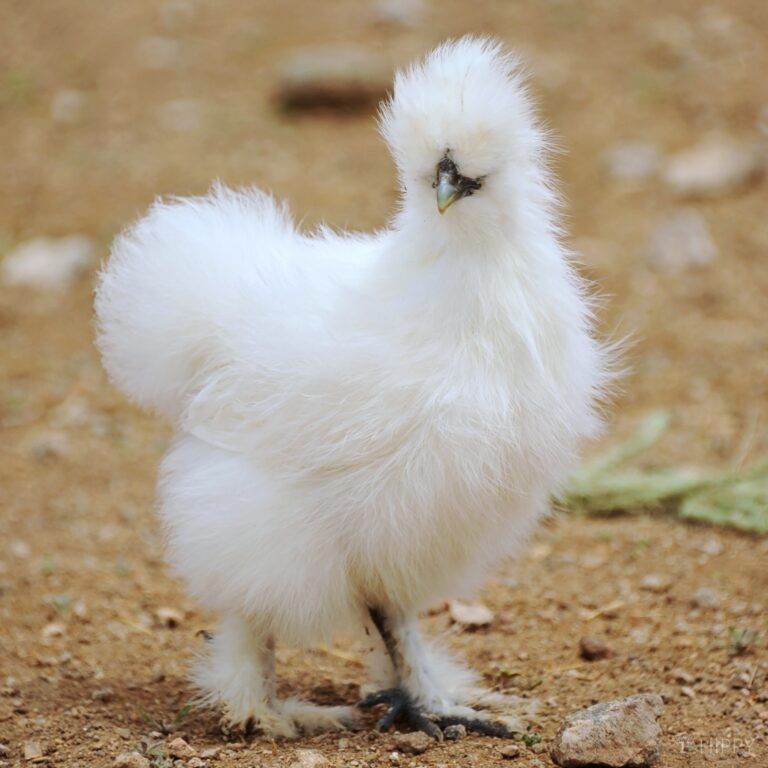
I know that including the Silkie on this list is bound to ruffle some feathers, if you’ll pardon that god-awful pun! Silkies are beloved for their friendliness and beauty; those fluffy, puffy and, well, silky feathers are a joy to look at and touch. It’s obvious why these birds are such precious pets and regular fixtures on show circuits.
However, this is a case of beauty and the beast if you ask me: Silkies have two huge flaws for chicken owners, especially new or preoccupied owners.
For starters, they are one of the broodiest breeds around. These birds show an alarming tendency toward hatching their eggs, and even one or two eggs being laid can be enough to trigger them.
If you miss even a single round of egg collection, your sweet hen might turn into a monster intent on fighting you off from her babies.
Worse, since brooding is hormonal, it tends to trigger a stoppage of laying. This greatly reduces the overall output of a Silkie flock unless you choose lineages that have been carefully bred to reduce this tendency, and even then you should rarely expect more than 120 eggs at the absolute most.
The other major drawback with this breed is those beautiful, fluffy feathers. As you might guess just by looking at them, these birds have an awful tendency to get dirty, and I mean really dirty.
Mud, slush, and snow will turn them into a complete mess, and this can potentially be life-threatening; filthy feathers lose much of their insulation value, and wet feathers can freeze in cold weather.
This makes Silkies highly prone to hypothermia in all but the best and cleanest conditions, and they’re disproportionately vulnerable to frostbite if they do get wet when it’s really cold.
Sure, you can clean them up, but cleaning feathers without mangling them is hard and intricate work, and not the best use of your time when you have a flock of chickens to look after. For these reasons, Silkies should be avoided unless you truly love them.

Tim is a farm boy with vast experience on homesteads, and with survival and prepping. He lives a self-reliant lifestyle along with his aging mother in a quiet and very conservative little town in Ohio. He teaches folks about security, prepping and self-sufficiency not just through his witty writing, but also in person.
Find out more about Tim and the rest of the crew here.
I have an old English game hen and she’s the best! 😂
Another point regarding silkies is that they can’t see as well with all that fluff in their eyes. Sadly, that means they don’t see predators very well. We lost our sweet silkie to a hawk. As pretty and sweet as they are, we won’t get another silkie for our free range flock.
Really interesting reading.Never really been interested in silkies…..now I am even less interested in having them in my flock.
My silkie is like a henchman for my ayam cemani. He is a jerk of the highest degree. No more silkies for me!