
You know what a bantam chicken is? If you do, you probably think it just means a small chicken. And that’s true, but it means much more than that!
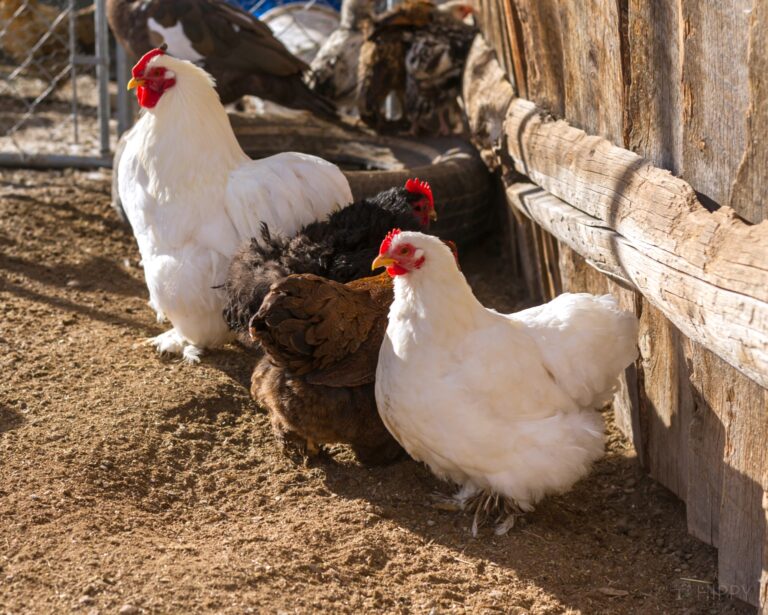
Bantams are breeds unto themselves, and there are many out there. This includes true bantam breeds that have always been tiny, and developed breeds that are miniaturized versions of other, bigger chickens.
Bantams can be a great choice if you have very little room to begin with, or if you just want to maximize whatever space you have to devote to raising a flock. They can still provide you with plenty of eggs, plus, bantams tend to be energetic and entertaining.
Whether you want a super space-efficient flock or just a tiny chicken for the novelty of it, you’re bound to find your new favorite bird on the list of 15 bantam breeds below.
Japanese
A truly unique bantam developed ages ago in Japan around 810 or so, this is strictly an exhibition or showbird. They’re renowned for their stunning good looks: broad breasts, upright, arching tail feathers, large and showy combs, and equally large wattles.
Though they are quite rare in the United States compared to most other bantam varieties on this list, they are out there and can make a really remarkable specimen for an enthusiast chicken keeper.
But don’t let their tiny stature fool you: these bantams need lots of room to roam and exercise in order to stay healthy. You can’t keep them cooped up!
These short-legged bantam birds come in various colors to suit most any preference, including a black molted cuckoo that’s particularly striking, but they are poor producers of both meat and eggs meaning they will only ever be an ornamental chicken on your homestead.
Rhode Island Red
One of the most popular chickens in the entire world, the Rhode Island Red also comes in a compact size in the form of a bantam!
Just like their full-size brethren, this is one bantam that can absolutely crank out the eggs, with good hens laying more than 200 a year as a rule, and excellent ladies producing about 300. That’s about 6 a week!
Yes, the eggs are small but it doesn’t take too many to make a serving, so a few red bantam hens can keep you and your family rolling in eggs.
Even more notable is that the bantams inherited the supreme health and hardiness of their larger cousins, along with their famous good looks.
Aside from the normal and expected poultry ailments and parasites that all chickens face, you shouldn’t expect any health issues with a Rhode Island Red bantam.

Sebright
One of the tiniest chickens on Earth and among the very smallest known bantams, the Sebright is noteworthy for its extraordinary lineage and also for stunning good looks.
The Sea Bright is thought to be several hundred years old, and hails from the British Isles. It is one of the oldest British breeds, certainly, and among the oldest known bantams.
They are famous for their coloration, of which there are only two: gold- and silver-laced, a rim of color around the perimeter of each feather. This gives them a remarkable look that could almost be described as cracked glass, or perhaps scales.
They’re often the darlings of chicken shows, but if you’re not a determined competitor keep in mind that the Sebright bantam has a reputation for assertiveness, willfulness and aggression. Sebright roosters can be a real handful!
Silkie
One of the most beloved chickens on the planet and a perennial favorite at shows, the Silkie needs little introduction among chicken fanciers. The Silkie bantam is everything that a chicken lover loves about the standard Silkie, only in a much smaller package!
They still have that extremely fluffy, frizzy plumage that covers them from ankle to beak, and just like the standard, they come in a huge variety of colors to suit any taste.
The Silkie is mostly regarded as a show or ornamental breed, and the bantam variety is precisely the same.
They are extremely friendly, making them good pets, but being bantams they won’t yield very much meat at all, and they don’t even lay many eggs, with most females only maxing out at around 100. Worse, they tend to be quite broody, so it’s easy for production to go even lower than that.
Though gorgeous and affectionate, be prepared for tons of upkeep because of those frizzy feathers!
Orpington
Orpington bantams are famous for their friendliness, docility, and extreme broodiness.
Hens are excellent layers, maxing out upwards of 250 eggs yearly, but they will be intent on hatching many of them which can slow down production and make retrieving those eggs a pain.
Even so, there are some of the most productive of the bantam breeds out there.
Also, they make excellent mothers and are a great way to expand your flock naturally. They’re so doting that they can even hatch and raise the chicks of other chickens!
As mentioned, they are also very friendly and tend to form close bonds with their human owners making them a wonderful pet if you like snuggling with your birds.
Dutch
A truly miniature chicken, and one of the very oldest bantam breeds known to mankind, the Dutch bantam is famous for its highly attractive plumage, attractive body shape and also for its affability.
Considering that they are truly tiny even compared to most other bantams and also friendly, this is one of the very best breeds for families that have small children.
They are easy to tame and handle if you give them plenty of interaction from an early age.
They’re also decent layers, though the eggs they produce are equally small. Expect around 150 eggs yearly from a younger hen, but don’t even think about keeping them for meat: it’s hard to get even a single serving off of them because they’re so small!
Maran
A lesser-known bantam breed, Marans are noteworthy for being hardy, adaptable, and requiring little care overall outside of basic protection, feed, and water. They also happen to be pretty decent layers, with hens producing anywhere from 110 to 150 eggs each and every year.
But there is a catch: Marans are notably pushy, bordering on belligerent.
Although they can get along fine with people if they are raised and socialized correctly, they can turn into bullies in mixed bantam flocks, and even among themselves they will establish and maintain a pecking order.
However, they are so “confident,” let’s say, that they can actually hold their own in mixed flocks containing larger chickens. Small size doesn’t mean they don’t have a big attitude!
Serama
One of the most well-known true bantam breeds, meaning that they’ve always been tiny and were not developed into such a small stature through domestication efforts, the Serama hails from Southeast Asia.
A popular exhibition breed thanks to its stoic, almost regal posture, they stand very upright and hold their tails and wings nearly vertically.
Combined with their broad chests, it almost makes them look like they are standing at military attention.
This is another friendly breed despite their somewhat intimidating and athletic appearance, and they also happen to be very good egg producers for such small birds.
Hens lay upwards of 180 small eggs every year and start laying reasonably young at around 20 weeks of age. Be warned, they can be broody though!
Cochin
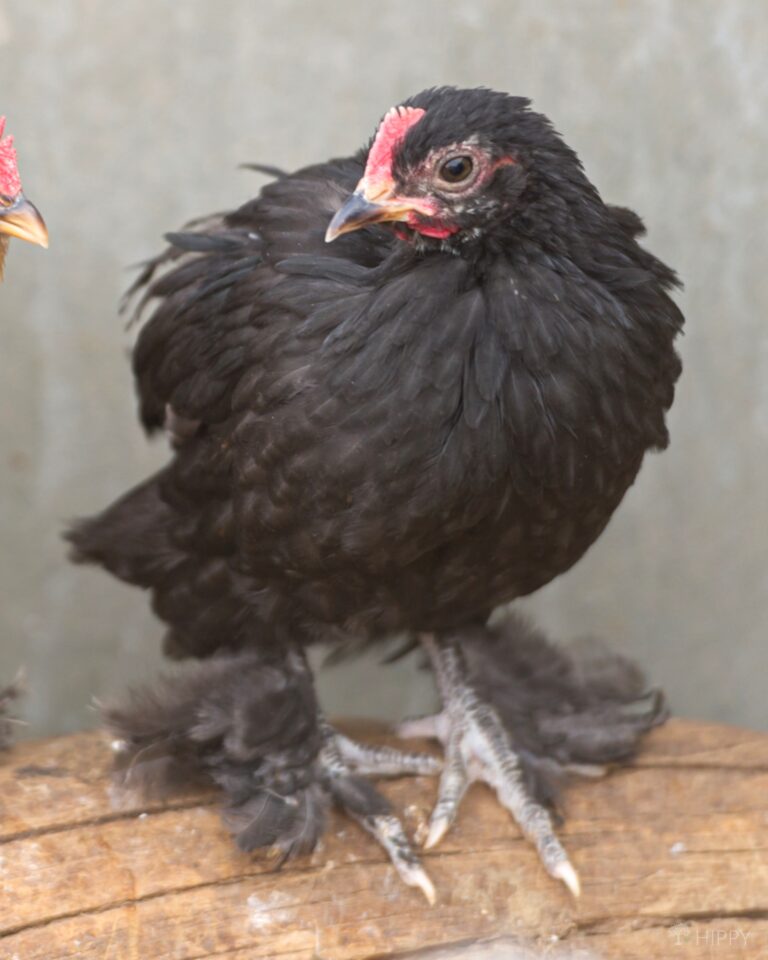
Cochin bantams are miniaturized versions of the standard Cochin, and both are very popular in the US and elsewhere around the world.
Like the full-size version of this famous bird, bantam Cochins have super fluffy, soft, and plush feathers that make them look bigger and bulkier than they really are. It sort of looks like they’re wearing a big, puffy coat!
Nonetheless, just like the standard variety, they are good-natured and easy-going birds that tend to be friendly and calm no matter what’s going on.
If you still want to get plenty of eggs from your bantam breed, this is a great one to choose as hens can lay around 200 eggs every year.
Belgian d’Anver
One of the most beautiful of all bantam breeds, the Belgian d’Anver is a study in contrasts.
They are noted for handling close confinement quite well for a time, but they also happen to be excellent, athletic explorers and quite able flyers. You’ll have to take steps if you want to keep these adventurous bantams contained!
Also, hens have a reputation for friendliness and readily bonding with owners, but roosters are the exact opposite, with a tendency towards aloofness, aggression, and bad attitudes generally.
As you might expect, they are popular showbirds, but they can also provide you with a few, small eggs; hens lay around two per week and a maximum of around 100 a year.
Light Sussex
One of the most well-regarded and important of the heritage chicken breeds, the Sussex is already beloved by most chicken aficionados, but the bantam variety in the form of the Light Sussex is less well known- though no less deserving of praise.
These birds are gorgeous, confident, curious, and surprisingly good layers, with Sussex bantam hens producing anywhere from 200 to 250 good-sized eggs yearly.
Considering that they are among the larger bantam varieties, those eggs are correspondingly larger and more than capable of keeping you and your family fed.

Old English Game
A famous heritage breed that is also available in the bantam variety, the Old English Game is well known as a bantam that’s highly energetic and very, very noisy.
This is not a breed that will tolerate confinement very well, so you’ll want to skip on them if you’re getting bantams as a space-saving measure. They need lots of room to run, exercise, and explore.
But in return, you will get a surprisingly self-sufficient flock, with highly alert and protective roosters and doting, caring hens that will take great care of their chicks.
Though they tend to be moderately broody, hens also produce a good number of eggs, maxing out at around 180 yearly.
The Old English Game bantam is also noteworthy for its supremely good looks, with an upright, proud posture and a huge spray of gently arcing tail feathers. To many, this is the very picture of what a chicken is supposed to look like!

Tim is a farm boy with vast experience on homesteads, and with survival and prepping. He lives a self-reliant lifestyle along with his aging mother in a quiet and very conservative little town in Ohio. He teaches folks about security, prepping and self-sufficiency not just through his witty writing, but also in person.
Find out more about Tim and the rest of the crew here.