
Chickens are a fantastic livestock choice for homesteaders, even for total beginners. They’re cheap, widely available, versatile, and can be kept even on a small property with the right setup. Whether you want meat, eggs, or both, you can’t go wrong!
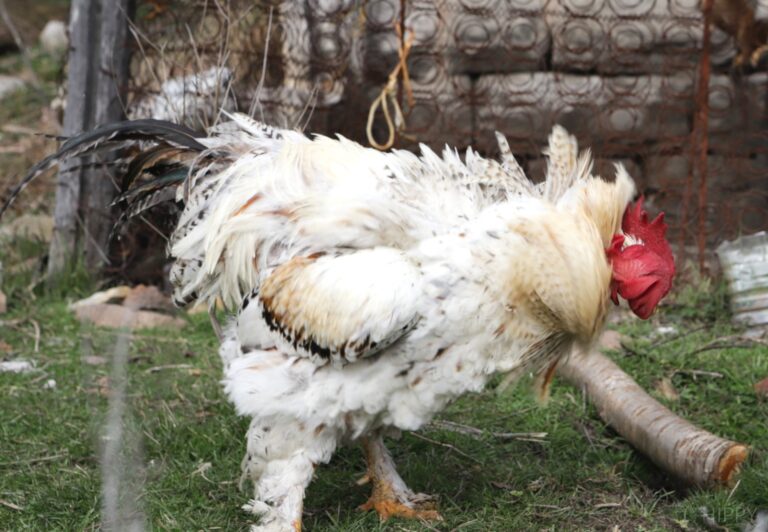
It’s easy to see why these birds are so popular, and in truth, they are a ton of fun. But before you grab your car keys and motor down to your local farm supply store to pick up those precious, cute chicks for yourself, there is some stuff you absolutely need to know.
Below are 12 critical things that every prospective chicken owner needs to know before committing to a flock of their own. Believe me, these are things I wish I knew beforehand! Read on, and I’ll tell you more…
Your Breed Choice Will Impact Your Experience Greatly
All chicks look similar when they are little. And that is to say, really adorably cute! But you need to put in some time to research the breeds you’re actually buying or figure out what breeds you’re going to search for in your local area.
Your breed choice is going to greatly impact your experience raising these birds. That’s because all breeds have their own unique characteristics. If you want super-productive egg layers, you should look into Leghorns, Australorps, or Rhode Island Reds.
If you want the quietest birds imaginable, Faverolles or Wyandottes are a good choice. And if you just want a friendly flock of sweet pets, you’ll never go wrong with an Orpington or Silkie.
Just like dogs, horses, and all other animals, breed traits really do make a difference. Getting a breed that’s unsuited to your temperament, living situation, or your objectives with your chickens is only going to set you up for frustration and failure.
Allot Money for Healthcare
This is one mistake I see new chicken owners make time and time again. Just like all other animals under your care, you’ve got to set aside some cash for taking care of their health.
Sure, chickens don’t cost very much at all assuming you aren’t buying into championship lineages, and some hard-hearted folks might say they will let nature take care of it or put down birds that are too far gone.
But I’m telling you, you’ll get attached to your feathered friends. They might need only occasional veterinary care, but even if you’re taking care of them all by yourself, you’ve still got to have money for supplements, medicines, parasite treatments, and more.
If you have a favorite bird that’s a genuine family pet, if it gets injured or comes down with a chronic disease, ongoing veterinary care will be both expensive and almost impossible to deny when you see the wet eyes of your worried children or partner.
Learn to ID, Treat, and Deal with Common Diseases
Continuing on with healthcare concerns, a major mistake I made—and one that I see other owners make—is not doing their homework on the most common chicken ailments, diseases, and other treatable conditions.
Your birds will invariably suffer from fleas, lice, mites, ticks, and treatable illnesses like coccidiosis, pasty butt, sour crop, and more.
If you don’t know what you’re dealing with, you’ll rush them off to the vet and plunk down a lot of money on something that is ultimately quite easy to deal with yourself.
The good news is that there’s a ton of good information available online and in printed books and other publications that will equip you for being the custodian of your flock’s collective health.
The trick is that you want to have this knowledge before bad things happen, so you aren’t left scrambling and wasting time while your birds suffer.
Do your homework now so you are ready later.
Your Flock Will Attract Predators Like a Magnet
No surprise here: chickens are very, very low on the food chain wherever they happen to be around the world. Every meat-eating creature on Earth seems to adore the taste of chicken, and the smells and sounds of your birds will draw in carnivores of all kinds from far and wide.
This includes airborne predators like birds of prey. Hawks, eagles, owls, and others can instantly kill a mature chicken and, in many cases, carry them away, leaving only a spray of feathers behind to mark their passing.
Terrestrial predators great and small are also a big consideration. Domestic dogs, coyotes, foxes, raccoons, bears, rats, and more can massacre your flock in a single night.
You’ve got to be prepared for predators by securing your coop and run, and you’ve also got to prepare yourself for inevitable losses. No matter how thorough you are, no matter how diligent, you’ll lose a bird in time. That’s just part of it…
You Must Interact With Your Birds Regularly
I don’t know why, but lots of folks seem to have the notion in mind that chickens are instinctively friendly with people. This just isn’t true—or at least, it’s half untrue.
Chickens are domesticated, yes, but like most birds, they are high-strung, standoffish, and not quite as attuned to close contact with people compared to dogs, cats, and horses.
Accordingly, it’s critical that you spend plenty of time with your chickens in order to keep them friendly and easy to handle.
Raising them from chicks and treating them well is the best way to ensure that they bond with you. This is also especially important with roosters for reasons we’ll mention later.
Regular Cleaning is a Must for a Healthy, Happy Flock
It’s difficult to overstate to the uninitiated just how filthy chickens can get. Rather, I should say how filthy they make their surroundings. Chickens poop constantly, and if they aren’t pooping, they are eating or scratching and pecking in the ground looking for something to eat.
Because of this, they turn every area they inhabit for any length of time into a mucky, smelly mess. They will inevitably track this mess everywhere unless you clean up after them.
You’ve got to be prepared for mucking out the coop and cleaning up in the run, or repositioning the tractor, no less than once a week. In some cases, if you give them extra space or use a deep litter method, you can put this off for an extra week but rarely longer.
If constant clean-up chores just aren’t for you, don’t even think about getting chickens!
Allow More Room in the Coop and Run Than You Think You’ll Need
No matter how determined you might be to stick with a hobby flock of just three or four birds, or have a cap on a larger flock at 10 or 12, take it from me that this won’t last.
Chicken math tends to break down even the most disciplined mind, and before you know it, you or your partner will be bringing in “just one more” bird.
Naturally, this means that overcrowding quickly becomes a major issue. Chickens are indeed cheap, but providing them with adequate space can be a lot more expensive than most people think.
Because of this, you’d be wise to provide your birds with a larger coop and a larger run than they strictly need based on numbers alone.
In a best-case scenario, they will simply appreciate having more room to themselves. In the worst-case scenario, you’ll be happy you planned ahead in this way!
Chickens Can Cause You to Lose Friends
This is an ugly truth, but one I have watched play out more times than I would like to admit. Chickens can cost you friendships, specifically with your neighbors.
However you might feel about these plucky, important birds for fun, profit, or sustenance, your neighbors might be downright hostile to the idea.
Chickens might aggravate other animals or pets, they might make too much noise, be smelly, or they might simply disapprove of your lifestyle, especially if you slaughter your own.
You might have gotten along famously with your neighbors and family members prior to getting a flock, but your chickens might change your relationship dynamic.
Consider also that your friends might not want to come visit you for whatever reason if you have chickens. Some folks simply think they are unclean.
Roosters are Often a Huge Pain in the Butt
I think this is something that most prospective flock keepers would understand, but apparently I am wrong.
I will say simply this: think long and hard before you get a rooster, and if you are buying your chicks as a straight run (meaning unsexed and unsorted), you better have a plan for rehoming or dispatching roosters that you wind up with.
Roosters are often aggressive, invariably quite noisy, and they can make your life more difficult than it needs to be. They will try to protect the flock from you, attack you when you come into the coop, and generally make life unpleasant.
Plus, you don’t need them if you just want eggs: hens will lay unfertilized eggs all on their own when they become sexually mature—no rooster needed!
Raising Chickens Takes More Time Than You Think
Another popular misconception with chickens is that they basically raise themselves, especially if you let them free-range. I truly don’t know where this idea came from!
Chickens need lots of help and care from you in order to thrive. The aforementioned cleaning and healthcare, of course, but also feeding, giving them fresh water, checking them for pests and injuries, making sure your property stays safe for them, and a whole lot more.
It’s to the point that most people I know who own chickens don’t take anything but staycations: you simply can’t leave them alone for more than a couple of days in most cases without a sitter.
Hens Have a “Laying Life”
This is chicken-keeping basics, but something that all newbies need to know: hens have a useful laying life that is much shorter than their maximum lifespan.
Typically, they will only give you a reliable high output of eggs for the first two or three years of their life, after which egg production slows precipitously and often stops.
They’ll give you plenty of eggs, no doubt, but you can’t count on them to maintain that production for all that long. That means you need to plan to replace them as they get too old, meaning you’ll need to breed or buy new birds.
Learn Your Local and State Laws
Last and least fun, be sure that you check all applicable municipal, county, and state laws where you live before you buy chickens. Some places won’t allow you to keep chickens because of zoning laws, or you’ll have to deal with regulations like prohibiting roosters within city limits.
Other, more esoteric rules involve the distance that a coop must be from a residence or other place of habitation, property lines, and similar things.
As ever, ignorance is never an excuse: break the law and get discovered or reported, and you can face stiff fines or even be forced to give up your birds!

Tim is a farm boy with vast experience on homesteads, and with survival and prepping. He lives a self-reliant lifestyle along with his aging mother in a quiet and very conservative little town in Ohio. He teaches folks about security, prepping and self-sufficiency not just through his witty writing, but also in person.
Find out more about Tim and the rest of the crew here.