
Gardening is always rewarding, and it’s always a lot of work. I won’t lie to you. If anyone tells you that you can just scatter a few seeds, water them occasionally, and then look forward to posting Instagram photos and TikTok clips of you looking grounded and earthy in your bountiful garden, they are blowing smoke.
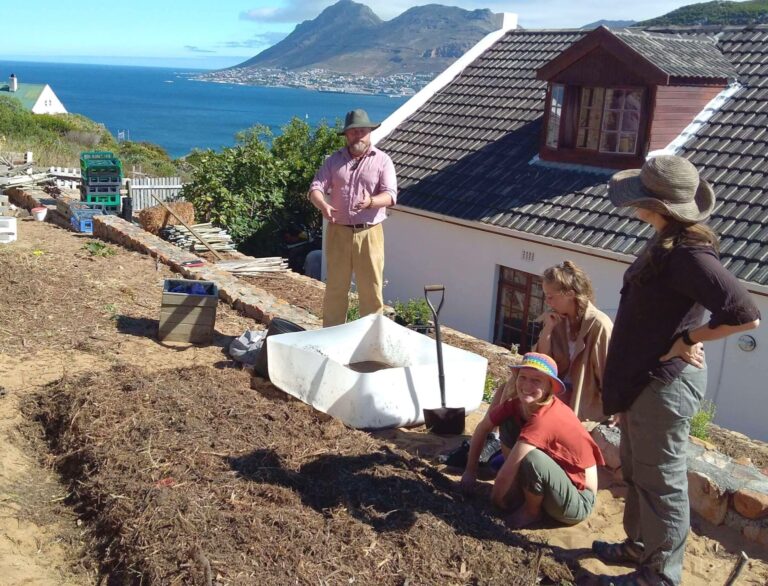
Gardening takes effort, attention, and diligence. But you can make things easier on yourself by being proactive, and consistently so.
Being proactive stops problems in the garden before they start, and if there’s one thing I’ve learned in all my years of gardening, it is that most of your problems are very easy to solve before they get bad.
Keep reading, and I’ll share with you some of the best ways to take control instead of being reactive, in your garden.
Keep It Clean!
Arguably the most important and, unfortunately, one of the most onerous, boring ways to be proactive in your garden.
Staying on top of routine cleaning, including eliminating prunings and trimmings, damaged plants, fallen foliage, flowers, and fruit is crucial to preventing all kinds of problems.
Namely, good cleanliness reduces the likelihood of pests taking up residence in your garden, including insects and mammals, and it also slows or even stops outbreaks of some diseases that typically spawn from rotting vegetation.
Believe it or not, this can turn into a sort of generational problem: being even a little slack when it comes to keeping your garden clean can lead to many months or even years of diseased or dying plants.
That’s because germs, insect larvae, and all kinds of fungi can actually go dormant and hibernate in fallen and rotting plant matter. Many can even survive a hard winter!
One of your daily chores should be the collection and removal of all dead or soon-to-be-dead plant material. Be sure to dispose of the collected waste far from your garden, and don’t forget to clean up your tools afterward; contaminated tools can spread infection!
Only Buy Healthy, High-Quality Plants and Seeds
Don’t make the mistake that I made – a lot: when your home improvement supercenter or local nursery has plants on closeout, the ones that need a little TLC, leave them behind.
The same thing goes for dodgy or questionable seeds, or those taken from plants that had a hard time. Simply put, you are taking a big chance with unhealthy plants and seeds alike.
Many of them will already be harboring various diseases or pests; that’s often why they look so terrible. But even the ones that are clean are going to be more vulnerable, and that can lead to an outbreak of diseases or insect pests that will spread to the rest of your garden!
Yes, it’s good to save money. It’s certainly good to be frugal and prevent waste. But you’ve got to see the big picture. Think of yourself as a general of sorts, one that is in command of and responsible for all of your plants. The weakest members of the “unit” could jeopardize the whole.
By all means, if you can get a great deal on a healthy plant or some awesome heirloom seeds, grab them and run. Just don’t get mesmerized by that clearance and closeout pallet…
Test Soil Often
I know so many gardeners who test their soil infrequently, if at all. And they wonder why they are left scratching their heads when their plants struggle and the solutions they try don’t work. In my experience, the usual prescription of testing soil every 2 to 3 years is not enough…
I test my soil regularly, at least once a year and sometimes every 6 months. I also pH test each section of my garden independently so I have a precise picture of what the soil levels are and what it contains exactly where I will be planting. Overkill? Hardly.
While it’s true that most nutrients are used up slowly over time, when you are practicing intensive gardening strategies, planting densely, or growing heavy feeders, you’ll be shocked at how fast nutrients get depleted.
You don’t want to be surprised by this, and you definitely don’t want to let your plants grow in substandard soil.
Basic soil tests are cheap and something you can do yourself, and you can usually get laboratory testing done quite affordably if you know where to look. Ask around at a nearby university extension or your local Department of Agriculture office for a lead.
Plotting out how your soil levels change month over month throughout the growing season and correlating that with what you are growing gives you precious data about your specific garden. It’s invaluable, believe me.

Add Fertilizer and Amendments Incrementally
Testing your soil, of course, is only half the battle. Adding fertilizer and amendments is the other.
Part and parcel with testing the soil often, you’ll want to add amendments more regularly and do so in smaller increments to maintain optimal nutrition levels. Little bumps now and then are better for your plants and easier to get right compared to big, huge adjustments.
This also stops you from overshooting the mark. I’ve done it plenty of times, and you probably have too — and if you say you haven’t, I think you are fibbing! It usually looks like this: upon conducting your soil test and finding that your soil is critically low on nitrogen, phosphorus, or potassium, you err on the side of giving your garden all the nutrition it needs.
Then you come back and retest sometime later to find that now the nutrient levels are too high, maybe harmfully so! Nitrogen burn and excess phosphorus are particularly problematic and can result in systemic issues even outside your garden when the soil becomes inundated and the elements spread.
When it’s time to add any amendment, always err on the side of caution; you can add more later if needed.
Mulch Early and Keep It In Place
Mulch, truly, is a gardener’s best friend and one of the most underrated and underutilized assets available. Mulch is always good for your garden.
Mulching helps stop most weeds from germinating, helps the soil stay moist, provides an ecosystem for all kinds of beneficial organisms, and stabilizes soil temperatures. All of this helps before and after planting is done for the season!
During the season, when your plants are growing, it helps protect them from temperature swings, prevents water from evaporating before it can be absorbed, and it also acts as a buffer to stop infectious agents in and on the surface of the soil from splashing up onto your plants.
My gardening game leveled up when I started using mulch as a matter of course. But putting it down once and forgetting about it won’t help for long; mulch washes away and breaks down in time, so it needs regular replacement. Depending on your conditions and your plans, a layer that is between two and four inches thick is ideal.
You can use all kinds of materials for the job, too: wood and bark chips, shredded wood, straw, and even shredded leaves can all work well.
Attract Beneficial Predators Before You Need Them
Insect pests are the worst. If you haven’t learned that just by reading this article, you will, I promise. But rather than reaching for pesticides, which are made from questionable chemicals with dodgy effects on your own health and the rest of the ecosystem, try to rely on natural predators to keep them out of your garden.
Other insects like ladybugs, dragonflies, and various wasp species all prey on common garden pests like aphids, worms, grubs, and beetles. And don’t forget about birds! Warblers, chickadees, robins, wrens, and more are all prolific insect eaters.
You’d be surprised how much you can depend on these other creatures to help you with the pest problem in your garden, but it will be way too late if they aren’t already hanging around when the pests show up.
You need to take action now to get them established on or very near your property. Installing ladybug houses, planting various flowers that attract them, cutting back on pesticides and herbicides that can harm them, and putting out bird feeders will give these garden helpers what they need to survive and thrive.
Rotate Plantings Religiously
Rotating your plantings from year to year, even when you don’t strictly need to, is almost always a good idea for the health and longevity of your garden.
That’s because crop rotation helps to break the life cycles of various pests and diseases that take up residence in the soil. By rotating your plants, you deprive any given pest or germ of the resources and environment it needs to thrive. Basically, you are eliminating their preferred hosts!
There are other benefits, such as reducing the impact on soil nutrient levels. Many garden veggies, especially those in the nightshade family, are big feeders, and you can help the quality of your soil overall by giving it a break.
Sure, you can always add amendments and nutrients as we discussed, but it takes time for soil to stabilize and normalize. It’s not a quick process!
You can also make a great case for giving parts of your garden the “year off”, letting the soil rest, by simply keeping it covered with mulch or planting low-impact cover crops like oats, cereal rye, mustard, and more.
Install and Use Permanent Pathways
I get it; needs must, and depending on how and where you plant in your garden, that will determine where you get to walk to care for your veggies and ornamentals.
I’ve done this a lot myself, but if possible, you should make it a point to install permanent pathways in your garden to walk on and then plant around them.
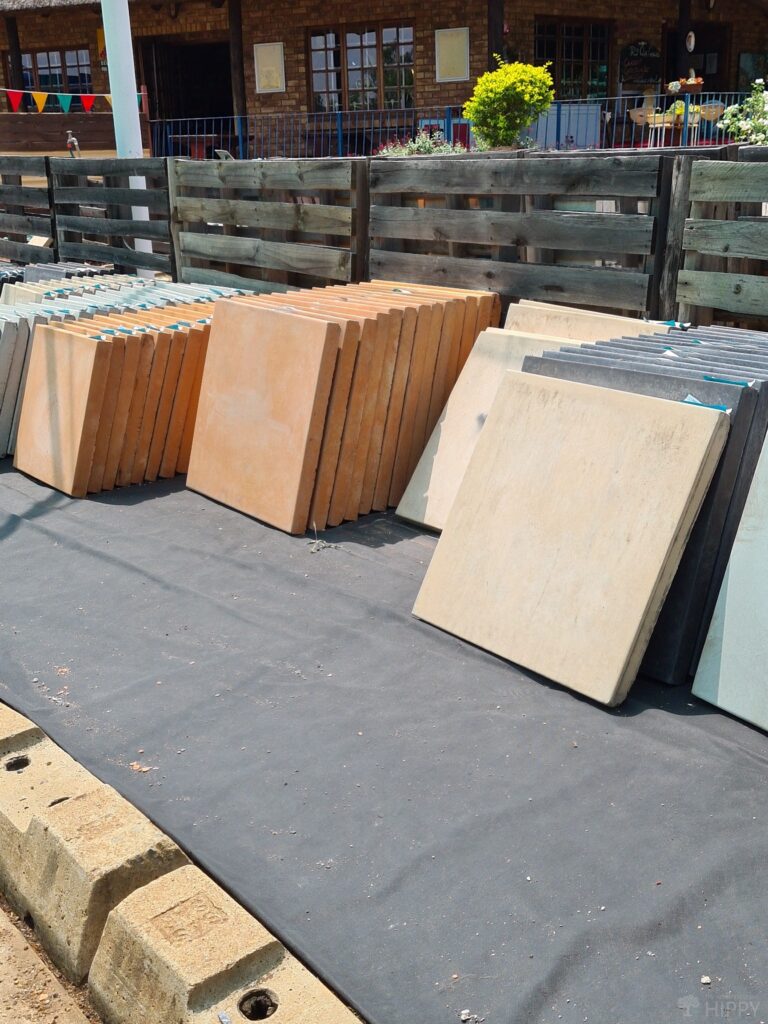
There are lots of ways to do this, but the idea is that you don’t want to be walking on the bare dirt when you can avoid it. Use a thick layer of mulch, stepping stones, gravel, or other materials to make your paths.
Doing so improves overall drainage and creates a preserve, of sorts, for beneficial organisms that live in the soil. Worms, especially, will take up permanent residence in any area that doesn’t get tilled under ruthlessly every season or every year.
Plus, you are always better off avoiding walking on areas where you will be planting or might plant in the future; soil compaction is a constant problem for most gardeners.
If you need more room or space, you can later add raised beds to the perimeter of the garden or to the ends of your walkways.
ABPW: Always Be Pulling Weeds
Every gardener’s most hated foe, and with good reason! Aside from looking unsightly, weeds will compete with and eventually overwhelm most plants, stealing water and nutrients from them. Many weeds also serve as an attractor for both harmful pests and various diseases which will, as we’ve learned, spread from there.
Regular, thorough weeding not only makes the job easier but prevents all of these problems from getting a foothold in your garden that you’ve worked so hard to grow.
Your three-pronged proactive strategy for weed control is as follows: mulch deeply (as detailed above), remove weeds as soon as they are detected to prevent them from going to seed, and avoid tilling, especially deep tilling, whenever possible; this will often bring hibernating, deeply buried weed seeds to the surface where they will then sprout!
Inspect Constantly
Last but certainly not least, make it a point to inspect your garden constantly. And no, this doesn’t mean a twice-daily, white-glove checkup. You do, though, want to get out there in your garden as often as possible.
Spend time in it, pay attention to it. The more you do this, the more readily apparent changes and problematic indicators will be.
A little discoloration here or a little damage there might be the first signal of a bigger problem brewing. And, once again, catching garden issues when they are small makes them much easier and quicker to deal with. That’s the very best way to be proactive!

Tim is a farm boy with vast experience on homesteads, and with survival and prepping. He lives a self-reliant lifestyle along with his aging mother in a quiet and very conservative little town in Ohio. He teaches folks about security, prepping and self-sufficiency not just through his witty writing, but also in person.
Find out more about Tim and the rest of the crew here.