
Chickens might look small and harmless, but if you think that, that’s only because you’ve never been chased or flogged by them! If your birds are distrustful and aggressive with people, it’s only going to make your life a whole lot harder.
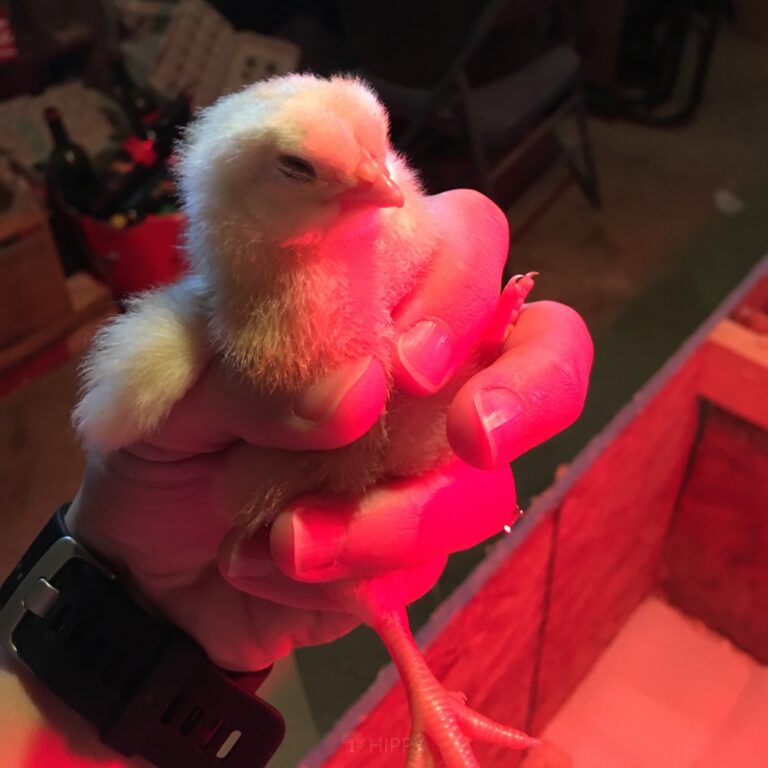
When it’s time to do anything from administering medicine to inspecting or cleaning the coop, if your chickens are attacking you or running in fear from you, you’re going to waste a lot of time and energy. And it’s totally avoidable!
If you raise your birds with the right approach, you can all but guarantee that your flock will be calm, friendly, and always happy to see you. You’ll probably find one or two will start to cling to you and follow you everywhere.
If you want the friendliest flock in town, keep reading and I’ll tell you how to bond with and become friends with your birds.
Pick the Right Breeds
There’s no two ways about this: different chicken breeds have different typical temperaments. Yes, every chicken is, at the end of the day, an individual.
Yes, it’s more about the owner than the bird. But I’m telling you there’s no escaping this fact of nature, especially when it comes to domestic breeds.
You’ve got to keep in mind that all domestic chickens have been selectively bred over and over again for countless generations to select for their characteristics, and that includes their temperament.
Some are just a lot more predisposed to being friendly with people than others… while remain standoffish or even downright mean more often than not.
For instance, if you pick out Old English Game, Modern Game, Asil, Malay, or Shamos, you should know that you are getting birds that were either historically bred for cockfighting, or ones that maintain much of their ancestral jungle fowl instincts for being territorial.
Raise them right, and they might turn out sweet as angels, but on the other hand, maybe nothing you do will make them truly friendly.
In stark contrast, most chicken keepers know that you’ll rarely go wrong with Silkies, Orpingtons, Sussexes, or Cochins.
All of these have been selected time and again for being friendly, or docile, and given even a little bit of positive interaction and consistent gentle handling, they’ll be a joy to interact with.
Interact With Them While They are Chicks
Like every other kind of animal out there, you’ll have a much better chance of raising tame chickens if you have a hand in rearing them while they are young, as chicks.
Chicks, more than most other baby critters, imprint readily on their caregiver.
If you are there from day one, being kind and caring for your young flock, they will assume that you are Mom, and that means they are much more predisposed to trusting and respecting you, assuming you handle them correctly.
This isn’t to say that you can’t successfully raise a juvenile flock to be well-behaved and sociable or that you can’t do the same thing even with adult birds.
But I found the process to be harder and taking longer, and you’ll need a lot more positive reinforcement the more mature a chicken is.
If you can make it work, always raise your own chicks, even if you get them as day-old hatchlings.
Talk to Your Birds Softly
Something that always bothers me is running into keepers who yell at their birds or just talk too loud. Some folks do this because they are just hamming it up and putting on a show, others do it because they’re genuinely frustrated with the antics that the flock gets up to.
In either case, this is a bad decision…
Chickens are prey animals, and among prey animals, they’re just about as low as it gets on the totem pole. For the most part, only bugs and mice are beneath them!
Accordingly, as with every other predators, loud noises signal imminent threat, and even if you’re just playing around with them, yelling at your birds or speaking to them in a harsh tone will raise their stress levels and make them wary of you.
Chickens are smarter than you might think, and if you sound stressed out or angry, they’ll be able to pick up on this. Likewise, when you are happy, calm, and glad to see them, they will know that too.
It’s good to talk to your birds because they’ll learn to recognize your voice and associate it with good things if you’re being nice to them!
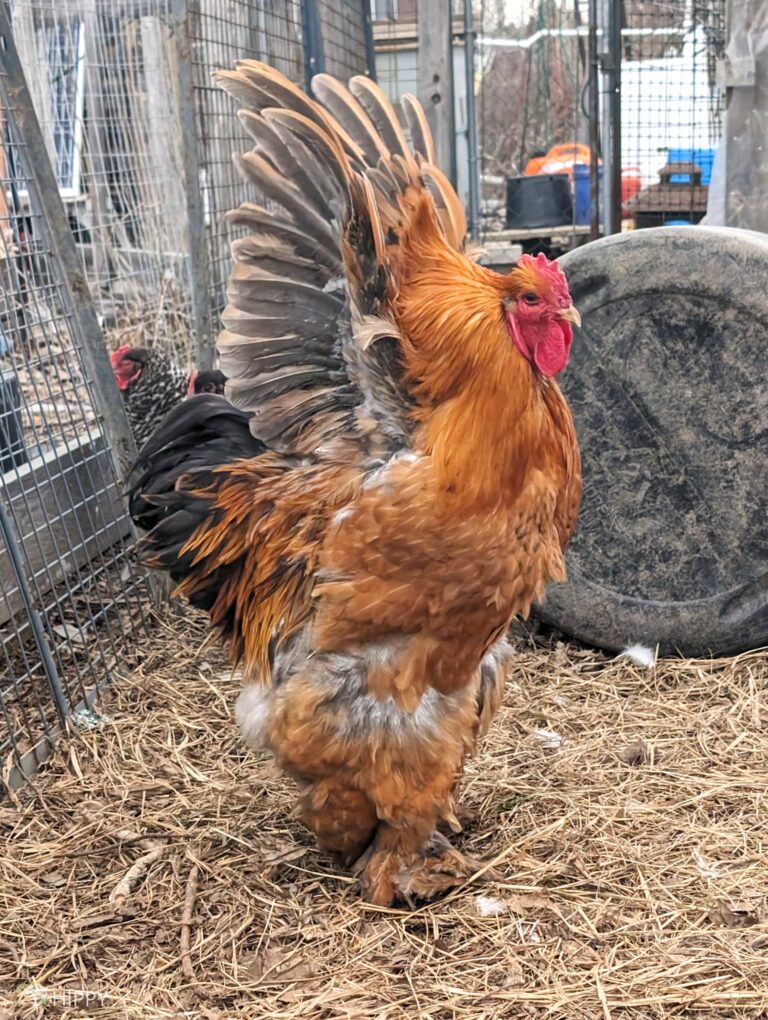
Always Be Calm
This is sort of an adjunct to the previous point. Whatever you’re doing around your chickens, always be calm.
Don’t act frantically and make sudden movements. That’s what predators do, and the ancient instinct that has kept these birds alive since time immemorial remains in the brains of our backyard chickens.
Move smoothly and steadily. Don’t throw or drop things. Don’t stamp and stalk around, and don’t charge at them. Even if your chickens already know you, even if they already trust you, this makes them extremely anxious.
Do it enough, and they will start to steer clear from you, and if you really scare the flock leader, the other birds will follow them in their hesitancy.
Pick Them Up Properly
This is another procedure I constantly see newbies screw up, and worse, it’s something that they don’t know upsets their birds even if they don’t give signs immediately.
How do you pick up a chicken? Just grab it, right? Go watch videos online of people trying to pick up a chicken for the first time. It’s hilarious because it consists of a frustrated person chasing a bird that is constantly running away from them and becoming increasingly frantic.
Ha ha, yuck it up. It is humorous, but make no mistake that the poor bird is actually frightened. That’s because the extended limbs and grasping hands reaching for them look—yep!—just like a predator about to snatch the life out of them.
The best way to pick up a chicken, especially one that isn’t 100% bonded with you, is to kneel down and make yourself small and then scoop them up from underneath.
This will keep them calm and make your job of carrying or holding them easier. After all, threats to chickens always come from above because they aren’t very tall!
There are some exceptions to this, though. Sometimes you’ve got no choice but to grab a chicken as quickly as you can for one reason or another, maybe to break up a fight or rescue it from danger.
Likewise, a true pet chicken that follows you around might trust you enough that the notion you would hurt it will never cross its mind, and it’s okay to bend over and just pick them up normally.
Until you get to that point, though, kneel down and pick up your birds gently to avoid spooking them.
Give Treats Often
Chickens are extremely food-motivated. Ask anyone who’s owned them for any length of time! If you want your girls to love you and associate people with happy feelings, you shouldn’t make bribery beneath you.
Giving your chickens treats, as long as the treats are healthy in nature and in healthy proportions, is one of the best ways to get them to trust you.
Their brains don’t work like ours: once chickens learn to associate you with treats, they’ll start to come running whether you have them or not. Because they instinctively come running to you, the chicken reasons, they must like you.
You won’t have to treat them regularly for very long until they start associating you with happy feelings. My favorite approach is to use a can of mealworms, crumbles, cracked corn, or something else that forms little tidbits so I can easily control portions.
A container that makes noise, noise that will become additional positive reinforcement, is a bonus.
When it’s time to treat your chickens, don’t just throw it out there to them. Again, kneel down to get on their level and hold out your hand with the food to encourage them to eat from your hand.
This will require a certain amount of trust on the part of the chicken. The bold and adventurous chickens will quickly do so. Let them have a few treats, then scatter a few to the more cautious birds…
Next time around, wait a little longer to encourage those slowpokes to come up and eat out of your hand as before. Once all of your chickens readily do this, they’ll be well on their way to trusting you completely.
Pet Them Correctly
Everyone has a favorite way to pet a chicken, but there’s only one ‘right way’ as far as I’m concerned. And no, it’s not stroking their head or the back of their neck. That’s how you pet a dog or cat, but it’s not ideal for our birds!
Once again, any sort of clutching, grabbing, or reaching movement towards the head is an instinctive danger indicator for a chicken.
Instead, stroke their chest and breast around the keel area and the front of their neck where their crop is. In my experience, every chicken alive loves this treatment, and you’ll be able to tell because they stretch their head up and out to facilitate it.
This is a great thing to combine with giving treats because it’s double the reinforcement. You’ll find out quickly enough that, even when you stop giving them treats, they will still run up to you for pets!
Only Handle Them When They’re Ready
You won’t always have discretion as to whether or not your chickens need handling. As their keeper and owner, sometimes you’ve got to lay hands on them for a health checkup, administering medicine, or some other purpose.
But when you can, avoid picking them up against their will while they are chicks until they are ready. Even when chicks imprint on you, picking them up is always, and I mean always, stressful if they aren’t willing.
How will you know they are willing? If you lay down your open hand and they climb up into it, they are okay with being picked up. If they retreat from your hand or run from you when you reach into the brooder, don’t pick them up if it can be avoided.
It seems like a small thing under the circumstances, and maybe it is, but I promise you it makes a big difference in the bond that you are forging with your birds.
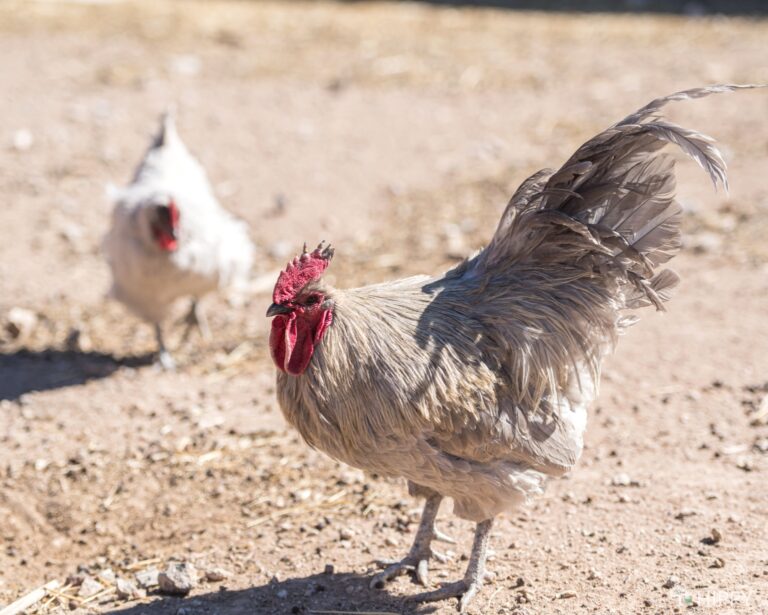
Befriend Bold Birds
Even while your chicks are very young, even before they have their adolescent feathers, flock dynamics are rapidly developing. Suffice it to say, the pecking order is a very real thing, and these yardbirds have surprisingly sophisticated social dynamics.
As a rule of thumb, there will always be at least one and more likely two or three birds in any given flock of 10 to 12 that the others will look to for leadership…
Where they go, the others go. When they give commands, the others listen. The rest of the flock will imitate the behaviors and also the bearing of these birds.
Accordingly, keep an eye out and figure out which birds are the boldest, as those are likely to be the leaders. Double your efforts to make these birds like you and bond with you, and that will lead the rest of the flock to mimic their behavior.
You might think it is a little distasteful kissing up to the “boss” to earn acceptance with the rest of the flock, but this trick works like a charm, believe me!
You Might Need to Submit Aggressive Roosters
Lastly, dealing with roosters and trying to make them people-friendly can be an entirely separate article unto itself. Once that testosterone starts to flow as a rooster nears sexual maturity, all bets are off.
Your precious, colorful, friendly chick might turn into a tyrant or a rampaging hell beast that you are actually frightened of. Nonetheless, it’s critical that you still try to befriend these birds when things go sour, or at the very least get them to respect you.
If a given rooster charges you and tries to flog, peck, and slash you, you need to make it submit to you as the superior rooster in the flock.
To do this, take hold of the offending bird firmly but gently by the back of the neck.
Gently press the bird down onto its stomach, making sure to hold the neck down to the ground using your index and middle fingers in the shape of a V. This is the submission position that a dominant rooster would apply in a fight for dominance.
Use your other hand to hold their body down, but take care not to crush or injure them. Naturally, the rooster won’t be okay with this at all, but in time you’ll feel it relax and give up the fight.
When that happens, slacken your grip gradually and let them go only if they remain calm. If they start up again, repeat the procedure.
Once you do this a few times, that will probably be the end of the fighting, and don’t be surprised if that rooster starts acting a lot friendlier with you.

Tim is a farm boy with vast experience on homesteads, and with survival and prepping. He lives a self-reliant lifestyle along with his aging mother in a quiet and very conservative little town in Ohio. He teaches folks about security, prepping and self-sufficiency not just through his witty writing, but also in person.
Find out more about Tim and the rest of the crew here.