
A big part of taking care of animals is understanding how long they can be expected to live. No one wants to think about their animals dying, especially if we have forged close bonds with them, but on a working homestead, it’s important so you can better anticipate when you’ll need replacements.
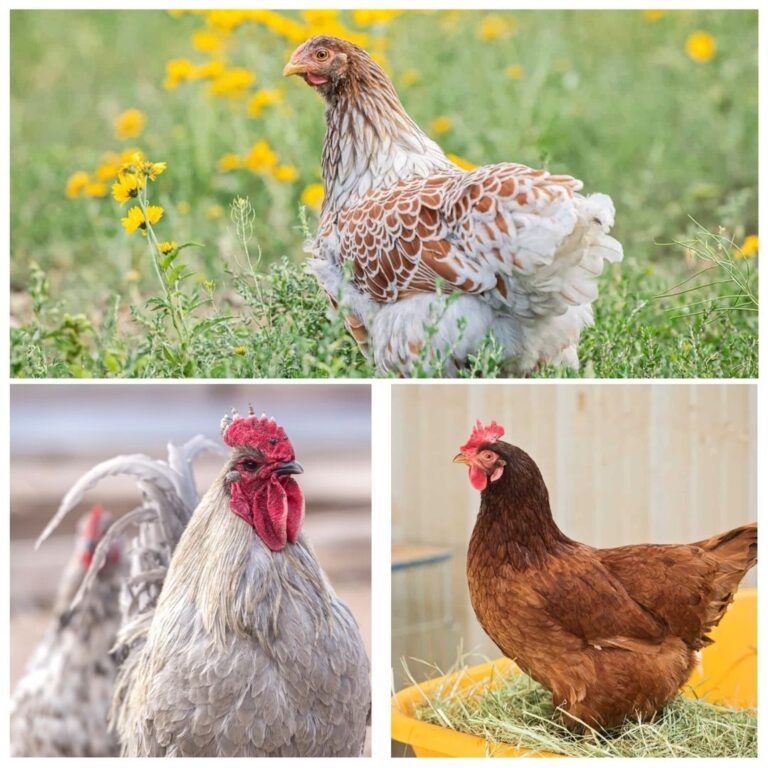
Chickens are often thought of as having very short lives, but that’s only if they are slaughtered as soon as possible. Otherwise, they can live for quite a while. So, just how long do different chicken breeds live?
Most chickens will live between 5 and 8 years in captivity if they aren’t slaughtered, regardless of breed. However, some breeds are known to live much longer on average than others, and some can even live longer than 10 years!
Chickens are surprisingly long-lived birds in captivity. However, depending on which breed you have your eye on you’ll get a lot more years out of some than others.
This is an especially important consideration if you are raising them for eggs or just keeping them as pets. Keep reading, and I’ll tell you a lot more about the typical lifespans of the most popular domestic breeds and other need-to-know info.
| Chicken Breed | Lifespan | Years Lived |
| Rhode Island Red | Average | 5 to 8 years |
| Wyandotte | Variable | 6 to 12 years |
| Orpington | Long-lived | 8 to 10 years |
| Plymouth Rock | Average to Long | 6 to 10 years |
| Bantams | Typically Short | 4 to 8 years |
| Old English Game Fowl | Short | 4 to 6 years |
| Jersey Giants | Average | 6 to 8 years |
| Delaware | Average | 6 to 8 years |
| Dominique | Long | 8 to 12 years |
| Leghorn | Short | 4 to 6 years |
| Easter Egger | Long | 8 to 10 years |
| Golden Comet | Average | 5 to 8 years |
Lifespans of Common Domestic Chickens
As mentioned, each domestic breed has a varying average lifespan, along with all of their other essential traits. For some of us, lifespan might be very high up on the list of priorities, so research your chosen breed carefully.
Below is a cross-section of 12 popular domestic breeds and hybrids along with their usual lifespan.
Rhode Island Red
One of the most popular and iconic domestic breeds around, these big, dual-purpose birds are known for excellent egg-laying capability and producing tons of tasty meat.
They also tend to be pretty long-lived which befits their reputation as hardy, independent, and downright tough: in good conditions and with plenty of care, Rhode Island Reds can live for up to 8 years, though some show significantly shorter lifespans of around 5 years.
Wyandotte
Wyandottes are a classic American original, another dual-purpose breed that is known for dependably good egg production of around 200 large brown eggs a year and also great meat production, and they have a reputation for quality.
These gorgeous, stoic, and calm birds tend to be a little standoffish but rarely aggressive and they are friendly even if they don’t like a lot of touching and cuddling. I can make a great backyard or pet chicken because they tend to live for a very long time, up to 12 years! Remarkable for a chicken!
Orpington
One of the most famous and beloved chickens in the world, Orpingtons are large, friendly, fluffy, and notoriously broody. They can nominally lay plenty of eggs but it’s difficult to keep the females laying around the clock because they are so intent on hatching.
They make wonderful pets, though, and are sometimes used as surrogate mothers for other chickens and even ducks. Orpingtons are pretty long-lived, and you can expect them to live at least 8 years and many live 10 years or longer.
Plymouth Rock
Another beloved American breed, the Plymouth Rock is kept for meat and eggs, and though they don’t keep up with modern super-layer breeds like the Australorp, you can still count on them to give you around 200 eggs year in and year out.
These broad-breasted, almost rectangular chickens are also notably friendly and easy to handle, making them a superb all-around choice for beginners and experts alike. This is another breed that, like the Orpington, can go the distance and they will usually live anywhere from 8 to 10 years on average.
Bantams
Bantams are not a breed but rather a category of chicken, and sometimes a breed variety. They are all incredibly tiny, that’s what the name indicates!
But bantams often don’t live as long as their larger counterparts, even with expert care and optimal health. Although they are very popular pets, it’s not a relationship it’s made to last, sadly: many bantams only live 5 to 6 years, though some might go 8 years.
Old English Game Fowl
A legendary and, today, rare game breed, the Old English Game Fowl was a notable cockfighter as its name suggests.
Today, kept mostly as an ornamental, spirited pet or exhibition chicken, they are lean, tend to be mean, and are incredibly alert, making them great flock guardians.
Unfortunately, they don’t live too long because when you live life in sixth gear with the pedal to the metal, it takes a lot out of you: These spunky chickens only live between 4 and 6 years.
Jersey Giants
If there was ever a chicken that truly earned its name, the Jersey Giant is it. The largest purebred chickens in the world, these colossal cluckers can top 13 1/2 pounds when fully grown.
They’re surprisingly good producers of very large eggs and can yield a tremendous amount of meat, but they grow quite slowly. They are, thankfully, also very gentle, friendly, and easy to handle.
But like most mammoth breeds of any species, they don’t live quite as long as others: 8 years is about as old as they will get.
Delaware
Delaware’s are supremely good egg layers, with many young hens approaching the 300 mark yearly, although they are also kept for meat.
At one point, they were an important producer in the commercial meat market, but they have since been supplanted by other breeds. Independent, excellent foragers, and typically amicable, Delawares are about average when it comes to life expectancy, averaging 6 to 8 years.
Dominique
Known to be America’s oldest domestic heritage breed, Dominiques grow quickly, yield a decent amount of fine-grained, succulent meat, and are remarkably good if inconsistent egg producers, cranking out anywhere from 200 to around 285 yearly.
They are another long-lived breed, and can be expected to live about 8 years at the least, and birds that will go 10 or even 12 years are not uncommon.
Leghorn
Another famous and iconic domestic chicken, for many keepers leghorns are the definitive picture of what a chicken is and should look like.
They are uniformly superb layers, producing no less than 250 eggs yearly, and many hens clearing 300 eggs for the first couple of years of life.
They’re active, energetic intend to be nervous and flighty, meaning they are difficult to deal with. Unfortunately, they tend not to live very long at all, just 4 to 6 years.
Easter Eggers
Easter Eggers aren’t a distinct breed but rather are hybrids, produced by meeting a chicken that lays blue eggs with a chicken that lays brown eggs.
The resulting birds tend to be highly prolific layers, extremely healthy, and capable of laying eggs in just about any color you can think of.
Like most hybrids, they tend to be remarkably robust and long-lived, and your average Easter Egger will give you 8 to 10 years.
Golden Comet
Another hybrid variety, Golden Comets are bred specifically for incredible egg-laying output, with many surpassing the 300 egg per year mark.
Like the Easter Eggers, they tend to be healthy, good-natured, and easy to handle, but they don’t live quite as long: you should expect to get only 5 to 8 years from these birds.
How Long Do Chickens Usually Live in the Wild?
Chickens in the wild don’t live anywhere near as long as domestic breeds of any kind as a rule of thumb. On average, and chicken in the wild, and that includes their ancestral progenitors the red jungle fowl, only live for around 3 years, 4 at the most.
The rigors of surviving in the wild while exposed to the elements, dealing with persistent predators and coping with diseases, parasites, infection, and other injuries take their toll.
How Long is a Chicken’s Life on a Factory Farm?
About a month and a half, on average, assuming they’re being raised for meat. The moment the chickens are fully mature, physically, they are slaughtered in order to maximize income and cycle in new birds, and sometimes they’re even slaughtered earlier than that.
While these birds are said to be adults in terms of physical stature, really they’re still adolescents…
How Long Will a Chicken Live on a Homestead?
It depends. Specifically, it depends on what their owner intends for them. Chickens being raised for eggs will be kept for years as a rule, because even after they slow down on output after the first 2 or 3 years they will still lay at a high enough volume to be worth keeping around.
Some owners might decide to slaughter as soon as their output dips, though, because meat quality goes down significantly with age.
Likewise, any homestead birds that are being raised specifically for their meat are going to be slaughtered pretty early on if people want to enjoy a nice chicken dinner.
2 to 3 months of age is usually the maximum, although folks who are raising a roaster, a chicken that is intended to be prepared whole, might wait a few more months for the bird to fill out.
Some of the larger and slower-growing breeds like the aforementioned Jersey Giant might take nearly a year to reach full physical maturity.
Do Pet Chickens Live Longer?
Yes, as a rule. That’s because true pet chickens always get the very best diet, care and attention as befits their station, and they generally aren’t forced to do anything like keep laying eggs or undergo a sharp period of weight gain in order to get them ready for slaughter.
As most pet owners already know, the very moment that their precious companion shows the least little bit of distress, upset or injury they are rushed to the vet so they can get better.
Assuming that a pet bird does not fall prey to genetic conditions, accidents, or predation, you can rely on them to live closer to the upper range of their typical lifespan for their breed.
Do Hens or Roosters Have Longer Lives?
Usually, hens and roosters have about the same lifespan on average in captivity, but if you get down to the nitty-gritty hens tend to live longer.
It’s because roosters stay amped up on testosterone, tend to be bigger and more muscular and they are also on high alert much of the time looking out for threats and intruders to their territory.
Again, living life “hardcore,” so to speak, produces a definite drain on their energy and lifespan in the long run. All things being equal, roosters tend to live about a year less than hens although there are plenty of exceptions.
What are the Factors That Affect a Chicken’s Lifespan?
Lots of factors can influence a chicken’s lifespan. Nutrition is a big one, and birds that get the right amount of calories and all of the nutrients that they need in order to thrive will live longer as a rule.
Stress is another serious one, with birds that are constantly contending with danger in the form of predators or abuse from bully birds will rarely live as long as they could.
And as expected, genetic abnormalities and disease are big influencers, and chickens that fall prey to cholera, avian influenza, parasite infestation and other maladies will often die sooner assuming they survive the event in the first place.
Weather is another contributing factor, and even though chickens are remarkably hardy overall and some of them do quite well in extreme temperatures, subjecting your birds to areas of intense heat or prolonged, deep cold will tend to shorten their lives somewhat.

Tim is a farm boy with vast experience on homesteads, and with survival and prepping. He lives a self-reliant lifestyle along with his aging mother in a quiet and very conservative little town in Ohio. He teaches folks about security, prepping and self-sufficiency not just through his witty writing, but also in person.
Find out more about Tim and the rest of the crew here.