
If you ask me, one of the very best parts about being a homesteader is raising chickens. And lots of other folks agree! In terms of value, chickens are at the top of the pile when it comes to livestock. They are generally easy to care for, cheap, fun, and can keep you stocked up on both meat and eggs.
But I’d be lying if I told you that there were absolutely no downsides to them. If anything, the downsides might be underestimated!
It’s easy to get caught up in the fun of establishing a flock of your own, but if you don’t think through the following ugly truths, you might be signing up for a whole lot of stress.
Keep reading, and I’ll tell you about 10 things you definitely need to know before you build that coop and bring those babies home.
1. The Noise Factor
Chickens being noisy is such a stereotype that it’s practically a trope at this point, even a cliché. They are always running around clucking, screaming, and of course, roosters doing that iconic cock-a-doodle-doo at dawn.
And when a hen goes broody, you’d better get some noise-cancelling headphones… and a pair of rubber boots too!
I’m here to tell you that it is absolutely all true. Some things really are a stereotype for a reason.
Although different breeds vary, with some being quieter than others, all chickens tend to be fairly noisy, and the vast majority of roosters really will give you that wake-up call as soon as there’s even a crack of light in the sky at dawn.
If your flock is especially talkative, one of two things will happen: You’ll either get used to it and it will turn into background noise that you barely notice, or you will go absolutely mad from it.
There’s really no in-between.
If you’ve never spent time on a farm or homestead with chickens before, I recommend you do so before you commit, to see if you can handle the noise.
2. Constant Predators Lurking Around
Predator attacks are a constant bane for flocks of chickens. As it turns out, about the only living creatures in the food chain lower than chickens are insects!
Every carnivorous animal out there, and I mean every single one, will eat your girls, their chicks, or their eggs if given half a chance.
What’s most worrying is just how attractive your chickens are to predators. I can tell you that I’d never seen such a variety of animals in my neck of the woods until I got my chickens.
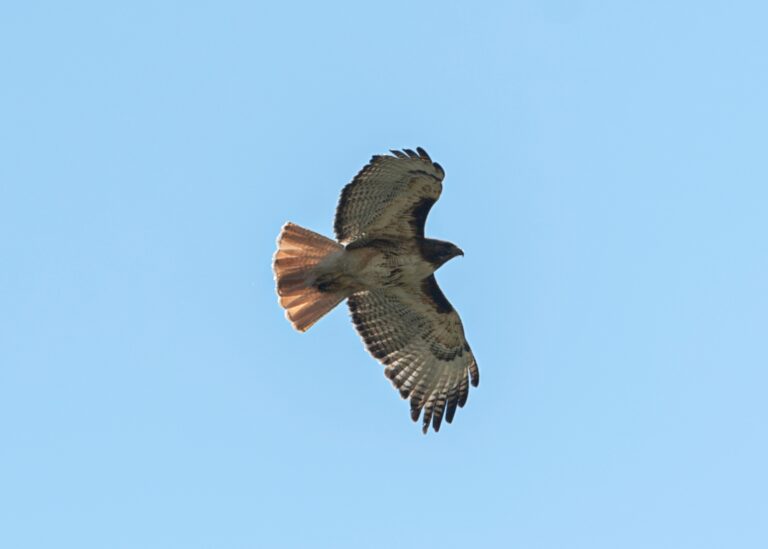
Coyotes, foxes, snakes, raccoons, possums, every kind of bird of prey, cats, and most common of all, domestic dogs. That’s right; your very own dog, your neighbor’s dogs, or roaming strays and ferals are the most common killers of domestic chickens.
Keeping your chickens safe from predators is a full-time job, both when it comes to passive defenses like shoring up fencing, anti-dig skirting, the coop itself, and overhead netting.
But, depending on where you live, you might have to take matters into your own hands and deter or neutralize predators if you can do so legally.
Otherwise, it’s only a matter of time until you lose some birds, and that can be a very harrowing thing to see.
3. Cannibalism
Perhaps worse than even the predator issue is the fact that chickens are cannibalistic. And I mean cannibalistic in the most obvious sense of the word.
Chickens are omnivores, opportunistic, and also prone to bouts of seeming madness that can spread like a virus.
The most basic form is egg cannibalism, where a curious or hungry chicken, or one that’s lacking in protein or calcium, will peck and eat eggs, even their own in the case of laying hens.
Once this happens, it’s very hard to stop, and since chickens imitate each other, they’ll all start to eat eggs.
Another, more gruesome variety is when a chicken gets an injury or has a deformity. The other birds will start pecking at the bloody spot or the injury, and eventually, the poor beleaguered bird will collapse or succumb to its injuries, and the rest of the flock will start eating it!
This can be prevented, and you might be able to halt this behavior by quarantining certain members of the flock, but if you don’t notice it or stop it in time, you’ll be greeted with a truly horrifying sight, and this is the stuff that lifelong trauma is made of in the case of a favorite or pet chicken.
4. Being “Married” to the Flock
Every person who owns a pet, or any other kind of animal, knows that to a certain degree, your life will revolve around that animal. If you’re going away on a vacation, work trip, or anything else and don’t have someone to pet-sit, you’ll have to board them with an appropriate keeper.
You can’t really do that with chickens, if only because the logistics of transporting a flock and the hazards associated with breaking biosecurity protocols with poultry make this untenable.
The only solution you’ll have is to hire someone to come out and feed, water, and check up on them, or you keep your trips very, very short. Like no more than a couple of days.
Even then, if you don’t have an automated door on your coop that will shut your chickens up and keep them safe from predators at night, you can expect to come home to a massacre.
Beyond that, it seems like no matter what you do, these birds are always going to get themselves into trouble…
Chickens really do depend on their owners, and that means if you don’t have skilled care looking out for them, you aren’t going anywhere for more than a few hours.
5. Offensive Odors
Compared to horses, cows, goats, sheep, and especially pigs, you might have the idea that chickens smell downright fresh. They’re so little by comparison, and their poops are so small it’s easy to think that they just don’t stink. And they don’t pee!
Well, I’ve got more bad news for you. Chickens do stink, and they can stink a lot, unless you are religious about cleaning up after them and keeping their space freshened and sanitized.
For starters, chickens poop all the time, and with even a modest flock of 10 to 12 birds, it doesn’t take long for their feces to reach critical mass and stink almost as bad as much larger animals.
The feces themselves can become a hazard on their own if you don’t handle them regularly…
Plus, you’ve got to consider the fact that their urine, such as it is, actually comes out as a component of the poop, so the inside of the coop or any other enclosed space where they are kept will take on that eye-watering ammonia smell like a truck stop bathroom.
And even though chickens tend to stay on top of cleaning and grooming themselves, considering they live outside and get all sorts of nasty stuff on their feathers, they will have a distinct aroma all their own, and it is not pleasant.
Don’t kid yourself if you think chickens are odorless…
6. Aggravating Your Neighbors
Something I hear over and over again from folks who find out way too late is that your neighbors are very likely to be unhappy with your choice to get chickens, especially if they don’t live the same lifestyle as you do.
Roosters are a surefire way to start a property war, as is a flock that is allowed to free-range and escape the bounds of your property.
Chickens can be extremely hard on gardens, landscaping, ornamental plants, and more, and most of them love to climb, which means they’ll get on roofs, cars, and other places where they shouldn’t be.
You’ve got an ethical and legal obligation to keep your animals contained, even chickens, but that can be easier said than done. If you get chickens, and they aggravate your neighbors, you might flush years and years of goodwill you’ve built up with them right down the toilet.
7. Infectious Diseases
Something that shocks most beginning keepers is just how many diseases chickens are vulnerable to. There are all sorts of bird-specific ailments that can ravage them, like bird flu and Marek’s disease.
They will also play host to every kind of internal and external parasite, from usual offenders like ticks, fleas, mites, and lice to nasty, internal ones like worms and flukes.
Perhaps most worrying of all are the diseases that you can catch from them, like salmonella. No, you don’t just catch it from improperly prepared chicken that you have for dinner.
Close contact with chickens, their feathers, their feces, or any surface that they‘ve been in contact with could spread salmonella to you and the rest of your family.
Establishing and enforcing the proper hygiene protocols is essential not only for the health of your flock but also for your own home.
8. The Necessity of Culling
As painful as it is, sometimes you’ll just have to cull a chicken. It might be too sick or injured, it might have gotten sick and recovered but is facing lifelong complications, it might be too aggressive, too old, or any number of other reasons.
And before you say you’ll always take your chicken to the vet to have them put down with dignity, I must tell you that this will happen a lot more often than you think.
If you aren’t up to the task, you better hope that someone in your family is, or else things are going to get very expensive and remain very heartbreaking forever.
9. Dealing with Roosters
I know lots of chicken keepers who only want hens and with good reason: they are the birds that will give you eggs, they aren’t as noisy as roosters most of the time, and they are typically friendlier and easier to handle.
But no matter what, no matter how careful you are, no matter the 100% sexed guarantee you’ll get from a hatchery or breeder, invariably you’ll end up with a rooster or two.
Assuming you don’t cull immediately or find someone who will buy them, you’ll have to deal with them. And they are a huge—I repeat, huge—pain in the ass.
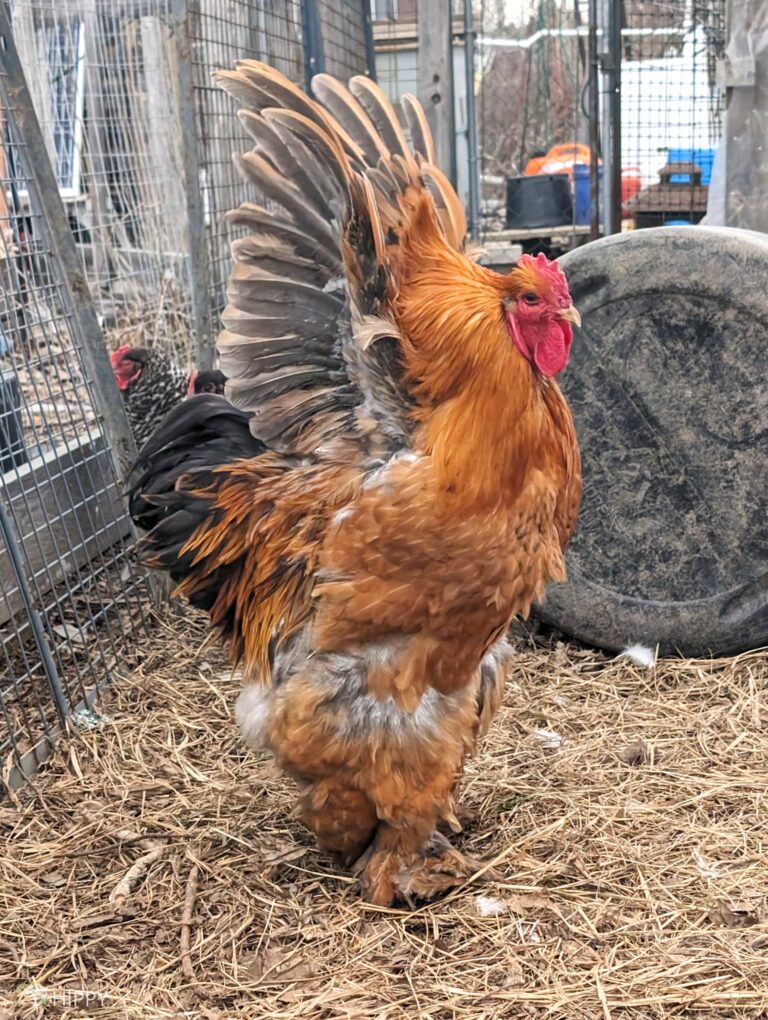
Roosters are incredibly noisy, territorial, and often aggressive. Even if they like you, they will attack you, flog you, and peck you. They will attack and peck other chickens, and sometimes a pair of roosters will fight to the death rather than give up dominance.
This is as much a headache as it sounds.
10. Chicken Math
Last but not least, one big downside to owning chickens that nobody—no one—warns you about until it’s too late is chicken math.
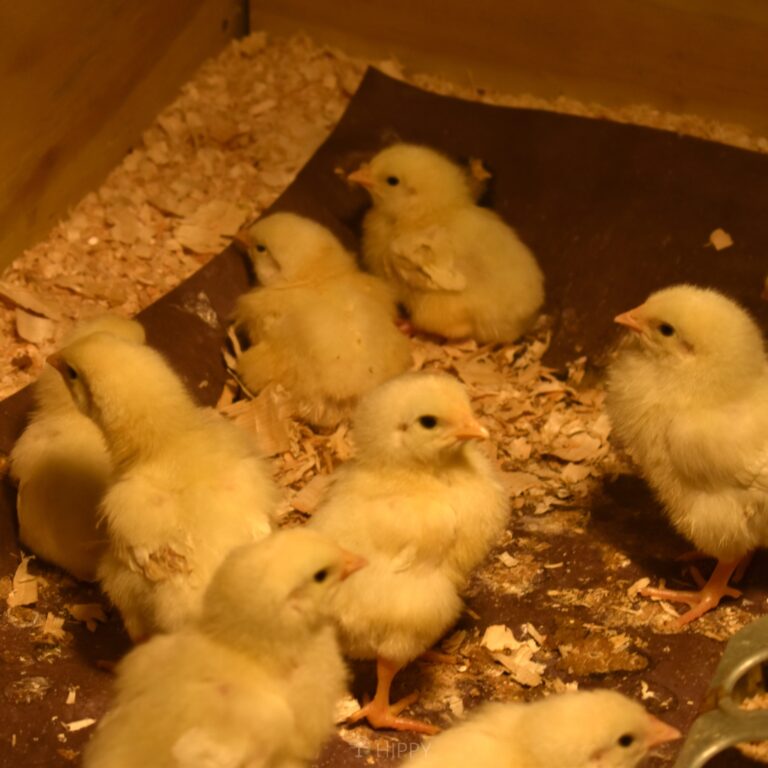
If you are anything like me, you will have started out with a tiny flock, just five birds. But then you grab a couple of neat chicks from the store. And you decide you need a rooster to help you fend off predators. Then you decide you want more eggs to make a little extra money on the side.
In no time flat, you need a much bigger run and a much bigger coop. But that has space left over, so you might as well fill it with a few more chickens for efficiency’s sake.
This is chicken math. Before you know it, you are hiding purchases from your significant other and swearing on the Bible, up one side and down the other, that you’ve always had that particular bird.
Laugh now, but mark my words—it will happen to you…

Tim is a farm boy with vast experience on homesteads, and with survival and prepping. He lives a self-reliant lifestyle along with his aging mother in a quiet and very conservative little town in Ohio. He teaches folks about security, prepping and self-sufficiency not just through his witty writing, but also in person.
Find out more about Tim and the rest of the crew here.