
Deciding to bring any animal onto your homestead is always a big one. There’s a lot to think about, and a lot to prepare for. And of course, there’s no small amount of excitement! Even though they are a lot of work, animals are a whole lot of fun, and some of them are super cute.
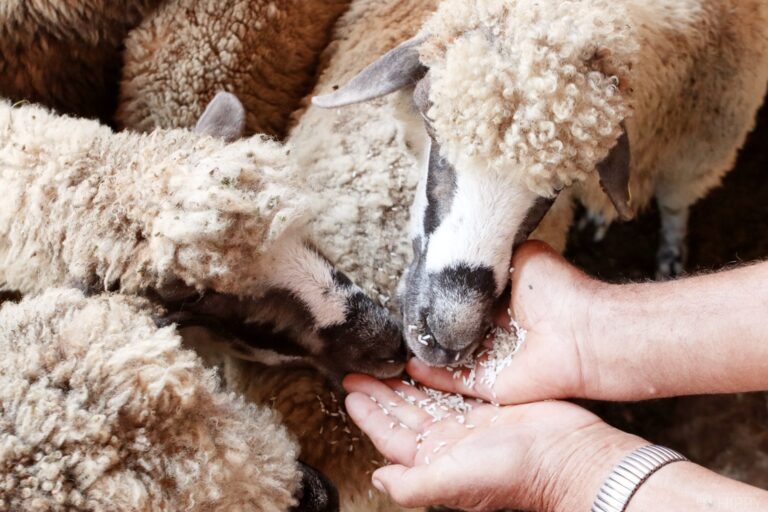
When it comes to sheer cuteness, nothing beats sheep. I always look forward to getting new sheep, and I remember my first one fondly. Considering how available and affordable they are, it’s easy to let eagerness override good judgment.
I’m not here to rain on your parade, but I do want to prevent bad outcomes. Before you commit to getting your first sheep, you need to consider these 12 critical factors.
What Do You Want From Your Sheep?
This first consideration seems so obvious that it is absolutely elementary, but you’d be surprised how many people get “sheep fever” and forget about it: What do you actually want from your sheep?
- Are you going to raise them for wool, milk, or meat? All three?
- Are you raising them for products for the use of your family and maybe your friends and neighbors, or are you trying to make a business out of it?
- Do you want to get anything from them at all, or just enjoy them as pets or a hobby flock?
There is no correct, A+ answer here. It’s all about what your goals and intentions are, and that’s a totally personal answer. But it’s easy to get mesmerized by that white wool and those adorable ears and noses.
Take a moment and really think about why you are getting sheep, only then you can logically plan your next moves prior to their arrival.
Do You Have Enough Room?
When most folks imagine owning a flock of sheep, they likely imagine them roaming around on a huge, sprawling pasture for the rest of their lives. That’s certainly one way to do it, but you don’t have to own a proper estate to raise sheep.
If you’re keeping your sheep outdoors, they’ll need between 200 and 250 square feet per adult for grazing and just to have some room to themselves. When things start to get too crowded, stress, agitation, and conflicts can increase, and limited space promotes the transmission of diseases and parasites.
A dependable rule of thumb is that you should keep anywhere from two to six sheep on an acre, but keep in mind that that acreage likely will not supply all of the food they need in perpetuity; you’ll have to supplement with hay and other food.
Don’t Get Just One
Speaking of how many sheep you should get, you absolutely must get more than one.
Sheep are flock animals, and this is about more than them just hanging around together in a herd. They are closely attuned to the presence, attitude, and behavior of other sheep.
Even if you take the best possible care of them, if they don’t have others of their own kind to be with, their mental and emotional health will suffer.
Arguably, it is cruel to get just a single sheep, even if you raise it from a newborn to bond with you and your family. It will certainly grow attached to you, and indeed will even love you, but you aren’t a replacement for a flock of other sheep.
Because of this, if you had your heart set on a single pet sheep, you need to have a hard talk with yourself. If you don’t have the room, resources, money, or patience to raise three sheep, you probably shouldn’t get even a single one.
But Are You Prepared to Care for Multiple Sheep?
So we don’t want to get just one sheep. Preferably, you should get no fewer than three sheep. But think twice before you get a sizeable flock, too. 20 sheep, or even 10, could easily turn overwhelming for a beginning shepherd.
That’s 10 to 20 times as much food, just as much waste being generated, a bunch of individual animals with their own personalities, sensitivities and ailments to care for.
That’s many extra coats to tend to, and many more sets of hooves, eyes, ears, and udders to inspect and care for! To say the increase in effort demanded of you is geometric is an understatement.
The old maxim rings especially true here: don’t bite off more than you can chew! You can always add sheep to your flock, and even expand your flock the old-fashioned way by breeding, but getting in over your head early is a fast track to disaster and frustration.
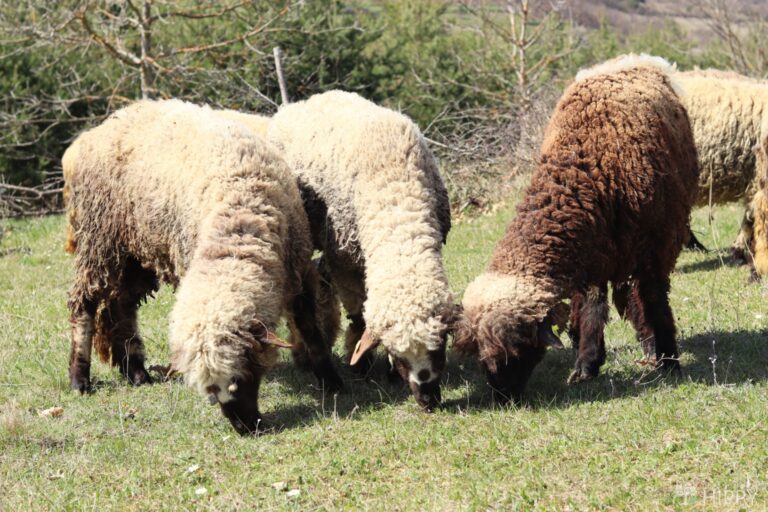
Is Your Property Set Up For Success?
Before you ever think of bringing your sheep home, your property had better be set up and ready to receive them.
Do you have a pen to put them in or some other enclosure? Do they have a shelter they can use for shade and to get out of the rain or snow? Do you have a barn if you have a large flock?
Are your fences set up to keep them in? And are they in good repair, because sheep can jump over them or push them over in some cases. Do you have a hay feeder, watering troughs that are adequate for sheep, and straw to put down for bedding?
Again, the excitement of bringing home your new fluffy friend is infectious and can dim your reason. But don’t give in to it! Make sure you have the red carpet rolled out for your flock before you go pick them up or have them delivered.
Have You Located a Good Local Breeder?
Okay, when it comes time to actually purchase your sheep, you’ll need to do some investigation of the breeders in your area.
The quality of the breeder or the care that the original owner has put into raising the animals will directly impact your own experience and life with them. Good sellers will happily and eagerly answer questions, and asking the right ones will give them a favorable opinion of you in turn.
If you’re purchasing from a breeder, they should be able to tell you everything about the sheep you’re thinking of buying, including the lineage, status of vaccinations, conditions they were raised in, and a whole lot more.
Ask them about how they treat their flock and why they do things the way they do. Any evasiveness, derision, or being too quick to change the subject is a warning sign.
If at all possible, you’ll want to go visit the seller to inspect their operation. Is the property in good repair and their animals in good health and clean? Are the animals for sale noticeably in better shape than the ones that aren’t?
This isn’t being suspicious, this is being prudent. Buying an animal that has been mistreated, ill-bred, or that’s in bad health is only going to lead to pain and misery for both of you. If you have any neighbors that own sheep or other animals, ask for good recommendations.
Did You Do Your Homework on Different Breeds?
On the subject of breeds, have you taken the time to research the ones that are available in your area?
If you want a fiber sheep for wool, you’ll want something like a Merino or a Suffolk, and not a meat breed like a Shetland or Southdown.
But, if you want a larger meat breed, the Shetland would be a poor choice because it is one of the smaller ones. A Texel would be better in that case.
Doing even a little bit of homework will help you zero in on the right breed for you, but I should point out that if you can, it’s best to pick from breeds that are readily available in your neck of the woods…
Sheep that are acclimated to your local area will typically be much healthier than ones you bring in from other regions. Some sheep do better in colder or wetter environments, while others handle heat and dryness better.
Do You Know How to Check Sheep Over Prior to Purchase?
Doing your due diligence prior to purchase is not just a matter of vetting and shaking down the breeder. You actually need to know what you are looking at on the animals themselves.
I’m not making light of it, but looking over a sheep is a lot like looking over a used car. You are searching for signs of neglect, damage, or pending problems.
Checking their eyes is especially important: the color of the conjunctive tissue around a sheep’s eye is indicative of parasite loads in the body, specifically because of the anemia it causes.
Red or salmon-colored tissue is good, pink is questionable, and a pale pink or white is bad. You can consult the FAMACHA card to help you easily identify these colors. Also, be on the lookout for discharge from the eyes or nose.
Checking a sheep’s hooves is equally important. Are the hooves in good shape? Is the sheep limping? Have they been trimmed recently, as evidenced by a smooth finish and lighter color?
Hoof rot is among the most common ailments that sheep will suffer from, and any, absolutely any indicators of discomfort, infection, or problems with the hooves or feet should be a disqualifier for purchase.
Do You Have the Right Tools, Supplies, and Equipment?
Again, if you have the idea that you’ll just bring your sheep home and turn them loose into the pasture, to interact with them only when you are giving them a treat, you’ve got another thing coming…
You’ll need plenty of tools and gear to properly care for your sheep, including some specialist items.
Blood stopping powder, also known as styptic powder, is a must, as is a drench gun, bloat treatment, rectal thermometer, and electric shears, assuming that you are going to be doing the shearing yourself.
You also want a good supply of grass hay, nutri-drench, and loose sheep minerals for supplementing their diet.
Are You Ready to Deal with Hygiene and Shearing?
I don’t know why this is, but so many owners I’ve talked to over the years admit that, when they first got started, they had this idea that sheep were much cleaner than other animals…
Oh, how wrong they were! Sheep aren’t pigs, but they still get dirty and messy like most barnyard critters.
The most basic hygienic practice you’ll have to undertake for the sake of your sheep is crutching them, giving them a sanitary shave around the backside, back of the legs, and going down under their belly and around the udder in the case of ewes.
This will prevent feces and urine from accumulating and matting down their wool. You’ll also periodically need to get rid of mud, debris, and little poop balls that will stick to their underside.
And of course, for all the fiber breeds that don’t have hair or naturally lose their fleeces, you’ll have to shear them.
This is non-negotiable, even if you don’t care about harvesting the wool itself: a sheep’s coat will grow continuously until it starts to block off their eyes and bodily orifices, a condition known as wool blindness.
Depending on the breed and various other factors, you’ll have to shear anywhere from once to twice a year. It’s not that hard, though it can be hectic and frustrating as a beginner. If you aren’t prepared or unwilling to do this, you’ll need to hire it out.
Have You Sought Out a Veterinarian?
The time to form a relationship with your veterinarian is not when trouble strikes or you find yourself and your precious sheep in the middle of a crisis.
Again, lay the groundwork before you bring the sheep home: seek out a skilled and experienced livestock vet, specifically one that has experience with sheep.
Call them, arrange a meeting and, if necessary, pay for that consultation. Discuss emergency procedures, checkups, and all the things you would ask any other doctor.
A good vet should be more than willing to answer your questions and establish contingency plans, particularly concerning visits to your homestead. Much of the time you won’t be able to easily move a grown sheep no matter what you do.
Are You Familiar with Sheep Parasites and Diseases?
Sheep tend to be quite healthy, but they are also particularly vulnerable to internal parasites. Barber pole worm is a notorious menace that you must know how to diagnose and treat. There are many others besides, but symptoms tend to be quite similar.
You’ll need to keep an eye out for other symptoms of various diseases, too. There are many to know about, too many to go over here, but you should be at least passingly familiar with the most common ones that your vet warns you about prior to getting your new flock settled in.
Are Predators an Issue in Your Area?
Last but not least, spare a moment to consider the predator situation in your area. Sheep are prey animals, and they are docile and largely incapable of defending themselves.
Coyotes, wolves, bears, mountain lions, even feral dogs can be a deadly and persistent threat to your flock.
You might live in a place where predator attacks are rare, or in a predator-dense area. Either way, you’ll need fences that are up to snuff and a plan for intercepting and repulsing these hostile animals before they hurt, maim, or kill your sheep.
This can be a complex and challenging process, but if predators are a major issue, consider getting in a livestock guardian dog or other animal.

Tim is a farm boy with vast experience on homesteads, and with survival and prepping. He lives a self-reliant lifestyle along with his aging mother in a quiet and very conservative little town in Ohio. He teaches folks about security, prepping and self-sufficiency not just through his witty writing, but also in person.
Find out more about Tim and the rest of the crew here.