
Chickens don’t take baths in water like other animals. Instead, they take a bath of sorts in dust, sand, or loose, dry dirt. This dust bathing is critically important for chickens since it helps their feathers stay in good shape, wards off external parasites, and, if you can believe it, helps them stay cleaner overall.
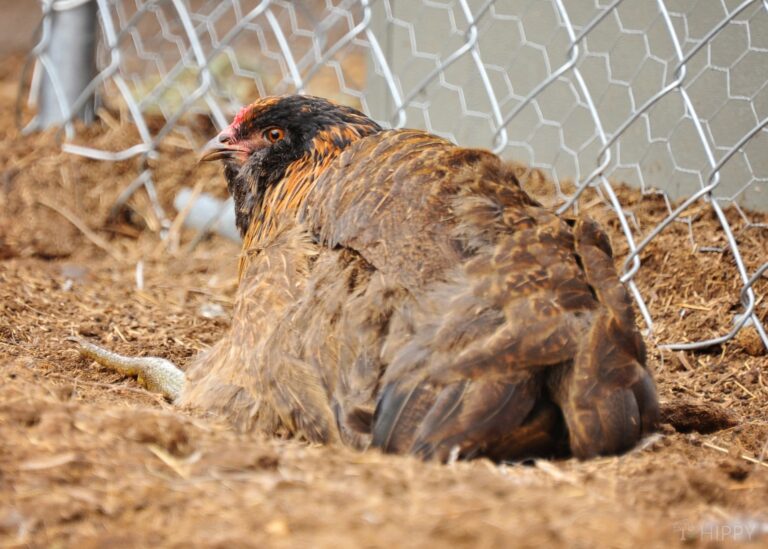
There are plenty of recipes on the internet for mixing up a great, purpose-made dust bath for your birds, but there’s one kind of ingredient you really should be adding: herbs.
All kinds of herbs can boost the benefits of a dust bath and dramatically improve the health, wellness, and happiness of your precious birds. These are a perfect inclusion if you grow them yourself and can be used fresh or dried, but dried is better (unless you want your birds to eat all the herbs in a heartbeat). Keep reading, and I’ll tell you about 10 of the very best.
Dandelion Leaf
As long as it hasn’t been treated with any sort of herbicide, you can repurpose this annoying weed as a stellar dust bath mix-in. This tough and tenacious plant can really do it all!
It has a fresh, almost soapy fragrance when crushed or shredded, has insect-repelling properties, and it’s even a great source of nutrition for birds that want to steal a little bite or two. Yes, chickens will scratch around in their dust bath looking for choice morsels.
Bay Leaf
Bay leaf is a curious herb. It adds an indefinable something to recipes that call for it, but you never want to leave it in your food prior to serving. Another curious thing about it is that chickens seem to have a powerful attraction to it. It’s almost like catnip for them!
Mixing coarsely ground, dried bay leaf into your dust bath recipe will help your feathered friends stay calm and happy, which is always a benefit when it comes to productivity and health.
More than that—and arguably more importantly—the essential compounds present in bay leaves function as a wide-spectrum antibacterial and antifungal agent.
This will help the dust bath stay clean and fresh longer and prevent these germs from affecting the flock.
Peppermint
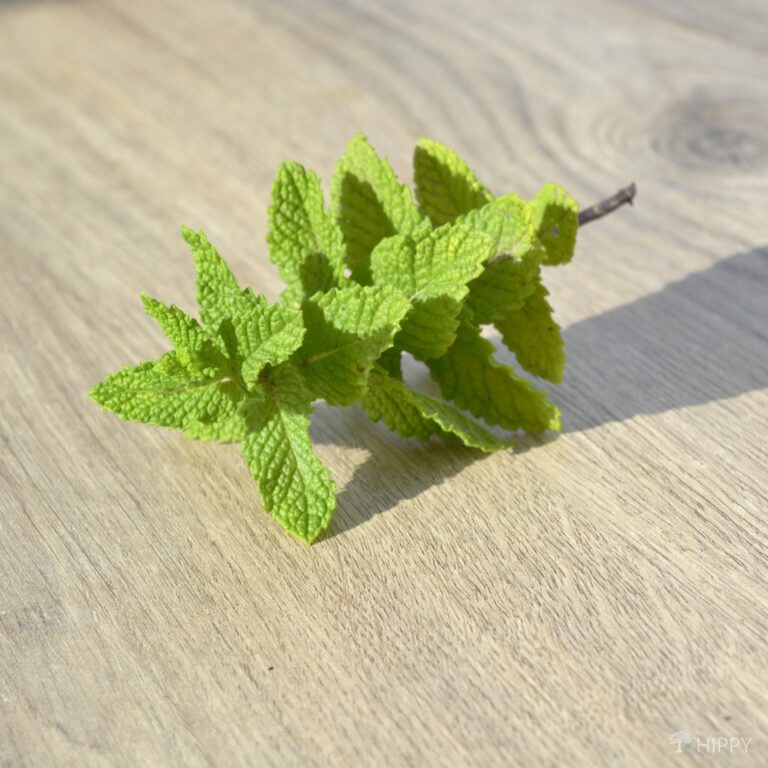
The fresh, airy smell of peppermint is virtually synonymous with cleanliness. It won’t necessarily help your chickens get cleaner when they dust bathe with it, but it will help them smell better and feel better. That’s because peppermint contains menthol, a powerful and naturally occurring insecticide.
Adding minced fresh or ground, dried peppermint leaves to your birds’ usual dust bath will repel or potentially even kill fleas, mites, and other blood-sucking critters. It can also help deal with minor infestations before they get out of control. That’s a huge win for such a simple addition!
Exposure to the potent aroma of peppermint and other mint varieties is also thought to benefit respiratory health in chickens by promoting clear sinuses. Considering how easy it is to grow mint, it’s the perfect regular add-in to your typical dust bath mix.

Lavender
Lavender is a well-known, but sometimes contentious, herb routinely used in aromatherapy. That’s because lavender is said to be naturally calming and soothing, though some people are repulsed by its vaguely “medicinal” aroma.
Whether you love it or can’t stand it, it’s been my experience that it really does help chickens stay calm. If your birds are stressed out for whatever reason, adding lavender to the dust bath mix can help them relax.
This isn’t just a nice thing to do for them, though it’s definitely that. Calm, relaxed chickens lay more eggs, grow more quickly, and resist illness better, meaning your flock will stay more productive overall.
Another nice perk of lavender is that the aromatic compounds it contains are a type of natural antiseptic, something that can help reduce germs present in the dust bath and on the bodies of your birds.
Rose Petals
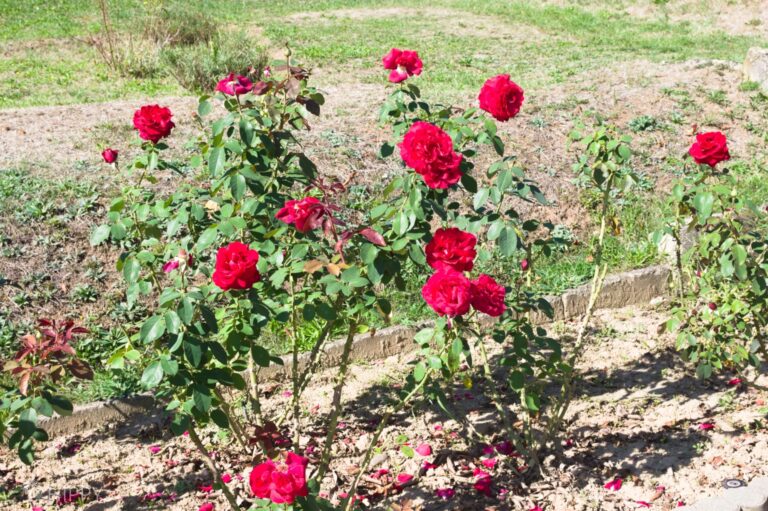
It might look over the top, maybe even silly, but adding delicate, romantic rose petals to your birds’ dust bath is just the ticket for promoting calm and relaxation.
I honestly don’t know if people first started doing this for the laughs or Internet clout and coincidentally figured out that it had an actual benefit, or if the old timers knew better to begin with and young folks just got a kick out of it.
Either way, if you’ve got wild roses or cultivated ones that you don’t mind harvesting for the job, your chickens can certainly benefit from it. One more thing: fresh is best here, but most chickens I’ve known love to eat roses, so expect the petals to disappear over time!
Basil
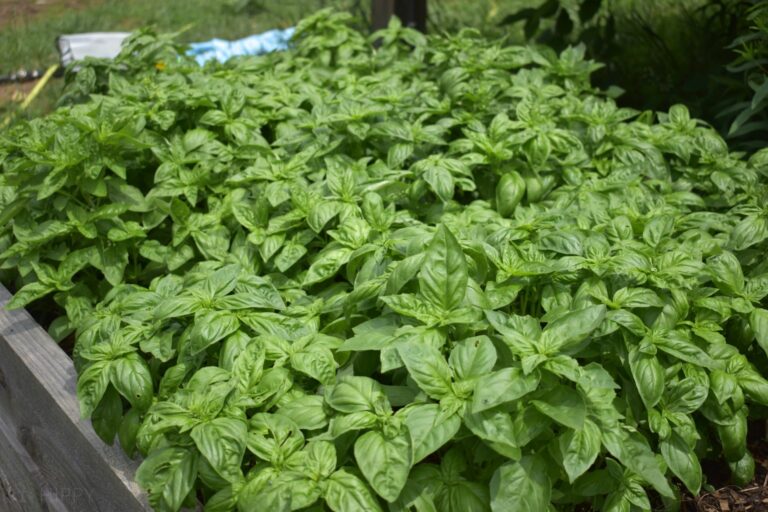
Basil is a tremendous choice for a dust bath herb. It smells great, for starters, with a pleasant, distinct aroma that isn’t off-putting or overpowering. It’s the perfect choice for helping these sometimes stinky birds stay fresh.
Basil is also a double-duty option: the volatile compounds that give it that great fragrance and flavor in dishes also serve as a natural antibacterial agent and a strong insecticide. There’s a reason most garden pests avoid the stuff when it’s growing!
These benefits will help the usual bathing spot stay a little cleaner, fresher, and pest-free, while also providing the same benefits directly for your birds.
Thyme
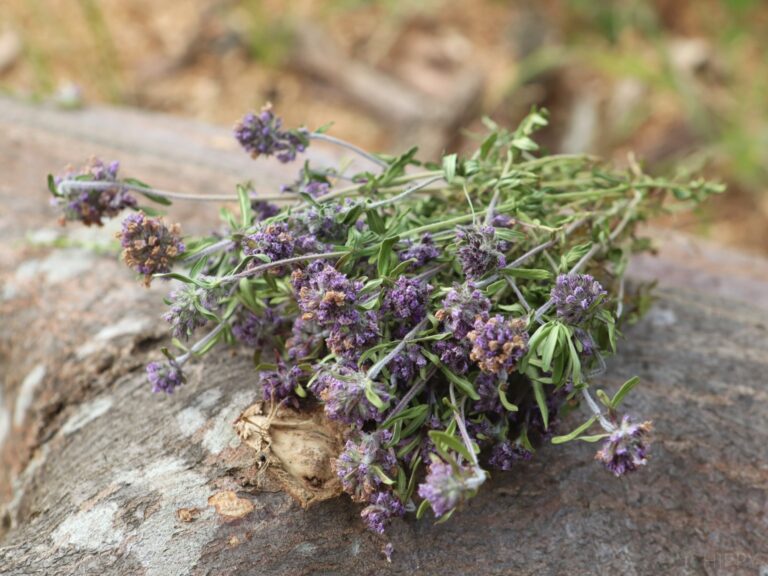
The earthy, slightly sweet fragrance of thyme doesn’t smell quite like anything else, but much like several of the other herbs on our list, it can provide a host of benefits for your flock.
Thyme is a particularly effective repellent of common chicken parasites like fleas, mites, lice, and even ticks. Considering that these creatures, more than any other, are likely to plague your birds, thyme should be high on your list of inclusions in a dust bath mixture.
Fresh thyme is also one of the most effective ways to lower germ counts in the bath itself; the oils it releases are quite powerful, though they break down quickly.
Your best bet: harvest fresh thyme, grind or tear it into small pieces, and thoroughly stir it into the mix before putting it out. Repeat as needed and you can leave the old pieces in there to dry out harmlessly.
Bee Balm
Bee balm is one of the very, very best herbs on our list: it smells amazing, fights germs, and also soothes frazzled nerves. It’s the total package, and to make it even better, you can include it dried or fresh-picked and expect good results.
If you want to go with the fresh version, though, just make sure you crush or shred the leaves to release the natural oils inside the plant tissues.
Chamomile
A super versatile choice among dust bath herbs, chamomile is calming, soothing, and sweet-smelling whether it is fresh or dried.
It will help the whole run smell better, and it will certainly help your chickens smell just a little bit fresher. As expected, it will also help to relieve stress and keep the flock calm.
Chamomile is also noted as one of the best nesting box herbs because it promotes higher productivity and better overall egg health in laying hens.
And as sweet and nice as it is, chamomile is yet another choice on our list with antiseptic, germ-fighting qualities.
Rosemary
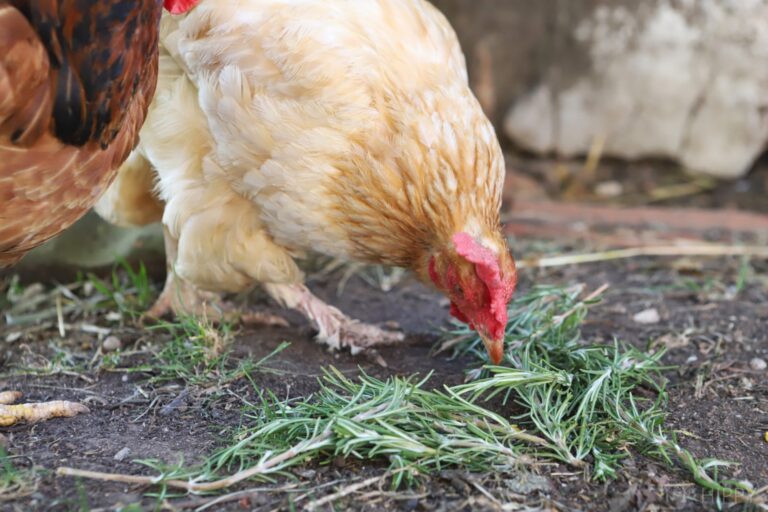
We saved the best for last. Other herbs might arguably smell better than rosemary, but none offers as many total benefits.
The volatile compounds in rosemary, whether fresh or dried, have proven and powerful antibacterial and antifungal qualities. Plus, they repel all kinds of insects, help keep birds calm, and can even help improve overall circulatory health in chickens. Truly remarkable stuff! If you’re only going to add one herb to the dust bath recipe, make it rosemary.

Tim is a farm boy with vast experience on homesteads, and with survival and prepping. He lives a self-reliant lifestyle along with his aging mother in a quiet and very conservative little town in Ohio. He teaches folks about security, prepping and self-sufficiency not just through his witty writing, but also in person.
Find out more about Tim and the rest of the crew here.