
Magnesium is really important for the overall health and well-being of your chickens. Magnesium is foundational for bone health, muscle and nervous system function, egg production in laying hens and hundreds and hundreds of enzyme reactions throughout their body. Your birds will not fare well without enough magnesium!

Many diligent folks ensure that their flock gets enough through supplementation, strategically adding bone or fish meal or even oyster shell to their usual feed.
But you might avoid going this route by giving your birds an adequate supply of fresh, magnesium-rich foods. I can save you a little money, a little more effort and keep them healthy all at the same time. Keep reading and I’ll tell you all about 10 excellent magnesium rich foods that your birds will love below.
Kale
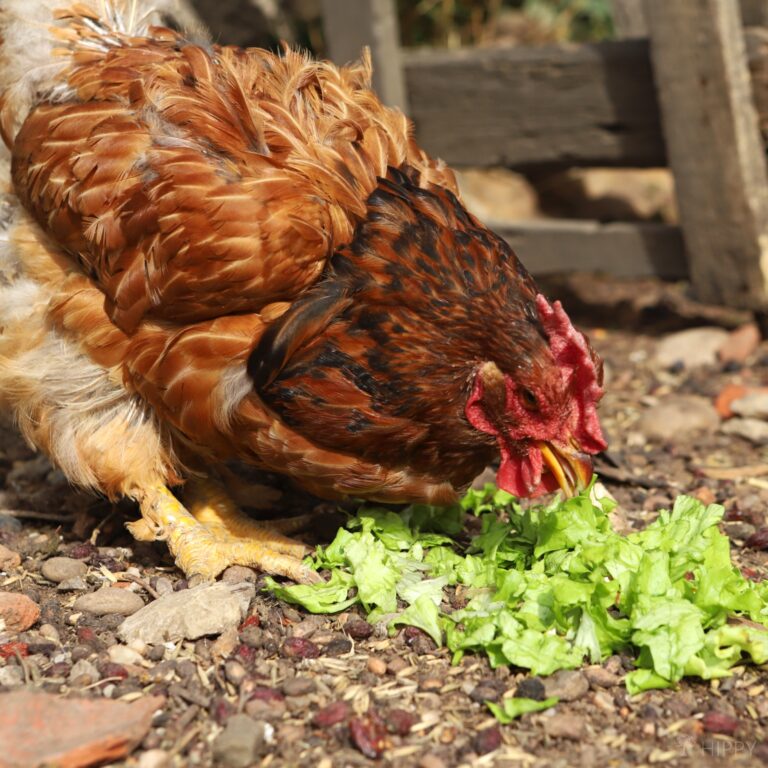
Kale is a fantastic magnesium source for poultry birds, and a great choice for supporting healthy bones and enzyme function. This nutrient-packed leafy green also helps to keep eggshells strong.
To make sure your birds will scarf it up, chop fresh kale finely or hang whole stalks upside down in the coop to let them peck at it. Offer it only once, maybe twice weekly: don’t overdo it! This is due to high oxalate content which can subsequently mess with calcium absorption.
Pumpkin Seeds
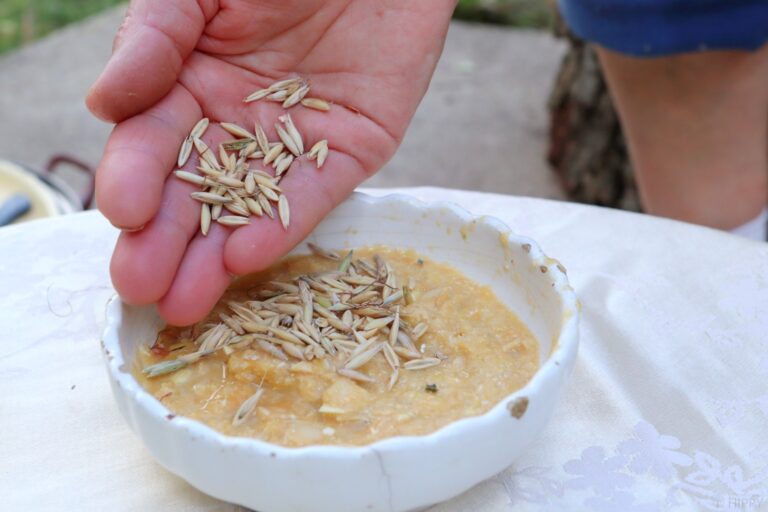
Pumpkin seeds are a favored treat by many chickens, and all are loaded with magnesium. They are perfect for boosting your chickens’ energy and also supporting good nerve health.
Serve them whole to large breeds or crushed for smaller chickens to avoid crop and gizzard trouble. Mixed into feed or scattered for foraging according to your preference. Your birds will go crazy for them, most likely, but a little goes a long way here.
Limit intake to a small handful daily because these seeds are very calorie dense, and keep in mind that all parts of the pumpkin are edible. Always store pumpkin, and other, seeds in a cool, dry place to prevent rancidity.
Sunflower Seeds
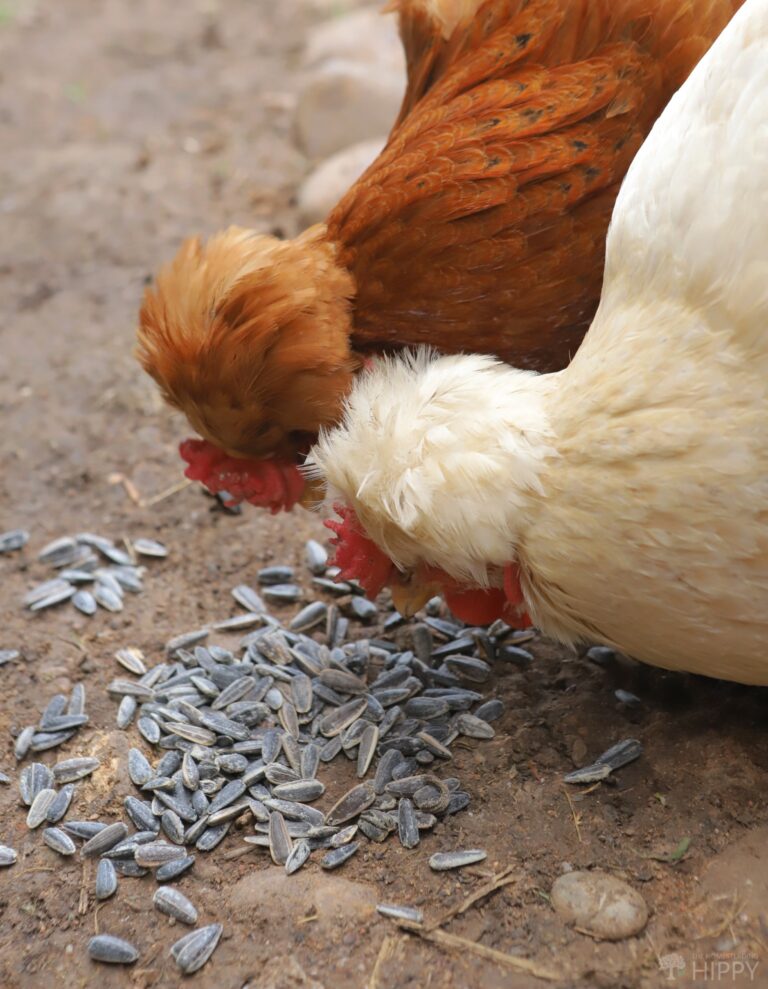
Sunflower seeds also deliver a hefty dose of magnesium along with loads of other vitamins and minerals, aiding chickens’ muscle function and helping to tame stress.
Birds love these tasty seeds too, and you can offer them whole or coarsely ground, sprinkled over their usual feed or tossed out to them on the ground.
Again, keep the portions small, no more than a tablespoon per adult bird a couple of times a week at most to ensure a balanced diet. Note: never, ever serve salted or flavored sunflower seeds to your flock! Plain and unsalted only!
Alfalfa Sprouts
Alfalfa sprouts are protein-packed and contain tons of magnesium, and they are an especially good food for skeletal, nervous system and reproductive health. Now, the sprouts are liked by most chickens and they will happily eat them up fresh or mixed with other food.
Grow your own fresh sprouts at home to save money, and you can pick and then scatter a small handful to your flock daily. Be careful to avoid moldy or musty sprouts: these can host mold that can sicken or even kill unsuspecting chickens! Introduce alfalfa sprouts gradually to ensure your birds take to them without upsetting their digestive system.

Oats
Seemingly all livestock animals love oats and chickens are no exception. Oats bring a good amount of magnesium to your flock’s menu, and are a hearty, natural food that’s perfect for pickier specimens. Serve whole or rolled oats mixed into feed or soaked in water for a little while prior to aid digestion.
Offer up to a couple of tablespoons per bird, total, weekly. Again, ensure oats are free of any additives, sugar, or other flavorings – no instant oatmeal nonsense. Oats are highly vulnerable to mold, so keep them totally dry to maintain safety.
Kelp
Kelp might sound like an odd option for chickens – and it is – but this seaweed is a mineral powerhouse, and among the richest foods in magnesium content. This slimy stuff supports extra-strong eggshells and is easily served whole and dried or in powdered form.
Mix into their feed for best results, starting with around a teaspoon per adult bird weekly. Buy only a small quantity to try at first; the strong flavor can put some chickens off of it. You should only ever source high-quality, food-grade kelp for your flock to avoid contaminants; don’t pull this stuff right from the sea.
Broccoli
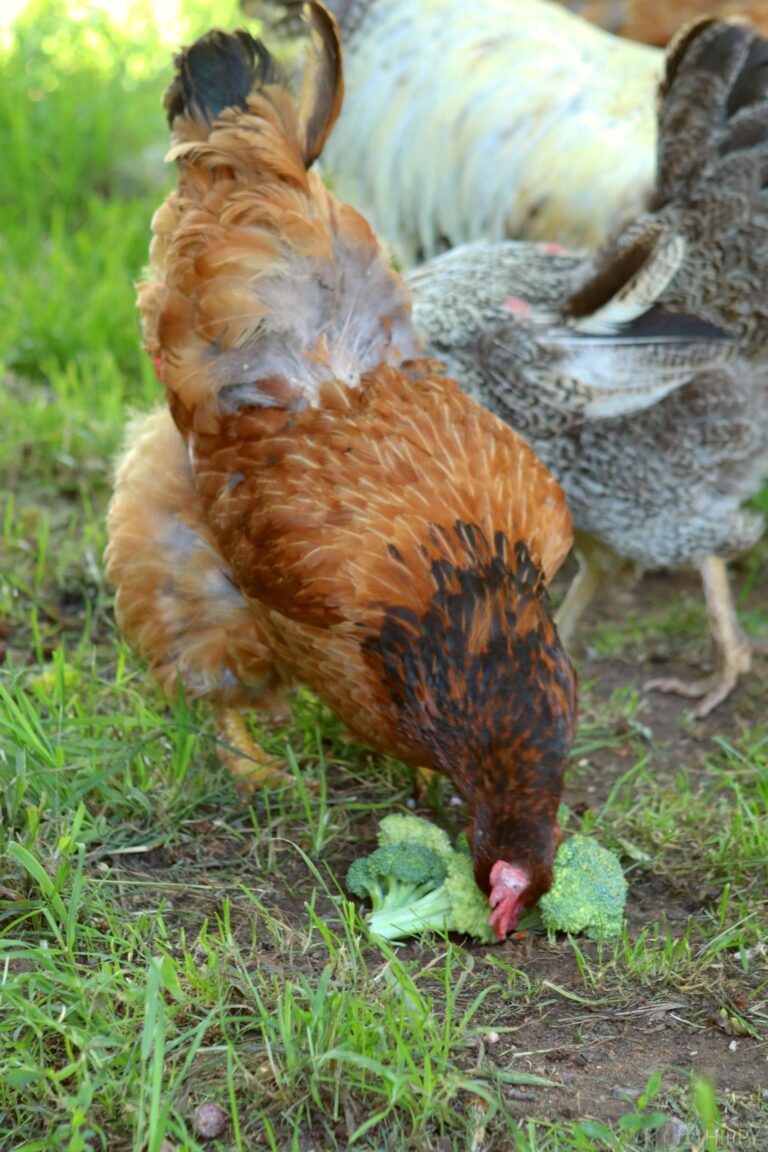
Everyone’s favorite (or most hated) veggie at dinnertime is a solid choice for chickens. Broccoli offers a good magnesium profile and many other nutrients besides. Its crisp-tender texture is highly appealing to most chickens and they will gladly gobble it up served raw or, if preferred, lightly steamed. Consider hanging it so they get some exercise while pecking at it.
Give a few pieces per bird weekly, taking care that they keep eating their feed as usual. If possible, only give your birds pesticide-free organic broccoli; common supermarket offerings are heavily dosed. Overfeeding broccoli can lead to diarrhea, so mind the quantity.
Dandelion Greens
Dandelion greens are no mere weed; these bright, cheery flowers are a veritable superfood, one with plenty of magnesium, and ideal for promoting vitality and health in chicks and adult birds. Great as forage so long as they haven’t been hit with herbicides, they are irresistible to many birds and you can let them eat up when free-ranging.
Alternately, harvest them fresh and roughly chop or offer whole for pecking. If serving as supplement, feed a handful a few times weekly. Again, I warn you to only serve your flock dandelions that you know are free from harmful chemicals.
Stinging Nettle
Stinging nettle sure lives up to the name if handled carelessly, but did you know that it has been a healthy food for humans and many animals for centuries? It’s true! The leaves provide loads of vitamins and a decent shot of magnesium to help support nerve health and muscular function.
The trick is to prepare them properly: Dry out or hard-boil leaves to neutralize the stinging hairs, then simply stir or crumble into your birds’ usual feed. Alternately dried leaves can be roughly crushed and scattered. Aim for a small handful, per chicken, per week. Start smaller than that to check for digestive upset.
Quinoa
Quinoa is renowned for being one of the most complete vegetarian proteins, one that is magnesium-rich enough to earn a spot on our list. This seed (not a true grain!) is a nutritious treat chickens will eat eagerly, enhancing egg production along with bone health and many other benefits.
Gently steam or boil it to improve digestibility or let it sprout to make it even more appealing to your flock. Serve as is or mix into feed, serving once or twice on a weekly basis.
I recommend you avoid giving raw quinoa to chickens due to potential crop and gizzard trouble; it has a tendency to cause stoppages. Treat it like a grain for storage purposes: keep it dry and keep a close eye out for mold and rancidity.

Tim is a farm boy with vast experience on homesteads, and with survival and prepping. He lives a self-reliant lifestyle along with his aging mother in a quiet and very conservative little town in Ohio. He teaches folks about security, prepping and self-sufficiency not just through his witty writing, but also in person.
Find out more about Tim and the rest of the crew here.