
Mice start out as a very small problem when they get in your house, but they quickly turn into a big one. They reproduce extremely quickly, and each and every mouse that is born will spread disease through your home, chew on wires, punch holes in your walls, spoil food and generally be a giant pain in the ass out of all proportion with their miniscule size.

I’ve written several articles before about dealing with mice once they set up shop, but you’re going to be a lot better off if you can prevent them from moving in in the first place.
Today I’m bringing you a list of 16 proven mouse repellents that will actually work to drive mice out and away from your home.
Moth Balls
Mothballs are an old timer’s trick from way back for repelling mice and other rodents. Mothballs contain naphtha and other ingredients which are absolutely repulsive, even painful, to the incredibly sensitive and delicate noses of mice.
Better yet, compared to poisons and traps, these are a whole lot cheaper, quicker and easier to set and you can place them anywhere that you even suspect they might be needed.
Now, mothballs are not ultimately a set-it-and-forget-it repellent, as the volatile compounds they contain will break down and wear out over time.
You’ll have to replace them every month or so, or more often in hot humid weather, but this is generally a small price to pay, and they work quite well, especially in enclosed spaces.
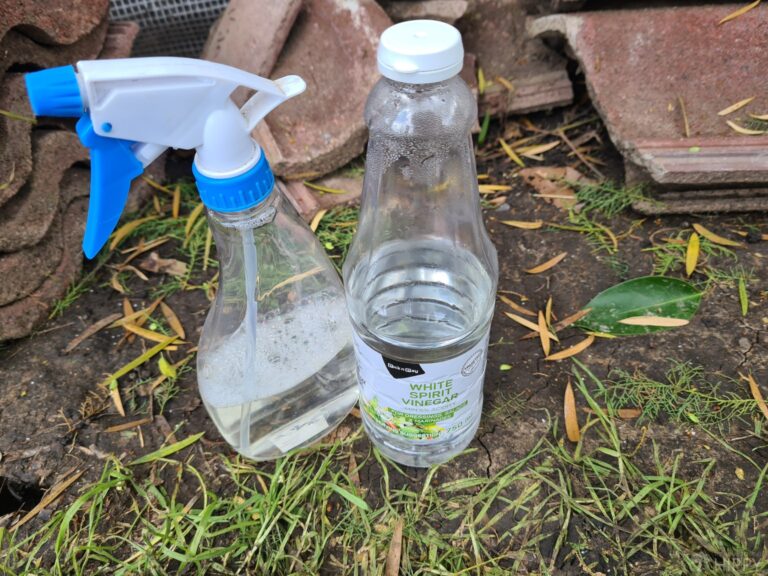
White Vinegar
White vinegar is already a homesteader’s best friend, being commonly used in the kitchen and also around the home for cleaning, sanitizing, freshening and a whole lot more. And because it’s on this list, you can add one more use to that repertoire and the form of a mouse repellent.
The pungent acidity of white vinegar makes it another great option for driving out mice, although it is not quite as powerful as mothballs above and works best to deter them from getting in.
It also has another downside in the fact that it tends to evaporate fairly quickly. Overcome this by soaking cotton balls in white vinegar to be placed in strategic locations or leaving small dishes of it around that will last for a while…
Peppermint Oil
If you want to freshen up your place while making things hell for mice, reach for pure peppermint essential oil. The bracing, minty smell of peppermint is attractive to us but noxious to many animals, including mice. A strong width of this stuff can really knock them for a loop!
Compared to vinegar above, oil is more versatile and longer lasting…
You can drizzle it on any surfaces that you know mice tend to frequent, spray it on walls and boards or at entrances, or soak cotton balls in it as above and scatter them around to blanket an area with mouse-repelling power. And though it is eye-watering, it isn’t directly harmful to other animals.
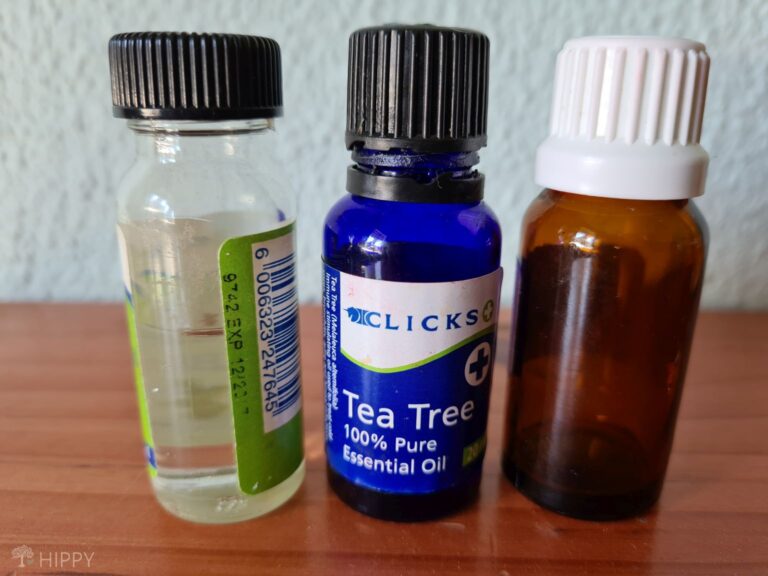
Tea Tree Oil
Tea tree oil works very much like peppermint oil for repelling mice. It has a sharp, almost resinous odor that is a love-it-or-leave-it fragrance when it comes to people, but it is universally despised by mice.
Even better, tea tree oil has potent antiseptic properties, and this can make it a good choice for spraying around areas where you know mice have been traveling. It just might give you a leg up on any possible diseases that could be spreading…
Just like peppermint oil above, you can use it directly in liquid form or soak cotton balls or other cloths with it to be placed in strategic areas.
Clove Oil
Clove oil is yet another essential oil that is absolutely intolerable to rodents, and it is one with very powerful germ-killing capability.
The only downside to clove oil is that it does not smell quite as attractive as tea tree and peppermint oil. This shouldn’t stop you from using it if you have it on hand or if it’s more affordable though, because it is still a safe and environmentally friendly option.
Just as before, you can spritz it anywhere that it is required with a mister, drizzle it, wipe it or make repellent balls using swabs, cotton balls or scraps of cloth. And it just like the other oils and vinegar above, make sure you reapply periodically because it will break down and wear out over time.
Red Pepper Flakes
Red pepper flakes are basically dried out, tiny pieces and seeds from spicy, hot peppers of various kinds.
Hot peppers are hot because they contain capsaicin, a compound that stimulates pain and heat receptors in mammals. You already know where this is going, don’t you?
Mice, having incredibly sensitive noses, are highly vulnerable to the spicy sting of red peppers, and though it won’t truly hurt them it will drive them crazy- and hopefully drive them away.
You can sprinkle red pepper flakes in out-of-the-way areas where they will hopefully keep mice from passing, or you can turn it into a solution for spraying like the oils above by soaking them in oil or vinegar before straining and then pouring the solution into a spray bottle.
Spray as normal, but take care not to get it in your eyes or inhale it!
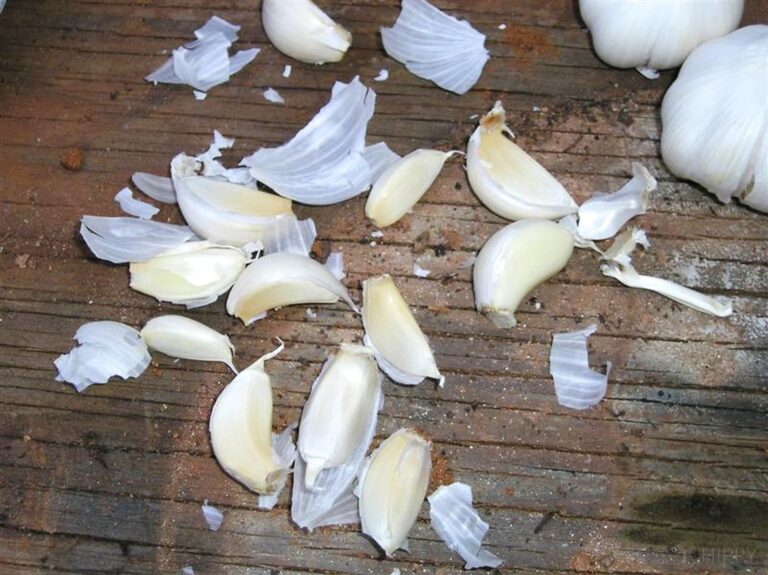
Garlic
Probably the most indispensable kitchen ingredient used around the world, and a staple in all kinds of cuisine, the versatility and indefinable flavor of garlic needs no introduction.
And as you might have guessed already, mice have a very, very different opinion about it compared to most people! Garlic is extremely pungent, and apparently mice can’t stand it at all.
You can make small sachets of garlic by grating fresh stuff and then loading it into a tea bag. Place these sachets anywhere you would use other repellents on this list, including known entrances in areas of habitation, nesting sites and former areas where mouse activity or traffic was high.
You might not like smelling this stuff yourself, though, so consider using it in locations where you can’t catch a whiff.
La Torre’s Critter Out
One over-the-counter product, and one of the very best out there, Critter Out is exactly what it says on the jug.
This specially formulated non-toxic rodent repellent works on mice and rats, yes, but also on all kinds of other animals besides like raccoons and opossums. It usually comes in a large jug with a built-in sprayer wand that makes it a cinch to apply.
Made with a ferocious blend of peppermint and many other mouse-repelling oils like clove, garlic, lemongrass and white pepper, this stuff is a total assault on their senses and in my experience works amazingly.
It’s a cinch to apply and reapply, and I appreciate the fact that it is non-toxic and indeed safe for animals (pets, as well as the ones that it repels) despite being so effective.
If you don’t want to mess around with your own homebrew solution, spend a little bit of money and get this stuff and then you can thank me later. Use liberally anywhere that you think mice might be, have been or could get in.
Used Kitty Litter
Far and away the nastiest option on our list, but an effective one in the right circumstances, is to place scoops of used kitty litter anywhere that you think mice might be hiding or passing by.
Mice are about as low on the food chain as it gets, and some of their most persistent and prolific predators are cats. Accordingly, mice are very sensitive to and fearful about the presence of cats. This includes being alert to the smell of their poop and pee.
Assuming it isn’t going to stink up your home, you might be able to place used kitty litter outside in strategic places or maybe even underneath your home to make mice think twice.
Cat Urine
Just like using kitty litter above, cat urine can be applied directly as a mouse repellent. It is a natural one, but that doesn’t mean it isn’t gross!
Chances are good you won’t be able to get your own cat to cooperate for this endeavor, but you can source cat urine online typically in the form of a specialty “predator” rodent repellent. Hold your nose, spray, and walk away.
Remember to reapply now and then, if you can stomach it!
Steel Wool
Telling mice in no uncertain terms that they cannot pass is indeed a form of repellent. But mice are tricky in this way: They can go anywhere, or almost anywhere, because they can squeeze through openings that are scarcely the size of a dime! Hard to believe, but true!
This means that larger openings are basically a red carpet for them, one you should close up using steel wool and caulk or other adhesive to hold it in place.
Though they are tiny, mice are extraordinarily good chewers and their teeth are coated with a naturally occurring iron. This means they can chew through nearly anything but that does not include metal!
Steel wool will make chewing unbearable for them and that means they won’t try to get in that way anymore.
Expanding Foam
Your other best tool for keeping mice out of your home is to use expanding foam. A little shot of this stuff will swell up too many times its original size and completely seal cracks, crevices, openings and voids, making it much less attractive for mice that might be looking for an easy and painless way in.
Now, depending on the type they might still be able to chew through this stuff, but you can use it in conjunction with steel wool above or wadded-up metal screen mesh to stop that from happening.
Extra Tips
Get Rid of Nesting Sites and “Highways” Outside
Not technically a repellent per se, but nonetheless an effective way to repel mice. Spending a little bit of time cleaning up around your home can dramatically cut down on the number of mice that get inside. This is because most don’t travel that far from where they live as a rule.
Getting rid of brush piles, keeping your grass cut short, raking up leaves and things like that can eliminate nesting sites and the little hidden “highways” that mice use to move around safely and in confidence.
When mice feel exposed to view, they know they are often only moments away from death at the clutches of some bird of prey or feline, and so usually won’t chance it. If they cannot get to your house under cover, they’ll probably stay away…
Eliminate Food Sources
Likewise, mice are always on the lookout for food, especially easy sources of food they can snag and run off with.
If you leave bowls of pet food out on the porch, have mounds of bird seed left over under the feeder, grow garden veggies, have flower buds in window planters, and things like that, those are all an open invitation for mice to eat and run. In time, they might come inside looking for more!
Anything that you can do to reduce the amount of food that is available to them, or at the very least the amount of food that is near your house, will cut down on the ones that make it inside and set up shop.
Remove Water Sources
This goes hand in hand with removing sources of food above. Mice are tiny and will make use of even droplets of water to drink, but if you have any standing water from dripping hoses or faucets, planters, pet water bowls and so forth that is likewise a high-priority resource for mice.
Get rid of them if you can, and the mice will be forced to look elsewhere for their survival needs. Don’t feel bad for them; it’s not your problem!
Keep Your House and Property Clean
Rodents are associated with filth for a reason. That’s because they invariably turn up in filthy places.
I’ll spare you the lecture about why this is, but suffice it to say if you are living in a pigsty, or if your property outside of your house is a pit, you’re going to have rodents running around all over the place.
Keeping things clean and tidy, or at least as clean as possible will reduce rodent populations in conjunction with other control efforts.
I know it’s the last thing that most people want to do, especially when there’s so much work to be done elsewhere, but spending the time to tidy up, clean up and sanitize your space will make things less hospitable to mice overall.

Tim is a farm boy with vast experience on homesteads, and with survival and prepping. He lives a self-reliant lifestyle along with his aging mother in a quiet and very conservative little town in Ohio. He teaches folks about security, prepping and self-sufficiency not just through his witty writing, but also in person.
Find out more about Tim and the rest of the crew here.
Is the la torres actually deer outs critter out? Cant find any brand names la torres..
I spent two weeks in a CO mountain cabin where mice were plentiful. A friend recommended eliminating any water source. I tied a plastic bag around kitchen faucet and dried the sink. Turds reduced to almost none in two days.