
For so many gardeners, herbs are how they got started with the practice. That’s how I got started, at least! You start with a little window box in the kitchen, almost as a novelty, and before you know it, you’re growing herbs year-round.

Aside from being easy to grow and something you can enjoy every day, fresh, garden-grown herbs blow grocery-store-bought counterparts right out of the water when it comes to flavor.
The trick with herbs is that many have radically differing requirements when it comes to soil, sun, and water, so you have to dedicate a lot of space to them. That is, you **will—**unless you know about complementary pairings that can share the same space.
Keep reading and I’ll tell you about 10 such matchups that will save you time, effort, and space in your herb garden.
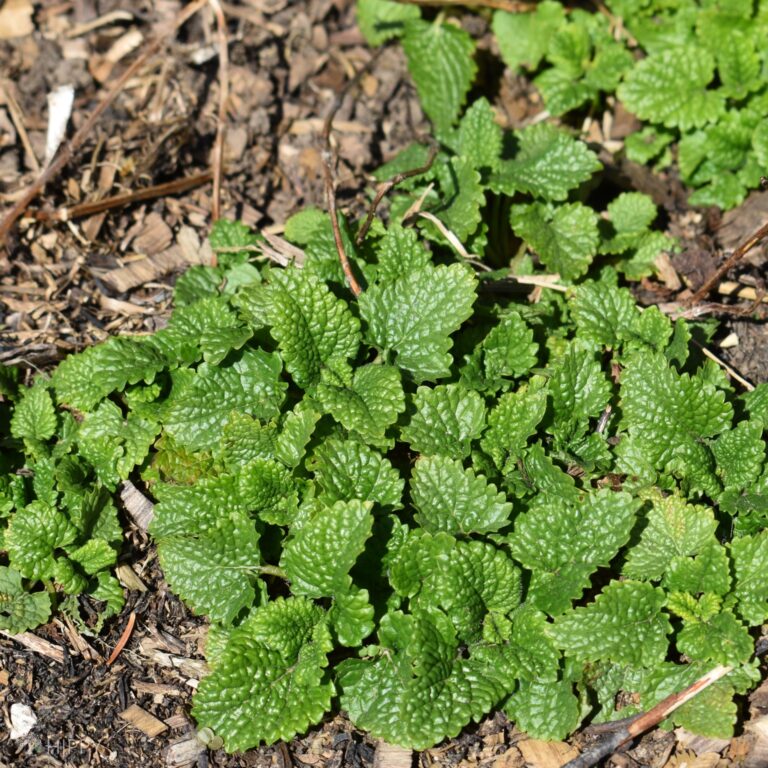
Lemon Balm and Mint
A powerfully aromatic combination, lemon balm and mint are two herbs that have a checkered reputation in the garden. This is because both grow very quickly, spread just as fast, and will overtake neighboring plants voraciously, choking them out.
Curiously, lemon balm and mint do just fine when planted next to each other and have nearly identical growth requirements: water them often, give them a little bit of shade, and make sure they start off in nutritious, fortified soil.
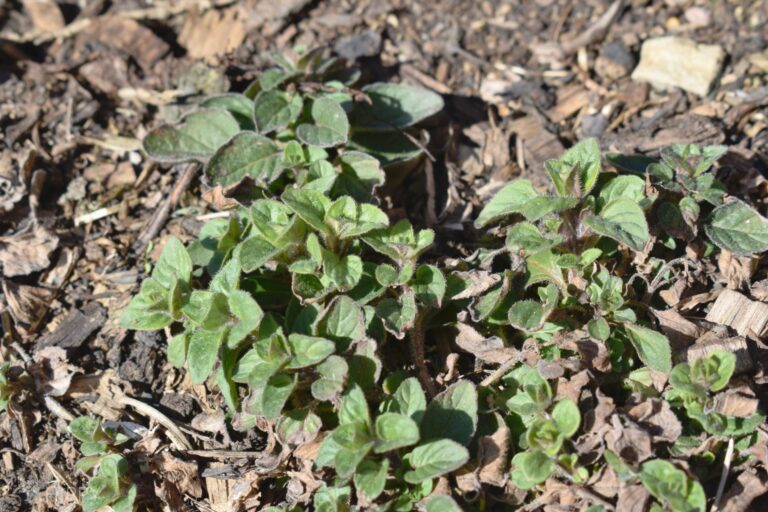
Oregano and Basil
Two herbs that no home chef can be without! If Italian or Mediterranean dishes are what you are after, it doesn’t get any better than oregano and basil.
Both are wonderfully complementary in all kinds of recipes, but you might not know that they make great neighbors in a container or planted right in the ground.
The soil should be highly fertile since both plants are big eaters and also well-draining. Protect them from frost during cold weather if you want them to survive, and give your basil a little more water than the oregano.
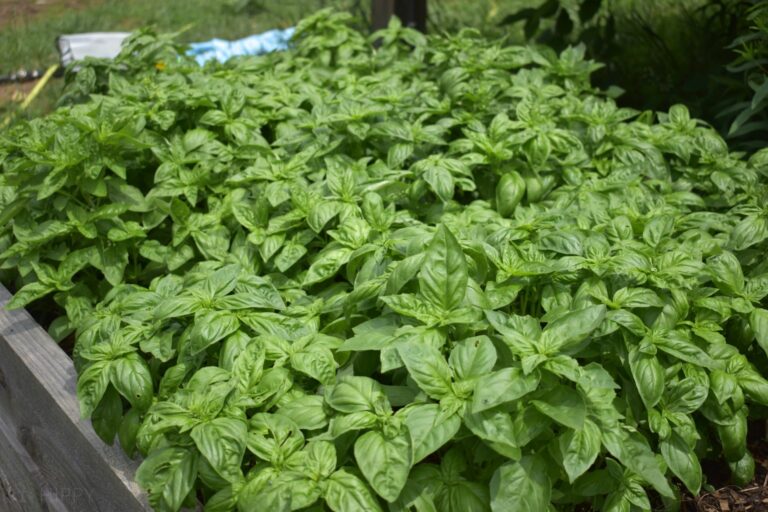
Basil and Parsley
An underrated herbal pairing in America if there ever was one, parsley and basil have nearly identical water requirements, need lots of sun, and thrive in loose, fertile soil. Not quite as ubiquitous as basil and oregano, there are still lots of bright, fresh recipes that call for both herbs.
This is a particularly good container planting pairing for a sunny kitchen windowsill or sunroom.
Fennel and Tarragon
Two herbs that are divisive, and in two ways. First, when it comes to flavor, both are a love-it-or-leave-it proposition.
Second, both of these herbs have a mildly infamous reputation with gardeners because they can interfere with the growth of other nearby plants—tarragon because it can strangle, and fennel because it releases a compound which can stunt root growth.
Thankfully, neither factor is a problem when growing both herbs next to each other, and they even have similar care requirements: a modest amount of water, loads of sun, and loamy, well-drained soil.
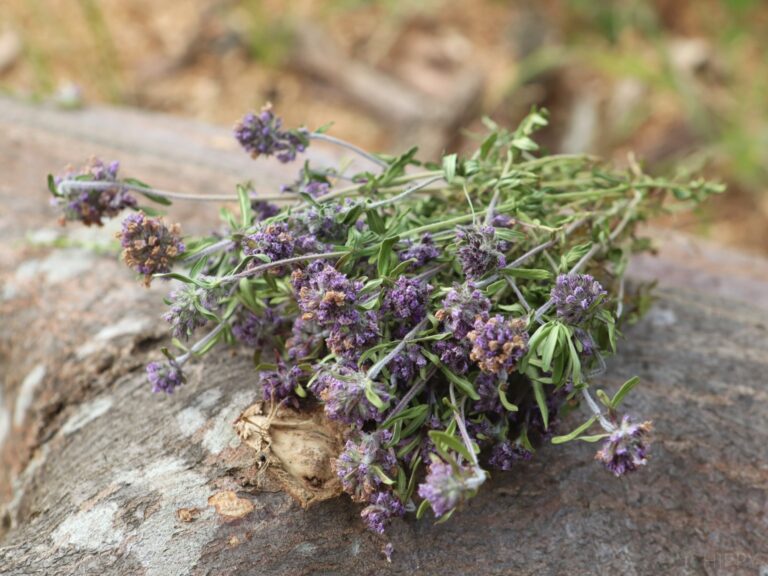
Thyme and Rosemary
You’ll always have an easy time planting thyme and rosemary together: both crave dry soil and loads of sun, and they can go quite a while without watering.
If you have them in the same container and need to leave them for a little while, or, like me, you tend to be a little forgetful when it comes to caring for your plants, these two won’t let you down.
Even their growth habit is complementary; rosemary is taller and bushier, while thyme serves as a lower-growing ground cover which works to suppress weeds. Best of all, both herbs work wonderfully together in many different dishes, especially in sauces and on chicken or turkey.
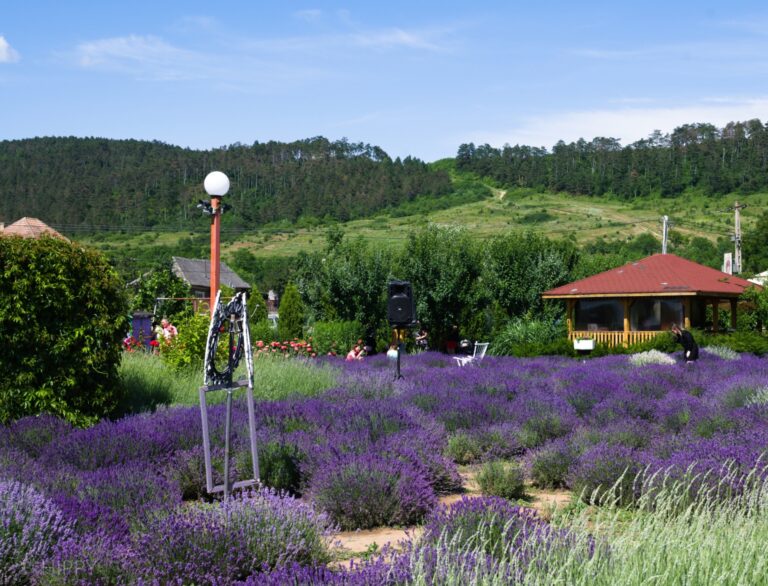
Rosemary and Lavender
It doesn’t get more aromatic than this. Rosemary and lavender have nearly identical sunlight requirements, and both also do best in the same type of soil: well-drained, alkaline, and loose.
Both also need lots of light and just a little bit of water, meaning they are a perfect container planting or the ideal duo to put on a south-facing row in your garden or elsewhere on your property.
Together, these herbs also help to repel many harmful insects, including grubs, flies, and other critters that can slaughter your plants. They don’t work together too well in recipes, but if you have aromatherapy purposes in mind for them, you’ll be all set.
Oregano and Lavender
Oregano is one of the most loved kitchen herbs, used around the world in all kinds of cuisine. Both it and lavender are considered Mediterranean in origin, and so it isn’t much of a surprise that they have such similar growth requirements.
Stick both herbs in loose, well-draining sandy soil and give them plenty of sun. Most varieties need at least 8 hours per day.
This is not a pairing you’ll use very often in the kitchen—**not together, anyway—**but both have beneficial properties for your garden; oregano is another powerful pest repellent.
Lavender and Thyme
Turns out there are a lot of herbs that lavender can grow well with! Thyme is one. Very much like lavender and rosemary, discussed just above, thyme and lavender get along famously well because their soil, water, and sun requirements are very similar.
Another benefit to pairing up these two is that both herbs are quite resistant to cold temperatures and even frost, and, being perennials, they will come back year after year if you winterize them. Mulch around their roots heavily and consider giving them row covers if the winter looks particularly harsh.
Thyme and Marjoram
Marjoram is often confused with oregano, and though the two herbs are very similar, they are botanically distinct. I’ll spare you the lecture, but suffice it to say that marjoram and thyme get along famously well in close quarters.
In terms of taste, they are quite similar, being sweet and a little earthy, but this combo has many benefits for your garden and property at large: both bring beneficial pollinators by the boatload while repelling harmful pests. Insects, yes, but also notorious garden raiders like rabbits, deer, and other critters!
Cilantro and Chervil
Nothing starts a fight like cilantro. People either love it or absolutely despise it. Whether you think it tastes citrusy or soapy, you can grow it next to chervil with its subtle, licorice-like flavor. Not a flavor combo you’ll make use of in the kitchen, but separately, these herbs lend themselves to a variety of global cuisines.
Plant them together anywhere you have fertile, well-draining soil and a little bit of shade. Both plants also do well with cooler temperatures. Don’t let them get too hot or they will bolt!

Tim is a farm boy with vast experience on homesteads, and with survival and prepping. He lives a self-reliant lifestyle along with his aging mother in a quiet and very conservative little town in Ohio. He teaches folks about security, prepping and self-sufficiency not just through his witty writing, but also in person.
Find out more about Tim and the rest of the crew here.