
Pigs are popular and can be both profitable and fun to raise. They aren’t as versatile as other livestock species since the only thing they can provide you is meat, but they have a varied diet, grow quickly, and are generally pretty healthy – all unique advantages all their own.
However, there are also plenty of pitfalls to avoid if you want to produce your own pork or just keep a hobby herd of pigs to call your own. Below, I’ll be telling you about some of the worst mistakes you can make if you are raising pigs, and how to avoid them.
Not Providing Enough Room
Bar none, one of the most important things you can do, if you actually care about them, is to provide enough space for them. Pigs need a little bit of space to themselves and also space to move around, yes, but the more space you can provide for them the healthier they will be.
The more room they have to explore and stretch their legs, the better their temperament will be, and they’ll also be healthier because they won’t be forced to wade through their own bodily waste while in confinement. Pigs that stay cooped up tend to get destructive and aggressive, too!
Though it’s possible to keep these animals in close confinement, factory farm-style, with as little as eight square feet per adult animal, a much better and kinder ratio is 80 square feet / 7.5 sqm minimum per adult in a pen.
If you want to let your pigs roam on your property, shoot for 2 to 3 adults per quarter acre.
Not Giving Pigs Adequate Shelter
One of the worst mistakes I see beginning pig keepers make is simply leaving their squealing charges outside with no shelter whatsoever. This is a surefire way to hurt their health, and it’s cruel besides!
Pigs are tough, but they aren’t invincible, and they need shelter from extreme cold, heat, and especially intense sunshine.
Light-skinned breeds are particularly vulnerable to summer, and all pigs are vulnerable to heat because they can’t sweat. Yes, pigs will try to cool off in a wallow, but providing shade for them is a much better bet.
If you have a barn or large shed to keep them in, now’s definitely the time to use it, but they can get by just fine using a simple three-sided run-in style shelter. For temporary shelter space, aim for 8 to 10 square feet per adult pig.
Cheaping Out on Fencing
Pigs are immensely destructive. That’s it. Pound-for-pound, they are the most destructive livestock you can own. There is hardly anything that they can’t tear up, and one of the first things they will test is their fencing.
For pigs, the grass is always greener on the other side, and there’s no telling what sort of tasty food they might find just over yonder. Accordingly, they put fences to a severe test.
Because of this, common fencing like split rail, welded wire, and other standbys simply will not do. You’ll need to invest in ultra-tough specialty pig panels or other pig-proof fencing, or go electric. These critters are smart, too, and also accomplished diggers.
If any weakness is present in the fence, they will learn to pop through or even dig under it. Your fencing must be narrow enough, low enough, and secure all the way around to keep your pigs in place.
For my money? I prefer electric because it gives them a strong incentive to keep away from the fence. Watch out for little ones, though, because they can sometimes slip under low wires, even if energized.
Underestimating Pigs’ Food Requirements
Pigs eat like, well, pigs. I think everyone instinctively understands these animals are big eaters. But how much food do they eat, really?
As a rule of thumb, plan on your pigs eating anywhere from 5 to 7 pounds of food every day. That is per adult, mind you!
If you have a herd of just 10 medium-sized pigs, you’ll be going through 50 to 70 pounds of feed daily. That cost can add up, so make sure to prepare accordingly…
And while it’s true that your pigs can offset some of their feed requirements by foraging, assuming you have decent forage on your land, it is very rare that they will get everything they need.
Feeding Pigs a Junk Food Diet
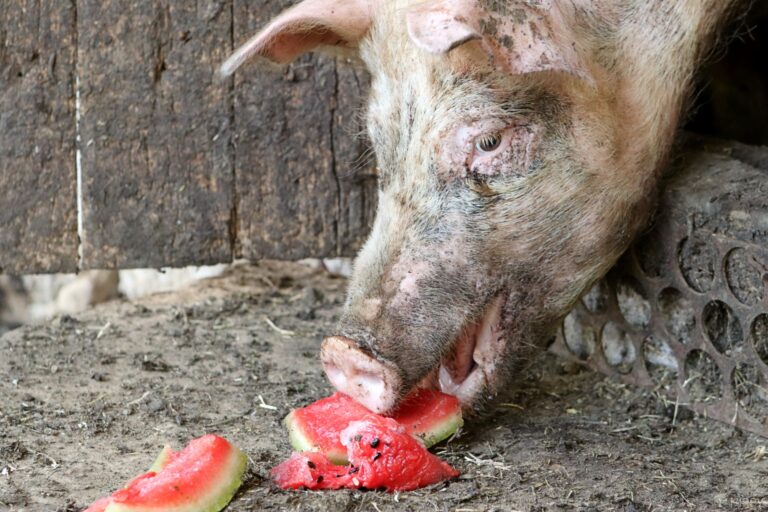
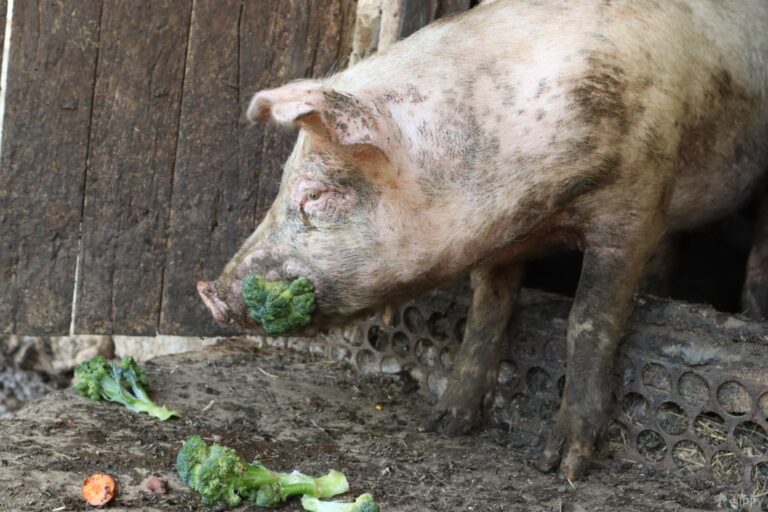
Something else to consider about the diet of pigs. They are omnivores, meaning they eat both plant and animal matter. Furthermore, they will eat very nearly anything.
But just because they can eat almost anything does not mean they should. Avoid giving your pigs processed food, sugar, and stuff that is going to do nothing but put on fat instead of muscle; it’s muscle that equals pork when you slaughter them, not fat. Fat is just lard in the end!
Likewise, don’t give them any fruits, vegetables, or other foods that have gone truly bad and are moldy or slimy.
Pigs might eat them, but they aren’t garbage disposals and spoiled foods will dramatically increase the chances of illness, some of which can be passed on to people. They might even cause death!
Letting Pigs’ Water Get Filthy
Pigs must have access to clean, clear water continually. The end. Don’t make the mistake of thinking that, just because they get dirty and wallow in the mud, it’s somehow okay for them to drink from nasty, contaminated water sources.
They will if they have no other choice, because pigs tend to be thirsty and are very vulnerable to dehydration. But it’s on you to ensure their water stays clean.
It doesn’t matter how you do it: If you want to bring them fresh water for a trough or other source you can, or you may invest in an automatic watering station which can make your life a little easier and keep their water cleaner for longer.
Not Investing in Pig-Proof Gear and Structures
This goes along with the necessity of strong fencing we talked about previously. Pigs are hard on everything, and I do mean everything. They will tear the siding off buildings, turn wooden fence posts into splinters, and even thrash metal feeders, fence panels, and more.
I’m not kidding. Anything that you’re going to invest in for your herd’s use must be heavy-duty and up to the task. Specifically, anything you use for feeding and watering must be tough and built to the highest standard.
This isn’t just a matter of economy, though that is a factor. You don’t want to waste money replacing something over and over because your hogs keep tearing it up, for sure.
But destructible things are also a health problem for the animals if they swallow indigestible stuff that could poison them or get caught in their digestive tract.
Not Spending Time With and Training Them
Pigs have a reputation, sometimes deserved sometimes not, as brutish, smelly, stupid, and single-minded. In my experience, they are none of those things as long as they are raised properly, though all pigs are individuals to a degree.
Pigs are in reality highly intelligent and respond to positive socialization. So it’s important that you spend as much time as you can with your pigs so they learn to recognize you, trust you, and most importantly look forward to interacting with you.
If you can do that, your pigs will be much easier and safer to handle. Also, as expected, the earlier you start in their lives the better your results will be.
Not Being Ready for Health Care
Pigs, as mentioned, tend to be pretty healthy and hardy overall. That said, they still get sick, get injured, or require other specialized healthcare from time to time.
Ideally, you’ll know how to recognize and treat common pig ailments like mastitis, scours, anemia, and so forth, but then you’ll still need medication and other supplies for the job.
This, naturally, costs more money. Ongoing treatment for parasites in the form of dewormers is another cost to consider.
Then there are gruesome but necessary chores like castration to contend with…
You’ll want to castrate your male pigs that aren’t being kept intact specifically for breeding because it makes them more docile, safer, and easier to handle, and also because the presence of testosterone tends to make the meat tough with an unpleasant tang.
Castration is something you can perform on male pigs yourself, but you must have the right tools and absolutely must know what you are doing to avoid maiming the poor animal.
Don’t want to get into it, or lack the skills? That means you’ll have to hire a vet to do it and that means you’ll be spending extra.
When it comes to caring for pigs, you’ll keep a lot more money in your pocket if you know what you are doing.
Underestimating Their Strength and Size
The last mistake that we’ll talk about when it comes to caring for pigs – and potentially the last mistake you yourself will make – is underestimating their size and strength.
Pigs may be cute, but you’ve got to keep in mind that these animals are omnivores and equipped for the purpose. They have amazingly strong teeth and jaws, more than capable of tearing flesh and crushing bone with ease.
If a pig bites you, it will hurt when they are little. When they are big, they might bite a literal hunk out of you. Pigs can easily bite off fingers and toes, even right through gloves and boots.
Durocs and Landrace pigs can weigh upwards of 400 pounds when fully grown, and most of it will be muscle. Most seasoned pig farmers will advise that you never, ever, enter an enclosure with adult pigs for any reason, especially if you don’t have someone backing you up.
Your pigs might know you, and they might even love you, but they are still large and powerful animals and must be treated accordingly for your own health and well-being.

Tom has built and remodeled homes, generated his own electricity, grown his own food and more, all in quest of remaining as independent of society as possible. Now he shares his experiences and hard-earned lessons with readers around the country.
Find out more about the team here.