
If you want your chickens to stay healthy, happy, and peppy, they need lots of potassium in their diet. This essential mineral keeps their muscles working when they are active, and it is especially important for their wellbeing when temps are hot or they are stressed.

If your birds don’t get enough potassium the stage will be set for all kinds of health problems. They’ll get sluggish, eventually produce fewer and weaker eggs, and become susceptible to all kinds of other diseases besides. Not good…
Many folks opt for fancy supplements or fortified feed mixes to fulfill their flock’s potassium needs, but you don’t have to go that route: there are many whole foods that can give them more than enough potassium in their diet, and your birds will even look forward to them as tasty treats. Below, I’ll share with you 10 potassium-packed foods your chickens will love.
Beets
Beets bring loads of potassium and are a sweet treat that most chickens enjoy, supporting high energy activity and helping your birds cope with stress at the same time.
Beets are usually quite dense and hard when raw, so you’ll need to cook them gently until just tender, then chop finely into cubes or shred with a grater to make them easier for chickens to eat and digest.
Serve a small portion at a time, about one large handful per 7 to 10 chickens, once or twice weekly to avoid excess sugar consumption. Be ready for some red stains on light-colored feathers, too, but don’t worry; they will fade.
Beet Greens
Don’t trash the greens when prepping your beets: Beet greens are a great choice for boosting your flock’s overall health, and they are loaded with more of the potassium that beet roots have. They also have many vitamins on offer, including A and C, for healthy feathers and immune system support.
To prepare beet greens, chop when fresh into small pieces that are easy to peck at and swallow. Note that you still want to feed in moderation to your precious birds due to their modest oxalate content: oxalates can mess with calcium absorption and eventually cause kidney issues and all sorts of other trouble.
Toss a small handful of greens out to your flock once weekly as part of a balanced diet and you shouldn’t expect any issues – assuming you aren’t giving them other oxalate-rich foods like kale.
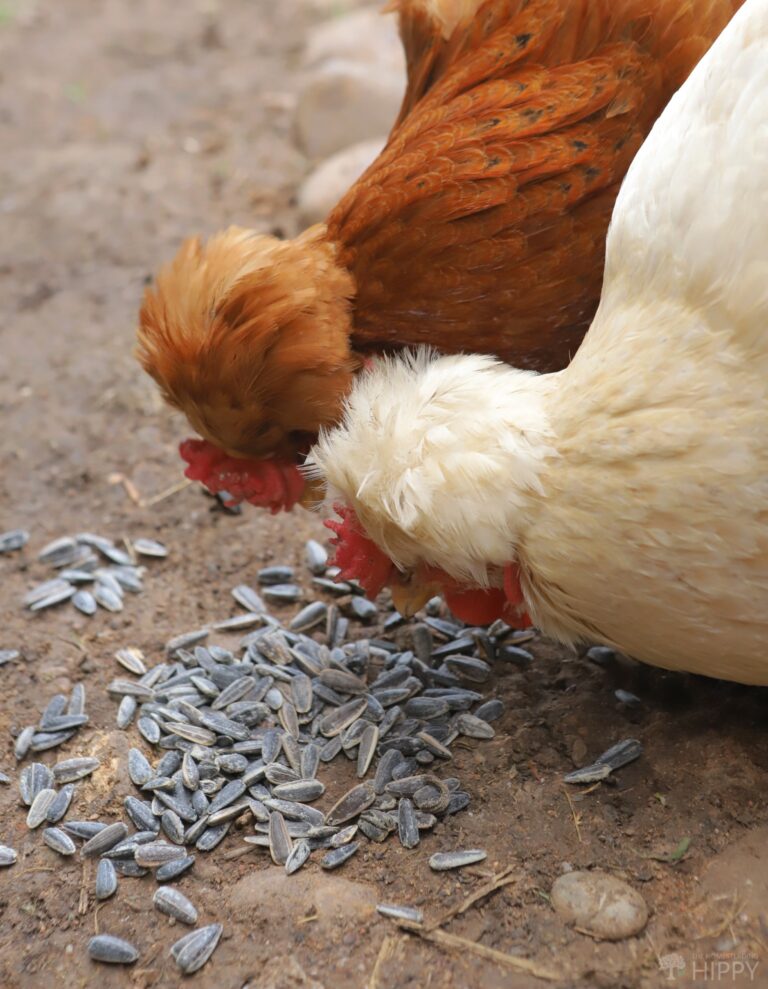
Sunflower Seeds
Sunflower seeds are a time-tested chicken favorite and aside from being irresistible, they’re a genuine nutritional superfood, brimming with vitamins, potassium, other minerals, and healthy fats.
Serve your flock only plain, unsalted seeds: never seeds with any crazy flavorings or added salt that you or I would snack on. Either of those added ingredients can harm chickens. Give them seeds whole for larger breeds or crushed for smaller ones to avoid crop impaction problems. Feed only a teaspoon or two per adult bird weekly, either mixed into feed or scattered to promote fun foraging activity.
You must keep portions small to avoid weight gain. Store sunflower seeds in a cool, dry place to prevent mold growth and spoilage, and always toss any suspect seeds.
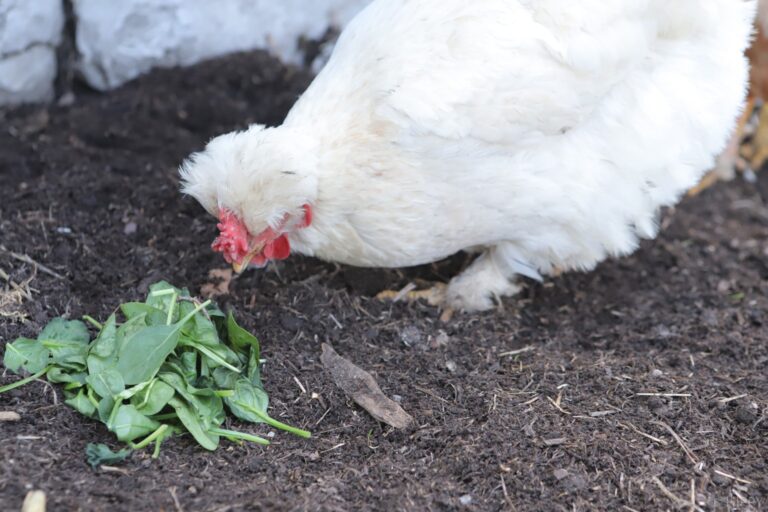
Spinach
Spinach is rightly loved as a super nutritious green, and for chickens it is one that supports egg quality and overall good health in chickens, along with providing a decent amount of potassium.
Serve it raw or lightly steamed, and either chopped or shredded for easier digestion. Optionally, hang a bunch in the run and let your birds peck away at it to help bust boredom.
Due to high oxalate content, you should limit intake weekly: a few small leaves per adult chicken and no more. Spread this out by mixing with other greens for best results.
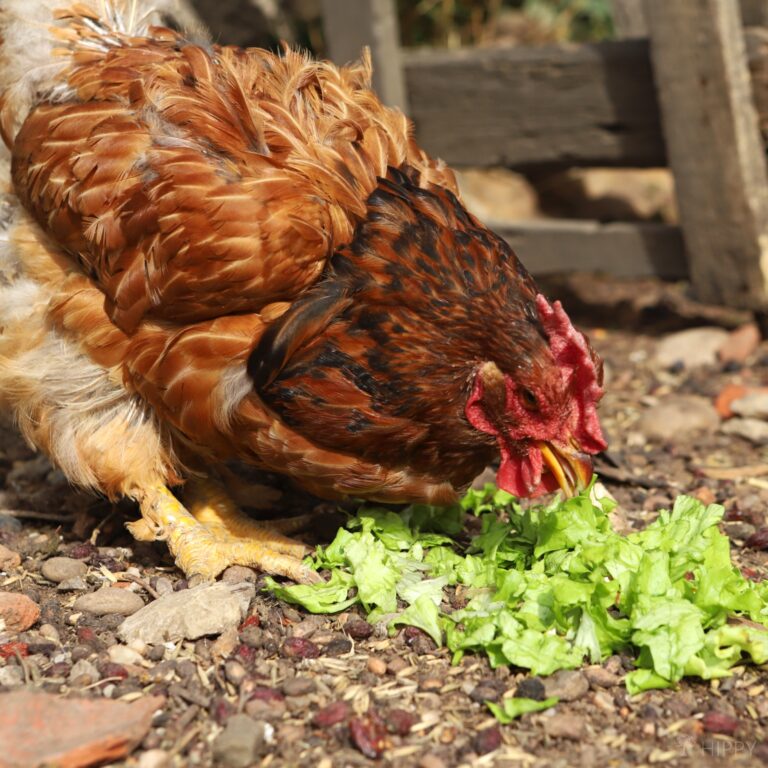
Kale
Kale is another healthy green for chickens, much like spinach, and this one is packed with potassium, calcium, magnesium, and many antioxidants.
Serve and portion just like spinach: chop it finely or hang whole stalks in the coop for pecking and enrichment. Treat it like spinach for oxalate consumption, too. Serve sparingly and mind other high-oxalate foods in your birds’ diet to avoid complications.
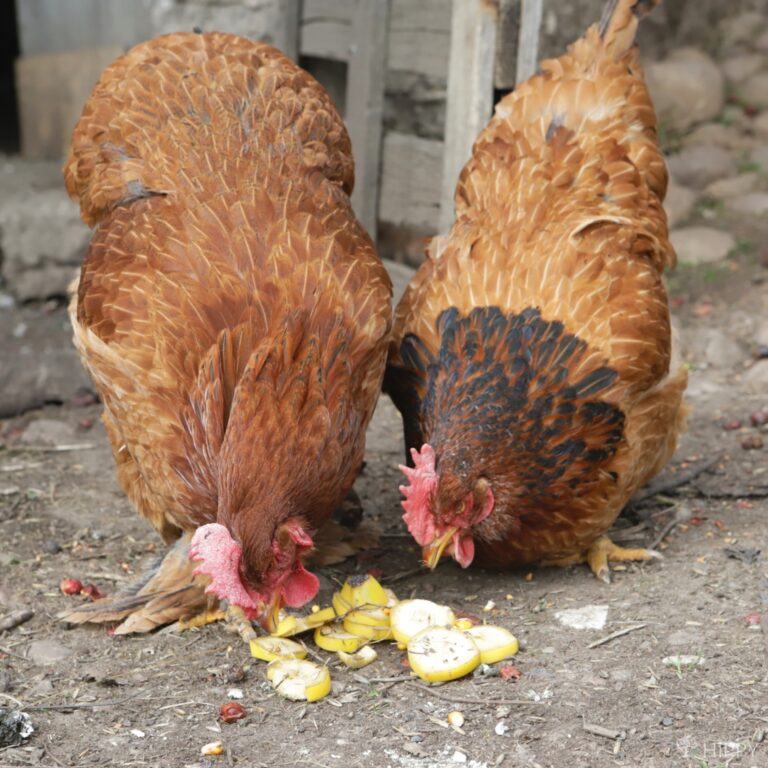
Bananas
Bananas are a tropical fruit that most chickens truly love. This potassium-rich treat provides a quick energy boost and also supports healthy muscle function.
It’s easy to serve, too: just peel and slice or mash them to facilitate small bites and help prevent choking. Some keepers like to mix mashed banana into chicken feed to make a kind of casserole.
Bananas are healthy and wholesome but very, very sugary: offer no more than one or two small chunks total, per adult bird, once or twice weekly at the absolute most. Chickens don’t need much sugar in their diet! Don’t feed bananas to chicks, either.
Pumpkin
Pumpkin’s a real crowd-pleaser for chickens, in my experience, both its flesh and seeds. It’s got plenty of potassium and the seeds can provide a natural deworming effect.
Chop up raw or gently cooked pumpkin into bite-sized pieces for easy eating, or, if you don’t mind a bit of a food fight, just break it open into big pieces and let your flock peck away. A handful per chicken, twice a week, is plenty.
It adds lots of variety to the menu without many potential problems, but it should still be only a supplement; ensure your flock is still eating plenty of feed as their mainstay.
Sweet Potatoes
Sweet potatoes are a tasty, potassium-filled favorite for many chickens, in my experience. Large, hardy breeds can peck raw sweet potatoes, but consider steaming or boiling for small breeds or picky eaters.
As with all cooked foods, let the potatoes cool before serving. A few ounces per bird, up to twice weekly, is plenty. Sweet potatoes are versatile and can be mixed into feed when mashed or cubed or served as-is as a treat.
Broccoli
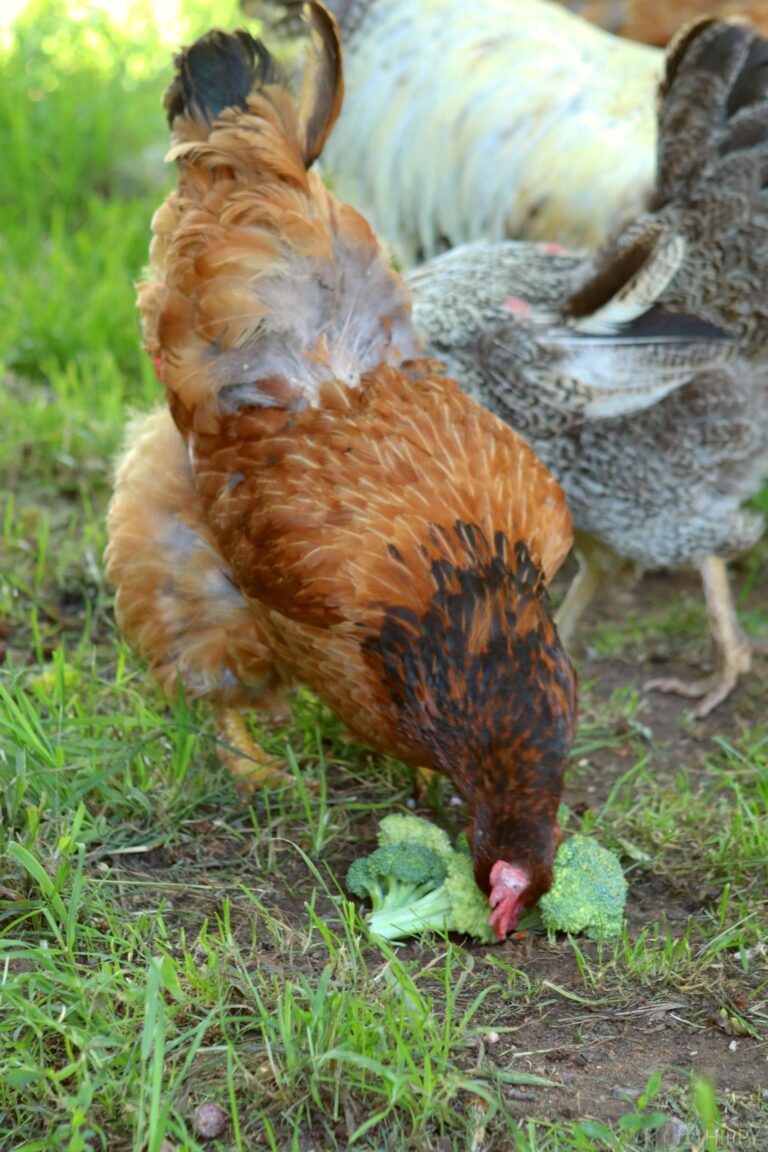
Broccoli is always a solid pick for feeding your birds, as chickens especially love the tender, fresh florets. As you know, it’s loaded with healthy nutrients, and that includes potassium. It also has numerous vitamins, including C and K.
You can serve it raw or lightly steamed, and consider chopping the tougher stalks into small pieces to make them more palatable. Broccoli is another good candidate for hanging whole to encourage foraging and pecking behavior.
Chickens can have one or two small servings of broccoli weekly. Like all whole foods, no matter how healthy and wholesome, don’t feed them too much: their primary food should still be their chicken feed. Also, stick to organic, if possible, to avoid pesticides.

Tim is a farm boy with vast experience on homesteads, and with survival and prepping. He lives a self-reliant lifestyle along with his aging mother in a quiet and very conservative little town in Ohio. He teaches folks about security, prepping and self-sufficiency not just through his witty writing, but also in person.
Find out more about Tim and the rest of the crew here.