
The arrival of new piglets is always a fun and exciting time on the homestead. Piglets are adorable, and it’s lots of fun to watch them grow and scamper around.
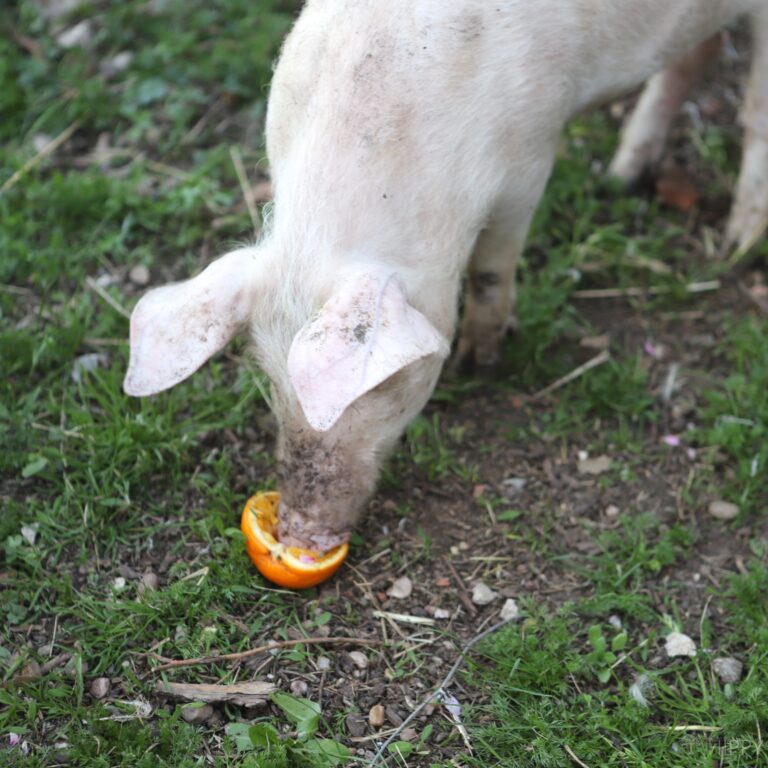
But, as with all baby animals, new arrivals mean there is plenty to prepare for if you want to keep them happy, healthy, and safe.
Whether you are bringing your new piglets home from a breeder or getting ready for your sow to give birth to a litter of her own, you’ve got to take care of a few things.
Keep reading and I’ll tell you what 10 things you need to do before your precious piglets arrive on the homestead…
For All Piglets
Whether your piglets are coming home with you from a breeder or their mom is ready to birth them, do the following…
Provide a Safe, Quiet Space for Them
All piglets need a safe, quiet space to live in for their first several weeks of life. This ensures they’ll be calm and well-adjusted. A noisy or threatening environment will stress out piglets, leading to behavioral problems, slow growth, and potentially illness.
If your pigs are being born from a sow, stress immediately before and immediately following the farrowing can cause their mom to reject her babies or potentially even turn on them.
Give them a secluded, enclosed, quiet, and safe space to live in. 25 sqft / 2.3 sqm or a little less is plenty for a farrowing pen, and will allow room for mom and her babies, as well as for you, to maneuver when necessary.
Make Sure They Can’t Get Out
No matter what kind of pen or other enclosure you are preparing, you must make sure they cannot escape. Woven and welded wire fencing will not do the job, and piglets will pop right through it and run off.
Use specialty pig panels or solid walls for the purpose, and make very sure that there are no gaps near the floor or ground that would allow tiny piglets to wriggle underneath. Believe me, they’re hard to catch!
Have Plenty of Clean, Dry Bedding on Hand
Part of providing an ideal, calming nest environment for piglets is good bedding. Good bedding will be dry, deep, and insulating, and for the purposes of caring for piglets, nothing works better than fresh straw.
As you probably expect, they’re going to go through a ton of the stuff. Pee, poop, spilled water, mud, slobber, and in the case of farrowing, the afterbirth from the sow will all soil bedding and make for unsanitary, unpleasant conditions.
This will, of course, promote illness and cause stress, and you don’t want that. Stay on top of changing out the straw when and as it gets dirty or damp, and never let it turn into a mucky mess.
Have Supplemental Heat Ready to Go
Generally, as long as the pen or area where you’re keeping your piglets is protected from drafts and precipitation, it will probably be warm enough for mom and her babies as long as you have a good bed of straw down.
Piglets will share body heat with each other, and of course, their mother will provide them with lots of heat.
However, if you bought them yourself, they won’t have mom there to help them keep warm and so they might need a backup heat source.
Assuming you aren’t keeping them in a room that benefits from central heating, you’ll need to use a space heater or even a heat lamp for the job. This must be done with extreme care because both are common causes of fires.
But, you must be careful that piglets don’t get too hot, either. Luckily, this is easy to do: if they’re lying on the ground just next to each other, they are comfortable.
If they’re piling up into a literal pig pile, they are too cold. If they can’t sit still and are moving away from the heat source, it’s too hot.

For Piglets You Bring Home
You’ll have to do some things yourself if you’ve gotten yours from a breeder. Make sure you are ready for the following!
Buy Milk Replacer for Feeding
Piglets subsist almost entirely on their mother’s milk for the first few weeks of their life, and since she’s not there you’ll have to provide the milk.
If you don’t have actual pig milk that you can source from another sow, either your own or a neighbor’s, you’ll need to buy piglet-specific milk replacer. The stuff has all of the nutrients they need to grow and thrive, along with an ideal combination of fat and protein.
Typically, piglets will need colostrum on their very first day of life, but the breeder will have handled that for you.
Whatever kind of product you get, make sure you read the instructions carefully for the proper mixing procedure and ratios.
Get Bottles or Bowls
Piglets suckle from their mother’s teats, but since she’s not here we’ve got to do it differently. Feeding piglets is best done with a bottle or bowls, and each has advantages and disadvantages.
In my experience, you’ll need to use a bottle for the first week, maybe a week and a half, of a piglet’s life. They instinctively look for a nipple and suckle for milk, so this makes things easier.
Sadly, it’s also fussier and usually messier, and getting a piglet to hold still long enough to get a good meal from a bottle can be challenging.
But after the first week and a half or so, you’ll be able to train your piglets to lap milk replacer from a bowl.
This, too, has challenges because they won’t be used to it, but it’s easy enough to do by setting the piglets in front of the bowl and then splashing a little bit of milk in their mouths with your fingers.
My advice to you is to buy a couple of different nipple styles for bottles because these can facilitate easy feeding and make sure any bowl you get is tip-resistant to avoid waste and a big mess.
Make Time to Feed Them Every 4 Hours
This is one of the biggest commitments you’ll have to prepare for if you don’t have a sow to take care of your piglets: they’ll need feeding every 4 hours for the first seven days of their life.
Although it takes only a few minutes for the little fellow to get enough milk, if you have five, 10, or 15 piglets this will turn into a huge chunk of your day if you’re bottle feeding!
Obviously, once the piglets turn to the bowl, assuming you can get them to drink from the bowl early on, your job will be made much easier but you should plan on at least 2 weeks of bottle feeding and block your time accordingly.
After the first week, they’ll only need feeding about every 6 hours, and if they are still on the bottle after week two, every 8 hours. But by then, they should be eating creep feed readily and moving away from milk over time.
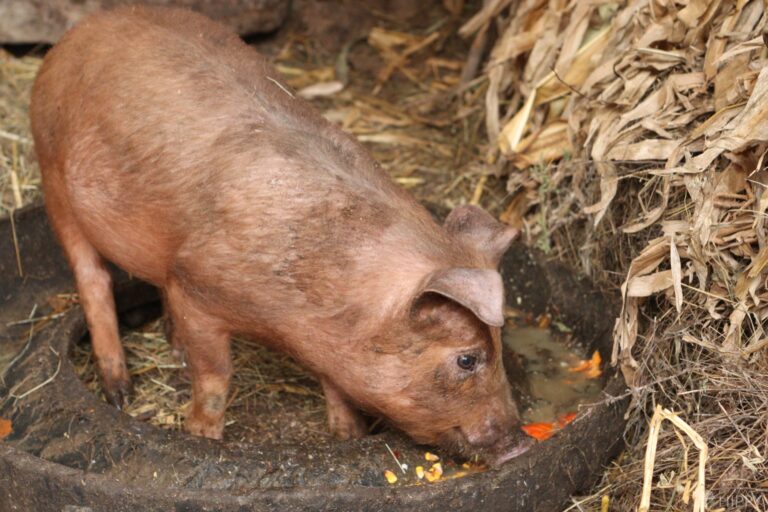
For Birthed Piglets
If you are breeding your own pigs, you can trust the sow to know what to do. You just need to set her up for success and be prepared for contingencies. Take care of the following and you should expect a happy and healthy litter of piglets from her.
Have Extra Food for the Sow
It’s common for your sow to avoid eating immediately after the arrival of the piglets – due to stress, pain, and all that – but that will probably change within 24 hours post-birth and she’ll be downright ravenous immediately prior to the arrival of her babies.
Because of this, you must keep high-quality, high-protein feed on hand and expect her consumption to double. She’s got to make lots of nutritious milk so her piglets can be happy, so a good rule of thumb is to give her as much nutritious food as she wants.
Keep in mind that a sow that’s not getting adequate calories and nutrients won’t produce as much milk and that will cause problems for the poor piglets. This will also raise her stress level, and you want to avoid that at all costs to avoid rejection.
Monitor the Sow During Farrowing
Somewhat surprisingly, real problems during the birth of your piglets, properly referred to as farrowing, are quite rare.
Most sows are great mamas and will deliver over a dozen piglets easily and with no problems, with most of them arriving in 30-minute intervals after her water breaks.
But things do, of course, go wrong from time to time, and when they do, you might need to intervene to save the babies and mom…
You don’t want to get too close to the mother, especially if it’s her first time, because you don’t know how she’ll react. Even the sweetest, nicest pig you raised yourself might get aggressive or edgy.
Just keep a respectful distance and check on her regularly to make sure the piglets arrive in a timely manner, and keep count of them.
Sometimes it is helpful to dry off the piglets to help warm them up quickly, especially if they are birthing outside or mom is overwhelmed. You should only do this if the sow is calm and not stressed by your approach or interaction with the babies.
Use towels and, if needed, a pig-safe cleanser or gentle detergent made just for the purpose. As soon as they’re dried, put them back so they can warm up and get milk.
Be Prepared to Assist if Farrowing Turns Difficult
It’s gross and nerve-wracking, but if a piglet gets stuck or something happens to mom and she can’t pass one of them you’ll have to reach up inside her birth canal to see if you can feel the piglet and extract it if it’s stuck. Doing this without hurting either of them is also important!
I don’t say this to worry you, and I know plenty of pig keepers who have never gone through the experience even in years and years of breeding their own pigs.
But when the time comes you must be prepared and spring into action. You’ll need shoulder-length disposable plastic arm sleeves, a sanitary lubricant, and lots of towels. I won’t get into the whole process here, but just make sure you’re ready and standing by if needed.

Tom has built and remodeled homes, generated his own electricity, grown his own food and more, all in quest of remaining as independent of society as possible. Now he shares his experiences and hard-earned lessons with readers around the country.
Find out more about the team here.