
One of the most important but also most challenging skillsets to develop when taking care of animals is learning how to read their behavior.
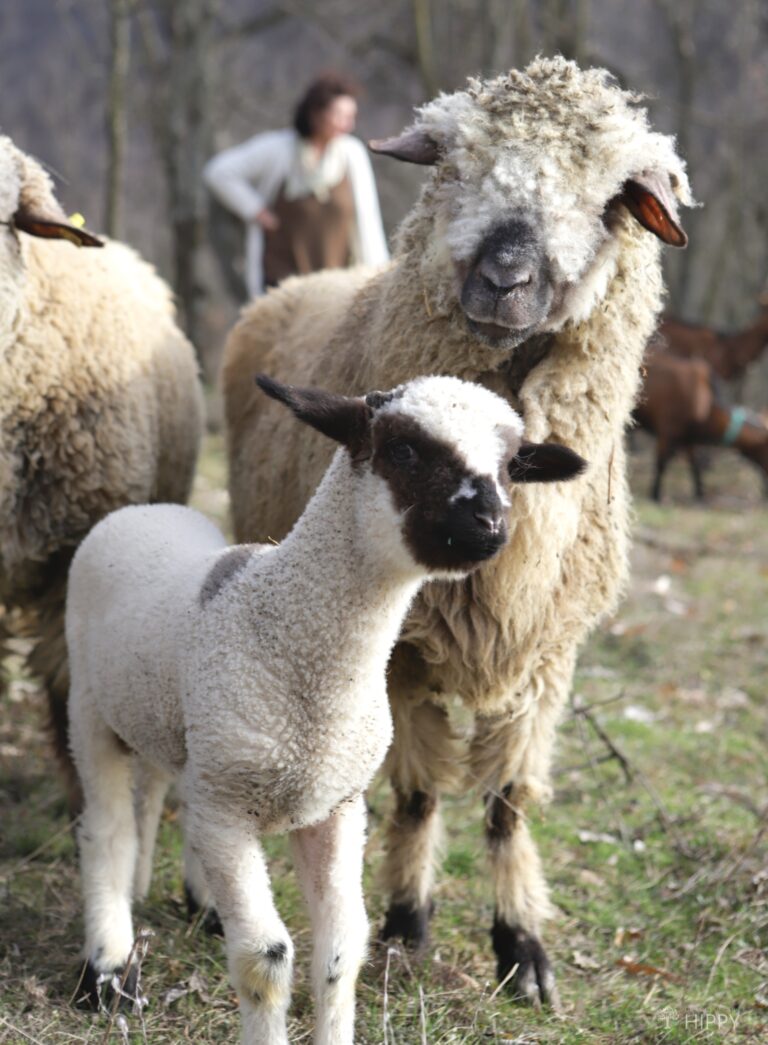
Most livestock species exhibit specific behaviors that are associated with their mood or actions, and if you know how to interpret them, it can make your job a whole lot safer and easier.
In this regard, sheep are no different. But sheep, compared to other common kinds of livestock, have a reputation for being somewhat stoic, even inscrutable.
I’m here to tell you that that just isn’t the case in reality, and all you need to do is learn how to interpret the signals that they give off almost all the time. If you want to learn how to read the behavior of your sheep, keep reading this article!
The Basics of Sheep Psychology
Learning to read the behavior of your sheep begins with the basics of their psychology. No exaggeration!
If you don’t understand how sheep think and interpret the world around them, you are wasting your time. Applying the same understanding that you have with other animals to sheep is just going to lead to frustration.
If you do nothing else but keep all of the following considerations in mind at all times when dealing with your flock, things will go much better for you.
Sheep are Highly Social
Sheep are extremely social even by the standards of other animals like cows and goats. There’s a reason that a group of sheep is called a flock and not just a herd; that is because flocking animals are far more influenced by the behaviors of other animals in the flock.
Sheep are absolutely dependent on the presence of other sheep for health and wellness, and this is even in the short term.
Any animal too far removed from other sheep in the flock will start to suffer mentally and emotionally, and this can lead to erratic behavior, outbursts, aggression, or even a decline in physical health.
If you’re trying to figure out why a sheep is acting the way it is, first ask yourself if it is close enough to other members of the flock.
If it has been isolated for any length of time and for any reason, understand that it will act erratically- even if they are right next-door in an enclosure and just cannot see each other!
More importantly, attitudes and feelings (and particularly negative attitudes and feelings) are infectious in sheep.
When one of them starts to get seriously upset or scared, the rest of them will probably copy that attitude in short order. Preventing the germ of fear or panic from taking hold in the first place is the best you can do.
Sheep Have Familial Bonds, Too
Going beyond near social bonds established with others of its own kind, sheep have familial bonds. Sheep establish bonds with their mothers that will often persist for their entire lives, and the same goes for their siblings and other immediate relatives.
Because of this, their behavior can be changed by the presence or absence of these family members.
I’ve heard plenty of stories where shepherds separated siblings by placing them in separate pastures as members of different flocks, and those siblings, missing each other, developed behavioral problems even though they had their own social flock structures.
As you might expect, this can seriously complicate your dealings with sheep, and this is part of the reason why most shepherds work very hard to keep track of their sheep at the family level.
Sheep Naturally Follow Leaders
More than any other livestock animal, sheep follow leaders…
Owing to their intricate social hierarchies, when the leader or senior members of a flock starts to act or feel a certain way, this will ripple through the rest of the flock as a command that they will be nearly compelled to follow.
Accordingly, you need to know who that “alpha” is, and keep an eye on them to inform your own baseline for how the flock is going to react.
If the alpha is good-natured and happy to see you, the rest of the flock will be too for the most part. Likewise, if the alpha is skittish or prone to aggression and standoffishness, you better believe the rest of the flock is going to act accordingly.
Knowing this, you also need to know that compelling the alpha to behave a certain way will get the rest of the flock to do likewise in time. This is an especially critical tip when moving the flock or trying to separate sheep.
Sheep Always Move Away from Threats or Disturbances
Sheep are prey animals, and like all prey animals, they’re always keenly aware of and sensitive to the presence of any predators or any other kind of threat. Even in a domestic setting, you and they have calls to worry about coyotes, mountain lions, bears, packs of feral dogs, and so forth.
But what is arguably more important to understand is that sheep can perceive anything, nearly everything in the right circumstances, as a threat!
Loud noises, shouting, sudden movements, new things in or around their environment, new people – almost anything!
This is why they have a reputation as being so skittish, and borderline neurotic. You know that they might not be in any danger, but they don’t know that!
You must keep this in mind when interacting with your sheep, as anything that plays on their nerves is going to make them more unruly and difficult to deal with.
Many things, like bad weather or other accidental occurrences, are completely out of your control but you’ll still have to deal with the aftermath.
Keep this in mind at all times, and don’t let annoyance and aggravation start influencing the way you treat your sheep, for reasons we will learn about in the very next section.
Sheep Have Surprisingly Good Associative Memories
Do you think your sheep ever act poorly towards you, even when you are treating them well? You might want to ask yourself if you ever treated them poorly in the past!
Sheep have remarkably good memories, especially for things that hurt them or scared them, and for people that treated them badly or roughly.
Yes, that is exactly what I mean to say: mistreat them or frighten them and your sheep will hold it against you for a long time, maybe for life! This is just the way they are, and take it from me, they’re a lot smarter than you might think at first glance.
Because of their excellent memory, it is critical that you and everyone else working with them always maintain your bearing and treat them gently, calmly, and with respect.
Do that and you’ll notice that you have easier interactions with your sheep and a lot more often.
Watch for Bunching and Staring
When approaching your sheep for any purpose, pay attention to how they are acting collectively.
If they are munching on grass or other food contentedly and only seem to be paying you passing notice, there probably aren’t any problems as far as they are concerned and you probably won’t have any problems with them.
Conversely, if you notice them bunching up tightly and most of them starting to stare at you, they are nervous, wary, or alarmed.
You might not deserve this negative attention or you might, but either way, you’ll have to deal with the way they feel or give them a little bit of time to calm down.
For minor transgressions or disturbances, they might go back to normal in 10 to 15 minutes. Serious upsets will take longer, anywhere from 30 minutes to an hour. If you can spare the time, don’t force the interaction.
Your Sheep Can Read Your Mood
Something else that only seasoned shepherds know is the fact that sheep can read your mood. I’m not kidding: sheep can look at your face and, based on your expression, tell what kind of mood you are in.
Accordingly, your mood will inform their own mood! If you are grumpy or ticked off because of the never-ending list of chores that they subject you to, that is going to make them nervous.
If they are nervous, you’re going to have a worse time with them. Always keep your face placid, your voice calm and sweet and your bearing measured and gentle.
Making Sheep Move
If you want to make sheep move, most of the time all you need to do is get close to the flock. No matter how much they like you, they have a tendency to move away from people, and they will always move away from a sheepdog.
Remember this if you’re trying to get them to go somewhere. On the other hand, it isn’t out of the question that your sheep will draw closer to you if you have food or treats in hand, especially if you bring them in a special container that makes a distinctive (but soft) sound.
Assuming they aren’t already panicked and running away, you can get them moving at a walk by approaching them or draw them somewhere by using a treat or food to lure them- or luring the leader of the flock as mentioned above!
Sheep Avoid Darkness and Shadows
If you ever notice your sheep acting standoffish and downright scared to enter a barn or other enclosure, it’s probably because it is simply dark. You might even have issues moving them around a pasture if deep shadows are cast by the setting sun.
Sheep do not see well in darkness at all, and deep shadows unnerve them seriously. On the other hand, all you need to do to help them relax and encourage them to enter is turn on or cast some light on the inside. If they can see where they’re going and where they are walking, they’ll be a lot less nervous.
Sheep Try to Avoid Slopes and Rough Surfaces
Some sheep, like goats, have a reputation for being all-terrain machines but most domestic sheep can greatly prefer to avoid rough surfaces and anything but the gentlest slopes.
If you’ve got your sheep moving along at a good clip and then they stop or seem to detour for no obvious reason, it might be because they simply don’t feel comfortable on a grade, or because the leader has assumed that it is too rough or too difficult to navigate.
Sheep are also creatures of habit, and will tend to avoid these places over and over again, meaning that with a little planning, you can move them around with less fuss.
Sheep Avoid Water at All Costs
Contrary to popular belief sheep can and will swim, but as a rule, most will avoid water at all costs.
If they can’t see where they are putting their feet or cannot touch the bottom they will usually only make a crossing out of desperation to avoid a predator, to get to food when hungry or, in the cases of sexually mature adults, to reach mates.
You should never count on being able to drive your sheep across a water feature of any depth assuming they can’t walk along and just get their ankles wet, and even then, that’s likely to cause trouble and greatly elevate stress levels.
Resistance and skittishness around water are entirely normal behaviors for your flock.
What Do Different Sheep Sounds Mean?
Sheep, like all animals, make various sounds and those sounds have meaning. The most common sheep sounds are detailed below.
Bleating
This is the most common sound that sheep make. Sounds like a “baa” or sometimes a short yelp.
Sheep make this sound to check or convey the location of each other (sheep can recognize individual sheep in the flock), when they are hungry or mildly distressed, or when they cannot find the flock at all.
One or two sheep making this sound is nothing to worry about, but if the whole flock is, you need to investigate.
Snorting
Snorting is distinct from bleating, and indicates there is definitely a problem. Usually, sheep that are frustrated, in pain, or ready to come to blows with another sheep or a person will snort. They will also snort if restrained or if dealing with a pretty pronounced physical irritation.
Rumbling / Gurgling
Rumbling, also known as gurgling, is a mating sound. Usually made by rams who are attempting to get with a lady sheep, sometimes the ewes will do it too.
Posture Can Tell You a Lot
The posture of your sheep, or an individual sheep, can tell you a lot. Make sure you are alert to these postural cues at all times, and consider anything except standing upright with the head erect or standing upright and munching on grass to be a warning sign.
Upright, Head Lowered, Eyes Fixed
Any sheep that is standing upright with its head lowered and its eyes fixed on you or another sheep is getting aggressive and preparing to charge.
Most commonly it is the males that will do this, but ewes will do it too! Do not turn your back on any sheep with a lowered head that is staring you down.
Pawing at Other Sheep or People
Pawing is a signal that is easy to miss, especially when sheep are standing close together in a clump. Rams will paw at females that they want to mate with, and all sheep will paw at each other more or less intently to get their attention or get them to move out of the way.
Sagging or Sitting, Head Lowered
Any sheep that is sitting down on its hind quarters, not standing completely erect, or otherwise showing a depressed physical posture is having problems, typically. Investigate for bloat, injury, illness, and other issues.
Laying Down
Sheep lie down to rest and sleep, but as soon as they wake, they are up and moving around again. Any animal that seems hesitant or unable to get up should be checked immediately and closely.
Rubbing
You ever notice how sheep will press their flanks up against one another and sort of rub and press on them as they walk? They even do this to people sometimes!
The good news is this is a sign of affection, and wanton physical touching between sheep, or a sheep doing the same to people that take care of them, is a good sign.
Sheep, as a rule, will only exhibit this behavior when they are calm and trusting, and if your flock is always eager to rub up against you and the other people taking care of them you can count on having an easy time handling them.
Respect the Routine
As mentioned above, sheep are creatures of habit, bordering on ritualistic. They like to do the same things the same way and on the same schedule, day in and day out.
Any major deviations, any major changes, anything that is out of the ordinary is going to cause them to stop, evaluate, and likely get a little stressed out.
Because of this, you should do everything you can to make sure all operations involving your sheep go the way that the sheep are expecting.
Change the way that you put them into a paddock? They’ll probably slam on the brakes at the last minute. Are they being kept in a new barn or was the barn painted a different color? Cause for concern, don’t go in there.
Give them a livestock ball to play with for the first time? Who knows what that thing is, stay away from it!
If you have to make any changes to the usual routine, stay calm, nice, and patient with your sheep: Help them work through it and soon enough it will be part of the routine and they’ll be back to normal. Or rather, the new normal!
Sheep Acting Startled?
If your sheep are acting startled when you approach them, there are two likely reasons why.
The first is that you made too much noise, especially unusual noises, or you approached them from a blind spot. You want your sheep to know that you are coming but you don’t want to yell, shout, or bang stuff together to signal your approach.
Also, unless you’re actively trying to sneak up on the sheep don’t approach them from directly behind.
Whether its head is up or down and grazing, a sheep has a big blind spot directly behind them. This means that if you get too close and then they turn their head to see you when you are in the flight zone you will startle them and they’re likely to run.
And if one sheep spooks and starts to run, guess what’s going to happen? That’s right; they will all start to run!
Now, if you need to sneak up and lay hands on an unruly sheep that’s one thing, but if you want to avoid spooking the flock make sure you approach them from the front or the side where they can see you and talk sweetly to them so they know it’s you and they can relax.

Tim is a farm boy with vast experience on homesteads, and with survival and prepping. He lives a self-reliant lifestyle along with his aging mother in a quiet and very conservative little town in Ohio. He teaches folks about security, prepping and self-sufficiency not just through his witty writing, but also in person.
Find out more about Tim and the rest of the crew here.