
Taking care of animals means knowing what kinds of diseases and ailments can afflict them, and how to treat them. If you keep goats, one of the most harrowing and most common is rumen acidosis.
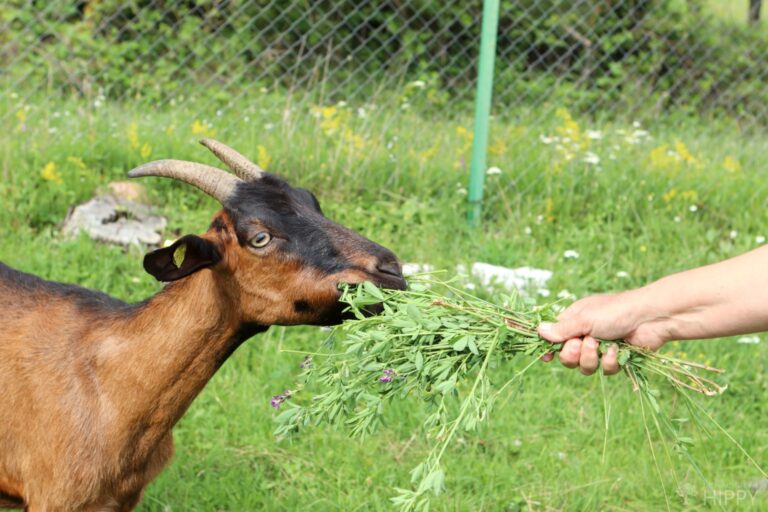
Goats love to eat, and when they eat too much of some rich, appealing foods, this affliction can strike very quickly. The result is greatly diminished production, poor health and potentially even death.
Missing the early signs can spell doom for your poor goats. I don’t want that to happen and I know you don’t. To help, I’m bringing you a quick guide on identifying, treating and preventing rumen acidosis in your herd.
What is Rumen Acidosis?
Rumen acidosis, also colloquially known as grain overload, is a digestive disorder, specifically one that affects the first chamber of a goat’s stomach, the rumen.
This first and largest compartment of the stomach plays an important role in the digestive process of goats and other ruminant animals by storing and predigesting plant material through fermentation.
This fermentation is accomplished by beneficial microorganisms that live in harmony within the goat’s digestive tract. As these organisms break down the food, they release fatty acid compounds which are an important source of quick energy for goats.
However, they can only do so much work in a certain period, and when they get overloaded they produce too many acids too quickly. This subsequently causes a harmful drop in the pH level of the rumen.
When that happens, the whole system goes out of whack and digestion is either impaired or even halted with disastrous results.
How Does it Happen?
Most of the time as a result of a goat eating way too many simple carbohydrates at once, particularly rich carbohydrate sources like oats and other grains, bread, and sugary foodstuffs, or by eating a novel food that the gut bacteria are not adapted to.
The typical inciting incidents of room in acidosis stem from goats getting into rich pasturage like alfalfa or clover, breaking into or being given way too much food in a serving, or being fed things that they should simply never have like refined sugars.
This is why careful control of what goats are fed, and what they are allowed access to when foraging, is so critical to their overall health and well-being; goats might be surprisingly picky eaters but when they find something they like they show very little restraint!
Forms of Rumen Acidosis
There are two basic forms of this disease that goat owners need to know about. One is mild and the other is severe.
The mild form is called subacute rumen acidosis. If goats get a little too much a little too often, or individual goats have particularly sensitive stomachs, this form will manifest itself as a prolonged condition of unease, reduced appetite, weight loss and seeming on again off again digestive trouble.
The more worrisome and better-known severe form is simply referred to as acute rumen acidosis. This is a crippling and, left untreated, quickly fatal condition. If it takes hold, affected goats rarely have longer than 24 hours to live.
Symptoms
Subacute
- Low energy or malaise
- Reduced milk production
- Reduction in appetite
- Less chewing of cud
- Some diarrhea or soft stools
- Noticeable but mild bloating
- Dehydration
- Periods of acute thirst
- Dull, rough looking coat
- Weight loss
- Chronic, subacute version of disease can eventually lead to a damaged stomach lining, immune system problems and liver abscesses.
Acute
- Panting
- Grinding of teeth (symptomatic of severe pain)
- Sunken eyes
- Foamy or slimy lips
- Inability to stand
- Unresponsiveness
- Severe bloat, particularly on left side
- Total loss of appetite
- Horrible, foul diarrhea that is yellow or gray-green
- Body temperature below 101° F
- Convulsions
Act Fast: Severe Rumen Acidosis Can Kill Goats Within a Day!
Make no mistake: this is far worse than simple bloat! If you suspect that any of your animals are affected, treat it as the medical emergency that it is and contact a vet straight away. Hours make a difference here!
The longer you wait the worse the prognosis, and your own timely intervention might make the difference in whether a goat lives or dies.
Immediate Action Treatment
You should take action immediately for both subacute and acute versions of the disease. The major difference here is whether your goat is it still moving around and at least attempting to eat. Remember: acute rumen acidosis mandates a call to your vet at once!
First, remove or eliminate access to all grain and high-carbohydrate foods immediately. If the goat is still eating, try to get them to eat high-quality, fiber-rich, slow digesting foods like hay.
This should help to stabilize and level out the environment in the rumen. Note that goats should be slowly acclimatized to any food they aren’t used to, given no more than half a percent of their body weight a day under the circumstances.
For acute cases, immediately administer a drench of sodium bicarbonate (common baking soda) mixed with room-temperature water. One to two tablespoons mixed in a drench syringe full of water is sufficient. This will rapidly neutralize dangerous acid levels in the stomach.
If present, bloating should be relieved and then the goat should be encouraged to drink water freely to rehydrate and encouraged to move, if possible. Movement can help spur the digestive process. Acute cases can be managed with pH altering medications.
Note that nearly all severe cases will require a legitimate intervention in the form of IV fluids to improve chances of survival, and antibiotics are also prescribed to prevent secondary bacterial blooms which can result in systemic infection, itself often fatal.
Vets may also administer anti-inflammatories and other medication like pain relievers depending on the condition of the animal.
Ongoing Support of Affected Animals is Usually Needed
A goat that has been through the wringer with rumen acidosis will need support in order to get back to normal even after they’re out of the immediate danger zone. Full recovery from an acute case may take up to one and a half months, potentially even longer.
This requires careful pH balancing of the rumen, administration of probiotics to reestablish and stabilize the gut biome, and a strictly regulated diet to ensure that the animal gets the nutrition needed to heal and thrive without aggravating a shaky situation in their stomach.
Sometimes, healthy rumen fluid taken from another goat is transplanted into the affected animal to help return the gut environment to working order.
Prevention, As Always, Is Best
The very, very best thing you can do to treat this awful disease in your goats is to prevent it. Don’t let them hang out around or get into sugary, carb-dense crops like potatoes, beets and the like. Keep them out of pasture with alfalfa or clover until they are fully acclimated to it.
Do not, under any conditions, give goats grains for other carb-rich foods free choice! The primary component of their diet should be high-quality hay and other foods rich in fiber.
Always limit grain intake as part of their usual diet to a healthy level, and monitor for any symptoms whatsoever of unease or rumen issues.
You should, though, give your goats baking soda free choice; they will instinctively eat it to self-regulate the pH in their stomach.
Lastly, pay close attention to your livestock. Spend time with them and observe them daily. If you know your herd you’ll be able to tell when they aren’t feeling quite right, and much of the time this is an indicator that rumen acidosis is rearing its ugly head, if only in its subacute form.

Tim is a farm boy with vast experience on homesteads, and with survival and prepping. He lives a self-reliant lifestyle along with his aging mother in a quiet and very conservative little town in Ohio. He teaches folks about security, prepping and self-sufficiency not just through his witty writing, but also in person.
Find out more about Tim and the rest of the crew here.