
Gardening is a rewarding pastime, one that anybody can do. It’s very easy to get started, but at the same time, you can spend a lifetime mastering the skills to become a truly expert green thumb. A big part of that challenge is understanding the nuances and specific challenges that come with different environments. Depending on where you live, your gardening experience and procedures might be very different from those of someone living across the country!
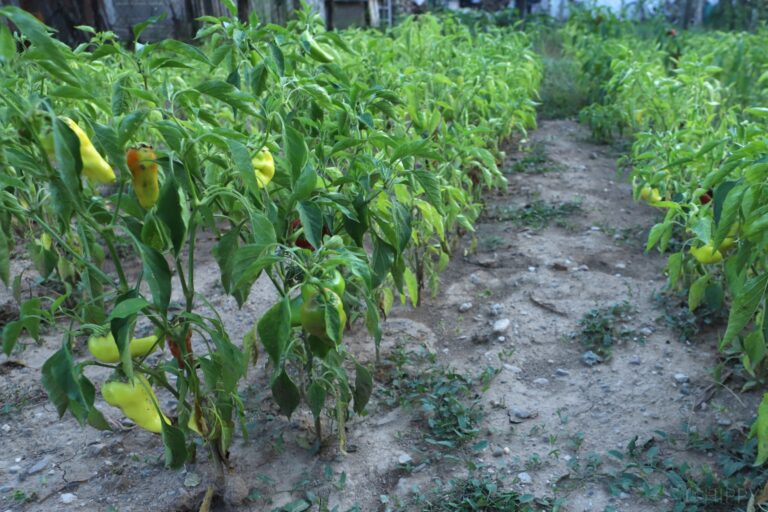
Now, the Southeast US represents one of the most challenging, and also most rewarding, areas to garden in. It’s a boom-and-bust zone, one where every advantage you are handed has an equally big drawback.
Don’t be intimidated, though; today I’m bringing you a comprehensive and, dare I say, Ultimate Guide to gardening success in the Southeastern United States.
Overview
The big advantages you’ll have when gardening in the Southeast are that you have an easy time starting and taking care of heat-loving fruits, veggies, herbs, and more. Rich soil abounds all over, and you’ll have long growing seasons as well…
The downsides are that it is often wet, too wet, so problems like root rot and fungal infestation can be constant foes.
Right behind them are endless legions of insect pests, among others. Pest control is a full-time job, and doing a good job without resorting to questionable chemicals is enough to make you tear your hair out.
Aside from that, you’ll have to contend with lots of clay soil, drainage problems, severe weather, and invasive, hostile plant life that can easily compromise and take over your garden.
That’s the margin notes, and we’ll get into details on all of that below so you’ll know what to do when the time comes.
Southeast US Climate Conditions
The very first thing you must do to master gardening in the Southeast, just like anywhere else, is understand the climate. The following information will give you a good chance of success anywhere, and I also advise you to drill deeper into the climate patterns of your specific local area.
Growing Zones
The Southeast generally encompasses zones 7 through 10, and within these zones, you have Florida, Alabama, Georgia, Louisiana, parts of eastern Texas, Arkansas, Tennessee, and the Carolinas. Looking at the Southeast on its own, we can further break up these zones on a macro level…
The coastal regions are typically zones 9 or 10, while inland parts of the Southeast make up zones 7 and 8. As a rule of thumb (but one with lots of gotchas as we will get to later) if you live on the coast, you can depend on much milder winters. Inland areas can surprise you with frosts and occasional freezes!
Being unprepared for either eventuality can be disastrous. Warm weather is the rule in the Southeast, at least comparatively, but there are always exceptions. Remember that.
Weather
Hot and humid, and rainy. So much rain. This is a blessing and a curse you’ll have to learn to manage. Hot weather makes for a long growing season, as mentioned, but intense, sustained heat can stress many plants, ornamentals, fruits, and veggies alike.
Dependably good rainfall is an advantage in most places, but it’s too much of a good thing in much of the Southeast, especially along the coast. Constantly wet, even swampy, conditions facilitate all kinds of nasty fungal infections that can become impossible to cope with.
These problems can be mitigated by selecting native or heat-craving plant varieties and working to minimize the effects of wet soil through above-ground gardening techniques and other solutions. I’ll tell you a lot more about those later, just be patient.
Lastly, the SE is a turbulent climate in every sense of the word. Strong to severe spring and summer storms are a feature of everyday life, and the warm season means the risk of hurricanes. These storms are immensely destructive, even far inland, as we have learned in recent years.
There’s only so much you can do to protect your plants from strong winds and apocalyptic flooding; total loss is always on the table if your area is in the path of a major storm. That’s just something you’ll have to live with.
Seasonal Planting Considerations
Your seasonal planting guidelines favor the warm season and limit the cool season. You can get warm-season veggies like tomatoes, squash, and peppers planted early in the springtime, maybe as early as mid-March or even sooner, and enjoy a double harvest.
If you get started late with slow-growing plants like melons, you won’t have to worry because the warm season lasts so long.
On the other hand, cool-season crops generally need to go out later unless you are planting more specialized heat-resistant varieties of lettuce, broccoli, and carrots. At the same time, the Southeast can surprise you if you’re counting on a truly mild winter because cold snaps are common, especially in the inland zones.
You would be wise to plan your garden around making the most of the warm season and remaining flexible and ready to react during the cool season.
Soil Content and Preparation
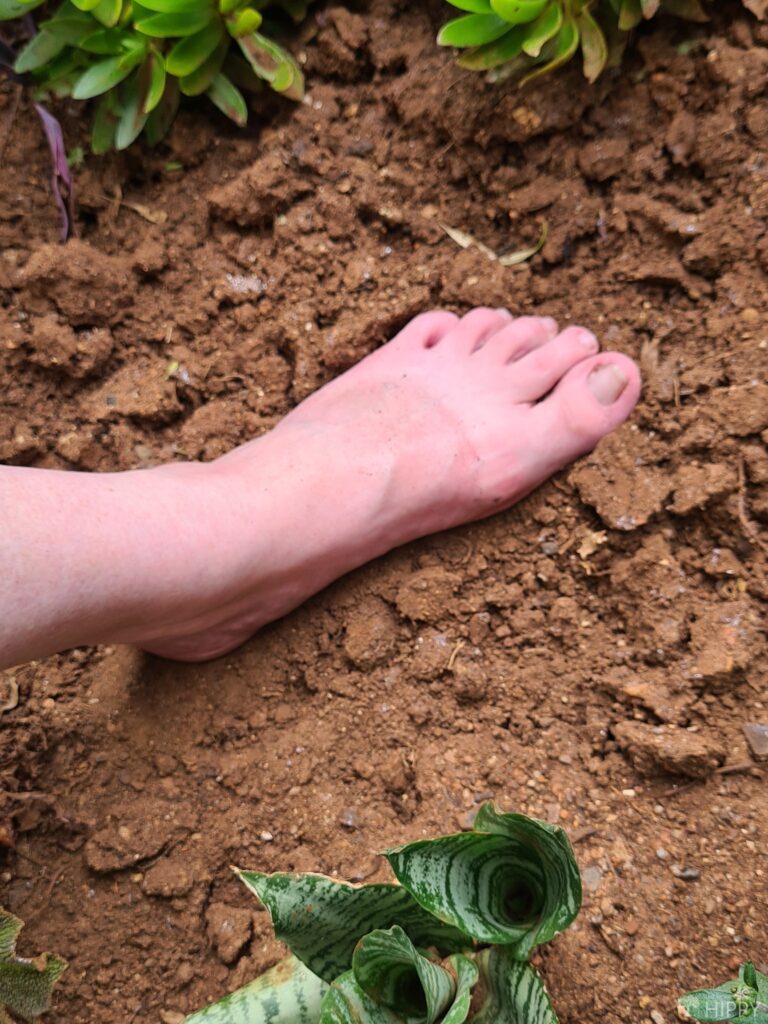
The single biggest gripe I hear over and over again concerning gardening in the Southeast is the soil. It can be your very best friend or the biggest pain in the butt. If you don’t learn to work with, or work around, the typical soil encountered here, you will never make it.
Type and Composition
There are three major types of soil in the Southeast, each with its own pros, cons, and nominal nutritional profile.
Clay is what you will hear about the most. It compacts readily and has very poor drainage qualities, but also holds a lot of nutrients and can supply them for a long time.
Sandy soil, naturally, is quite common around coastal areas and offers great drainage, but it doesn’t contain or hold many nutrients. You’ll need to add organic amendments to make the most of it.
Lastly, you have loam soil, which is a combination of sand, silt, and clay. It can be ideal for gardening because it offers a balance of benefits with few disadvantages.
If you’ve got good loam soil, rejoice! But don’t panic if you are planting in clay or sand; you’ll just have to put in a little work to prepare and maintain it or work around it.
Acidity
Many areas in the Southeast have acidic soil, and occasionally very acidic soil due to the prevalence of pine trees. Expect a pH range anywhere between 4.5 and 6.0.
Compaction
As mentioned above, the compaction of clay soils can prove to be a major obstacle. Heavy clay, especially clay that has been moved over or worked on repeatedly, can become back-breaking to work with, and it will stop root growth altogether.
I’ve known more than a few gardeners in this region who have gone crazy trying to work in enough amendments to prevent or slow compaction. Sometimes it works, sometimes it doesn’t, but it is always a major undertaking. On the heaviest clay soil, a better bet is usually to garden above ground in a raised bed or with containers.
Drainage and Aeration Considerations
Clay also doesn’t drain water well. This greatly exacerbates the stereotypical wet conditions you’ll encounter in the Southeast.
Always keep in mind that root rot is a constant threat, and if you cannot break up the soil well enough to ensure drainage, you’ll have to either plant elsewhere, plant above ground, or use containers.
You can use a garden fork, broad fork, or similar tool to break up compacted soil, but if you don’t start changing the soil composition, this is only a temporary solution.
Other Helpful Amendments
In my time throughout the Southeast, I found myself reaching for compost, well-aged manure, leaf litter, lime, gypsum, and mulch again and again. These amendments can be used to add nutrients and improve the texture of clay soil.
The Best Plants for Southeast Gardens
As ever, some plants are better suited than others for growth in the typical climate of the Southeastern US. The following plants aren’t the only things you can grow but represent ones that you’ll have great success with, assuming you do your part.
Ornamentals
Flowers like coneflower, bee balm, coreopsis, lantana, and black-eyed Susans are all great choices for their hardiness, heat tolerance, and typical adaptability to varying or poor soil conditions.
Southern magnolias are some of the most gorgeous, fragrant, and iconic trees of the region, along with gardenias, crape myrtles, and hydrangeas. Azaleas are another iconic southern favorite that will invariably thrive throughout.
Herbs
Kitchen mainstays like thyme, oregano, rosemary, and cilantro all do great in the heat, but you must take care to protect the first three from wet conditions. Dry is definitely better, and that makes these herbs ideal for growing in raised beds, pots, sunny porches, and similar places where their roots won’t get inundated.
Veggies
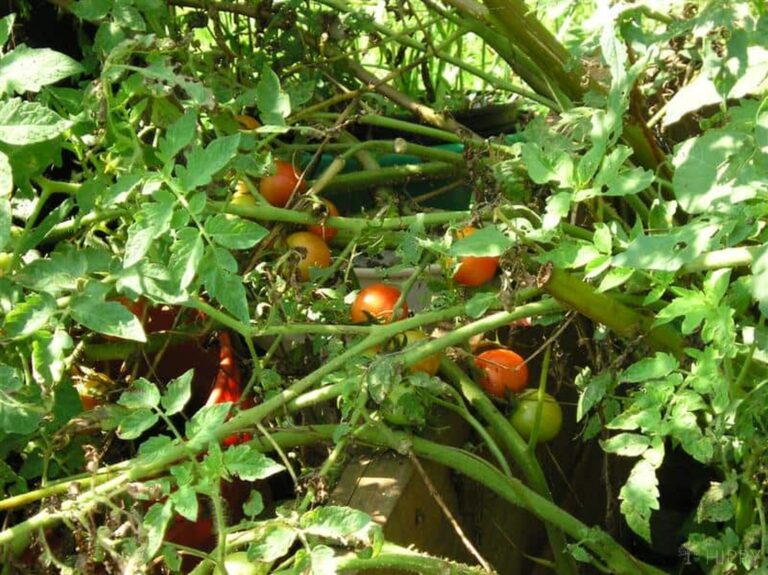
Tomatoes, peppers, okra, sweet potatoes, and green beans are southern mainstays for a reason. All of these plants have a high or extremely high heat tolerance and don’t do well in the cold. They do need varying amounts of shade, but it’s easy enough to provide that yourself as needed.
Fruit
The Southeast region is synonymous with plenty of fruits, too, among them figs, peaches, plums, and grapes, particularly muscadine grapes. Many cultivars have evolved or been bred with resistance to fungal infections, which will help you bring in a great crop.
Cover Crops Do Wonders for Soil and Garden Health
Cover crops are your friend wherever you’re growing in the Southeast. They can help to regulate soil, prevent diseases, drive off insect pests, and attract beneficial insects that you want hanging around.
There are tons of good choices here, but somewhat stereotypically southern cover crops include crimson clover, hairy vetch, and winter rye. Buckwheat is also common in the hot season; it has notable weed suppression and soil structure-improving qualities.
Do keep in mind that companion planting of cover crops depends on what you’re growing, and there are too many combinations to get into here as part of this general guide. Just rest easy knowing that no matter what you plan on growing, there is at least one or two cover crops that will work as companion plantings for your primaries.
Always Look for Heat-, Disease-, and Pest-Resistant Varieties
Pro Tip: Don’t jump on the first variety of seeds, seedlings, or young plants that you come across for your garden. Take the time to research and locate varieties that have notable resistance to pests, fungal infection, and especially heat.
Cold-optimized or delicate varieties, no matter how good their other qualities, often won’t make it in the Southeast.

Tailored Planting Strategies
Starting and Sowing
As a general guideline, you can plan on starting your seeds indoors about a month and a half prior to the last frost when heading into the warm season. If you live in the northern reaches of the Southeast, specifically in the interior, start two months early just to be on the safe side.
Depending on where you live, you’ll be able to safely transplant or move plants outdoors after the last frost date, which ranges from March to May depending on your latitude.
Succession Planting Makes Life Easier
Here’s another tip that saved me a ton of grief once I got settled down here, and it will do the same for you. Don’t plant all at once; instead, plant in waves or intervals spaced about two weeks apart.
This practice, succession planting, means you’ll be able to bring in several smaller harvests separated by about the same amount of time.
This means you won’t be in a mad scramble to bring in all of your fruits and veggies before they start to rot on the vine, and it also reduces the window of vulnerability to various pests and diseases found at different phases of growth.
Raised Beds Beat Bad Soil and Excess Moisture
Don’t try to fight bad, uncooperative soil here, go above it instead! Raised beds are your shortcut to gardening success in the Southeast.
If the soil is nutrient-depleted, too loose, too compacted, or just inadequate in any way, installing raised beds lets you control the soil that your plants are growing in and improve drainage at the same time.
Be Prepared to Protect from Cold Snaps!
If you don’t have anything on hand to protect your garden from sudden cold snaps, you are planning to fail. The Southeast will always surprise you with its volatile weather, and even a weekend-long blast of colder air and frosty nights could be sufficient to severely damage your plants.
Row covers, blankets, wraps, and more are all still useful down here.
Also Have Shade Solutions Close at Hand for Delicate Plants
Assuming you aren’t trying to grow unsuitable cultivars, you can count on most plants that grow well in the Southeast thriving in the sun. Unfortunately, droughts are still fairly common, and when that happens, even the most sun-loving plants can get too much of what they crave.
As with cold, you need to prepare now so you can quickly set up shade cloths or other protective covers when and as needed if the weather turns against you.
Pests, Pests, and More Pests
I won’t lie: you’ve got your work cut out for you when it comes to pests down here. Be on constant watch for the following and take all necessary measures to prevent and eliminate them.
Aphids
A true menace and one of the biggest threats to tomatoes, peppers, and other nightshade family plants. Use horticultural oils, insecticidal soap, or get plenty of ladybugs to get rid of them. A strong spray of water can also wash them off of sturdier plants.
Hornworms
These caterpillars will decimate tomatoes and other soft-skinned veggies. They have few predators, too, so you’ll need to resort to making your rounds and plucking them off by hand or using insecticide as needed.
Vine Borers
Vine borers target zucchini, cucumbers, and all kinds of squashes. The best prevention is to stop their intrusion mechanically before it occurs. Smart gardeners long ago figured out that wrapping stems and vines with aluminum foil acts as armor, and various varieties have been bred specifically for vine borer resistance.
Stink Bugs
An infamous garden pest in the Southeast, and one that is basically a symbol at this point! Stink bugs are annoying but harmless to people, yet they can spell devastation for beans, squashes, and more because of their straw-like, sap-sucking mouthparts.
There are so many you’ll never get them all; use row covers and plant sacrificial trap crops to reduce their damage.
Ants
Most ants won’t hurt your plants directly, but they can hurt you! Fire ants are everywhere, pack a painful sting, and are highly defensive of any disturbance around their nest. Be on the lookout and exterminate them with prejudice!
Plus, some ant species have a symbiotic relationship with aphids; they actually feed on the sweet, honey-like secretions that aphids leave behind on your plants, and they will shepherd aphids to new plants to continue the cycle once they have drained their current host!
Slugs and Snails
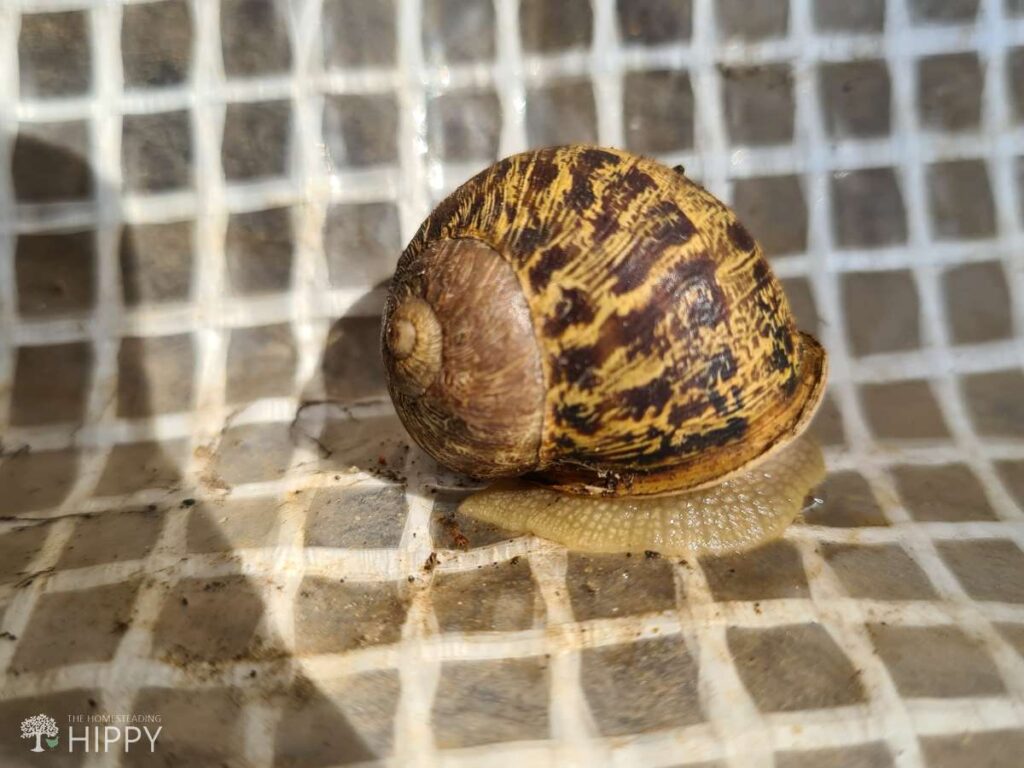
You’ll never see masses of slugs and snails like you will in the Southeast. A major infestation can completely demolish your garden overnight.
Be on constant watch for them, and set up beer traps, crushed eggshell barriers, salt, and other defensive measures to keep them off of your precious plants. Copper tape is another effective deterrent placed around beds or pots.

Tim is a farm boy with vast experience on homesteads, and with survival and prepping. He lives a self-reliant lifestyle along with his aging mother in a quiet and very conservative little town in Ohio. He teaches folks about security, prepping and self-sufficiency not just through his witty writing, but also in person.
Find out more about Tim and the rest of the crew here.