
Rabbits, like all animals, engage in some puzzling behaviors. Some are comical, others are strange, and others are downright concerning.
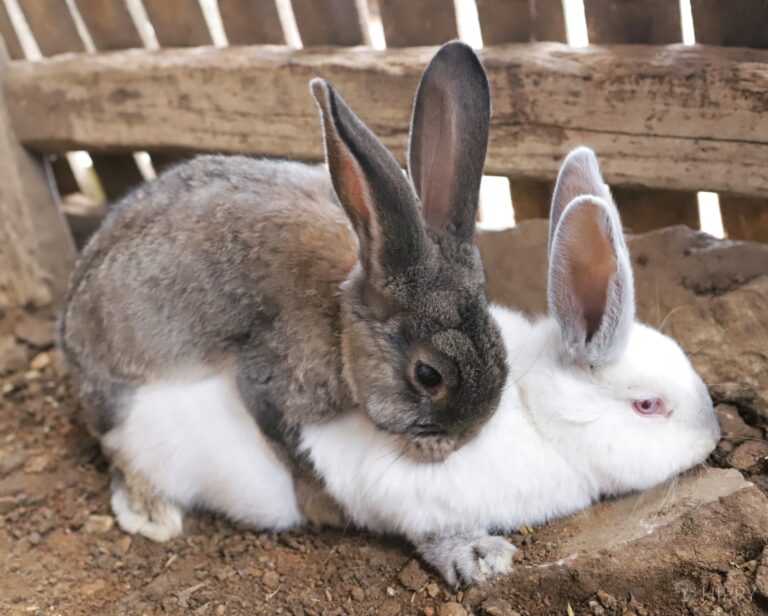
One of the most concerning for rabbit owners is fur pulling. It starts out a little odd, sure, seeing your rabbit just pull a clump of fur off of herself, but in time it can turn really shocking. Rabbits can develop major bald patches and tear at themselves with an almost manic intensity!
It’s enough to put anyone on edge, but I’m here with some good news: your rabbit’s fur pulling might be entirely predictable and, even better, treatable with the right intervention. If you are fortunate, it might not be anything that you need to try and treat at all!
Keep reading and I’ll tell you all about how you can put a stop to your rabbit’s fur pulling below…

Why is My Rabbit Pulling Out Her Fur in the First Place?
When you notice your rabbit pulling out her fur, it could be due to a range of reasons.
Boredom is one common cause. Rabbits are intelligent and active animals that need mental and physical stimulation. Without appropriate toys or playtime, they may resort to fur pulling to entertain themselves.
Confinement can also lead to this behavior. If a rabbit feels trapped or restricted in a small space, she might pull her fur out due to stress or anxiety.
Mites and other parasites can cause discomfort and attendant injury that can lead your rabbit to pull out her fur directly or as a consequence of trying to tend to them.
This is often accompanied by other signs such as excessive scratching or redness on the skin, sores, lesions and sometimes bleeding! You know the itching has to drive the poor things mad…
If your rabbit is pregnant, she is highly likely to start pulling out her fur to create a warm, lined nest for her upcoming litter of baby bunnies. This is a natural instinct, and nothing to worry about though it can be quite shocking if you’re new to rabbits, or their pregnancy!
Something else to keep in mind is that a false pregnancy can trigger the exact same nesting behavior, even if your animal isn’t actually pregnant.
This is definitely unwanted, but nothing to get too alarmed over though you still likely want to stop it if you can unless you plan on breeding the rabbit in question in the near future.
Barbering is another cause, and is a term used when a rabbit starts to over-groom themselves or another rabbit, which can result in not-insignificant fur loss. This impulsive behavior usually has a negative root cause like stress, dietary issues, or underlying health problems.
And sometimes, rabbits assert dominance by pulling out the fur of subordinate rabbits. It’s their way of showing who’s boss!
Sometimes you can stop it and if you can, you should; it might be “natural” but is definitely no good concerning our domestic bunnies. On a related note, legitimate fights or even attacks from predators can result in the fur flying- literally!
Lastly, a pronounced lack of dietary fiber can prompt a rabbit to start pulling and actually eating its own fur- or another rabbit’s! This is one of the most serious causes of fur pulling and one that must be addressed since it is symptomatic of even worse health issues.
We’ll tackle the correct responses to each of these issues in the following sections.
Solutions for Fur-pulling
Enrichment, Exercise, and Activities
To combat boredom and confinement, provide your rabbit with plenty of enrichment. This could take the form of toys that encourage chewing, digging, and foraging.
Puzzle toys are particularly useful as they stimulate your rabbit’s mind. And as always, ensure your rabbit has enough space to hop around freely: If possible, allow it some supervised out-of-pen or even outdoor time for exploration and adequate exercise.
And don’t forget that social interaction is also imperative for bunnies; spend quality time playing with them and consider getting a rabbit companion or two if you can. They need social activities the same as we do.
Treatment, Medicated Baths, and Pest Control
If mites or parasites are causing your rabbit to pull fur, you should consult a vet for proper identification and subsequent treatment. They may recommend specialized medicated baths or topical treatments that can kill off the parasites and ointments or other meds to soothe and heal damaged skin.
In addition to this, keep in mind that maintaining a clean living environment for your rabbit is crucial, too.
Regularly clean and disinfect the hutch or other enclosures, and consider using pest control methods to keep mites and other parasites at bay and prevent re-infestation. Here, prevention is as always better than cure!
Do Nothing for Pregnant Rabbits
If it turns out your rabbit is pregnant and pulling out her fur, don’t worry! Breathe a sigh of relief because this is entirely normal! She’s simply preparing for her new arrivals by creating a warm, soft nest.
You don’t need to do anything about it, just make sure she has comfortable bedding and plenty of nutrients in her diet to support her through the pregnancy.
However, keep an eye on her and see if the behavior does not “level out” as she completes the nest environment; if she won’t stop plucking, there might be another cause…
Consider Spaying
For lady rabbits that are experiencing false pregnancies and subsequently pulling out their fur, spaying could be a solution to consider.
Spaying not only greatly reduces instances of false pregnancies but also eliminates the risk of uterine cancer in rabbits, which is common in older, unspayed females.
As expected, you must consult with a trusted vet before making any decisions regarding spaying surgery. After the op is done, your rabbit should stop or at least greatly diminish nesting behaviors, fur pulling included.
Make Sure All Rabbits Have Needs Met
Barbering, excessive grooming leading to fur loss, can be a tricky one to pin down whether your bunnies are plucking their own or another’s fur. Generally, it is a sign that the “barber” rabbit’s needs aren’t being fully tended to.
Start by ensuring all your rabbits have a balanced diet, plenty of clean water in unlimited quantities, and a suitably spacious and sanitary environment. As mentioned above, provide them with toys and regular exercise to keep them mentally stimulated and fit.
Logically work through potential issues and see if the behavior doesn’t abate.
Separate Aggressive Rabbits
Dominance issues (especially between intact males) and fights resulting from any casus belli can lead to serious fur pulling.
Unlucky or puny rabbits might wind up looking like a battered stuffed animal with some stuffing missing! If one of your rabbits is consistently aggressive towards the others, it’s best to separate them.
Give each rabbit their own space where they can feel safe and secure. In the case of intact males, make sure they cannot see each other or eligible females, and, ideally, cannot smell each other.
If you’re having trouble identifying the aggressor, spend some time noticing their interactions or consider seeking advice from a vet.
Protect Rabbits from Predators
If major chunks of fur and skin are missing, predator attacks are an issue. It’s crucial you act at once to ensure your rabbit’s safety!
A sturdy, secure hutch is a must, and it should be raised off the ground and have a strong, fine wire mesh that can’t be chewed through or broken into by predators. Remember that dangerous predators like snakes and rats can squeeze through even tiny openings.
Make sure to close and lock all doors and windows at night. If your rabbits get time outside, ensure the area is secure and supervise their explorations to (hopefully) prevent attempts on their lives by predators.
Ensure Adequate Fiber and Other Nutrients
Nutritional imbalance or malnutrition is a biggie when it comes to fur pulling, and a lack of fiber is often the prime instigator.
To prevent this, make sure your rabbit’s diet is rich in fiber and other essential nutrients that they need to survive. Hay, as always, should make up the majority of their diet as it provides plenty of the necessary fiber for healthy digestion.
Fresh veggies, fruits, and high-quality rabbit pellets can supplement their diet to provide additional needed vitamins and minerals. Consider regular vet check-ups to help monitor their nutrition if you suspect any issues.

Tim is a farm boy with vast experience on homesteads, and with survival and prepping. He lives a self-reliant lifestyle along with his aging mother in a quiet and very conservative little town in Ohio. He teaches folks about security, prepping and self-sufficiency not just through his witty writing, but also in person.
Find out more about Tim and the rest of the crew here.