
ea, truly, is one of life’s great little pleasures. It is warming, energizing, calming, and tasty hot or iced. It’s the perfect way to cool down on a sweltering day or warm up on a chilly one. It can give you some perk in the morning without the jitters or help you settle in for a good night’s sleep.

There’s nothing like it, and whenever you need something new, you can just try a new blend. The only thing better than tea is fresh tea that you’ve grown, dried, blended, and steeped yourself.
Best of all, herbal plants that make for great tea ingredients are very easy to grow, either in their own dedicated tea garden or as companion plants in your existing one.
In this article, I’ll be telling you about the best herbs you should grow in your tea garden. Grab your gloves and spade, and we will get to it.
Stevia
- Growth Zones: 9 through 11.
- Planting Requirements: Prefers full sun, tolerates partial shade. Must have regular watering and well-draining soil.
- Try These Companionss: In a tea garden, it’s good neighbors with mint and basil. In an herb garden, try it next to oregano.
You probably already know what this is. Stevia has made waves as an all-natural sweetener that doesn’t add any calories. The plant itself is also quite a looker, growing nearly three feet tall with stems sprouting tapering, narrow emerald-green leaves and little white flowers.
If you like sweet tea, whatever the other flavors, this is the herb for you. And you don’t need much: the glycosides that make stevia taste sweet are far, far more intense than common sugar. Don’t overdo it!
This perennial plant will return year after year, but you should know that it starts to diminish over time. Usually, you’ll get two to three good years out of it, though you can stretch it to four if you don’t use it very often. Consider replanting before that time if you want to keep production high.
Basil
- Growth Zones: 4 through 10.
- Planting Requirements: Tons of sun, well-draining soil, and regular watering. Soil must be well-draining and rich—basil is a heavier feeder.
- Try These Companions: Tomatoes and peppers in a vegetable garden. Among other herbs, pairs well with oregano.
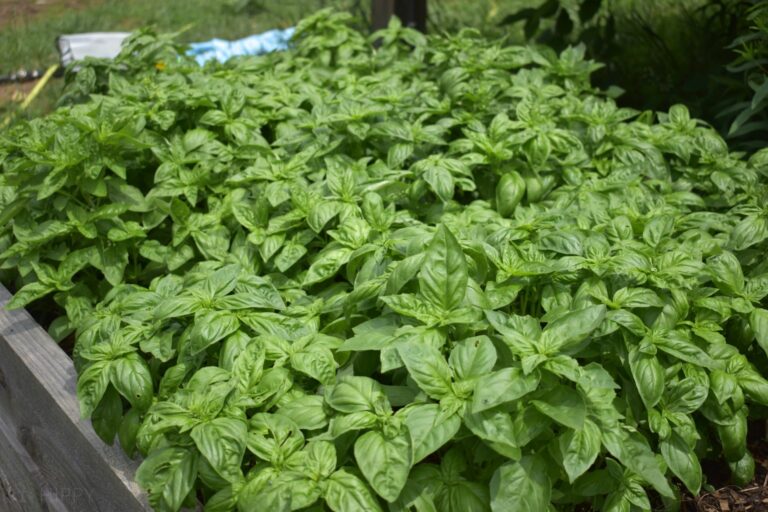
Kitchen herb royalty thanks to its sweet, fresh, and vaguely peppery flavor, most folks have never even thought to try basil in herbal tea. Turns out, it tastes much the same and is flexible enough to be a great complement to many other flavors.
Better yet, basil is world-renowned for its potent antibacterial properties, making this a health-boosting ingredient anyway you care to prepare it. The live plant itself is also highly aromatic and can easily freshen your home if grown indoors.
Although quite bushy and almost shaggy, I think it’s still pretty attractive: bold, medium-green oval leaves with small white or cream-colored flowers that are beloved by pollinators.
Peppermint
- Growth Zones: 3 through 11.
- Planting Requirements: Loves full sun, but can still thrive even in partial sun. Needs moist, well-drained soil. Must be contained; spreads aggressively and quickly!
- Try These Companions: Chamomile, in a tea garden. Or alongside cabbage, kale, and carrots elsewhere.
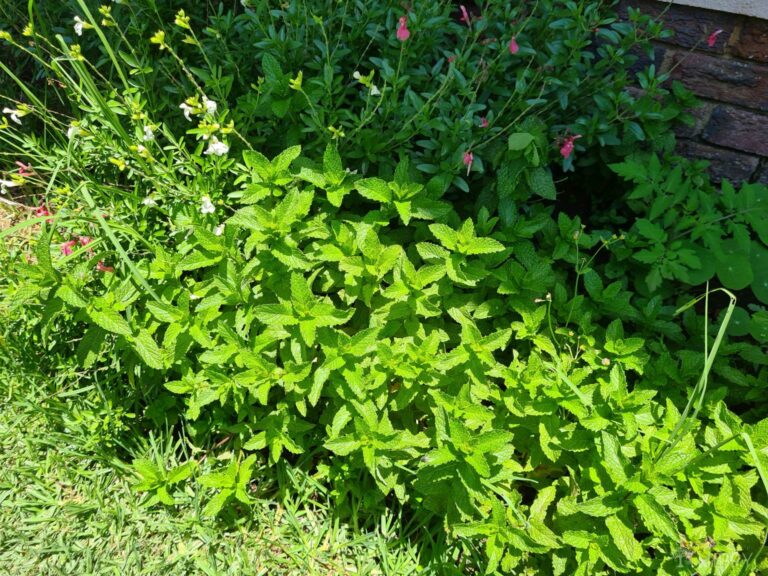
Mint is one of the truly great herbal tea ingredients. That refreshing, bracing menthol flavor tastes somehow cool and warming at the same time.
It has been used for ages in blends to support digestive health, provide stress relief, and even relieve pain. If you are stressed out and upset, peppermint is perfect! It’s also stupendously good as iced tea.
Peppermint has dark green, sharply serrated leaves and sprouts small but attractive purple flowers in the summer. But you should know before you plant: peppermint is notoriously invasive! It can grow up to three feet tall, and it does so quickly.
It spreads just as fast and has a nasty habit of taking over and strangling other nearby plants that it can’t cohabitate with.
You don’t have to consign yourself to constantly maintaining it, though. Just plant it in a container, and it will be much easier to manage! If you are planting it in a normal garden, consider putting it at the edges of the plot. That way, it can sprawl with less risk, at least in a few directions.
Lemon Balm
- Growth Zones: 4 through 9.
- Planting Requirements: Grows well in full sun or partial shade. Regular watering is a must to prevent wilting, but soil must be well-draining. Waterlogging will quickly rot and kill roots.
- Try These Companions: Lemon balm grows well alongside tomatoes and nasturtiums particularly, along with quite a few other plants.
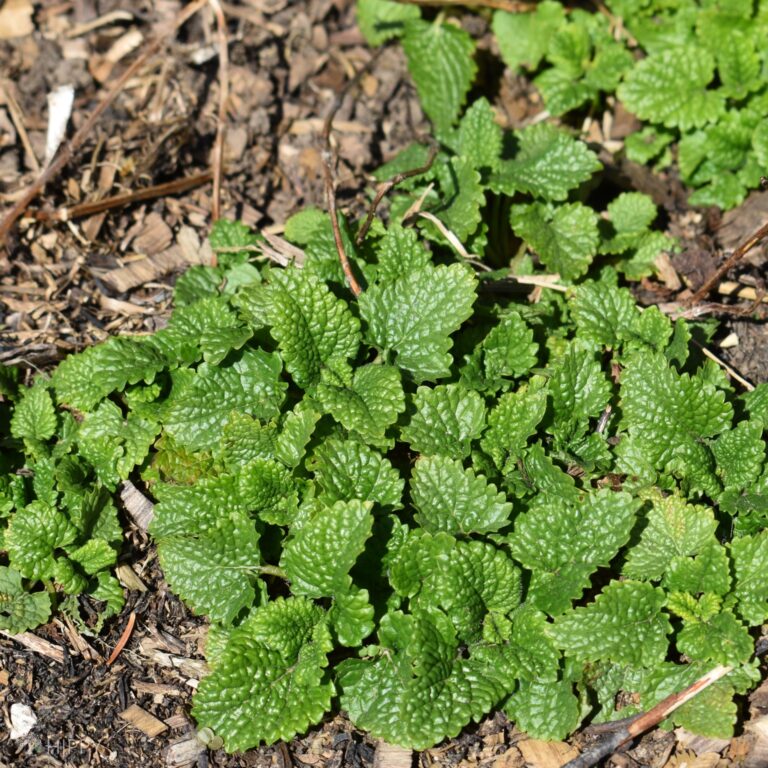
A true superstar ingredient for herbal tea, lemon balm, as the name suggests, has a lemony fragrance and flavor, and it’s delicately sweet. It is a mainstay of stress-relief and evening tea blends that promote deep, restorative sleep.
The plants themselves are also quite attractive and highly aromatic even when live, with bright green, slightly fuzzy leaves and tiny flowers of cheerfully accenting white.
For big tea drinkers, lemon balm is a great producer: the plant is big, bushy, and bountiful, growing up to two feet tall and wide. It’s also easy to reproduce from a cutting if you care enough to bring it indoors and protect it during the harsh winter weather.
Note that lemon balm is a member of the mint family. Not in flavor, for our purposes, but you’ve got to keep an eye on it: although not as wild as peppermint, it will spread and take over if uncontained or if you neglect pruning. Consider yourself warned!
Lemon Verbena
- Growth Zones: 9 through 11.
- Planting Requirements: Must have full sun and well-drained soil. Resists drought once mature.
- Try These Companion Plantings: Grows great alongside lavender, thyme, and rosemary.
If bright, citrusy flavor is what you want in your tea, look no further than lemon verbena. Unlike lemon balm, which is only somewhat lemony, lemon verbena tastes very much like the fruit that you would expect! It can be quite tangy, and this makes it a great inclusion in any blend that is destined to become a refreshing iced tea.
Nonetheless, it’s just as good in hot tea, too. It enhances digestion and has known properties as a mood booster. It just makes you feel good!
You’ll also feel good looking at it; it sprouts small lavender or creamy blooms interspersed with its slender, long, and vivid green leaves. Once mature, it forms a nice shrub, capable of growing up to six feet tall!
It’s the perfect choice for folks who want a truly ornamental inclusion in their garden or elsewhere on their property. The only downside is that it is hardy only in zones 9 through 11. You’ll have to winterize, bring it indoors, or else grow it as an annual elsewhere.
Chamomile
- Growth Zones: 3 through 9.
- Planting Requirements: Full sun and sandy, well-drained soil. Water conservatively and only as needed.
- Try These Companion Plantings: In an herbal garden, next to basil or mint. Elsewhere, makes a great neighbor for onions and other allium genus plants.
A potent stress reliever and noted both for its sleep-improving properties and sweet, vaguely fruity flavor, it’s hard to do better than chamomile for putting together your own herbal tea blend. This is also a highly attractive herb that looks good just about anywhere thanks to its broad, thick, emerald-green leaves and daisy-like blooms.
This is an ancient tea plant, one that has been cultivated for the purpose throughout Europe for ages now. It is also one of the few herbs on this list that is so good, with such a well-rounded flavor, that you can steep this alone and still end up with a great cup.
This is a great starter herb that can serve as the foundation of a tea garden: it grows well almost anywhere, there are several varieties with different properties, and it works great in blends. A favorite for a reason!
Coriander
- Growth Zones: 2 through 11.
- Planting Requirements: Grows wonderfully in full sun. Must have well-drained soil. Take care to avoid overwatering, as this can quickly compromise health.
- Try These Companion Plantings: Dill, anise, spinach, and kale all make good companions for coriander.
If you’re looking to take your tea to the next level or give your favorite blend a warm, almost spicy punch, reach for cilantro. Yes, it’s the same spice you are expecting—it’s just cilantro seeds! You can use the leaves in the kitchen and the seeds for tea time. I think that’s a bargain.
It’s hard to describe the flavor of coriander in herbal tea, but most folks I know who have tried it like it. It is a little earthy, a little warm, a little citrusy, and vaguely spicy. I think it’s just as good in summer tea blends as it is in ones for colder weather.
If you’re working with limited space or even indoors, you’ll find that cilantro plants are a cinch to grow in containers, and that makes this another superb plant for a space-limited tea garden.
Thyme
- Growth Zones: 5 through 9.
- Planting Requirements: Full sun, sandy, well-drained soil. Resists drought once mature.
- Try These Companion Plantings: In a tea garden, with lavender and rosemary. In a veggie garden, place between eggplants.
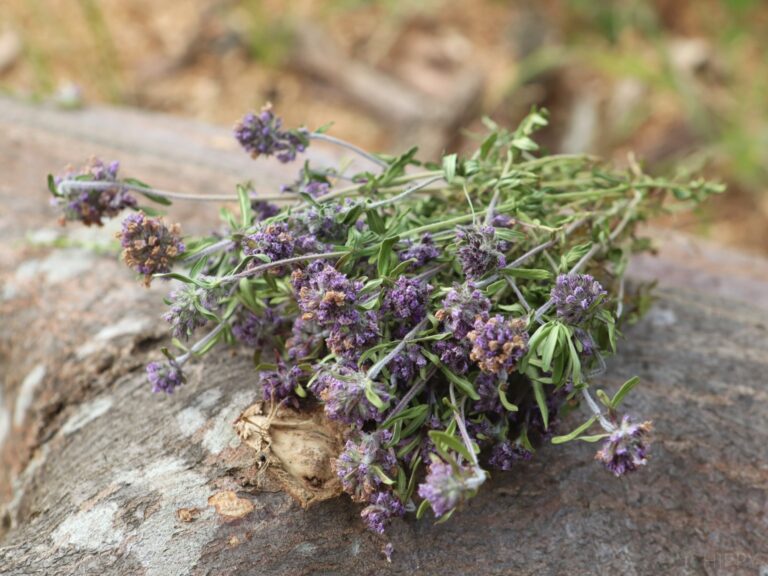
Here’s another common kitchen herb that might be new to you in tea! Thyme will taste like it always does: a little earthy, vaguely sweet, and ever so slightly grassy.
I really like it for leveling out sweeter blends and also in a nighttime tea, especially when I’m feeling under the weather. It has known immune system-boosting properties and is especially good for your respiratory system.
The plant itself isn’t much of a looker thanks to its bland, gray-green leaves, but when it’s in bloom, it will sprout clusters of pink or purple flowers.
This is also a low-growth herb for your garden, as it forms a thick mat and typically only reaches about 6 inches tall. Very mature or extraordinary plants might reach a foot tall.
It is an especially good complement to citrusy herbs like lemon verbena and lemon balm above. Give it a try next time you feel like experimenting.
Ginger
- Growth Zones: 9 through 12. Readily grows indoors in cooler zones.
- Planting Requirements: Partially shaded in rich, well-drained soil that’s kept moist.
- Try These Companion Plantings: Plant next to lemon balm in a tea garden.
When it comes to warm, spicy herbal blends, ginger is truly a must-have. It’s also a noted health food, famed for its improvement of digestion, easing of inflammation, and lessening of cold and flu symptoms. Even when you are healthy and well, warm ginger tea just makes you feel good!
Whether you are using ginger as the sole ingredient or as one of many in a blend, you’ll love this at tea time.
Unlike the other plants on our list, it’s the ginger root that you are after as an ingredient; when the plant is mature, dig it up and dry it out before processing it into slivers or powder for making tea.
Rosemary
- Growth Zones: 8 through 10.
- Planting Requirements: Needs full sun and well-draining soil. Highly drought tolerant.
- Try These Companion Plantings: In an herb garden, pair with thyme or lavender.
Only herbal tea aficionados will be familiar with rosemary in this context. For everyone else, it’s a fantastically popular kitchen herb enjoyed around the world.
In tea, though, rosemary has a slightly savory, grassy, citrusy, and pine-like flavor that adds remarkable depth and character to any blend.
Rosemary has compounds that are known to promote good circulation, focus, and alertness. The aroma is to die for! This is a bountiful plant that can keep you supplied with dried leaves throughout the year so you can enjoy it whenever you want.
Just think things through when planting: it grows just as well in a container as it does in the ground, but it grows as a woody shrub that can reach heights of up to six feet!

Tim is a farm boy with vast experience on homesteads, and with survival and prepping. He lives a self-reliant lifestyle along with his aging mother in a quiet and very conservative little town in Ohio. He teaches folks about security, prepping and self-sufficiency not just through his witty writing, but also in person.
Find out more about Tim and the rest of the crew here.