
One of the most interesting, and sometimes most challenging, aspects of owning chickens is learning about all of the different breeds out there. All chickens have different advantages, disadvantages, and traits that will make a difference in your quality of life when raising them.
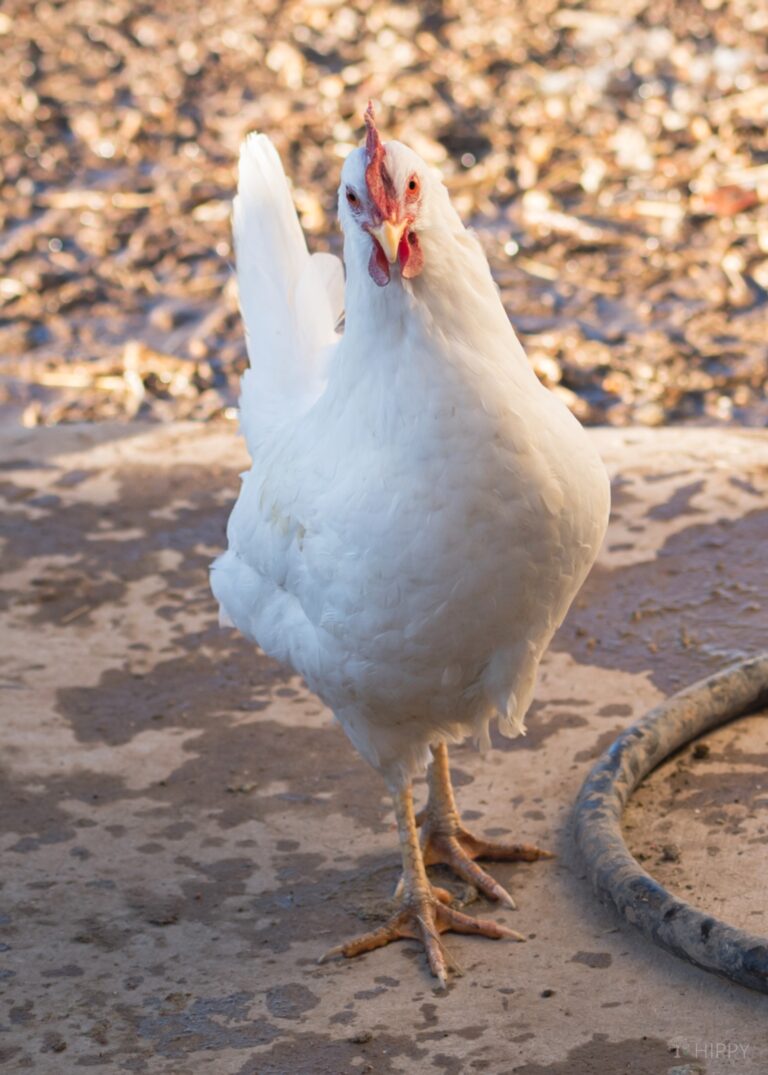
In this article, we will be doing a deep dive on the Leghorn, one of the most historically popular breeds around and one that remains a really good egg layer today. But the only question that matters is if it’s the right chicken for you!
Keep reading and we’ll get right into it.
Leghorn Origins and History
Sometimes referred to as the Livornese, this old Italian breed has been in America for going on two centuries now, since at least 1828 and likely a little earlier.
Like so many heritage breeds, the precise genetics of the Leghorn are murky and unknown. It is thought to have been derived from various other light-bodied breeds either brought to or found living in and around Tuscany in central Italy.
As best we can tell, Leghorns have always been kept as exceptionally good egg layers, and throughout history have been used as breeding stock for the development of superlayer breeds or for increasing the laying capabilities of other breeds through hybridization.
Something else worth noting about the Leghorn is that it came from Italy to the United States first and from there was exported to the UK in the late 19th century before coming full circle, back to Italy, and establishing a new breed standard there.
Plumage, Colors, and Patterns
The Leghorn is the very picture of what a chicken is supposed to look like for many people: pearly white feathers, bright red wattles and combs, and sunflower yellow legs. This is one of the most common and also most popular colors among Leghorns, but far from the only one.
Unknown to some casual chicken fans is that Leghorns are available in quite a wide variety of colors, including various shades of brown, buff and black, silver, barred, red, and various variations thereof.
Those are all standard colors and APA-recognized, but poultry governing bodies and standards in other countries do vary, and in any case, there are many more “boutique” or designer colors that have been developed by breeders and hatcheries.
Some you might encounter include blue, blue and red, pile, various shades of duckwing, and lavender.
Whether you want to stick to the officially accepted colors or track down truly unique birds for your flock, you are sure to find a Leghorn in a color that will please you if you look hard enough!

Size and Weight
Leghorns are firmly in the medium category. Adults stand about 16 inches tall, and roosters weigh anywhere from 5 1/2 to 7 1/2 pounds.
As expected, the ladies are a little bit smaller, but in the case of Leghorns, they are significantly smaller, rarely weighing more than 5 pounds when fully grown.
Are There Bantam Leghorns?
Yes. Bantam Leghorns exist if you love the idea of these birds but just want a much smaller flock. Adults, hens or roosters, won’t weigh any more than 2 1/2 pounds.
Build
Compared to bulkier and beefier breeds that were developed more recently, Leghorns are slim, nimble, and graceful in appearance.
Tail feathers are long and held nearly vertical, and these birds are notable for their long gait, upright posture, and general poise that lends them an air of athleticism and alertness. Viewed in profile, they have an inverted arch shape that is quite distinctive.
This appearance is not merely aesthetic: assuming they are in good shape and not overweight, Leghorns are notably more active and faster than most other breeds.
Lifespan
Leghorns have only a modest lifespan by chicken standards, with healthy adults from good lines living on average about 6 years or a little less. Birds that live longer than this are not uncommon, though…
Purpose
Although they have been raised for meat as a matter of convenience or availability, the leanness of your average Leghorn makes this far from their best use. Carcass yield is low compared to other breeds, though their meat is said to be of slightly above-average quality.
Instead, Leghorns have been historically kept and are still kept today as tremendous egg producers thanks to their vitality and excellent output.
Laying Age
Typically between 4 and 5 months old. Although they are not the earliest producers around, as mentioned, Leghorns are highly reliable when it comes to egg production, and this includes the first lay.
Egg Laying Characteristics
Leghorns are remarkable egg layers not just in terms of quantity. Their eggs are somewhat heavy and large for their size, and this can sometimes cause issues for small hens.
Even when they are young and still developing, they might be laying big eggs that are difficult for them to pass! This might result in cracks or other damage if they aren’t getting enough calcium, and seeing a little spot of blood on the shells of young Leghorn eggs is fairly common.
Output
This is where Leghorns truly shine. On average, a Leghorn hen will lay around 280 eggs each and every year, and many healthy, highly productive girls will crank out more than 300. This equates to between 5 and 6 eggs a week.
Curiously, this extreme output is only regularly attained by the classic white Leghorn variety. Other colors, standard or not, lay somewhat fewer eggs, averaging 5 weekly.
In any case, except for the most demanding operations, just a few Leghorn hens can keep you, your extended family, and all of your neighbors swimming in eggs, and for this reason, the breed often forms the core of a productive egg-laying operation.
Egg Size
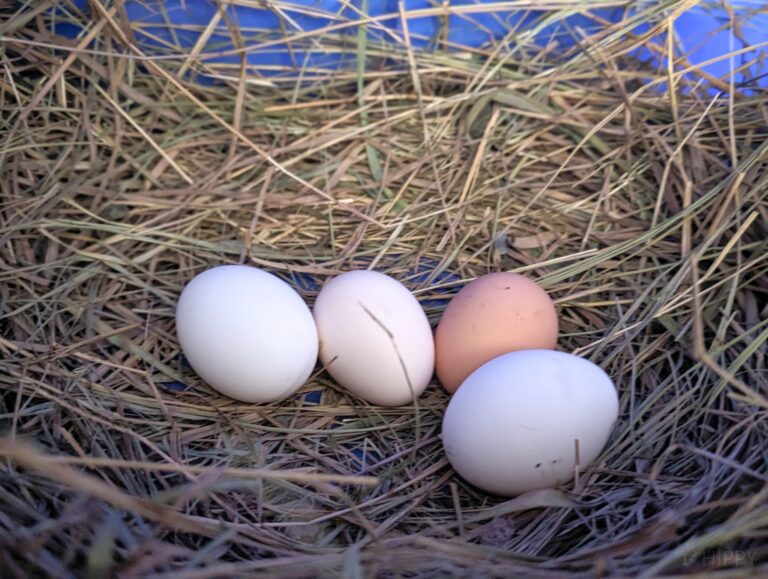
Leghorn eggs are noticeably large for their size and run anywhere from medium to XL in classification, with an average weight of just a hair over 2 ounces.
However, typical size is also quite variable from breed to breed and line to line: if you have your heart set on the biggest eggs possible, talk to your hatchery or breeder and make sure you’re getting girls descended from a line known for large eggs.
Egg Color
White. That’s it! No matter what color your bird’s feathers are, they will only ever lay white eggs.

Leghorn Diet
Leghorns eat the same diet that all other chickens do. Insects, grains, all kinds of plant matter, and of course, high-quality chicken feed. As always, they need grit in their diet in order to promote good digestion and gizzard health.
Another thing to keep in mind is the dietary requirements of laying hens: because they lay so many eggs, and such large ones, the girls need even more calcium and protein.
Giving them a well-fortified layer feed or plenty of protein- and mineral-rich snacks like mealworms can keep them cranking out plenty of eggs that have healthy, thick eggshells.
If you let your hens go without enough calories, protein, or calcium, they could start to slow down, cease laying entirely, or even suffer from absent or broken eggshells internally, which can threaten their life via blocking the oviduct.

Foraging Ability
Something else to know if you have a large property is that Leghorns are excellent foragers and hunters. Let them free-range, and they can supply a considerable portion of their own food by scratching around on your property and looking for tasty bugs and worms.
Do note, though, that they are notorious for tearing up landscaping and gardens, so you’ll need to protect any plants that you don’t want them to have access to.
Of course, your birds can only locate food that’s actually present in the first place: they won’t be as successful in the wintertime or if your property is mostly barren.
Keeping Leghorns confined to a tractor or in a run means they will deplete what food is there in a very short period of time, so you must plan on feeding them as usual in such cases.
Attitude and Sociability
Leghorns are middle-of-the-road when it comes to their attitude and overall sociability.
As long as you raise them right, interact with them frequently, and treat them well, you’ll find that most will be easygoing and friendly to people, though they are a naturally skittish breed even by the standards of chickens.
They might not be trusting of strangers that they do not know.
Roosters are notorious for being standoffish and reserved, even if they know you and nominally trust you. A Leghorn rooster that is truly friendly with you is something of a rarity compared to other breeds, and aggressive, territorial males are pretty common.
Be ready to subdue them if you don’t want them to harass you anytime you come into the run or coop.
Leghorns quickly establish a pecking order among themselves when in a flock of like kind, but they tend to be either too domineering or too withdrawn in mixed flocks unless they were raised alongside the other birds.
Adding a Leghorn to an existing flock might be a little more challenging than usual, and you should be cautious about adding one or two chickens of other breeds to your existing flock of Leghorns. Be ready to swoop in and put down relentless bullying.

Notable Health Considerations
There are no major health and wellness considerations to worry over with the Leghorn breed generally, and so long as they are bred with a modicum of care and responsibility, you’ll find these are some of the healthiest chickens around.
However, as mentioned above, females and particularly smaller ones are more prone to suffering from egg-laying mishaps like egg binding than other breeds.
This is something that can go undetected until it’s too late, especially if you have a large flock that won’t reliably lay in nesting boxes.
Make it a point to pay attention on your egg collection rounds, and if you notice a girl that’s more than a couple of days overdue for her next lay, you must investigate promptly.
If you don’t take care of a bound egg or don’t get the bird to the vet in time for remediation, it will kill her!
Leghorns are the Best Chicken for Owners Who…
This breed is most obviously the ideal chicken for people who want tons and tons of eggs.
When it comes to sheer output, size, and quality of eggs, Leghorns remain one of the very best breeds in the world, if not the best overall. At the very least, a healthy hen will give you 280 eggs yearly for the first couple of years of her life.
Like all other chickens, they do slow down as they age, though…
This amazing egg output also makes them the top choice for small backyard and hyper-efficient flocks: you won’t need any more than one or two hens if you’re just trying to take care of your family’s needs, and that assumes you eat or bake with a ton of eggs!
Leghorns are also an ideal breed for folks who don’t want a snuggly cuddle bug pet but instead prefer healthy, hardy, and self-sufficient birds that can look after themselves much of the time and are excellent at free-ranging.
Although they’re a bit more on the nervous and flighty side, these chickens are also athletic and capable and have a better chance of getting away from predators or keeping themselves from getting killed generally.
However, the other side of the coin is that due to their active and adventurous nature, they benefit from having more room in the run and on your property than their modest size would suggest. This is not a breed that does well in confinement or when kept in close quarters.

Tom has built and remodeled homes, generated his own electricity, grown his own food and more, all in quest of remaining as independent of society as possible. Now he shares his experiences and hard-earned lessons with readers around the country.
Find out more about the team here.