
The approach of springtime is always exciting; It’s time to dust off those tools and get ready to do some planting! March, typically, is when the spring planting season begins, but you can’t just treat it like a holiday to be celebrated everywhere at the same time.

No, that just won’t do. That’s because March looks and feels very, very different in terms of weather and average temperature depending on where you live. Smart gardeners consult the USDA hardiness zone map, also known as the growing zone map, to better plan out their planting schedule.
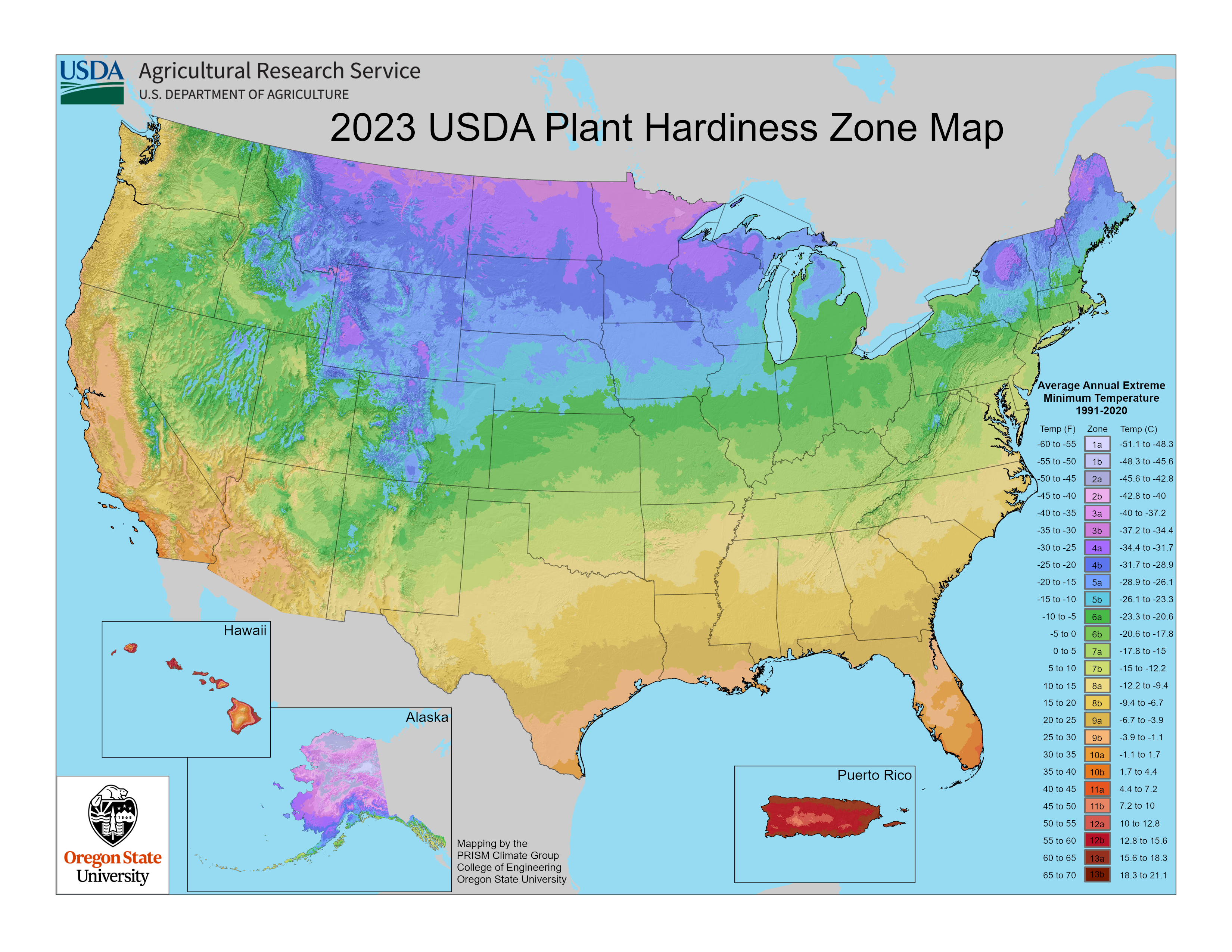
If you’re not sure which veggies are viable where you live, or you just need a quick and easy reference for your favorite veggies, keep reading: below, you’ll find a zone-by-zone guide on what veggies to plant in your growing zone come March.
Zone 1
- Zone 1a: -60°F to -55°F (-51.1°C to -48.3°C)
- Zone 1b: -55°F to -50°F (-48.3°C to -45.6°C)
Bitterly, brutally cold. That’s all you need to know about Zone 1. That, and the fact that basically nothing except indigenous plants will grow in these regions. Happily, these zones are only found way, way up in Alaska, near the North Pole and the northern and central interior.
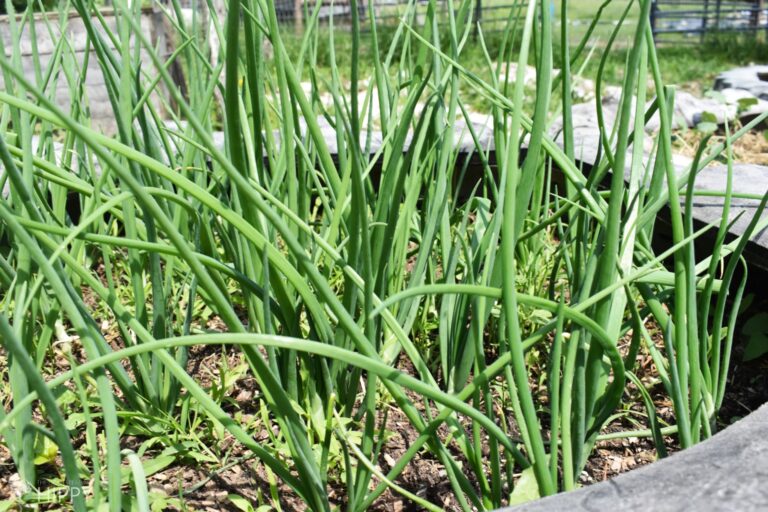
Your only hope of March planting here is in a fully climate-controlled greenhouse or otherwise indoors for the following veggies:
- Onions
- Tomatoes
- Lettuce
- Cabbage
- Broccoli
- Brussels sprouts
- Cauliflower
- Peppers
Zone 2
- Zone 2a: -50°F to -45°F (-45.6°C to -42.8°C)
- Zone 2b: -45°F to -40°F (-42.8°C to -40°C)
For all practical purposes, the same as Zone 1. It’s still way too cold come March to plant anything outdoors except for transplanting indigenous plant life.
Veggies, though, can be grown indoors, or if you are fortunate enough to have a fully climate-controlled greenhouse in one of these regions, you can go all in and plant in containers or raised beds.
Zone 3
- Zone 3a: -40°F to -35°F (-40°C to -37.2°C)
- Zone 3b: -35°F to -30°F (-37.2°C to -34.4°C)
Zone 3 is still cold, really cold. Far too cold for direct planting in March, except as described above for Zones 1 and 2. Huge swaths of Alaska are covered by Zone 3, but also quite a bit of the continental US, including Wisconsin, Minnesota, North Dakota, and Montana.
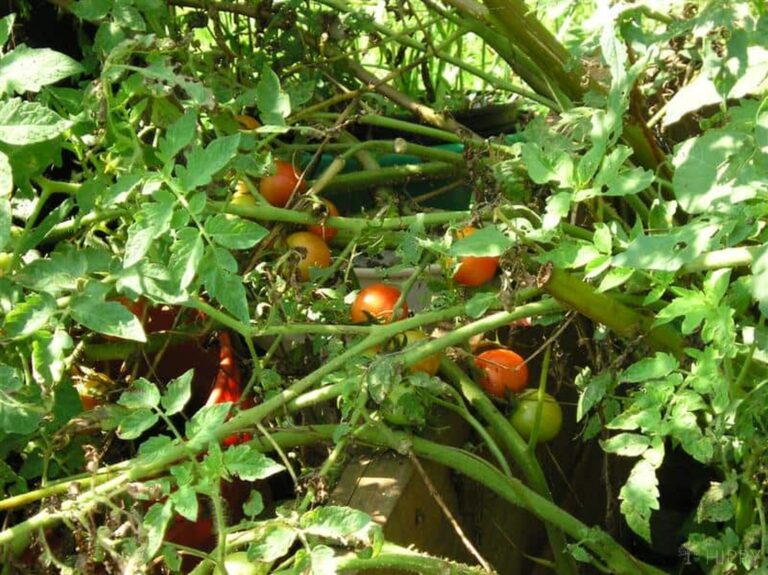
Once again, March is the time to start seedlings for growth to completion indoors if you want a spring harvest. Same veggies here as the preceding zones:
- Onions
- Tomatoes
- Lettuce
- Arugula
- Cabbage
- Broccoli
- Brussels sprouts
- Cauliflower
- Peppers
Zone 4
- Zone 4a: -30°F to -25°F (-34.4°C to -31.7°C)
- Zone 4b: -25°F to -20°F (-31.7°C to -28.9°C)
Zone 4 is another bitterly cold, frigid place to be in March. Listen, direct sowing here is still a death sentence for pretty much all veggies.
The name of the game is once again starting seeds at this time if you live in Zone 4a or 4b: the upper part of the New England region, northern Michigan, and parts of Wisconsin, Iowa, South Dakota, Wyoming, Idaho, and the southern fringes of Alaska.
If you’re planting any of the following, start those seeds indoors and get ready for the last frost in May, typically around the end of the second week:
- Onions
- Tomatoes
- Lettuce
- Arugula
- Cabbage
- Broccoli
- Brussels sprouts
- Cauliflower
- Peppers
Zone 5
- Zone 5a: -20°F to -15°F (-28.9°C to -26.1°C)
- Zone 5b: -15°F to -10°F (-26.1°C to -23.3°C)
At last, we arrive at a zone where you can get at least some gardening done in March. Make no mistake—it’s still cold, really cold, but if you live here, you are used to it.
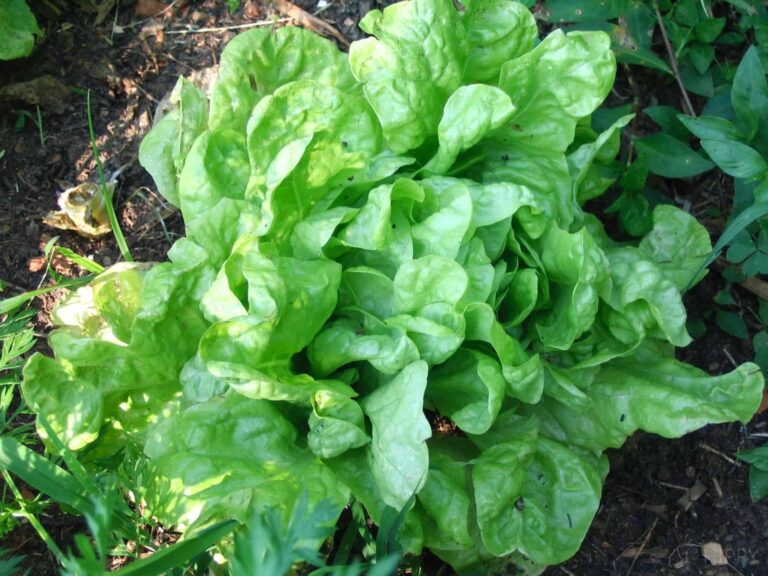
Cold-hardy crops are ready to go into the ground in March but under one condition: the soil must be workable! If it isn’t, despite the temperature, you need to give it a little more time. Nonetheless, proceed with planting the following veggies:
- Lettuce
- Spinach
- Arugula
- Kale
- Peas
- Carrots
- Radishes
The other veggies discussed previously should be started as seeds indoors as usual; they won’t make it otherwise.
Zone 6
- Zone 6a: -10°F to -5°F (-23.3°C to -20.6°C)
- Zone 6b: -5°F to 0°F (-20.6°C to -17.8°C)
Getting into much milder territory here, including much of the Pacific Northwest, high desert, Great Plains, Midwest, and the upper reaches of the American South.
You’ll follow the same game plan as Zone 5 here, directly sowing the following veggies outdoors and starting seeds indoors for more delicate plants:
- Spinach
- Arugula
- Kale
- Peas
- Carrots
- Radishes
Your seedlings will be ready to transplant from your greenhouse or indoors no later than early May in most cases, and often near the end of April.
Zone 7
Zone 7a: 0°F to 5°F (-17.8°C to -15°C)
Zone 7b: 5°F to 10°F (-15°C to -12.2°C)
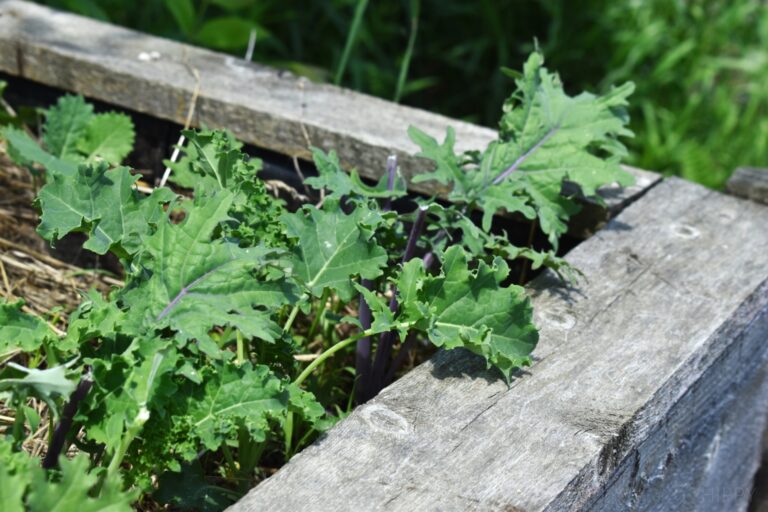
Things finally start to get easier, and you’ve got a lot more options for March planting if you live in Zones 7a or 7b. This is a mild time of year for most folks and perfect for getting going in the garden. Feel free to start any of the following veggies directly:
- Spinach
- Broccoli
- Brussels sprouts
- Cauliflower
- Arugula
- Kale
- Swiss chard
- Peas
- Carrots
- Radishes
- Beets
- Turnips (extra hardy varieties)
The following nightshade family plants should still be started indoors or in your greenhouse to get them ready for transplanting outdoors no later than the end of April:
- Tomatoes
- Potatoes
- Peppers (hot and bell)
- Eggplant
- Squash
Zone 8
Zone 8a: 10°F to 15°F (-12.2°C to -9.4°C)
Zone 8b: 15°F to 20°F (-9.4°C to -6.7°C)
Now we’re getting into properly warm, mild spring weather, which is ideal for planting lots of different veggies. March in Zone 8a and 8b is the ideal time to plant the following:
- Spinach
- Arugula
- Kale
- Swiss chard
- Peas
- Carrots
- Radishes
- Beets
- Potatoes
- Turnips (all varieties)
- Tomatoes (if warmer than average)
- Peppers
In Zone 8, the last of the frosts should be done and dusted by the end of March, no later than the first week or two of April.
Zone 9
Zone 9a: 20°F to 25°F (-6.7°C to -3.9°C)
Zone 9b: 25°F to 30°F (-3.9°C to -1.1°C)
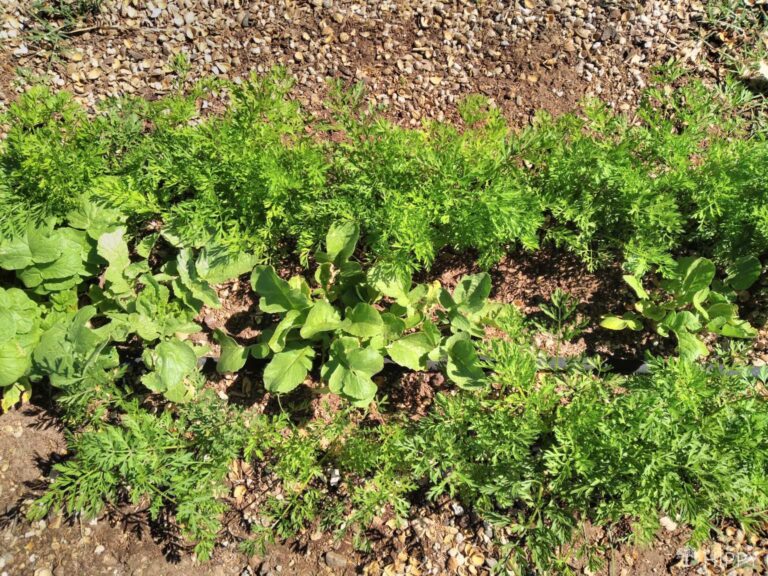
You officially live in a hot, hot place! Southern Georgia, the Florida Panhandle, the Louisiana bayou, south-central Texas, and many parts of the Pacific Coast fall in this zone. In these places, March is the time to get your heat-craving veggies planted. Note also that it is much too late for planting some cool-season veggies!
- Cucumbers
- Corn
- Carrots
- Squash
- Pole beans
- Bush beans
- Okra
- Arugula
- Swiss chard
- Potatoes
- Turnips
- Peppers
- Tomatoes (if all risk of frost has passed)
- Eggplants (if all risk of frost has passed)
Zone 10
Zone 10a: 30°F to 35°F (-1.1°C to 1.7°C)
Zone 10b: 35°F to 40°F (1.7°C to 4.4°C)
A relatively tiny zone consisting of certain parts of southern California, southern Florida, and the very southern tips of Texas and Louisiana. March is almost getting a little too late for planting some warm-season crops we’ve already discussed. Nonetheless, go ahead with the following:
- Cucumbers
- Corn
- Carrots
- Squash
- Pole beans
- Bush beans
- Okra
- Swiss chard
- Potatoes
- Turnips
- Peppers
- Tomatoes
- Eggplants
Zone 11
Zone 11a: 40°F to 45°F (4.4°C to 7.2°C)
Zone 11b: 45°F to 50°F (7.2°C to 10°C)
Except for tiny patches and the most low-lying coastal areas of the mainland U.S., you live in Hawaii if you are in growing Zone 11. This is a truly tropical climate, and accordingly, March is the perfect time for the following veggies:
- Carrots
- Tomatoes
- Squash
- Peppers
- Eggplant
- Okra
- Swiss chard
- Malabar spinach
- Sweet potatoes
- Yams
- Taro
Zone 12
Zone 12a: 50°F to 55°F (10°C to 12.8°C)
Zone 12b: 55°F to 60°F (12.8°C to 15.6°C)
Puerto Rico and Hawaii. Plant the same veggies here in March that you would in Zone 11:
- Carrots
- Tomatoes
- Squash
- Peppers
- Eggplant
- Okra
- Swiss chard
- Malabar spinach
- Sweet potatoes
- Yams
- Taro

Tim is a farm boy with vast experience on homesteads, and with survival and prepping. He lives a self-reliant lifestyle along with his aging mother in a quiet and very conservative little town in Ohio. He teaches folks about security, prepping and self-sufficiency not just through his witty writing, but also in person.
Find out more about Tim and the rest of the crew here.