
Raised beds are a great choice for any garden. You can garden with raised beds entirely or use them as a supplement or extension to your existing in-ground garden plot.
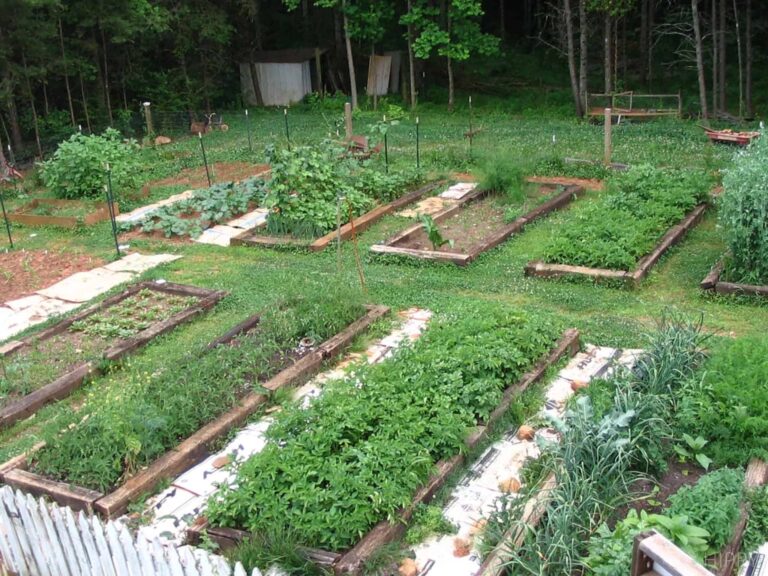
If you’re dealing with difficult or poor soils, they can make your life a lot easier and if you struggle to move around on your hands and knees or stay low to the ground, they are perfect for making your time gardening a lot more comfortable.
There are many good reasons why more and more gardeners are employing them. However, it’s easy to make some crucial mistakes with them if you don’t think things through. Today, I hope to help you avoid that with this list of blunders you’ve got to sidestep when putting in your raised garden beds. Grab your gloves and your trowel and we will get right to it.
Filling With Poor Soil
The biggest advantage, I think, of raised beds is that they so easily let you overcome poor or difficult soil on your property. How silly is it, then, to fill your raised beds with substandard soil to begin with?
If your soil sucks, it isn’t magically made better just because you pop it into the beds. If needed, invest in quality topsoil or rich fill dirt, and don’t forget that you can top a base layer of poor soil with the good stuff to cut cost.
Filling Beds with Only Soil
Save weight, labor and money by partially filling up your beds with something other than soil. Pile in sticks, twigs, branches, leaves, mulch and more in the bottom before adding fill dirt on top of that and then finally your topsoil.
Not Allowing for Drainage
This is a big one! If you put a bottom on your raised beds you’ve got to allow slots or holes for drainage, and substantial ones.
Fully enclosing the bottom of your beds means they will retain too much water and begin to fill up, especially during heavy rain. This will lead to root rot, mold and all kinds of other troubles.
In fact, unless you’ve got a good reason to close the bottom off I recommend you leave it open entirely.
Failing to Plan for Irrigation
Part of the fun of raised beds is that you can put them anywhere without concern for the soil quality underneath. Compared to traditional garden planning, it’s easy to go drunk with power!
But keep your wits about you: if possible you should still place your beds in a spot that will facilitate irrigation with soaker hoses, drip lines and other devices. If you’re going to water by hand, that’s fine, but remember that you’ll be carrying water to where the beds are!
Too Much Sun or Shade
Another fundamental of gardening that is easy to forget about when planning out your beds: keep in mind that whatever you are planting, fruits, veggies, herbs or other, they will still need the prescribed amount of sun and shade.
Consult your property light map before you install the beds themselves and double-check before you put in your plants.
Not Enough Room for Plants
This is a tricky one. When you measure out the size of your raised beds, it’s easy to underestimate how much room you have for actual planting. I don’t know why this is; probably just something about the surface you are planting in being raised above the ground level.
Anyway, you are wise to work up an actual planting plan and triple-check spacing requirements before you commit to building even a single bed. It’s heartbreaking to find out you don’t have enough room to do everything that you wanted to do!
Improper Materials
There are lots of ways to build raised beds for your garden, and you can use different materials including wood, masonry and more. But you should pick a safe, non-toxic material that’s suitable for your environment.
Environments that are constantly wet and rainy make for quickly rotting wood, for instance. Likewise, think twice before using any reclaimed materials that might have toxic residue or finishes left over on them.
Leaving Sides to Thin
If you aren’t buying a kit, don’t do what I did and skimp out on the sides of the beds when it comes to material thickness. All the dirt you mound in there won’t just be sitting there in a nice, tidy, stable column; it will actively be pressing outward on the sides of the bed!
If you use cheap, weak or thin materials they will start to bow and eventually buckle and split. Repairs and refitting will just waste time and money; build them right the first time by using wood slats that are at least 1-inch thick.
Wrong Height
Spend some time practicing in the position that you’d prefer to garden in before you build the beds. Do you want to work in a seated position? Standing up? Bending over slightly?
Figure out what the ideal height is for your work surface and then build the beds. You don’t want to wing it here; emptying and rebuilding the beds to make them taller or shorter is demoralizing and laborious
Poor Positioning on Property
You’ve got a specific workflow on your property, even if you haven’t consciously acknowledged it. You move to the same places via the same paths over and over and over again. Placing anything, including raised beds, that disrupts this pathing is a bad idea.
Position your beds so that they won’t be in your way as you move around your property taken care of various chores and other tasks.
Not Enough Space Around Beds
Another spacing screw-up: you’ll want to position your beds so that you have adequate paths between them and around them so you can work comfortably without having to tiptoe or shimmy.
If you’re placing the beds near a fence, wall or property line, leave enough standoff so that you can perform maintenance on the sides you don’t normally approach. Cramming your beds together or putting them right up against a surface will hurt you later when they are full of dirt.
Not Protecting Beds
Yet another critical mistake with raised beds that is all too easy to make. Your plants will need protection from cold weather, longer periods of intense sunlight during heat waves, insect swarms and more. Ensure you can still provide for the installation of row coverings, mesh netting or other protective measures as needed.
Getting Lazy on Fertilization
Again, there’s no magic dirt in raised beds. You should test the soil and add fertilizer and other amendments on an as-needed basis, just the same as you would with an in-ground garden. You might not need it quite as often, but you’ve still got to stay on top of it.
Not Weeding Around Beds
Your raised beds might keep your plants up and out of reach of weeds, but that’s no excuse to slack off on the weeding around the base of the beds themselves.
Weeds proliferate, and some of the most common like dandelions spread via airborne seeds that can easily float up and into the beds themselves once they reproduce. Skimp on weeding and your plants will invariably pay the price.
Not Mulching
I used to be a mulch miser. I used it only for decoration in my landscaping. But not anymore since my mentor sent me straight! Layering mulch heavily in your garden helps to stabilize soil moisture and temperature, protect against weeds, and provide a suitable biome for useful insects and other critters.
Plants in raised beds will still benefit accordingly, so you should lay mulch – straw, bark chips, shredded wood, etc – in the beds just the same.


Tim is a farm boy with vast experience on homesteads, and with survival and prepping. He lives a self-reliant lifestyle along with his aging mother in a quiet and very conservative little town in Ohio. He teaches folks about security, prepping and self-sufficiency not just through his witty writing, but also in person.
Find out more about Tim and the rest of the crew here.