
One thing about gardening, no matter how long you’ve been at it, is that there’s always something you can do to improve. There’s always some new trick, tip, or technique to try. But if you’ve been through all of your gardening handbooks and scoured every website around for lore, you might think that you’ve seen it all.
I’m here to tell you that you haven’t because there are some truly strange but surprisingly useful tips out there that have been passed down for generations.
In this article, I’m bringing you some of the strangest gardening tips that actually work, and they can do wonders for the plants in your garden and your workflow. We will dive right into it down below…
Plant a Penny to Fortify Soil with Copper
I can remember a long time ago, when I was very small, watching my great-grandfather plant pennies here and there in the garden.
I was mystified at the time, and after hearing him explain later that it would help the plants grow, I thought this was just one of those stories that adults told small kids for a laugh.
But it turns out that my dear, sweet great-grandpa knew more than a thing or two about gardening: pennies will slowly break down over time, releasing copper into the soil. Copper is a trace element that plants need to perform photosynthesis.
It really is as easy as that—plant and forget about it—but just make sure you’re using a pre-1982 penny since the modern ones don’t have much copper in them.

Banana Peels Make a Potassium-Rich Fertilizer Spray
One of my favorite and most versatile ways to give all kinds of plants a boost of hydration-stabilizing potassium is to blend or steep banana peels as the primary ingredient.
There are several recipes for using the resulting liquid, combined with other ingredients like eggshells and Epsom salt, as a safe, gentle spray that can help fortify plants during times of stress or rough weather.
It’s especially great for ornamentals and veggies, but it works well enough on just about every plant out there.
Irish Spring Soap Can Repel Deer, Rabbits, and More!
This was probably the most unbelievable tip I uncovered in my research, one that I was aware of for years but always wrote off as an urban legend.
Believe it or not, the aroma of Irish Spring soap repels deer, rabbits, and other pests besides, including many reptiles! Some people assert that soap alone will do it, but in my experience, nothing works as well as Irish Spring. There’s something in it that animals just hate.
It’s also super easy to use and non-toxic: simply shred a dry, new bar of soap using a box grater, place the shavings in an old sock or sachet made from some scrap cloth, and then leave them around the perimeter of your garden. Refresh these periodically after rains.
A Little Beer Can Wipe Out Slugs and Snails
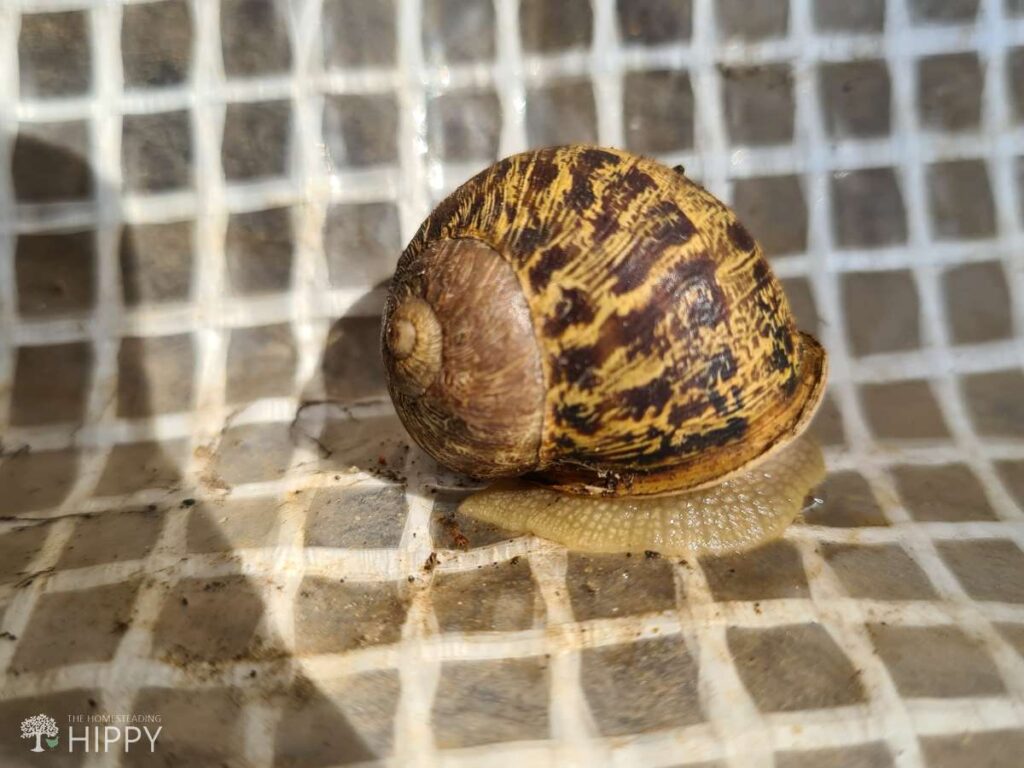
Another old-timer’s trick that has proven itself time and time again. If you can take a shallow dish, bowl, or little sauce cup and bury it in your garden so that the surface is just level with the ground, then fill it with beer, you’ll have set a devastating trap for slugs and snails.
Something about the aroma of the beer will attract these slimy garden raiders, but once they fall into the cup, they’ll be unable to climb out and will drown. Dispose of the corpses and keep the beer refreshed and you can quickly and safely depopulate these nasties from your garden.
Shiny Surfaces Can Scare Off Birds
Here’s a trick that’s a real blast from the past. Lots of gardeners used to know about it, but it seems it has fallen out of public consciousness. You can hang up any kind of highly reflective, shiny surface to scare birds away from your garden.
Some folks like to use old CDs, but mirrored tiles and large strips of foil also work well. Something about the motion and the shining lights just freaks birds out.
Maybe not the best approach if your spouse likes bird watching, but it will keep your plants safe and stop birds from picking off beneficial garden predators.
Improve Drainage and Save Soil with Packing Peanuts
Anytime you plant in a container, for any purpose, grab a few big scoops of those Styrofoam packing peanuts, the kind that won’t break down in water, and then line the bottom of the container with them. Then pile on your soil or potting mix as normal.
The bulk of the peanuts will reduce the amount of soil that needs to go into the pot, saving you money and resources, and also prevent compaction which can stop drainage and lead to root rot.
Only use this trick in containers, though, to prevent the Styrofoam from contaminating the ground.
Tie Up Plants with Pantyhose
Lots of plants need support, especially ones that grow vertically or have a vining growth habit. Tomatoes, various kinds of ivy, zucchini, and others need to be attached to a structure to keep them from toppling over.
There are lots of ways to do this, but the best and weirdest way I have found is by using strips of pantyhose.
The elastic but sturdy nature of pantyhose gives plants plenty of support but also enough give that they won’t damage themselves as they grow. Best of all, these are super cheap!
Sprinkle Cornmeal to Stop Weeds From Sprouting
Here’s another ancient gardener’s trick that your great-grandparents probably used as a matter of course.
Weeds, now and forever, are going to be a problem, but rather than going through the trouble of digging them up or killing them, you can stop them from growing in the first place.
All you need to do is sprinkle a generous layer of cornmeal where you don’t want weeds to sprout, then gently work it into the soil.
Compounds in the cornmeal prevent the vast majority of other plant seeds from germinating in the first place, meaning no weeds. Just take care that you don’t get the stuff anywhere you plan on planting!
Molasses Can Disease-Proof Your Plants
This is another old-timer’s trick that so many gardeners today don’t even know about. Adding a few tablespoons of molasses to a single gallon of water and dissolving it can make a nutrient-rich boost for your plants, but more importantly, it can improve the health of various microorganisms in the soil that can help stave off harmful infections.
The sugars in molasses help these tiny but critical creatures thrive.
Any kind of molasses will work as long as it is unsulfured; sulfured molasses will have the opposite effect, impairing and eventually killing the microorganisms we want to help.
Your Pee Can Be a Great Fertilizer
Hold your horses, and don’t go do anything drastic out in the garden! You’ve probably heard that urine is very bad for plants because it can scorch them, and that’s true, but urine also contains a good amount of nitrogen along with other trace nutrients that can benefit your plants.
All you’ve got to do is dilute it first for safety. 10 parts water to one part urine makes for a gentle, safe, and nutritious spray for your plants.
Obviously, collecting it for this purpose might be a little gross, but if you’ve got a jug or bucket with a cap or lid you can use it, it isn’t too bad, and it’s a great way to maximize resources if you’re living off-grid.
Vinegar, Soap, and Salt Can Kill Weeds Safely
Another all-natural strategy for dealing with weeds that have sprouted.
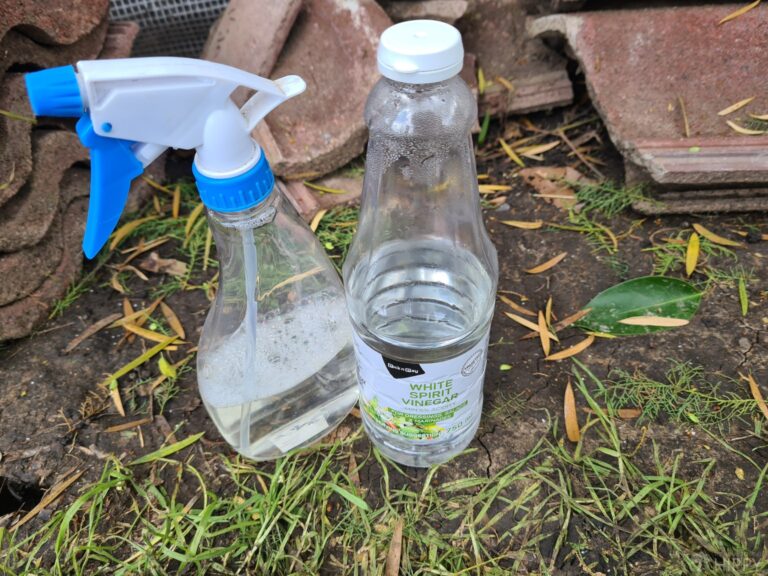
Rather than reaching for laboratory-made chemical concoctions with completely unknown health consequences for you and nature, you can go all-natural instead: grab yourself a gallon of white vinegar, and add to that a tablespoon or two of dish soap and a level cup of salt.
Blend everything together and you’ve got a powerful, but safe, weed killer.
Tough weeds might need a couple of applications, but it’s a whole lot safer using this stuff near your garden than the other. As always, take care not to get it on plants you don’t want to hurt.
Sprinkling Cinnamon Can Stop Harmful Fungus from Growing
Cinnamon is indispensable for making all kinds of delicious desserts, but it’s also a remarkably powerful antifungal additive.
If you’ve got issues with mold or mildew sprouting on your potted plants or elsewhere in your garden, or issues with root rot, sprinkling on powdered cinnamon will help your plants fight back; compounds in the cinnamon are directly antagonistic to fungal life.
This is the perfect way to use cheap or old cinnamon spice that has outlived its usefulness in your kitchen.
Repurpose Milk and Water Jugs to Shelter Delicate Plants
Not the prettiest trick on our list, but one that will save you a fortune and give you options in a pinch.
If you have any seedlings that need protecting, young plants that are struggling or dealing with an unexpected cold snap, cutting the top off of a milk jug, or a similarly sized water jug, to make a square enclosure is an easy DIY plant cover.
Save those jugs and wash them out, because you never know when you’ll need them!
Use Soda to Give Acid-Craving Plants a Boost
It’s hard to believe that modern sodas and other soft drinks can be good for anything except increasing your waistline and rotting your teeth, but in this case , it’s a solid way to give acid-craving plants like gardenias, rhododendrons, blueberries, and hydrangeas a boost.
All you need to do is moisten the soil directly over the root zone with any soda you happen to have at the beginning of the season, and then again in the middle of the season prior to blooming and fruiting, and you can watch them thrive.
Save Your Nails from Grime with Bar Soap
If there is one aggravation that every gardener shares, it is the fact that you’ll never get that layer of grime out from under your fingernails no matter how hard you try. Scrub all you want, dingy nails are just part of it!
Or at least, they are part of it if you don’t use this trick: before you get started out in your garden, grab a dry bar of soap, any kind you want, and scratch your nails on it. The soap will build up a film that will carry away the dirt with it, leaving your nails clean and bright when you are done!
Plant in Odd Numbers for a Fuller Garden
This is an aesthetic choice that sounds crazy but really works! Whenever you are planting, be it in the garden or in your landscaping, always plant in odd numbers.
Spacing accordingly means that your plants will look fuller and more bountiful, as it exploits a trick of human psychology concerning pattern recognition.
If you ever see a really sharp garden or bed in your neighborhood or out in the world, count those plants and you’ll see what I mean!
Planting Mint Can Also Repel Pests
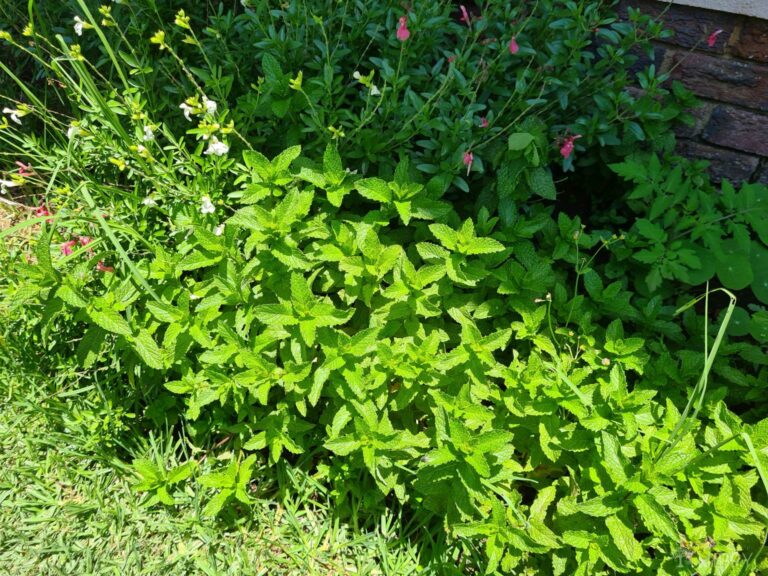
Another surprisingly effective, all-natural, and safe pest deterrent is mint. The menthol in mint that gives it that bracing flavor and aroma is a strong deterrent to mammals like mice and deer and also many kinds of insects.
Growing it at the corners or around the perimeter of your garden will give you a barrier of all-natural, enduring protection.
However, mint grows voraciously and can easily spread out of control without intensive management. Make your life a little easier if you’re going this route by planting it in containers to control its spread.
Stick a Smaller Pot in a Bigger One to Save Soil
This is another clever, painless trick that can save you a fortune, especially if you’re putting any kind of plant in an oversized container.
Simply take a smaller container that will fit inside, and flip it over so that the bottom is facing up in the larger one. Then fill the pot with soil and plant normally. Just make sure the water can still drain out between the two!
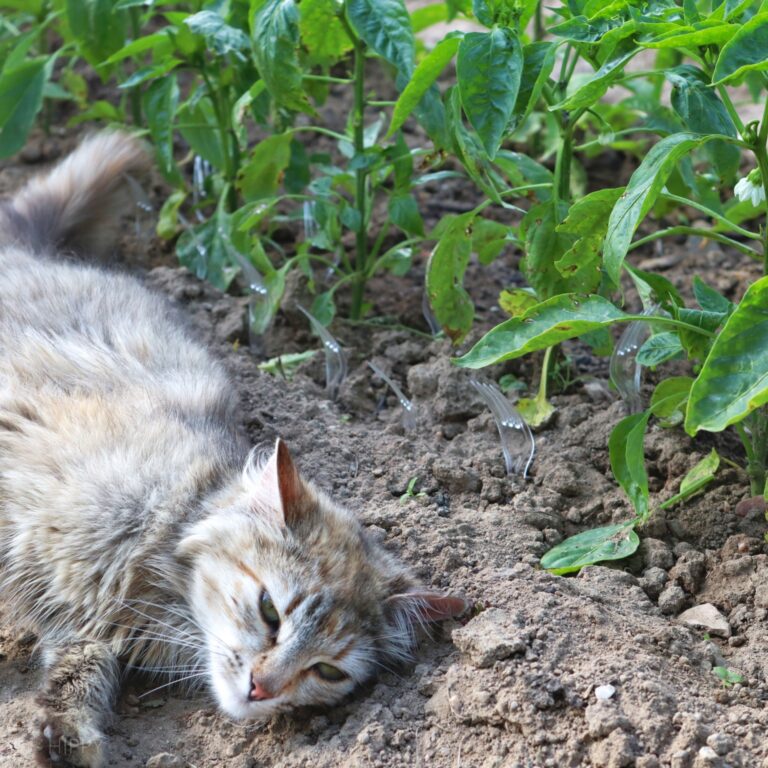
Bury Forks to Stop Digging Critters
Digging pests can be some of the worst ones around for your garden, not only because they physically disrupt the soil and tear up roots but because they can slip under your fencing, cages, and other obstacles.
Groundhogs, rabbits, rats, mice, raccoons, and more are all fast and effective diggers that can be difficult to stop.
But one great way that’s been around for decades, and is safe for these and other animals, is to bury rows of plastic forks with the tines pointing up and out. It shouldn’t injure any of these critters, but once they run into them a couple of times they won’t like it and they should give up and move on.
Oil a Bucket of Sand for Rust-Free Tools
Keeping your garden tools clean, rust-free, and sharp makes for easier and quicker work, and also healthier plants. But keeping them good shape can be a job unto itself unless you use this trick.
Grab yourself a clean bucket, fill it about 3/4 of the way up with playground sand, then pour mineral or 3-in-1 oil over the sand until it is just saturated and damp-looking.
When you’re done with your tools, stick them into the bucket until you need them again: the sand will scrub off dirt and grime, while the oil will prevent rust from forming.

Tim is a farm boy with vast experience on homesteads, and with survival and prepping. He lives a self-reliant lifestyle along with his aging mother in a quiet and very conservative little town in Ohio. He teaches folks about security, prepping and self-sufficiency not just through his witty writing, but also in person.
Find out more about Tim and the rest of the crew here.