
Go to any list of the best duck breeds to own, and you should start to notice a pattern. A trend, if you will. According to some people – lots of people – who love ducks, there is no such thing as a bad duck breed. They are all uniquely great in their own special way and perfect – just perfect – for starting out on the homestead or keeping in your backyard. But I’m here to dispel the delusions: there are some bad duck breeds out there. Some that you should avoid like the plague if you are smart.
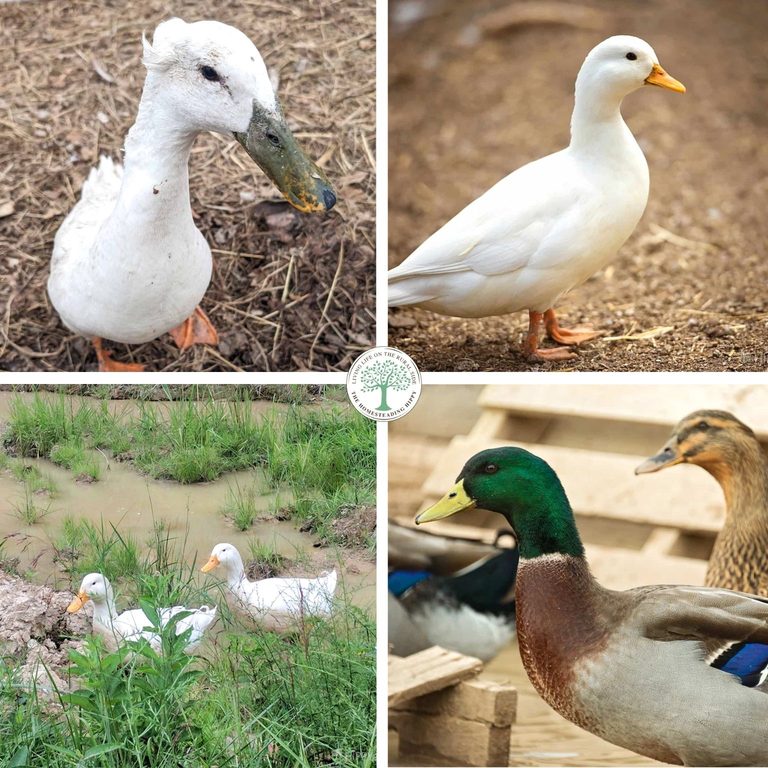
Health problems, noisiness, eccentricity, and aggravation await if you choose poorly. Genetics matter, and not all breeds are equal. If you’re just getting started with ducks or looking to add some new additions to your existing flock, you need to know about the problematic breeds I’ve listed below.

Show Rouen
A category of the domestic Rouen, also known as the exhibition Rouen, these good-looking birds don’t have a lot to recommend them for a working flock. For starters, they are pretty lackluster layers. Output is highly variable, with US domestic strains laying 100 eggs a year or less and being highly sensitive to stress, light, and seasonal changes. They are also a slow-maturing bird, not fit to butcher until at least 6 months.
Most troublesome for hobby keepers, the exhibition lines have been greatly overselected for size and a deep keel. This leads to an awkward gait and posture that quickly lead to bumblefoot, and leg and hip problems, and to make matters worse, many females suffer from low fertility; they tend to crush their own eggs owing to their girth, and the keel of the males makes mating even more difficult.
If you really love Rouens, look for a production variety and check those papers twice: mishaps and lies are common.
Call
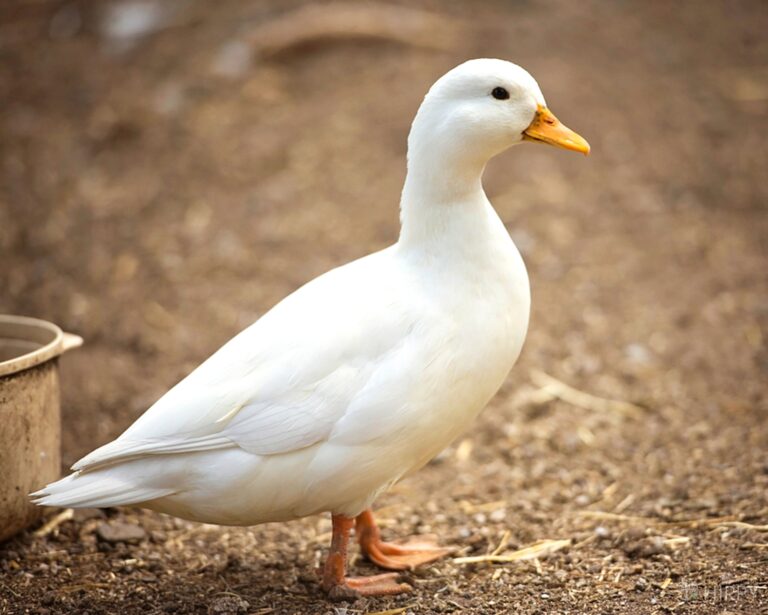
One of the cutest and most beloved ducks in the world is, in my view, one of the worst possible breeds you could own. Call ducks, as the name suggests, were originally bred to be living decoys for hunters.
These bantam birds have a massive set of pipes, meaning they are quite loud and tend to quack repeatedly at all hours of the night and day. Rest assured, this will drive you, your loved ones, and your neighbors absolutely nuts, so you can count on a canceled invitation to that Christmas party if you own Calls.
Worse, even if you’re just keeping them as a pet or companion, they are so tiny that they are incredibly vulnerable to predation from every kind of predator, be it a hawk or an owl or a freaking house cat. You’ll have to be on constant guard to keep these little guys safe, and that, combined with their status as a purely ornamental bird, means they are a bad choice for most small-scale keepers.
Commercial Pekin
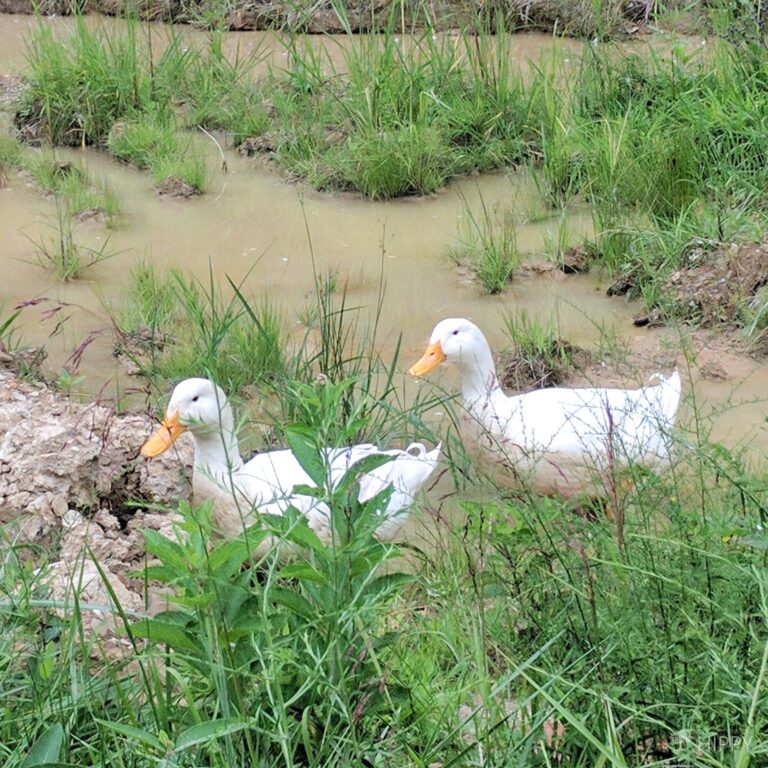
One of the largest and most impressive ducks in the world, and also one of the most common, the commercial Pekin, also known as the jumbo Pekin, is a marvelous choice if you’re raising ducks for meat, and that is literally it.
They can reach a whopping 8 lb in under 2 months, which is when they are ready to be harvested for their meat. If left alive, these birds will pack on size and weight so quickly that they run the risk of joint failure and heart problems such as cardiovascular stress.
Jumbo Pekins are also prone to developing angel wing, a deformity brought on by a diet too high in protein and corresponding rapid growth. This is a catch-22 for any Pekin not slaughtered intended for slaughter: growing ducks need lots of protein, and extra-large breeds like this need even more.
Most folks end up with them because they are adorable little yellow fuzz balls when they’re babies. Whatever you do, don’t pick them for that quality alone.

Crested
Crested ducks are the English bulldogs of the duck world; they were singularly bred for an attractive characteristic at the expense of all other attributes, even the good health of the animal itself.
That adorable crest of feathers on top of the head that is all the rage with TikTok duck ladies results from a mass of tissue physically pushing through a hole in the duck’s skull. That’s right: the so-called crest is the result of an inherited genetic abnormality.
Because they’ve been so heavily selected for that gene, it’s actually lethal should a chick get it from both parents. Breed two crested ducks together, and you can expect about a quarter of the ducklings to die in the shell, stillborn.
Even in the case of “healthy” crested adults, seizures, balance problems, and neurological issues are common. This is a moral issue for all duck lovers: these poor animals suffer because people care about fashion more than welfare. Never, ever buy a crested duck. In time, breeders may give up the practice altogether.

Muscovy
I hate to put them on this list because I actually like Muscovies. They are a unique and interesting breed, but unlike the vast majority of other domestic ducks, which are descended from the mallard, Muscovies do their own thing.
Most domestic strains can fly fairly well, meaning that if you don’t clip their wings, you can look forward to them nesting on top of your shed, your roof, or anywhere else they can reach. That’s because they nest in trees in the wild. Most also grow large and strong, topping out at around 15 lb, with males being substantially larger than females. They also have strong, sharp claws closer to those of a bird of prey. This can be problematic for timid or skittish keepers.
If you like eggs, they’re probably a bad choice because most hens go broody quite easily and early. But, if this doesn’t deter you, they do have some good attributes: they can lay anywhere from 60-120 eggs per year, and they tend to be very quiet, bordering on silent, and are a good meat breed. They are also excellent foragers.

Tim is a farm boy with vast experience on homesteads, and with survival and prepping. He lives a self-reliant lifestyle along with his aging mother in a quiet and very conservative little town in Ohio. He teaches folks about security, prepping and self-sufficiency not just through his witty writing, but also in person.
Find out more about Tim and the rest of the crew here.