
Baby ducks are probably the hands-down cutest critters that will ever be on your homestead. And while adult ducks are surprisingly hardy animals, baby ducks are conversely quite delicate.
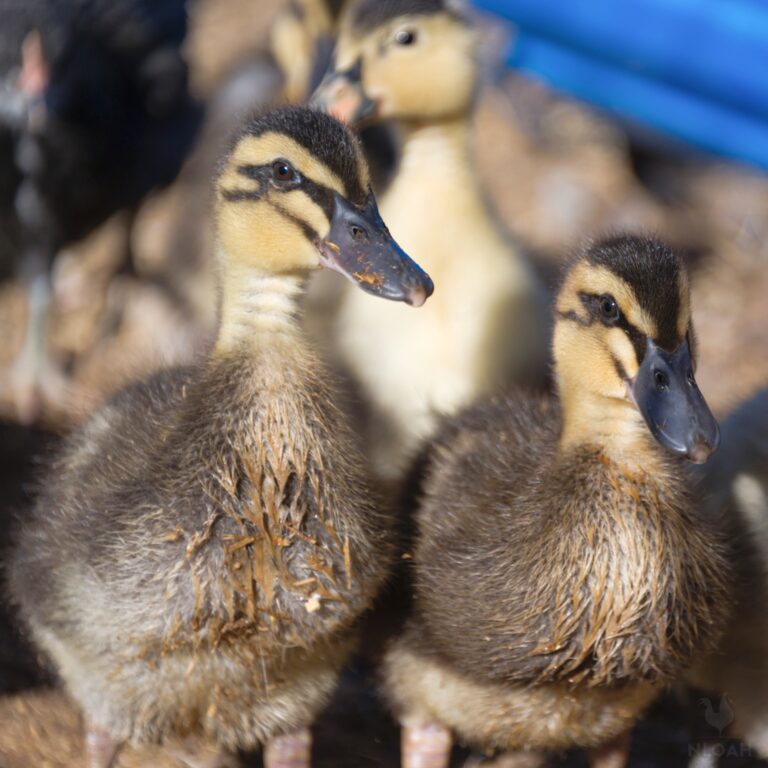
They require constant but specialized nutrition so they can grow up strong without any health issues.
Though ducks can eat a variety of foods and are generally pretty good about avoiding harmful items, it remains easy to give them something that will hurt them.
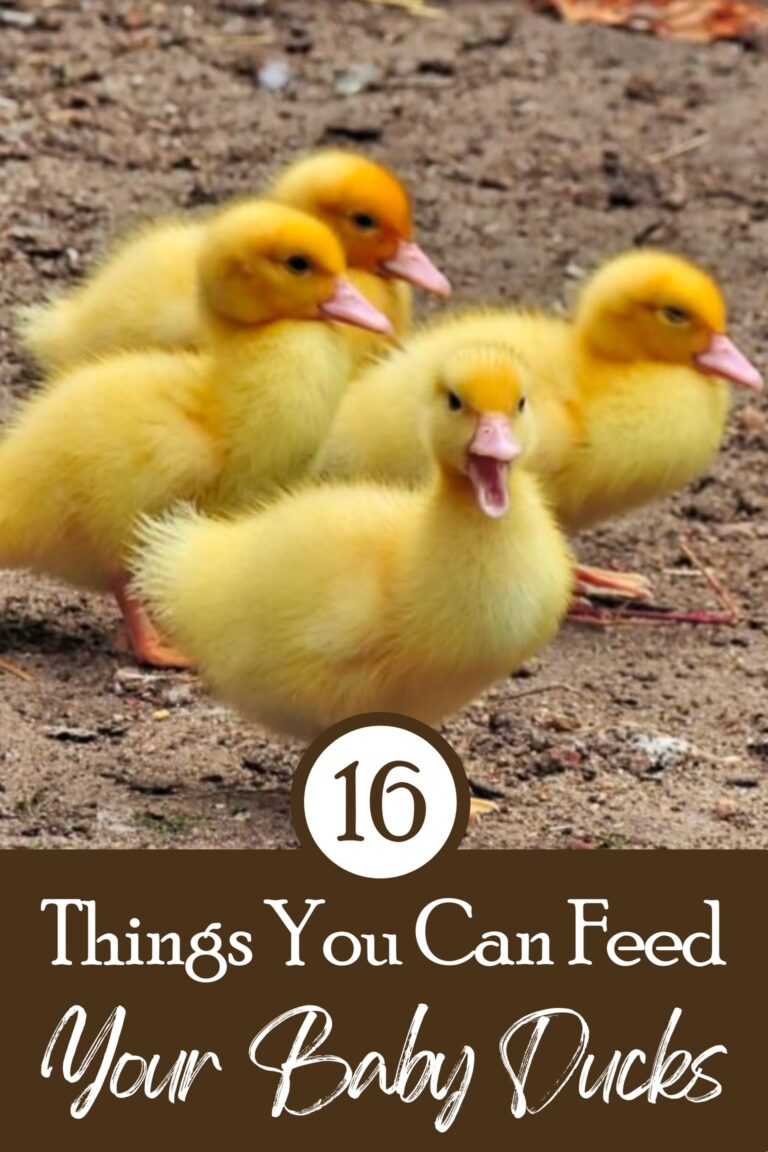
In an effort to prevent that unhappy outcome, we are coming to you today with a list of 16 things that are healthy and wholesome for your ducklings.
No matter what phase of development they are in, these items will make great additions to their diet. Let’s take a look.
1. Duckling Feed
Duckling feed should be the mainstay of baby ducks’ diet. It is made with smaller pellets that are easier for them to digest and packed full of the nutrients they need to grow.
In fact, most of their calories should come from duckling feed until they reach adolescence around 6 weeks old.
So long as your ducklings are getting a recommended and nutritionally complete feed, you can supplement their diet with some of the treats and other items listed below.
2. Apples
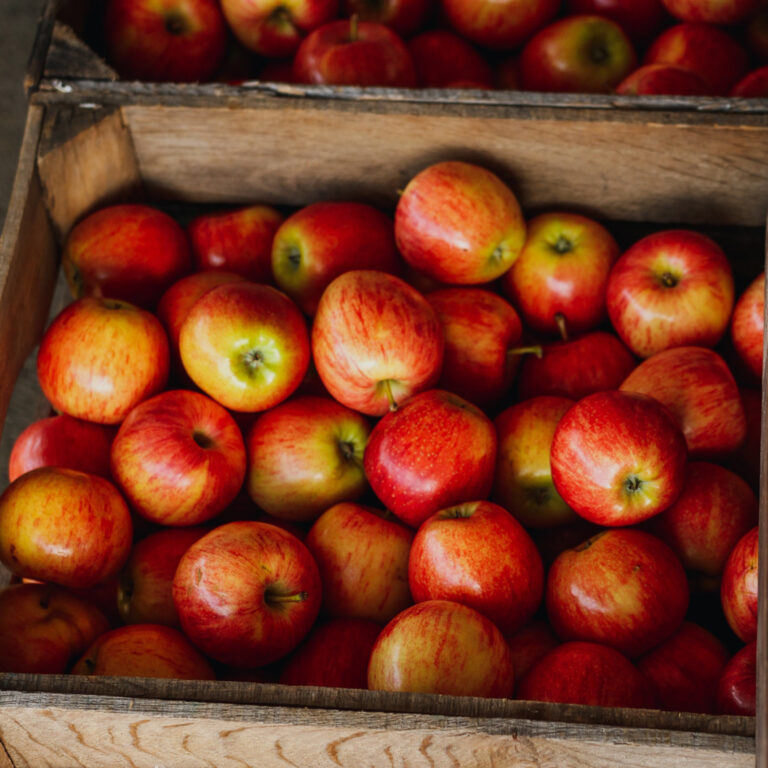
Apples are a solid treat for ducks and can be fed to them fresh, dried, or frozen. Remove the cores, stems and especially the seeds prior to feeding; the seeds can turn into a cyanide gas upon digestion which can easily hurt or kill them.
Also, make sure to chop the apples into small pieces so they have an easier time eating them.
Apples are wholesome, healthy fare to be sure, but high in sugar. The sugar in apples can easily throw off their digestion and cause diarrhea which can be very dangerous for a little duckling.
3. Pears
Pears are safe for ducklings to eat in tiny amounts as a treat, and only once they’ve started to eat whole foods; this is usually around 5 weeks old.
Pears should be given to ducklings in the same manner as apples: fresh, dried, or frozen and with the cores, stems, and seeds removed. Pears are likewise high in sugar so limit their consumption as well.
But, even if you give them just a few tiny tidbits, keep an eye on them because sugary, moist foods can easily give ducklings diarrhea, which is highly detrimental at this tender age.
4. Tomatoes
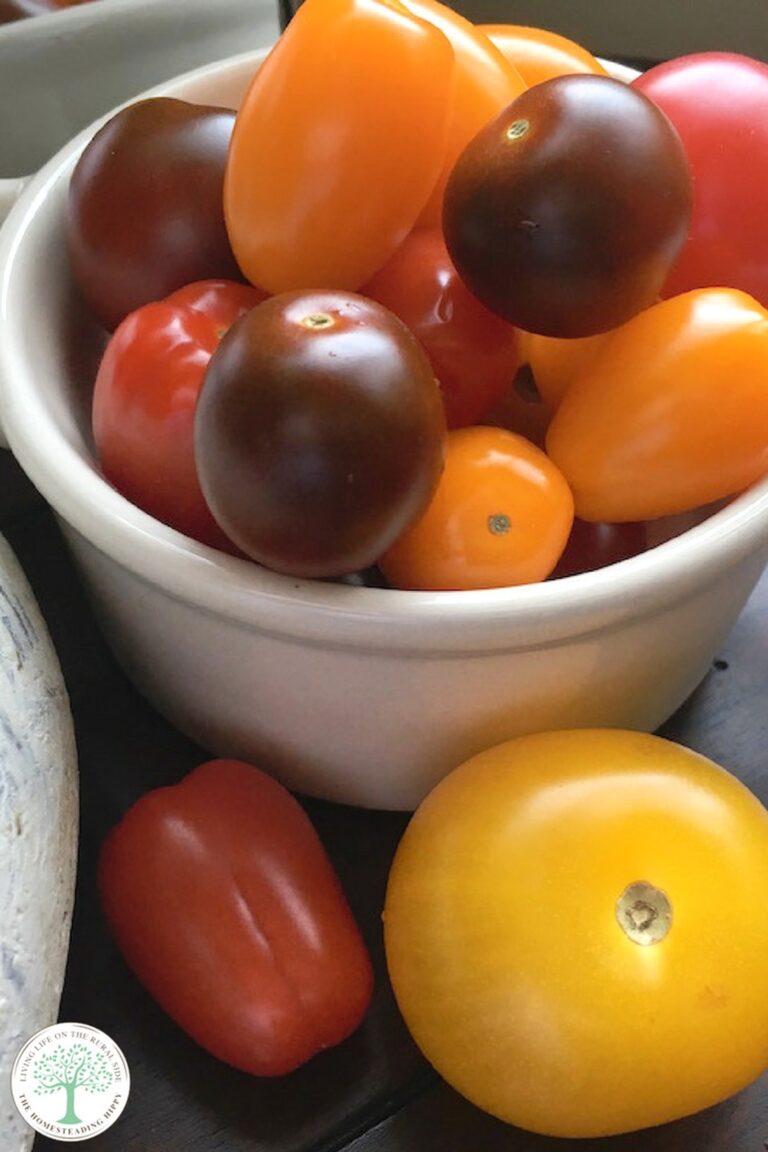
Believe it or not tomatoes are a surprisingly popular treat for ducks. I don’t know what it is, it just seems to me like they would be something a duck wouldn’t like.
I’m not sure if it’s the sweetness, the juiciness, or what, but they love them! Don’t give your ducklings large slices of tomato or whole, small tomatoes.
Instead, cut them up, and then mash them lightly before serving to make them easier for the fuzzballs to eat.
5. Berries
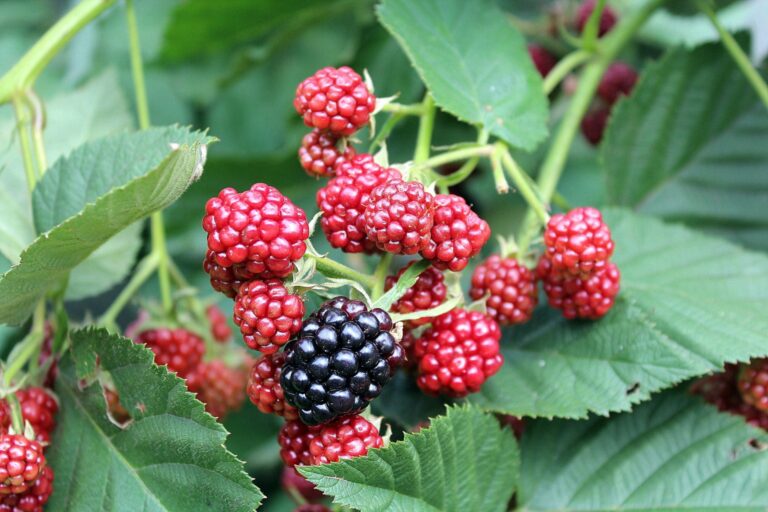
Ducklings, like most birds, love all sorts of berries. I’ve seen them go crazy for everything from raspberries and blueberries to blackberries and mulberries.
As with other fruits, remove any stems or large pits and cut them up or lightly smash them as appropriate before feeding to your ducklings.
Also, consider floating them on water since their flat bills might struggle to pick them up otherwise.
6. Dried Shrimp
Dried shrimp, especially smaller varieties like river shrimp, are a wonderful protein-packed treat for ducklings.
They are especially useful in the early stages when their feathers are growing in and they need more protein to form proper plumage.
Soak them in water for a few minutes to soften them up, then chop them into smaller pieces prior feeding.
7. Beetles
Ducks, like chickens and most other birds, love insects of all kinds. Baby ducks are no exception and will gleefully gobble up any beetles you put in front of them.
Now, use some caution when allowing your ducks to eat beetles as some can be a choking hazard or toxic. Any you source from a pet or feed store should be fine, however.
8. Crickets
Poor crickets. It seems like everything loves to eat them, except people! Ducks are no different in this regard, again.
Smaller feeder crickets make an ideal treat for your ducklings as they provide a good source of protein to help them grow.
You can also give them larger crickets, cautiously, but you should take care to remove their legs, and possibly cut them up or mash them first. Ducklings can choke. Also, skip the live crickets; they will struggle to catch them!
9. Fly Larvae
Fly larvae, of various kinds, are another mainstay for birds. In fact, most commercially raised ducks get a diet that consists at least in part, of fly larvae.
Your ducklings can safely enjoy fly larvae as well and they make an excellent treat full of protein and other nutrients.
You can find fly larvae at many pet or specialty feed stores, but you can also culture them yourself if you have the time and space.
10. Mealworms
Mealworms, both live and dried, are another excellent treat to offer your baby ducks. These little guys are loaded with protein and other nutrients that help support growth and feather development.
Smaller live mealworms can usually be fed whole and intact, but larger ones or “superworms” should be chopped up or lightly mashed as usual.
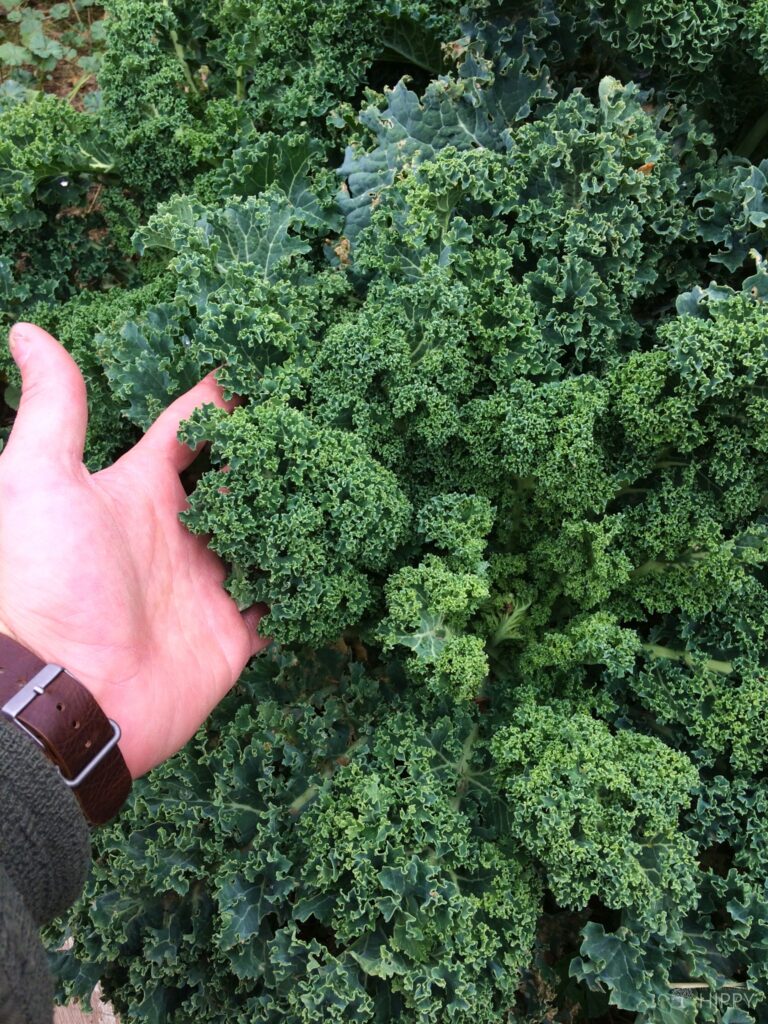
11. Kale
Kale might not be your idea of a tasty veggie, but your ducklings would probably disagree. This leafy superfood is full of all sorts of nutrients that help support proper growth and development.
You can feed kale to your ducklings fresh or thawed from frozen, but be sure to wash it first if fresh.
Pesticides are really bad for bird health, especially ducklings. You should also strictly limit your flock’s intake of kale since it contains calcium-blocking oxalic acids.
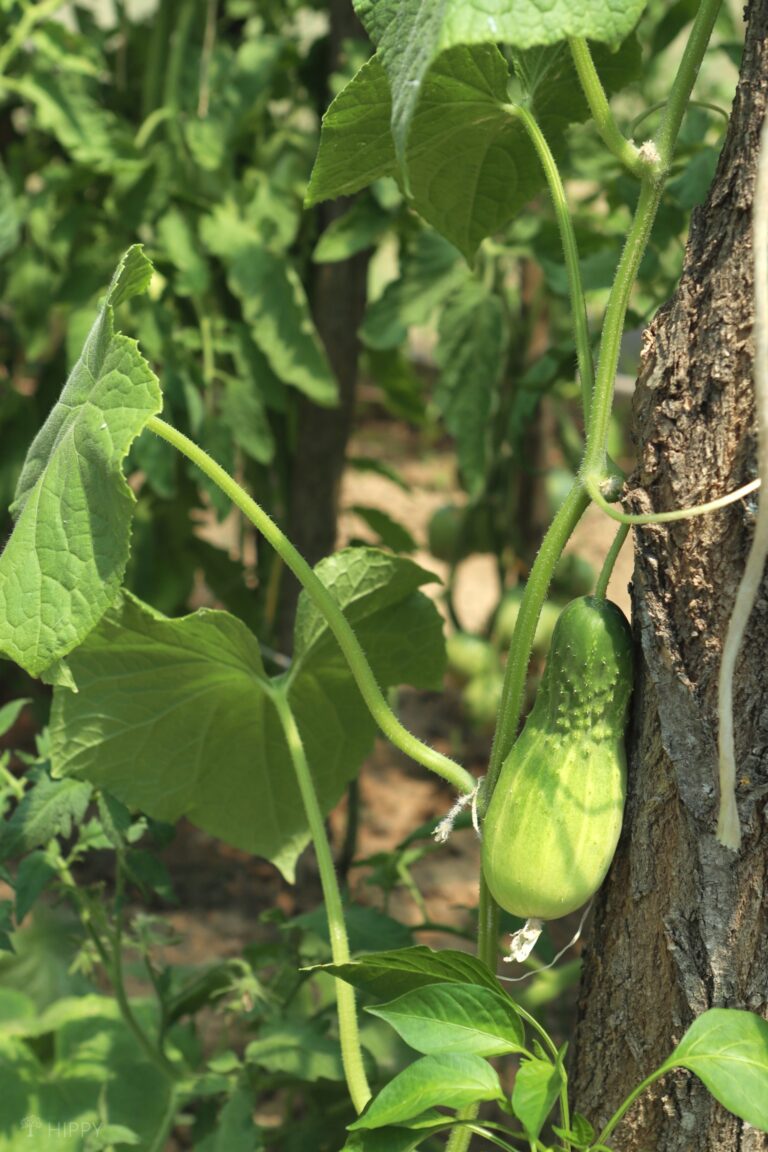
12. Cucumber
A cool, crisp, refreshing cucumber is something your ducklings will love during hot weather. Full of water, vitamins, and essential minerals, cucumbers make an excellent treat for your feathered friends.
Consider chopping it up into tiny tidbits, and even removing the skin for the smallest ducklings.
13. Chard
Chard is another leafy veggie full of micronutrients, and your ducklings will love it.
Again, be sure to wash it first if feeding fresh, and remove any stems or woody ends that might present a choking hazard or prove indigestible.
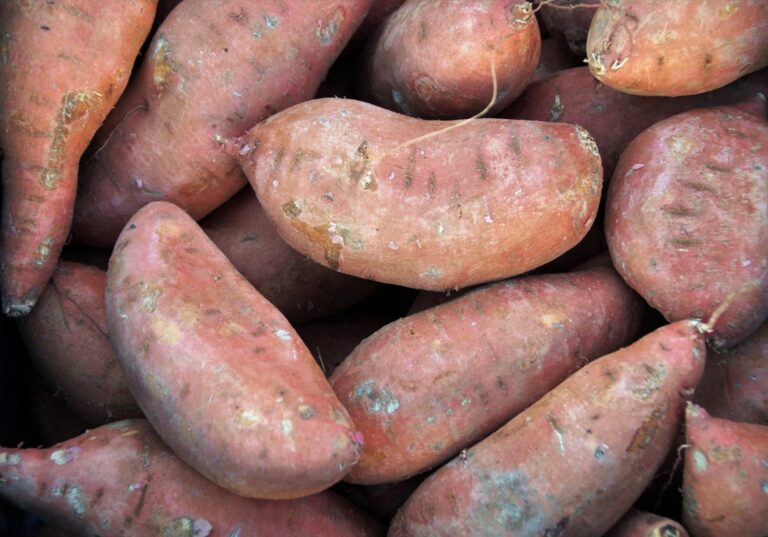
14. Sweet Potato
Another of our favorite people foods, sweet potatoes make an excellent treat for your ducks. These starchy tubers are full of nutrients that help support proper growth and development.
You can offer them peeled and cooked, or unpeeled and raw, but you should let your ducklings get a little older before they eat the raw ones; they can be quite hard for newborn ducklings.
15. Grass Clippings
Grass can be a decent food for ducklings, and even the clippings from your own yard can be fed so long as they have not been sprayed with fertilizers, herbicides, or pesticides.
Small, fine clippings are best, and never feed your ducklings any old, rotting, or moldy grass: fresh only!
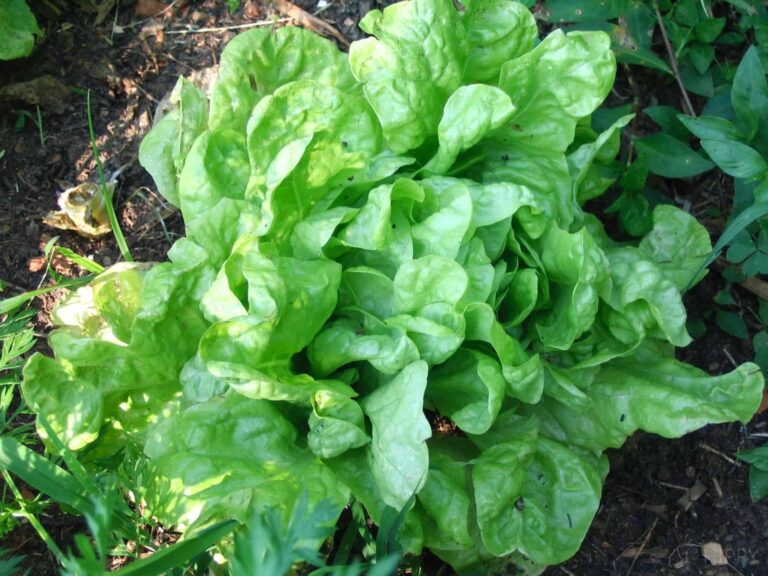
16. Lettuce
Lettuce is a classic treat for ducks and one that most people are familiar with. It’s mostly water, low in calories and depending on the type, full of important vitamins and minerals.
Just be sure to remove any wilted or yellowed leaves as these can cause digestive upset.
Iceberg lettuce should also be avoided since it contains hardly any nutritional value. Try Bibb, Romaine, or other more nutrient-rich varieties instead.
17. Peas
Peas are safe for ducklings and highly nutritious, making them a great whole food to incorporate into their diet once they are off of starter feed.
However, any peas that they get must be thoroughly cooked for maximum digestibility, and you should only give them just a few peas at one time: generally no more than five or six at the absolute most. You should also mash them so it’s easier for them to eat, and don’t forget to have a water source nearby that they can use…
Their digestive tract is still developing and prone to upset, and because peas are a little tricky to digest it’s easy to go overboard with them. Watch that quantity, and they will do fine…
18. Cilantro
Cilantro is a great food for ducklings as soon as they’re ready to start eating stuff besides early-life feed. But as with adults, it isn’t nutritionally complete, and don’t even try to make that a staple for them.
Give them a little bit as a treat, let them keep snacking on it as they grow, and we’ll do just fine.
Just don’t give cilantro to your flock if it is dried or fresh, but never give them a plant that’s rotting or showing signs of disease or mold. Bad food can make ducks sick, and if it’s contaminated with certain kinds of mold or they catch a particular foodborne illness it could kill them!
19. Peaches
Peaches are safe for ducklings, but I say that with significant reservation. I highly recommend you let them grow up into adolescence properly before you give them peaches or other fruit.
That’s because sugary, moist foods can easily cause diarrhea which can be particularly dangerous for them at this vulnerable stage of life.
If you want to, and you’re cautious, you can give a 5-week-old duckling the tiniest nibble of peach flesh perhaps once a week, but no more. If you notice any problems or changes in behavior whatsoever, stop giving them the peaches.
20. Cauliflower
Cauliflower is also safe for ducklings, but they should only get it once they’re old enough to start trying whole foods in addition to their typical starter-feed diet. Depending on the breed, this is usually around 5 weeks old.
You’ll need to make some changes, though, namely by cutting up the cauliflower into tiny little tidbits that are suitable for them to swallow without risk of choking. And just like with adult ducks, make sure they have access to water when eating.
Tom has built and remodeled homes, generated his own electricity, grown his own food and more, all in quest of remaining as independent of society as possible. Now he shares his experiences and hard-earned lessons with readers around the country.
Find out more about the team here.