
When it comes to livestock, and that includes our chickens too, there’s always more to learn. Just when you think you have it all figured out or you know everything that you need to know, something comes up that will leave you scratching your head.
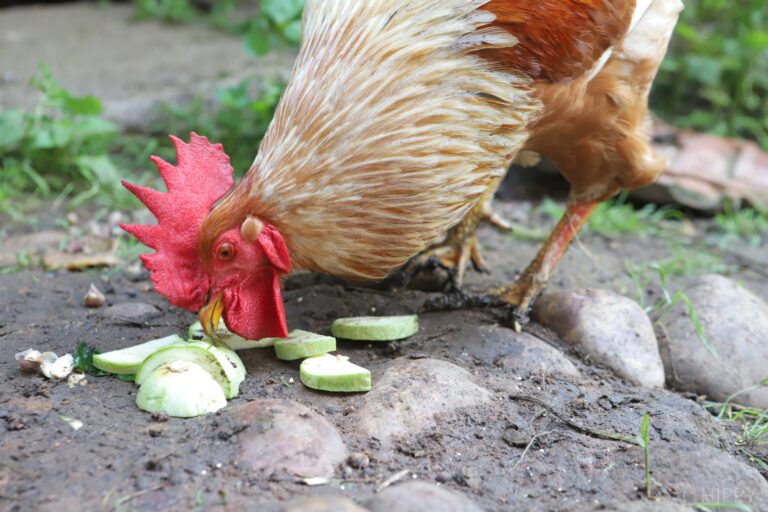
One of these essential topics happens to be the digestive system of chickens. Compared to mammals, and even ruminant animals like cows and goats, chickens have a digestive tract that is truly unique..
Learning how this system works, how it handles food, and what can go wrong with it is essential if you want to have a better understanding of your birds so you can optimize their health and take care of problems when they occur.
Keep reading, and I’ll tell you what you need to know about the digestive system of chickens.
Chickens Have Digestive Systems that are Similar to Yet Distinct from Mammals
If you know even a little about how our own digestive system functions, you will have a fair understanding of how a chicken’s works. You will no doubt recognize several organs which are the same in name and function, but there are some big differences, too.
The most obvious distinction is that chickens do not have a stomach, although this term is still used in a colloquial sense on the topic.
The organ that holds and processes food, or rather I should say partially processes food, is different from the stomach of mammals in arrangement, shape, and function. But that’s just the beginning and indeed one of the most superficial differences!
In the following sections, we’ll be taking a tour of a chicken’s digestive tract in order, beginning at the mouth and going all the way through the works until we come out the far side. I’ll be explaining how each organ works and what it does in the digestive process as we go.
For Starters, Chickens Don’t Chew Their Food
Chickens take in food through their mouth, of course, but what you might not know is that chickens don’t really chew it. That’s because they don’t have teeth at all!
Compared to you and me, and many other mammals, a chicken can only process food down to size in a very cursory way prior to swallowing.
A chicken’s beak can break down seeds or harder foods into somewhat smaller pieces by crushing or tearing bite-sized chunks of soft foods like greenery prior to swallowing. But that’s the extent of the processing for now…
Food is Swallowed, Passing Through the Esophagus
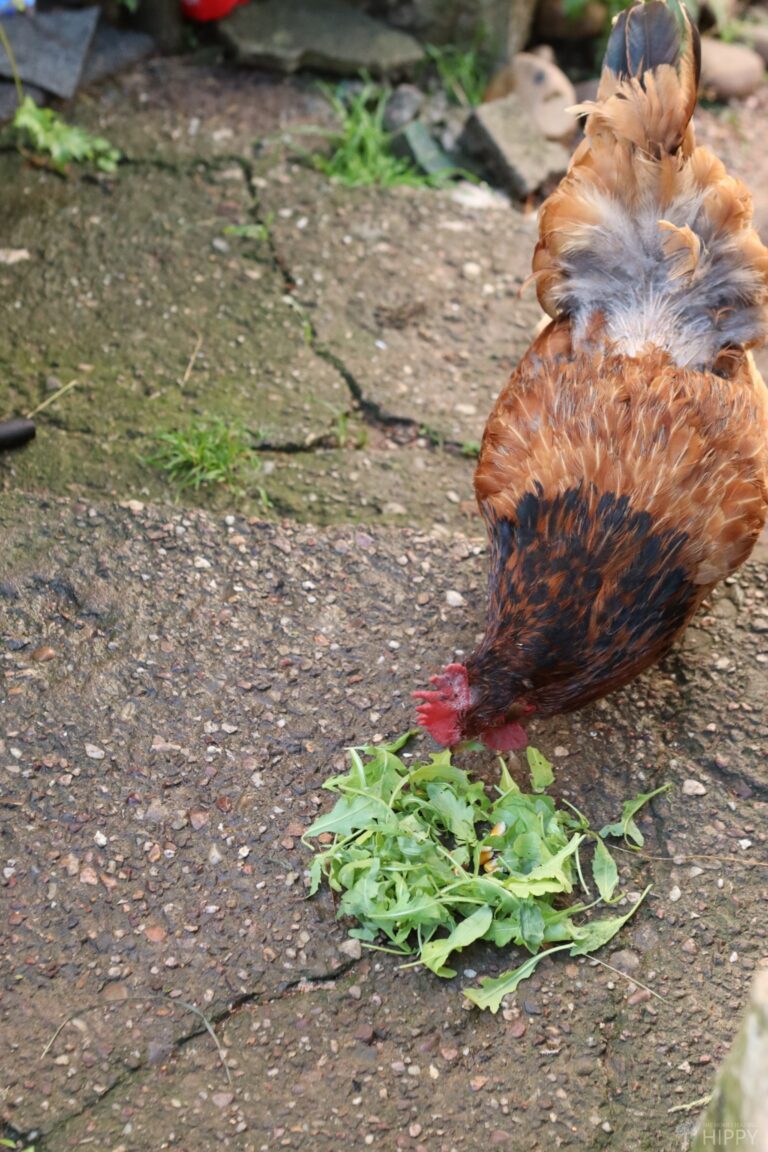
Bits of food that get swallowed will travel through the esophagus, a long tube that functions identically to the one that you and I and other animals have. It is basically a muscular pipe that will move the food further down into the digestive tract using a series of rhythmic contractions.
The esophagus doesn’t do anything to process the food itself; it merely moves it to the first of several organs that will begin to break it down further, and then properly digest it.
Swallowed Food Enters the Crop
Digestion begins in earnest, at least in the initial phases, once food reaches the crop.
The crop is at the bottom of the esophagus and is a large pouch where swallowed food will sit and soften before it is allowed to move on, bit by bit, into the following organs for more intensive breaking down and digestion.
The crop acts as a sort of regulator that will slowly dispense portions of food for further digestion at a measured pace in case a chicken has enjoyed a large meal.
From there, it is Passed to the Proventriculus
Immediately beyond the crop we have the proventriculus, the organ that’s analogous to a true stomach in chickens. And just like a mammal’s stomach, proventriculus produces digestive enzymes and acids which will quickly start to break down food for nutrient extraction.
You might think of this as the first primary stage of processing when it comes to actual nutrient uptake.
If food doesn’t make it through the proventriculus sufficiently digested there are still opportunities for chickens to get nutrients from it, but the tougher foods will need further, special processing from several other organs farther along in the digestive tract.
Food will stay in the proventriculus for some time until it’s either properly digested by the acids or until it must simply be moved on in the case of undigested, tougher foods.
After Digestion in the Proventriculus, Processed Food Enters the Gizzard
One step further from the proventriculus is the gizzard, an organ you’ve probably heard about in chickens and other birds.
The gizzard is another pouch-like organ, but this one is muscular and designed to contract around and crush tougher foods that could not be properly processed in the proventriculus immediately prior.
Things like corn, grains, pellets, eggshells, insect carapace, and similar indigestible bits are ground up into very small pieces inside the gizzard by a combination of those muscular contractions and also because the gizzard holds grit in the form of sand, small pebbles, and other particles. This is why chickens must have grit in their diet!
Together, these two elements turn the gizzard into a powerful tenderizer that can physically break down all but the toughest food!
But, as impressive as the gizzard is there are a few things that even it cannot deal with, and the digestive process isn’t over once the food moves on from here. We still have a ways to go!
Once Fully Broken Down, Food Goes into the Small Intestines
So, after moving from the crop to the proventriculus and into the gizzard, any food that a chicken eats has endured considerable processing and it’s about as broken down as it can be.
Now it’s time for the nutrients, made available, to be absorbed where they can and be put to work in a chicken’s body.
As with mammals, the food now enters the small intestine. This intestine is coiled in loops and turns to save space, as it’s extremely long compared to the overall length of a chicken’s body. As the food moves through the small intestine, nutrients will be absorbed until they reach the end.
The Cecum is Between the Small and Large Intestines
Believe it or not, at this point some bits of food will still be undigested after traveling all the way through the small intestine. From here, they will enter the cecum, consisting of two small chambers (called ceca, individually).
The ceca contain beneficial bacteria that will help break down any stubborn remnants as a last-ditch effort so that every last bit of nutrition can be extracted from what a chicken eats.
After exiting the cecum, what’s left of the food, now almost entirely broken down, enters the large intestine and moves toward the anus for expulsion as waste.
Waste is Finally Expelled Through the Vent
At last, what’s left of the food is expelled from a chicken’s body through the vent as solid waste. I shall also point out here that chickens do not urinate like mammals do, but eliminate urea and similar waste compounds by crystallizing it and incorporating it into their droppings.
And that is it: the complete digestive process of chickens from beginning to end! And as gross as it sounds, chickens might actually detect remnants of undigested food and their poop, eating it again to send it through the cycle one more time. I guess every calorie counts, doesn’t it?
Common Digestive Issues
Some of the most common health issues to plague chickens happen to be digestive problems. Some are minor, some are serious, and some can go from no-big-deal to life-threatening ailments if not treated.
Understanding them, learning how to recognize them, and learning how to treat them is paramount for keeping your birds healthy. We will review some of the most common ones briefly below.
Sour Crop
Sour crop is an inflammation of the crop due to fungi or bacteria. It can be caused by various kinds of medication, allowing chickens to overeat, feeding them spoiled food, or giving them too much sugary food.
It starts as discomfort, but if it progresses it can stop a chicken from eating. Affected chickens might have noticeably foul breath or a protruding, spongy-feeling crop that can be felt from the outside.
Crop Impaction
Crop impaction is a blockage of the crop that will physically prevent food from moving further into the digestive tract. It typically happens when chickens get sticky, gummy food, spoiled food, or swallow a foreign object or inedible material. This again can be fatal if not treated.
Chickens suffering from crop impaction will have a noticeably swollen, firm crop as felt from the outside and typically suffer from a loss of appetite.
Diarrhea
Diarrhea can be caused by all sorts of things, and is characterized by loose or entirely liquid stools. It can result from a dietary imbalance, too much junk food, an inflammation of the digestive tract, or various illnesses.
It will often resolve by itself, but might require medication. Affected birds can dehydrate rapidly and it is also a major cause of spreading disease, so take it seriously.
Parasites
All sorts of parasites plague chickens, from single-celled organisms to large worms that are visible to the naked eye. They can take up residence in various locations along the digestive tract, including the intestines and esophagus.
Parasites invariably degrade the health of the host bird, resulting in weight loss, lethargy, and a lot of other problems. Treatment is typically done via medication or old-fashioned holistic remedies.
Different kinds of parasites will present different symptoms, so make sure you brush up on them so you can take the appropriate action.

Tim is a farm boy with vast experience on homesteads, and with survival and prepping. He lives a self-reliant lifestyle along with his aging mother in a quiet and very conservative little town in Ohio. He teaches folks about security, prepping and self-sufficiency not just through his witty writing, but also in person.
Find out more about Tim and the rest of the crew here.