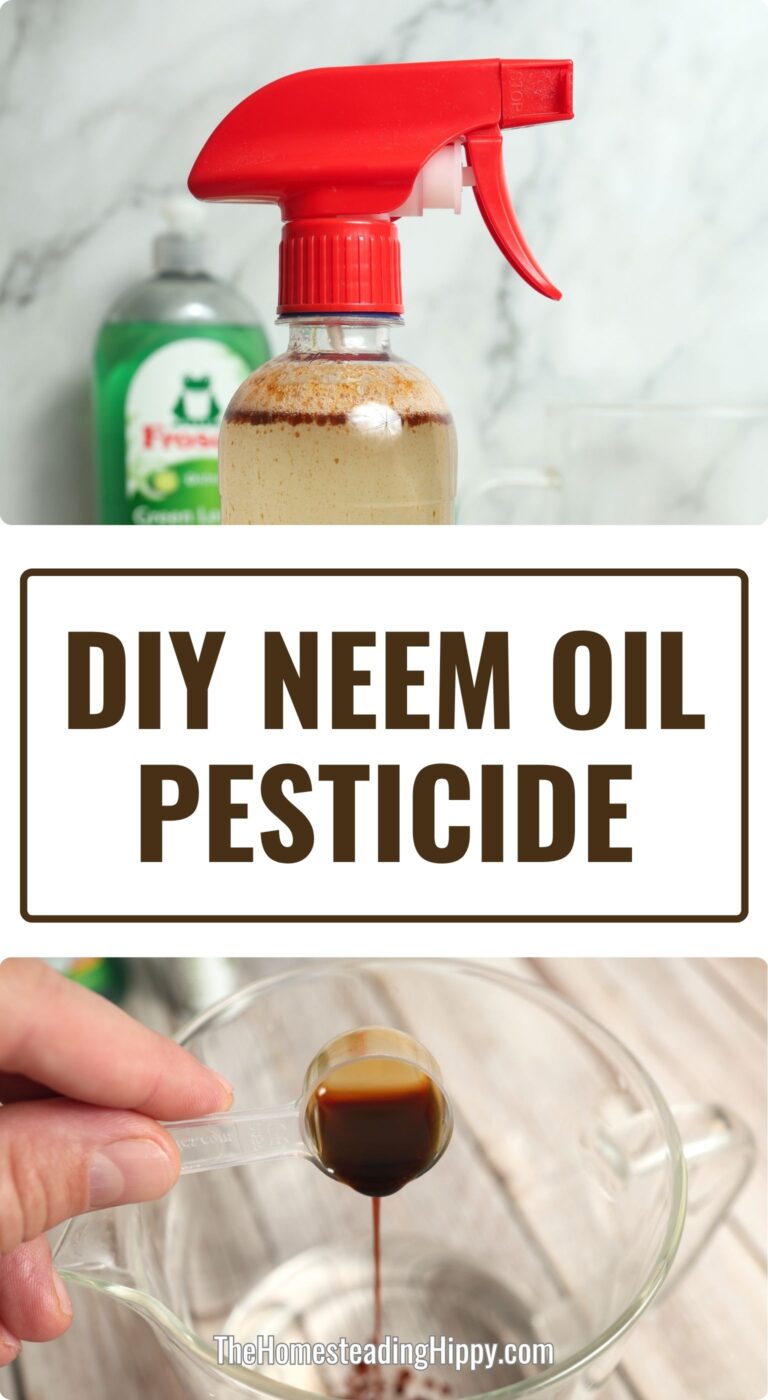
Whatever kinds of plants you grow, and wherever you grow them, insect pests will be a constant menace. Ornamentals, herbs, fruits, and veggies can all fall victim to hordes of bugs throughout the year. There’s no shortage of products that can dispatch them, but many have downright scary ingredients that can impact the health of you, your family, your livestock, and your pets.
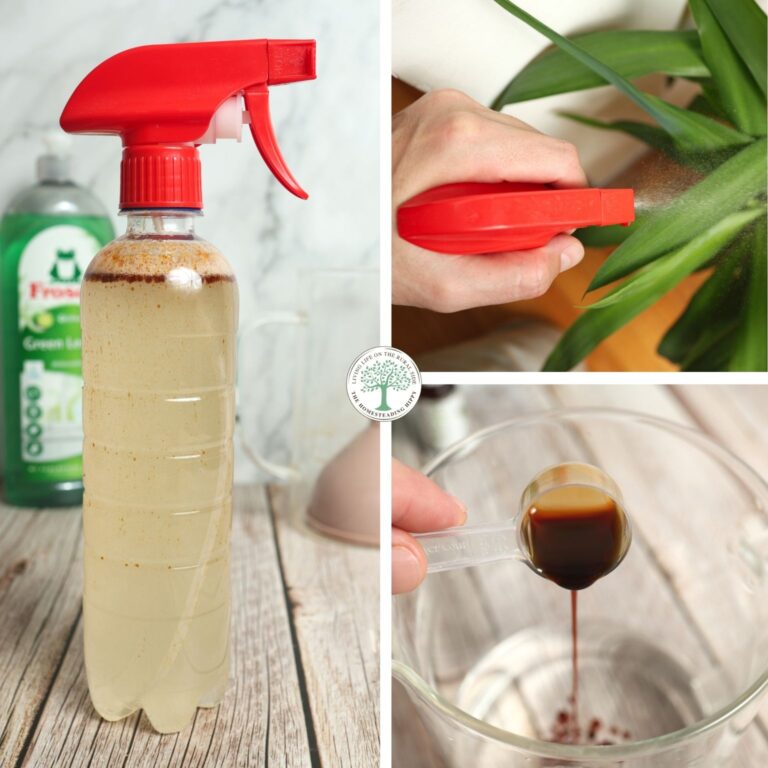
We can’t risk that, so what are we to do? I’ll tell you: go natural! Nature furnishes many all-natural and completely safe pesticides that can keep our plants protected around the clock and do so cheaply and easily.
One of the best is neem oil, taken from the seeds of the neem tree. This bug-bashing pesticide gets rid of pests while leaving most beneficial insects alone, and it works for both indoor and outdoor use. I’ll tell you how to make it and why you should use it in this guide…
How Does Neem Oil Kill Bugs?
Neem oil is pretty unique because of how it kills bugs. It doesn’t just kill; it also repels! Neem oil has a potent cocktail of compounds called limonoids, of which azadirachtin is the most effective.
Together, these compounds can disrupt insect hormones to stop development, poison insect cells, and directly affect their nervous system. It can even cause sterility in sexually mature adult insects, wiping out the next generation before they arrive!
Neem oil also has a smell that’s pungent and offensive to insects, deterring many from even landing or nibbling on your plants.
What Insects Will It Take Care Of?
Neem oil kills all kinds of insects and is most effective against soft-bodied, chewing insects like flies and their larvae, mites, aphids, caterpillars, grubs, many beetles, etc.
Best of all, as mentioned, “good” insects like bees, butterflies, and ladybugs are less likely to be poisoned because they don’t directly feed on plant tissues. This is one pesticide you can feel good about using!
Supplies and Tools
Distilled Water: Neem oil is highly reactive, biologically speaking, and many compounds can disrupt or neutralize it. Accordingly, you only want to use distilled water for mixing up a batch of spray. If you don’t have any or simply can’t get your hands on it, use the best filtered water you can find. Do not use tap water! You’ll need 1 quart for a small batch.
Neem Oil: This is the most important ingredient. It tends to be a little pricey when you find it, but you’ll need very little to make a batch, and even a small bottle can make many batches of spray, which can protect your plants for an entire year or even longer. Before you buy, check that your product contains at least 3% azadirachtin. Weaker stuff won’t kill insects reliably or quickly! You’ll need 2 teaspoons of genuine neem oil per every quart of water.
Liquid Dish Soap: This acts as an emulsifier to combine the water and the neem oil. Water and oil normally don’t mix, remember? Try to use the simplest and “cleanest” brand you can get and avoid any that have antibacterial additives. Three to four drops will do it.
Bowl or Bucket: For mixing up the spray.
Sprayer: You’ll need a sprayer to apply the solution to your plants. A small mister is fine if you just have a few, but you’ll want to use a larger garden sprayer if you’re taking care of raised beds, a garden, or many outdoor ornamentals. Note that you must only use a clean sprayer that has not had any other chemicals in it, as these can affect your solution.
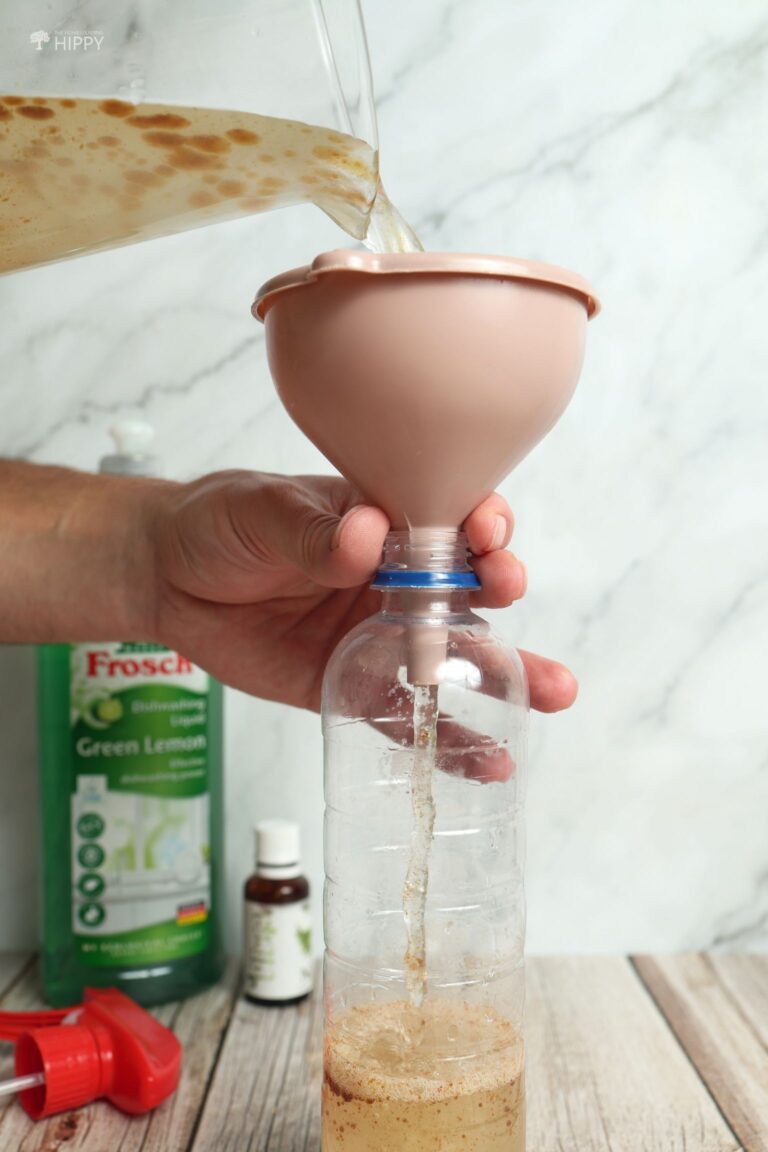
Funnel: Helpful for transferring the solution from the mixing container to the spr.jwt
Make and Use Small Batches for Best Results
I see people go wrong with this recipe because they try to make more spray than they will use at one time. Normally, this is a good thing and will only save you time and effort – but it’s a bad move when talking about neem oil.
As I mentioned above, neem oil is highly reactive, and it starts to break down comparatively quickly when left in water.
When we spread it on our plants and the water evaporates, the essential compounds of the neem oil stay behind and remain active. That won’t happen if we just leave a jug of the stuff sitting around for a few weeks.
Instead of making a big batch, make a small one that’s just enough to handle all of your plants that you want to protect in one go. In the future, when it’s time to reapply, make a new batch. I know it sounds annoying, but it is so simple and quick to make that you won’t mind.
Instructions
Step 1: Pour water into a bowl or bucket. Make sure the container is clean and free of all contaminants. Use a quart of water for a small batch.
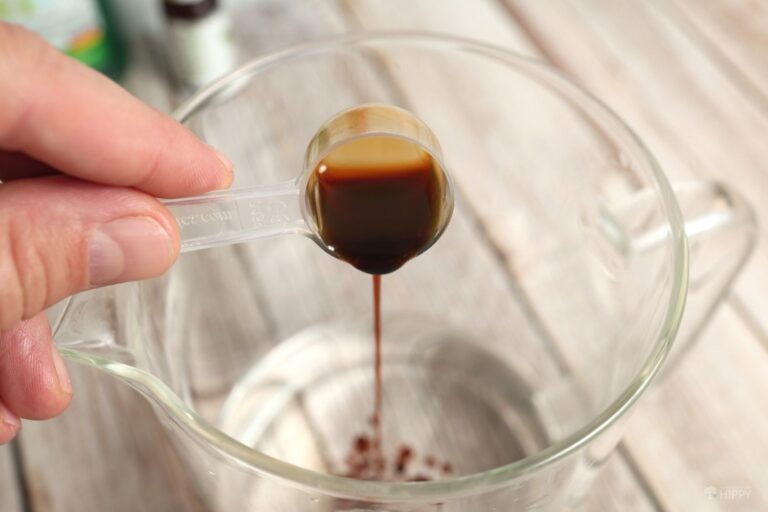
Step 2: Add neem oil. Pour 2 teaspoons of neem oil into the water.
Step 3: Add dish soap. Put three or four drops of dish soap into the mixture.
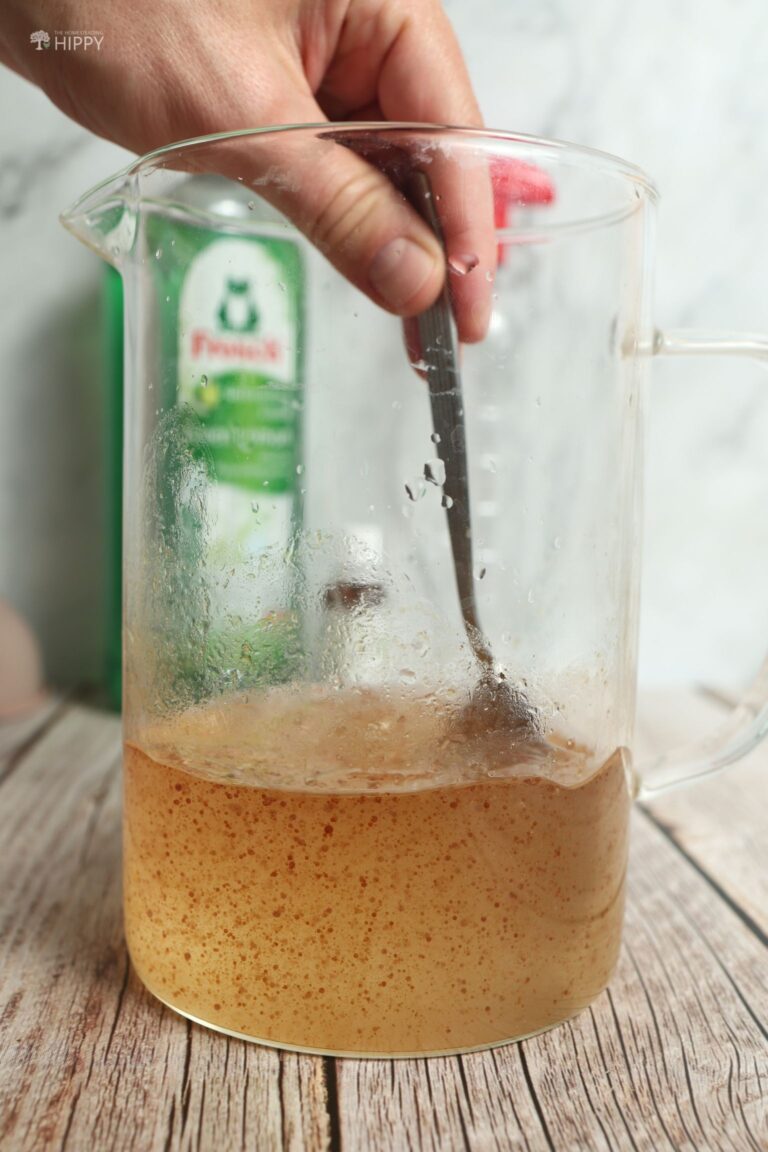
Step 4: Stir gently to combine ingredients. Use a spoon or a whisk to gently stir all of the ingredients together. A few suds are okay, but don’t whip it so hard that it starts to foam up from the soap.
Step 5: Use a funnel and transfer the solution to a sprayer. Carefully pour so you don’t spill it.
Step 6: Apply to plants. Spray plants until they are wet, and they will be protected. That’s all it takes. Make sure you get every nook and cranny and the underside of all leaves for total protection.
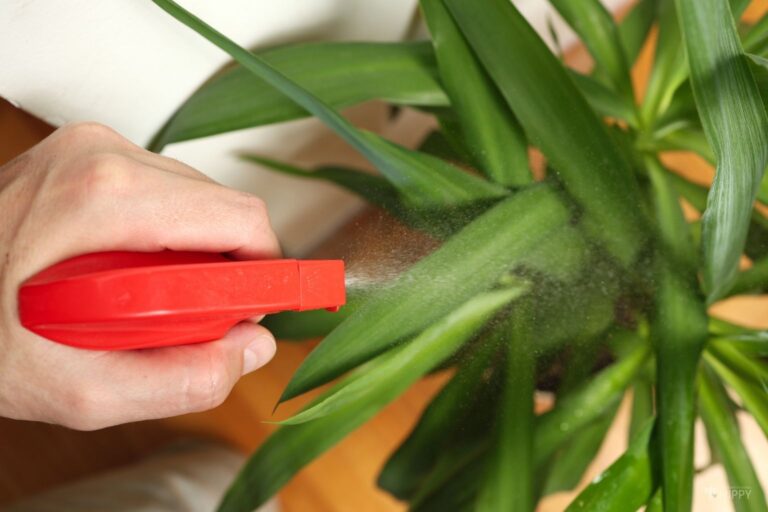
Step 7: Reapply as needed. If your plants are already heavily infested, apply the mix up to three times weekly. For ongoing control and prevention, apply it once every 1 to 2 weeks. Reapply immediately after a hard rain once your plants dry out.
Just be sure to give it a shake before each application because, since the oil doesnÄt mix with water, it tends to clump at the top.
How Long Will Your Spray Last in Storage?
Once you make a batch of spray, it’s best if you apply it the same day or no later than two or three days. Its effectiveness significantly degrades after just a week in storage!