
For anyone who keeps poultry, a fact of life that you have to accept going forward is the fact that all kinds of birds, including ducks, have lots and lots of predators. Predators can strike from ground level or from the air and, because ducks are aquatic, also from beneath the surface of the water.
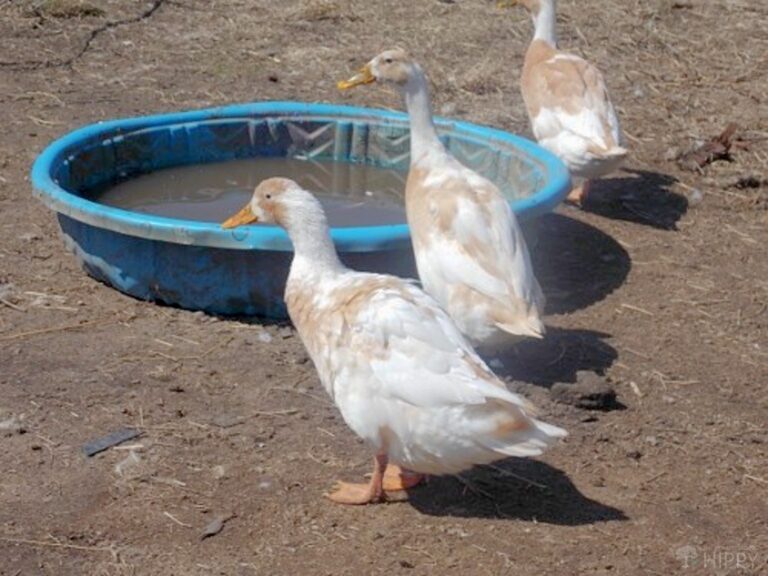
Depending on where you live and the local animal populations, keeping your ducks safe from predators might be a full-time job. But it is a job you must take on.
The most important factor in any defensive plan is understanding the threat, so to help you do that I’m bringing you a list of duck predators that you need to watch out for.
How Do They Avoid Predators in the Wild?
Ducks are prey animals, and that means they usually serve as dinner for lots of other animals, including carnivores but also some omnivores.
The good news is that ducks aren’t just sitting there on a plate waiting for predators to get them and fill their bellies; ducks can defend themselves, usually by trying to give them the slip.
They’ll do this by taking to wing, of course, but also by heading out onto the water where most ground predators won’t follow them. Some ducks have even been known to dive beneath the surface of the water to dodge a bird of prey that is making a pass at them.
And many ducks, especially females of any given species, tend to have drab, environmentally-matching colors that will help them blend in with their surroundings, camouflaging them from the notice of predators.
Now, your ducks won’t necessarily have these advantages: Most domestic ducks can’t fly very well if they can fly at all, and they might not even have a large pond that they can retreat to.
Just keep that in mind, and I’ll give you a few strategies after our list here that can help you keep your precious birds safe from predation.
Foxes
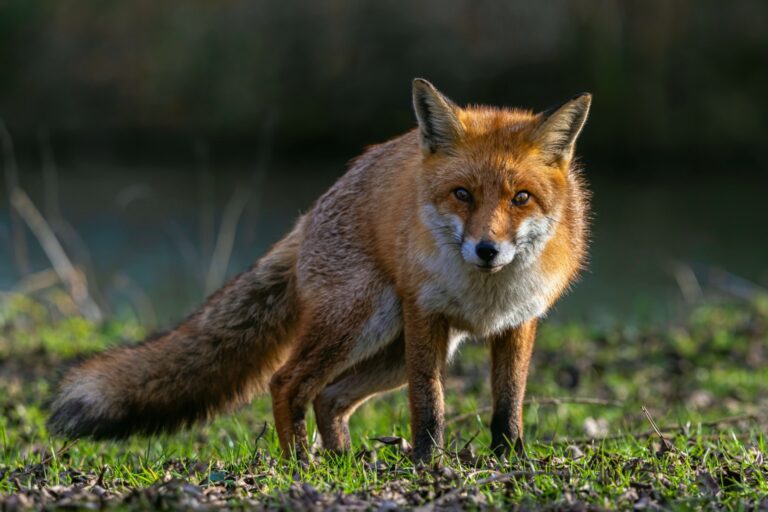
Foxes are notorious killers of all domestic poultry. They are so associated with the massacring of chickens that the expression “fox in the hen house” has become an aphorism. And as you might expect, foxes will be more than happy to kill ducks in the exact same way.
Foxes are difficult to deal with: they are highly intelligent, patient, and persistent predators, and their sheer cleverness means they can always find a way into even the most protected enclosure or coop.
Foxes will kill adult ducks and ducklings with relish, and also eat eggs by the dozen. They usually come at night, usually, but foxes that are used to human habitation will also strike in the daytime.
Coyotes
Basically, wild dogs and coyotes are also known to be constant killers of poultry, be they ducks, geese, chickens, or turkeys.
Though they tend to be shy and not quite as bold as foxes, they present many of the same threats, including tenacity, excellent jumping ability and also being fast and deep diggers. Worse, you are far more likely to find coyotes working in small packs to wipe out your flock.
You might come out one day after hearing a commotion to see nothing but clumps of feathers and blood and not much else! That would be terrible, but the good news is that in many areas, coyotes can be shot as pests or livestock predators.
If that’s not an option for you for whatever reason, you’ll need strong fencing buried deep and a sturdy coop to keep your ducks safe.
Dogs
Even domestic dogs will make a pass at ducks. It’s true! Your neighbor’s faithful, friendly pooch might have its prey drive activated by quacking ducks, and many dog breeds have a lot of ancestral DNA geared towards hunting and retrieving waterfowl working against them.
This goes as bad as you might expect if a dog gets hold of an adult duck or a duckling, although they are a lot less likely to go for eggs. However, most domestic dogs aren’t as persistent as their wild cousins unless they have gone truly feral, so they’re much easier to run off.
Domestic Cats
Another pet, another possible threat to your flock. Felines, in any category, are always apex predators, and even aloof and seemingly lazy house cats have a murderous streak a mile wide.
They’re known decimators of bird populations, and that includes domestic birds like ducks when they get a chance.
Now, it is unlikely but not out of the question that a house cat will make a pass at a large, mature duck. That can be a lot for them to handle!
But make no mistake, they will gleefully kill ducklings and carry them away to a grisly fate. All you can do is keep an eye out for house cats and shoo them away, or keep your ducks and ducklings securely enclosed in a run.
Bobcats
Bobcats are stocky, wild cats native to North America, and they’re remarkably good, persistent hunters.
Most folks worry about mountain lions, but you’re a whole lot more likely to actually encounter a bobcat. If you live in a rural area near their native range, and you own any kind of livestock whatsoever, you can count on their eventual appearance.
Maybe the only saving grace here is that bobcats typically don’t eat many birds as part of their natural diet, believe it or not, even ones that are easier to get to like ducks or chickens.
That being said, if they get a taste for them or if your flock turns out to be their easiest source of food they have, you’re going to have a real problem. And don’t go thinking you can just eliminate them if the mood strikes you: they are protected in most areas.
Raccoons
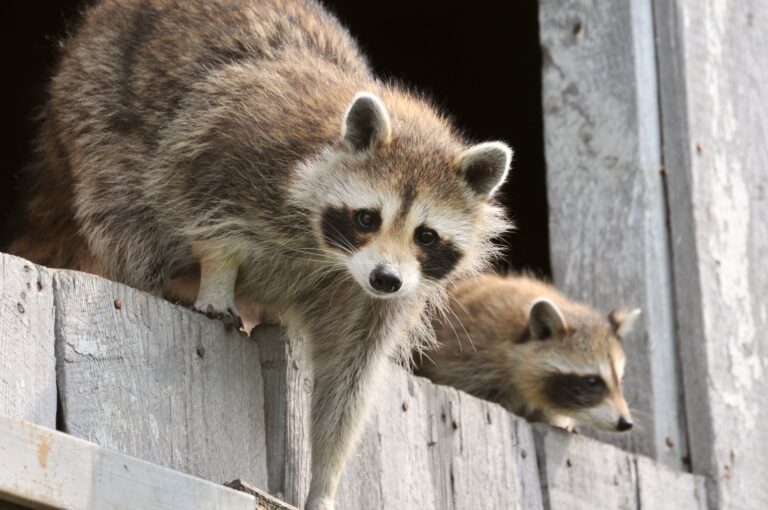
Raccoons have an entirely well-deserved and infamous reputation as being pesky thieves and break-in artists.
There’s no trash can that’s safe from them, no food bowl that will go un-pilfered and no coop that they can’t sneak into. That’s because raccoons are incredibly agile climbers and they have highly dexterous forepaws that enable them to undo latches- and even manipulate some locks!
Raccoons generally won’t mess with adult ducks unless they’re starving, but once again, they’ll be glad to eat ducklings, especially ones that are unattended, and they are irrepressible egg thieves.
Although they aren’t as physically intimidating as the other predators on our list, it can be challenging to create enclosures and latching systems that can withstand them.
Rats
Rats, particularly large Norway rats, are known troublemakers for all kinds of poultry and are some of the leaders in the mammal category when it comes to egg poaching.
Rats are inquisitive, quiet, and capable of squeezing through openings that are just a half-inch wide. It doesn’t seem possible when you’re talking about a plump rodent that is nearly 21 inches long from nose to tip of the tail, but it’s true!
Accordingly, even the smallest openings in your fencing or construction of your coop will allow rats to get in and massacre eggs and ducklings with ease. Adult ducks might not have too much to fear, but a large rat could easily fatally wound a duck.

Badgers
You’re not very likely to run into badgers unless you live close to the areas where their populations are densest, but they are known and fairly notorious killers of adult ducks and ducklings.
With powerful jaws and stout claws, badgers will usually tear their prey apart and eat on the spot, and occasionally drag away the remains to be stashed in a larder for later…
The trick is actually finding the badger if it makes a successful attack and then gets away: since they live in underground burrows and warrens, often with multiple entrances and exits, once they retreat to their home turf you’ve probably lost it for good.
Weasels, Minks and Stoats
Weasels, minks, and stoats are all closely related duck predators in the mustelid family. These super-predatory long-bodied rodents combine the ferocity of a badger with the agility and sneakiness of a rat.
They also tend to be extremely tenacious for their size, and even small species will make a go at adult ducks, usually by targeting the neck or throat.
As with protecting your ducks from rats, you’ve got your work cut out for you if you live in an area with a large weasel or mink population: they can squeeze through the tiniest openings, and so chicken wire is no impediment whatsoever to them, as is larger sizes of hardware cloth.

Snapping Turtles
Snapping turtles are humongous freshwater turtles that are known for, as the name suggests, a lightning-fast and powerful bite that can easily amputate a human finger. Imagine what it’ll do to a poor duck…
Although a snapping turtle is not likely to be a predator that will come to you, they are a major threat anytime your ducks take to murky water.
With one blinding, violent strike, they can kill a duck instantly and pull it below to a watery grave; it’s one of the most dramatic and terrible ways that a duck can die. On shore, they will raid nests and nest boxes, if left open, to eat eggs.
Alligators
Alligators are another powerful, aquatic reptile that can strike from stealth to lethal effect.
Drifting along silently through the water, they look for all the world like a piece of driftwood until, in a flash of teeth and massively powerful jaws, they clamp down on prey, pull it beneath the water, and drown it before tearing it apart or swallowing it whole.
Ducks that stray too close to an alligator in the water are as good as dead, and they can swallow a mouthful of ducklings in a single, catastrophic chomp. If you live in the Deep South, alligators are always going to be a concern, especially in Louisiana and Florida.
Snakes
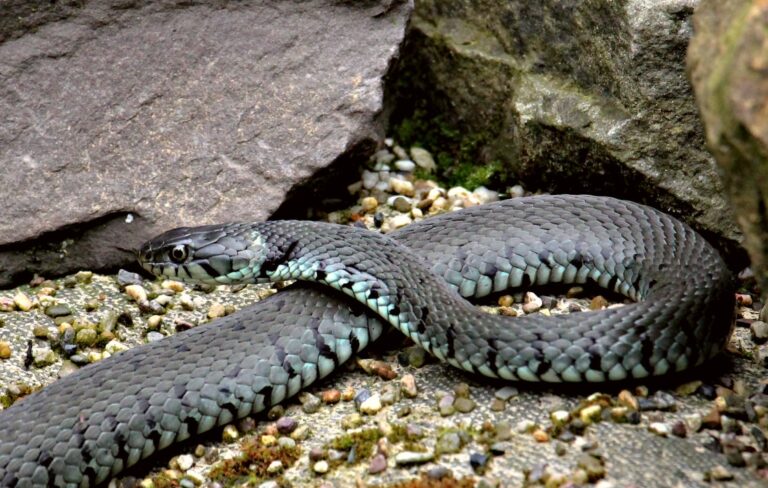
Snakes will rarely be a problem for adult ducks, but they will readily target ducklings and raid your nesting boxes for eggs if given half a chance.
Like other “noodly” predators including mink, weasels, and rats, snakes can slip through the tiniest of openings as long as it is wide enough to permit their head.
Worse yet, snakes are extremely common pretty much everywhere except in the coldest regions, so you’ll always have to keep an eye out for them.
You definitely won’t hear them coming, that’s for sure! Making sure you keep your coop or nesting house sealed up tight will help cut down on losses to snakes.
Fish
Believe it or not, there are some larger fish species that will kill your ducks and ducklings! I swear it’s true:
Some of the largest fish species in North America, including pike, “monster” catfish, largemouth bass, and others will strike from beneath the surface and swallow a smaller adult duck or a duckling in a single gulp, disappearing in a splash and nothing else.
Obviously, this is one category of predators you won’t have to worry about encountering on land, but you can’t count your ducks safe if they are even near the water’s edge; some bold fish have been known to strike at ducks that are wading only ankle deep.
Herons
These wetland-dwelling birds look like they are walking around on stilts, and in a way, they are: this positions them and their long, dagger-sharp beak directly above prey so they can strike from on high.
These predatory birds kill and eat anything smaller than they are that they think they can swallow, and this includes ducklings and even adults from some of the smallest species.
Although you generally only need to worry about these as a constant threat if you live near the wetlands and water features that they inhabit, they are migratory to a degree so you can never rule out a deadly visit from them.
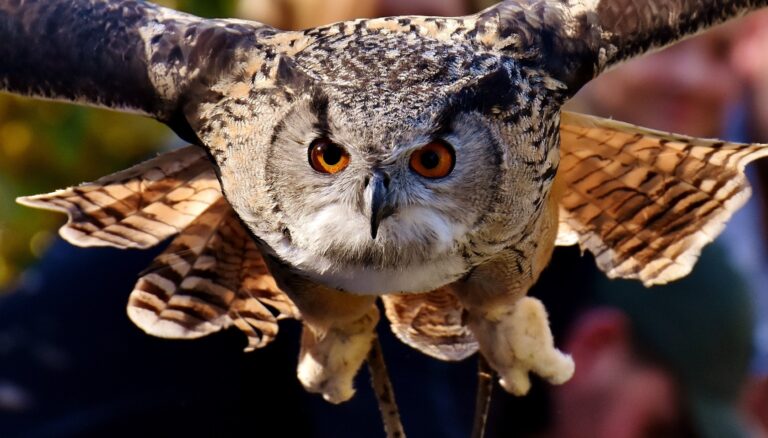
Owls
The deadliest and most capable of the nocturnal birds of prey, owls are incredibly effective and silent killers. If your ducks are out and about, unprotected and uncovered at night, it’s only a matter of time before an owl picks one or more of them off.
Ducks don’t stand a chance against them in the night, and the only thing you can do is to keep them securely penned up in their coop. But don’t discount the idea that an owl can strike during the daytime; that might be the last mistake that you make and one of your ducks will pay the price.
Ravens and Crows
Ravens and crows are extremely intelligent birds there are opportunistic, omnivorous, and more than capable of picking off a duckling or eggs for their meal.
Both are extremely intelligent birds, and any gaps in your defenses or security will quickly be exploited by them. They will wait for you and adult ducks to be away before “sniping” a duckling or grabbing an egg when they think they can make a break for it and get away clean.
Note that these ominous black birds might be more or less aggressive depending on where you live. Some folks report that crows and ravens never give them or their flocks any trouble, while others say that they’re absolutely rapacious predators of eggs and ducklings both.
All crows and ravens, and collectives thereof, are a little bit different in terms of behavior, so you’ll have to observe and see what happens.
Eagles
No surprises here. As the largest predatory birds in North America, eagles are more than capable of killing any fully grown duck, or duckling, at will with contemptuous ease and carrying them away.
They are supreme aerial predators and very deadly when they do strike, and even ducks that they don’t manage to get away with will probably be mortally wounded.
The only advantage when dealing with eagles, if you want to call it that, is that they’re so much larger than smaller hawks and falcons you’re more likely to spot them loitering in the area. And don’t get any ideas about taking them out either: all species are protected by federal law.
Falcons
Some of the most prolific and successful birds of prey, falcons are experts at picking off ducklings or smaller adult ducks while on the wing.
They are supremely fast, and all species have excellent eyesight, tending to stay way up high or far away while observing their prey and waiting for the ideal opportunity to strike.
The only thing you can do to protect your ducks is to give them sturdy overhead cover, preferably a kind that is highly visible to the falcon in order to dissuade them.
You can try to decoy falcons away with noise makers, shiny objects, or other, larger imposter predator birds, but you can’t hurt or kill them.
How Can You Keep Predators Away from Your Ducks?
The very best thing you can do to keep predators away from your ducks is to keep them inside a safe enclosure. Total protection from predators means they must have protection on all sides, even under the ground to a degree!
A sturdy coop, wrap-around fencing (buried at least 6 inches deep), and preferably a mesh roof that will not admit birds of prey or climbing, terrestrial predators is just what you need for a start.
As mentioned above in several entries on our list, you must make sure to close up the coop tightly if you want to keep out the smallest predators like minks, rats, and snakes.
Of course, this doesn’t give your ducks the best quality of life unless you’re willing to enclose your entire yard or property.
If that is unworkable for you and you want to let your ducks free range, your only option is to keep an eye out for predators and try to deal with them when you do see them.
Alternately, you might get a livestock guardian dog (which could be problematic for the ducks in kind) or get larger birds like geese or turkeys which can live alongside your ducks and potentially deter some of the more cautious or timid predators. At the end of the day, for most duck owners a certain amount of predation is just going to be a fact of life.

Tim is a farm boy with vast experience on homesteads, and with survival and prepping. He lives a self-reliant lifestyle along with his aging mother in a quiet and very conservative little town in Ohio. He teaches folks about security, prepping and self-sufficiency not just through his witty writing, but also in person.
Find out more about Tim and the rest of the crew here.