
Gardening is a wonderful pastime and a great way to improve your food security. And not for nothing, it’s one of the very best ways to enjoy truly premium vegetables! Once you bring in a bumper crop of perfect, fresh, organic veggies, it’s hard to go back to the grocery store.
But if you are anything like me, patience is not your highest and best attribute…
Even when you’re doing everything right, even when conditions are ideal, sometimes the waiting for your harvest is enough to drive you crazy. It’s especially bad when you have a special recipe in mind for your veggies!
Whether you are a beginning gardener or a veteran green thumb, sometimes it’s nice to enjoy the fruits of your labor a little quicker.
In this article, I’ll be telling you about 20 of the fastest-growing yard and garden veggies that are ready to harvest in no time. Grab your gloves and let’s get a move on. Time’s a-wastin’!
Radishes
- Ready to Harvest in: 3 weeks
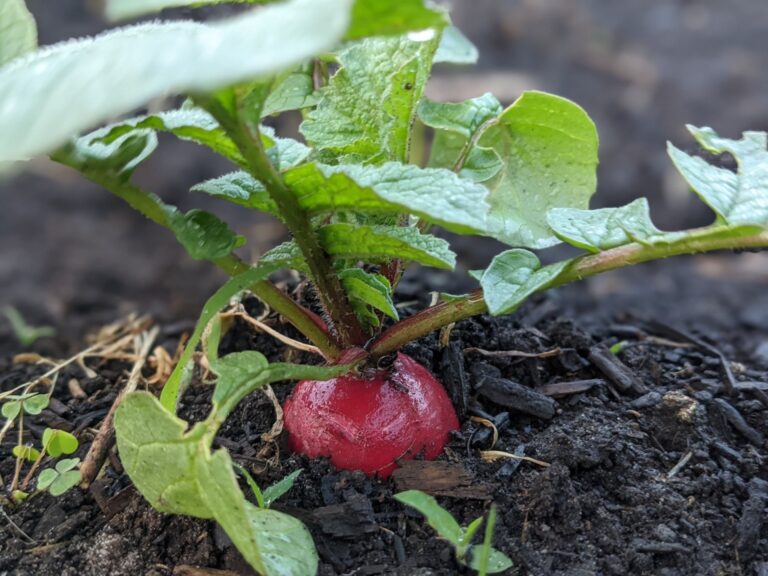
If you’re feeling the need for speed with your garden veggies, radishes are unbeatable. From seed to harvest, you’re looking at 21 days on average, and there are many varieties to choose from that offer different flavor profiles, shapes, and textures. Cherry Bell and French Breakfast are two of the most popular and quickest growing.
Just be sure to plant them in loamy, sandy soil and make sure they get full sun. Protect them from beetles and other persistent insect pests and you’ll have a huge harvest in no time.
Cress
- Ready to Harvest in: just two to three weeks!
Cress is a leafy vegetable that grows extremely quickly and can be harvested in just two weeks as microgreens if grown in ideal conditions.
Given lots of sun, there’s little else to do. It even grows hydroponically or in non-soil substrate. Even starting from seed, it germinates in just two or three days and grows rapidly from there.
The peppery, bracing taste makes it great in salads, on sandwiches, or in various other recipes, but do keep in mind that the more mature the plant gets, the stronger the taste is. It might be too strong for some if you hold out for a bigger harvest!
Arugula
- Ready to Harvest in: 3 to 4 weeks
Another peppery, leafy vegetable, arugula grows quickly and readily when direct-seeded, so you don’t need to waste any time starting them indoors before the last frost in spring. However, it does grow quite well in containers if you want to go that route.
Speedy, as the name suggests, is one of the quickest growing varieties and perfect for salads and other recipes. It’s also tolerant of part shade, making it easy to care for.
Spinach
- Ready to Harvest in: 4 to 6 weeks depending on variety
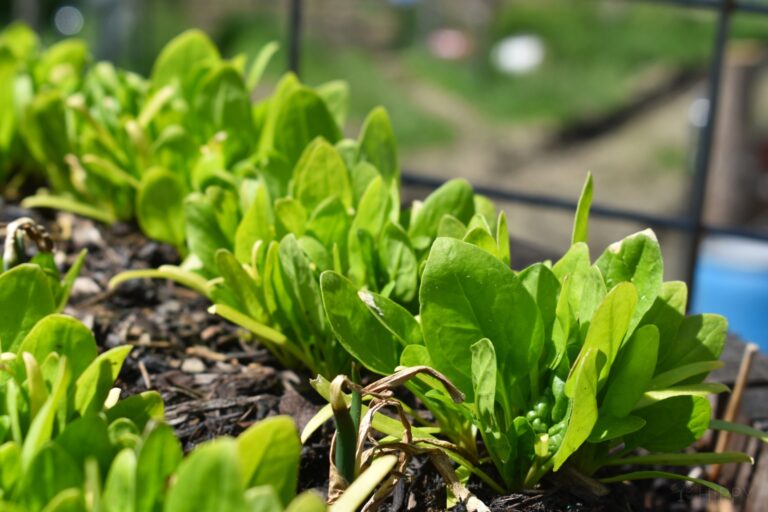
This nutrient-packed veggie is eaten the world over for its vitamins and minerals and also for its flavor.
Different varieties may grow more quickly or more slowly, but all can be harvested during the growing season when needed, meaning you don’t have to wait for full maturity to enjoy some tasty spinach.
If you want bountiful heads to enjoy as quickly as possible, pick Tyee. Spinach is a fairly heavy feeder that needs neutral soil and tons of sunshine to thrive, so plant accordingly.
Lettuce
- Ready to Harvest in: 4 weeks
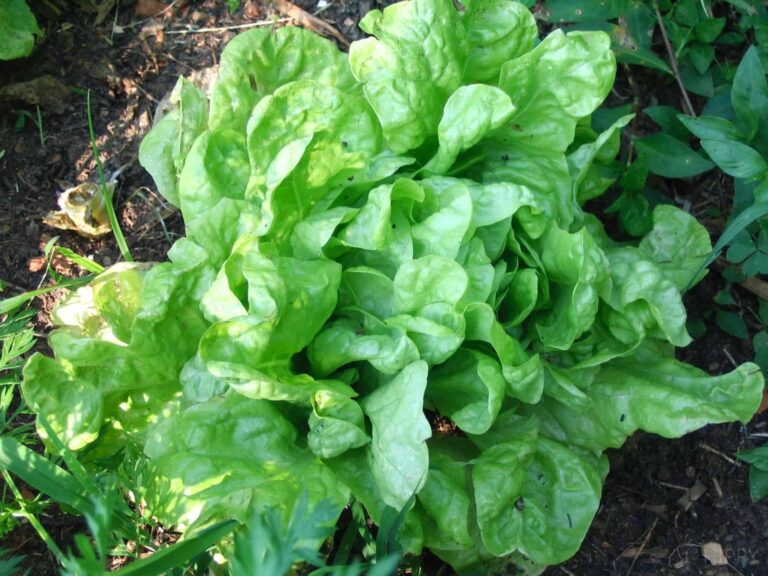
Lots of lettuce varieties like Butter Crunch and Black Seeded Simpson are quick-growing, tasty, and versatile.
They can put up with full or partial sun as long as they have loamy, well-draining soil, and they can be grown in containers, beds, or even hydroponically with ease.
Your best bet for a quick, lush harvest of lettuce is to plant it very early in the spring for a late spring harvest or at the end of summer to spare it intense heat which can cause it to go to seed.
Turnips
- Ready to Harvest in: about 6 weeks
Although turnips aren’t the most popular vegetable, they’re still versatile, reasonably healthy, and quick-growing. Both the bulbous taproots and the leaves are tasty and edible, meaning these veggies are high-yield no matter how you slice them, no pun intended.
Purple Top White Globe makes for good eating but matures quickly; you’ll just need to provide loose, sandy soil and it can tolerate slightly acidic soil.
More sun is always better if you want tastier leaves and roots! But keep an eye on them: various larval and beetle pests will directly attack the roots out of sight.
Mustard Greens
- Ready to Harvest in: around 6 weeks
These fragrant, nutritious greens are another cool-season superstar that grows readily and should be harvested before they reach full maturity; the longer you leave them, the greater the chances they will dry out and turn unpleasantly bitter.
Plant at the very beginning of spring or at the end of summer, or grow them indoors to better control conditions and enjoy them year-round.
No matter what, don’t let them dry out and shade them partially if temperatures spike. Red Giant and Southern Giant Curled are two great varieties for speedy growth and good taste.
Zucchini
Ready to Harvest in: 7 weeks on average
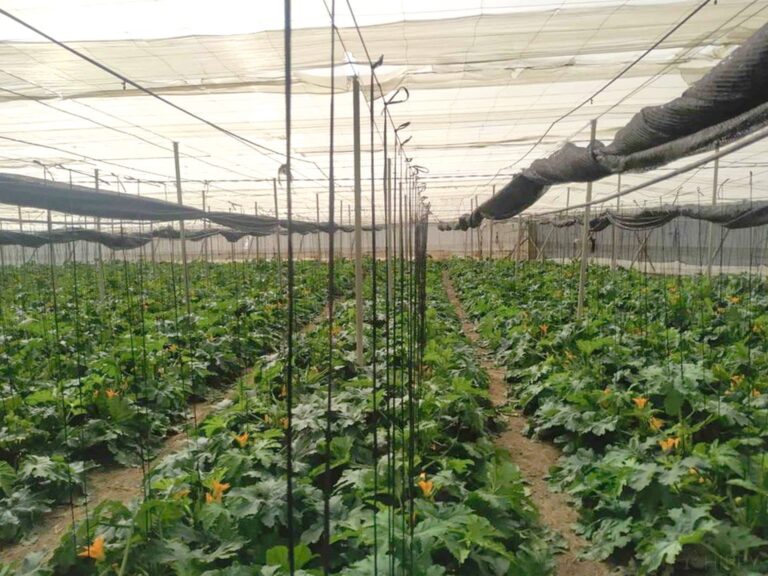
Another heavily feeding plant that needs fertile, well-drained soil in order to thrive. Give varieties like Black Beauty and Raven lots of food, keep the roots well-drained and drench them in sunshine and they might be ready to pick and enjoy in just 6 weeks.
Make sure you have a plan for controlling the spreading vines because they can easily take over nearby plants. Zucchini are also targeted by persistent pests like squash bugs which can spoil your harvest.
Bok Choy
- Ready to Harvest in: 4 to 8 weeks depending on variety
Bok choy is a group of Chinese cabbages that can grow with surprising speed in ideal conditions. All of them, though, need soil that drains well because they are vulnerable to root rot, and also plenty of nutrition to support their rapid growth.
As with most cabbages, partial shade is a must to protect them from cooking in the sun and cabbage worms will be a constant threat in some regions.
If you are space-limited or want to try growing it in a container, look for baby or dwarf varieties which will rarely reach even a foot at maximum height.
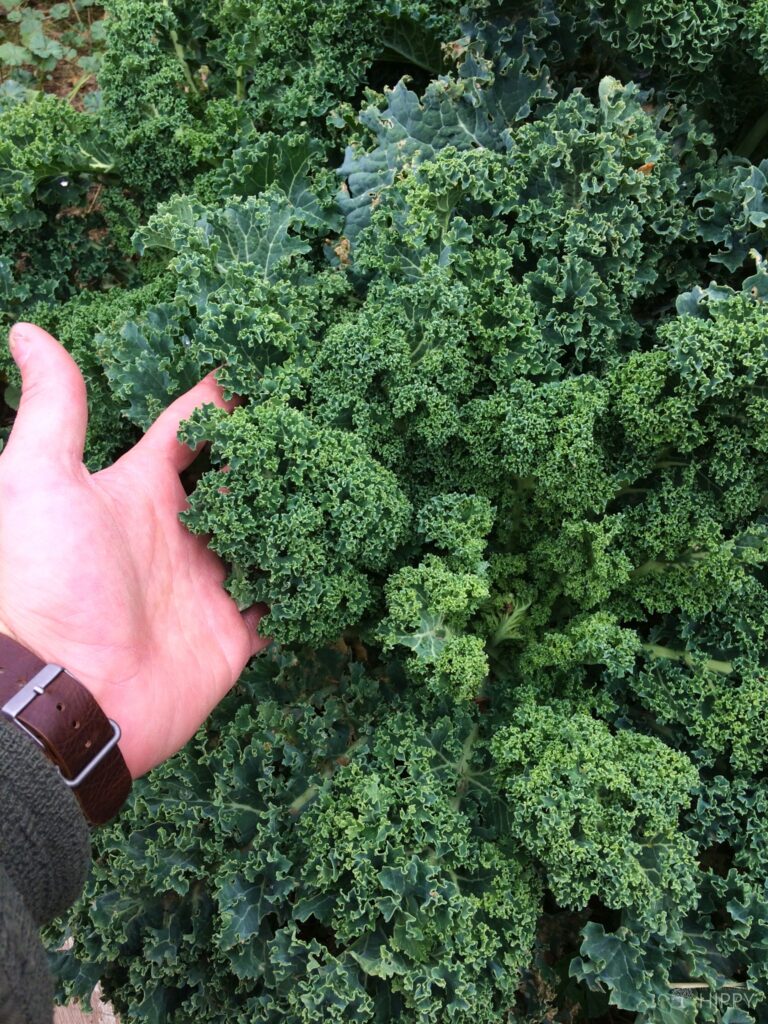
Kale
- Ready to Harvest in: 6 to 8 weeks
Kale is another leafy brassica plant on our list and a genuine powerhouse, nutritionally speaking. It’s also quite hardy and easy to grow, even though it isn’t the fastest-growing salad veggie we’ve looked at.
Extremely tolerant of cold and even a hard frost, it is perfect for putting in in the fall or very early in the spring. Most varieties want full sun, and all of them must be kept watered as they turn horribly bitter if they dry out.
As with spinach, you can harvest leaves when you need them and they will regrow. Lacinato is one of the most popular, and quickest growing, cultivars.
Broccoli Rabe
- Ready to Harvest in: 6 to 7 weeks
If you’ve never had it before, at first glance you might confuse broccoli rabe for broccoli. It isn’t really, though, and the taste is very different.
Varieties like Spring Raab are perfect for an early spring planting to be harvested as soon as the dense heads form. Whichever variety you get from your local garden center, make sure your soil nutrient levels are up to snuff: they are heavy feeders!
Green Beans
- Ready to Harvest in: 7 to 8 weeks
Green beans are a mainstay veggie in all kinds of dishes and as a dinner-time side. Tasty, nutritious, and very easy to grow thanks to their hardiness and pest resistance, Blue Lake and Contender are two great types for a quick and trouble-free harvest.
All green bean varieties need full sun and loamy, neutral soil. Assuming they have plenty of food and lots of light, green beans will tolerate slightly acidic soil.
Cucumbers
- Ready to Harvest in: 8 weeks on average, some varieties may take 10
Whether you want a crisp and juicy ingredient for salads and sandwiches or you are of a mind to make some delicious, salty pickles, cucumbers are just the ticket. The trick with cucumbers is keeping them safe from the many pests and infections that can spoil all of your hard work.
Cucumber beetles will be your main enemy, and you’ll need to watch out for powdery mildew and other fungal infections.
Straight Eight is one of the most popular quick-growing cultivars, and thrives in partial sun and slightly acidic soil. Make sure it’s well-draining, though; root rot can be an issue and continually wet conditions promote the fungal infections I mentioned.
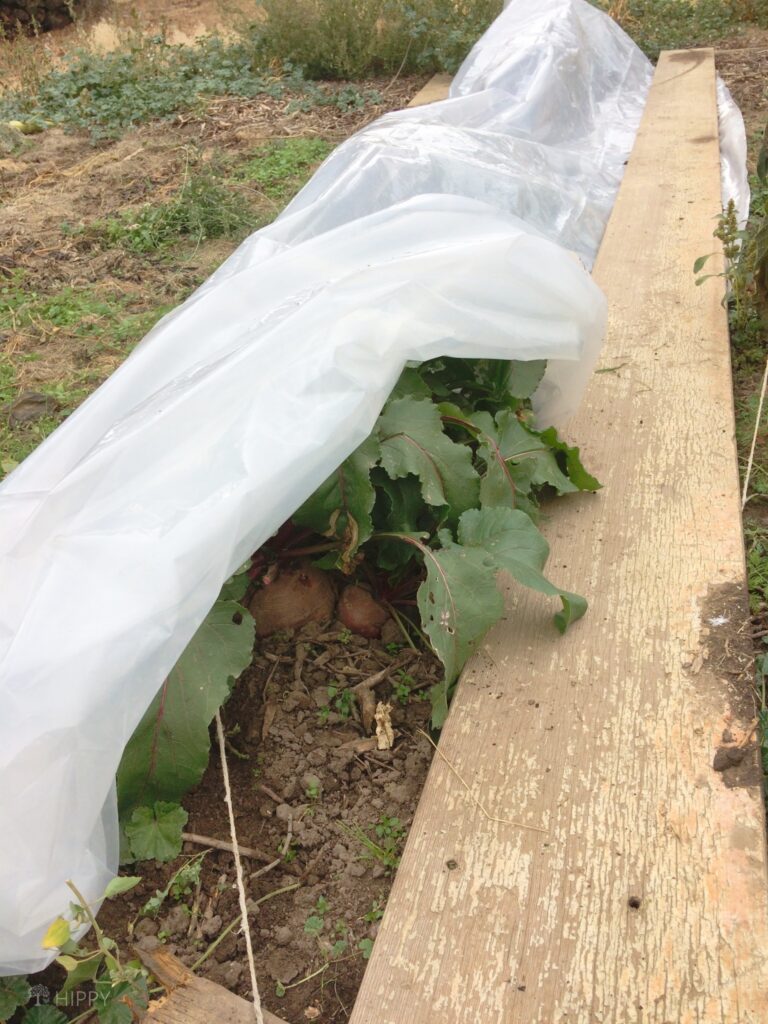
Beets
- Ready to Harvest in: 7 to 10 weeks
Beets of any variety can grow quickly enough to give you two harvests a year if you plant very early in the spring and again in the fall after the summer heat passes.
Golden, Red Globe, and Detroit Dark Red are excellent choices for speedy maturation and versatility, as they taste great in salads and other dishes or they can be pickled at your preference.
No matter the type, beets need lots of sun, neutral pH, and well-drained soil. Take care of that, and they’ll take care of themselves; they have few pests.
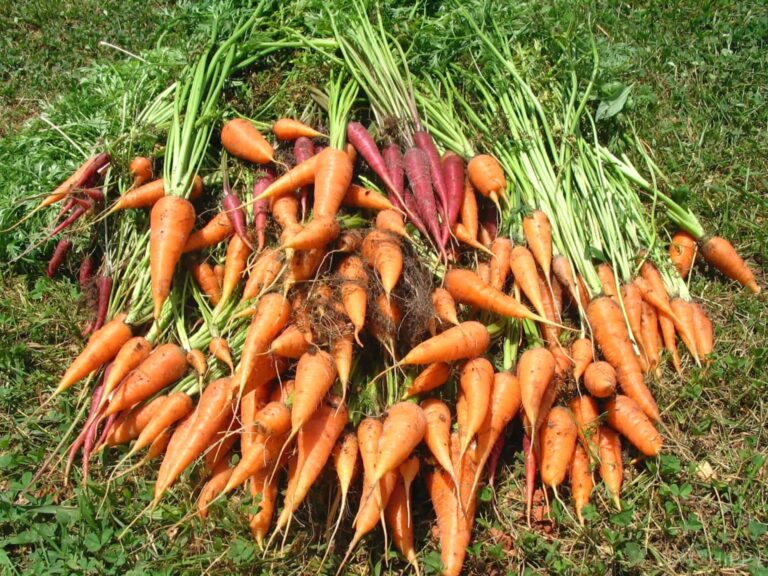
Carrots
- Ready to Harvest in: smaller varieties in just 7 to 8 weeks
One of the most versatile and popular root veggies out there, I know some seasoned green thumbs are probably raising an eyebrow at that harvest timeline I just listed.
But it’s true: choosing smaller, fast-growing varieties like Little Finger and Nantes really can get carrots on your plate in just 2 months, starting them from seed.
These smaller varieties also give you more options for growing, and they are a perfect choice for compact gardens or even growing indoors.
Okra
- Ready to Harvest in: 8 1/2 to 9 weeks
If you like okra, you don’t need to wait for them to reach full maturity before you harvest; for quick-growing cultivars like Clemson Spineless, those pods will be crisp, tasty, and tender once they are just 2 inches long.
But check the soil before you plant: okra needs acidic soil (pH 6.5 to 7), tons of sun, and moisture in order to thrive, and you’ll need to stay on guard duty since these plants are a favorite of aphids at all stages of growth.
Snow Peas
- Ready to Harvest in: 7 to 9 weeks
Also known as snap peas, these make a perfect accompaniment for Asian cuisine, salads, and more, and popular types like Snowbird and Oregon Sugar Pod II can be ready to harvest and enjoy in just under 2 months.
They’re also easier to grow than you think: all types need full sun and well-drained soil. If you live in an area where aphids are problematic, consider screening them because they will devastate your peas.
Swiss Chard
- Ready to Harvest in: 4 to 6 weeks for fast-growing varieties
This leafy salad vegetable often plays second fiddle compared to lettuce, kale, and spinach but the flavor and texture, and also the quick growth, make it worth trying in your garden.
Fordhook Giant lives up to the name when it comes to size and also matures quicker than you’d think. Bright Lights is one of the fastest growing of all and can be ready to harvest in just a month.
Chard thrives in loamy soi and likes full sunl but can tolerate continuous, partial shade though this will negatively impact the flavor somewhat. Only plant it in a location with excellent drainage, and watch out for leaf miners and aphids, two of its most prevalent pests.
Mizuna
- Ready to Harvest in: 3 to 5 weeks
Sometimes referred to as spider mustard or Japanese mustard greens, mizuna is fast-growing, peppery, and fragrant, and is a delicious addition to all kinds of Asian cuisine.
Thin and leggy with deeply serrated leaves, you can easily tell it apart from other, similar veggies in your garden. Varieties like Kyona grow extremely quickly in rich, well-drained soil.
Like other vegetables of this kind, do your best to keep them protected from slugs, snails, and beetles which will decimate the leaves.
Scallions
Ready to Harvest in: about 3 weeks
Scallions are basically just green onions that are harvested earlier in their development cycle. With the right care and when planted in loamy soil, scallions will be crisp, green, bracing, and ready to dice in just 3 weeks.
Two varieties that have a great reputation for quick growth and excellent taste are White Lisbon and Parade.

Tim is a farm boy with vast experience on homesteads, and with survival and prepping. He lives a self-reliant lifestyle along with his aging mother in a quiet and very conservative little town in Ohio. He teaches folks about security, prepping and self-sufficiency not just through his witty writing, but also in person.
Find out more about Tim and the rest of the crew here.