
Sustainability gets talked about like it’s some pricey, all-or-nothing endpoint in your life, some finish line you have to cross so you can say, “I’m sustainable.” It simply isn’t. Sustainability is the sum of the actions you take daily, and most of them actually make you more self-reliant and cost little or nothing.
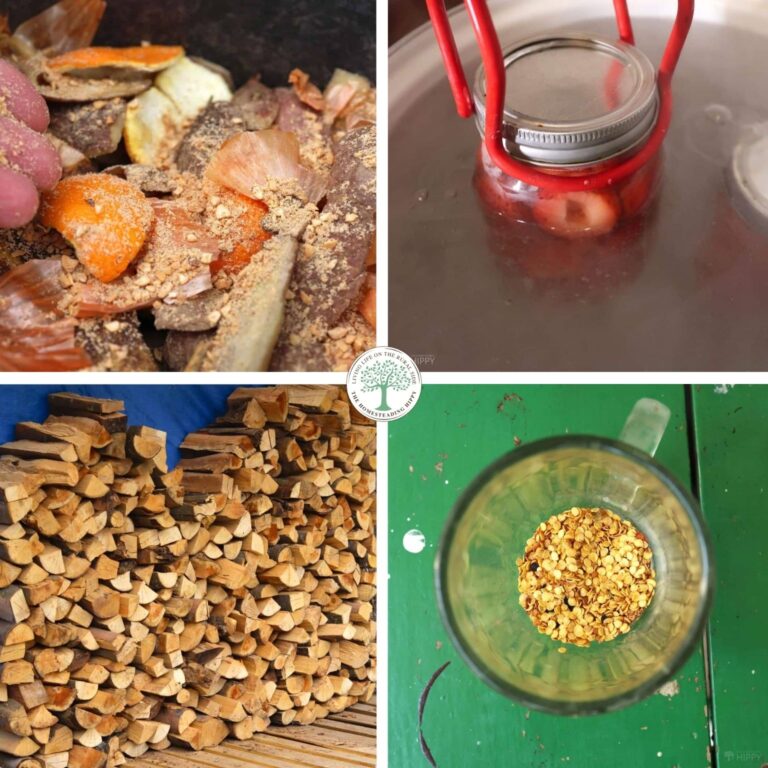
You can start being more sustainable now, today, with the approaches I’ve got on the list below. Some you might have heard before, a few might be new to you, but every one moves you closer to greater sustainability. Let’s get into it..
Keep a Flock of Chickens
Chickens are the most straightforward and affordable way to get into keeping livestock. They’re cheap to keep, robust, easy to handle and highly productive – eggs and meat – year round.
Live Below Your Means
Debt is fragility that keeps you yoked to consumerism. Trim down your budget until you’ve got a little left over each month, then hold steady and save the rest. In doing so, you’ll be paring off anything non-essential as a matter of course.
Mend Your Clothes
No one’s going to make fun of you if you aren’t fashionable on the homestead, right? Even if you don’t know how to sew properly, I bet you’ll do a fine enough job sewing your clothes. This way you’ll prolong your clothes life and save a small fortune in the long run…
Slash Your Energy Use
Hang laundry to dry, seal up your home to stop drafts, use a solar over, take cold showers: Every watt you spare is money saved, and the environment will thank you!

Catch and Store Rainwater
A barrel under a downspout waters your garden and helps you clean vehicles and equipment for free. It’s cheap insurance against drought, too.
Always Favor Reusables Over Disposables
Not only is this cheaper, you’ll avoid running out of disposable right when you need them. Consider reusable:
- Bags
- Cutlery
- Casseroles
- Boxes
- Stainless steel or glass water bottles
- Metal straws
- Cloth instead of paper napkins
- Microfiber instead of paper towels
- Silicone food storage bags instead of ziplock bags
Forage for Wild Food
Most areas on Earth are full of free food if you know where to look for them. Even town lots hide a few easily-picked plants. Foraging can save you a lot of money each month, and greatly increase food security.
Reuse Your Water
This is called “grey water” and it’s really all about reusing the water from the sink or shower that would otherwise drain away. Depending on whether it has soap in it or not, you can use it for things like watering your plants, washing your car, or flushing the toilet.
Decide You Have “Enough”
Know what you need, and how much you need, and stop buying stuff when you hit the benchmark. Once you decide to drop out of the consumer rat race, you can just live.

Start a Compost Pile
Kitchen scraps and yard waste are free fertilizer with a little time and effort. Turning them into black gold can supercharge garden and raised bed returns. Learn what greens and browns to include and you’ll never need fertilizer again.
Start Baking!
Seriously, who doesn’t eat bread or other baking products every day? Learn to do make them yourself and you’ll not only save a ton of money, you’ll stop being reliant on yet another set of companies
Stop Wasting Food in the Kitchen
Don’t throw out those bones! They make great broths. Scraps of meat and veggie can feed your chickens. Leftovers are lunch tomorrow. Use everything that you can.
Use a Clothesline Instead of the Clothes Dryer
To be honest, I never used a clothes dryer myself. Even since I was a kid on my grandparents’ homestead, we would always hang our clothes out to dry. This is something I’m doing to this day, it saves me electricity and gives me peace of mind in case of grid down scenarios. The only downside is that you’ll have to be patient while your clothes are drying.
Walk or Bike When You Can
This way you’ll save a fortune on fuel, improve your health, not to mention you’ll slow down the wear and tear of your car. This isn’t always feasible, but when it is, make sure you wear lots of sunscreen (which you should, anyway, while working the field).Insulate and Weatherize Your Home
This won’t just save you money on heating, it will do the same during summer because you’ll use the AC less. Insulating your home may incur some costs, but if you do the math and figure out that it’s worth it, then why not?
Become a Thrifter
Yard sales, swap meets and classified ads on- and offline are loaded with good stuff that can be yours for pennies. And anything bought used is one thing that a factory didn’t have to make. Learn to haggle and you’ll stretch every dollar even further.

Preserve Your Own Food
Store-bought preserved food costs a fortune and is packed with weird crap. Learn to can, dry and freeze your own harvests and you’ll eat better and waste less while staying ready for rainy days.
Plant Perennial Fruits and Veggies
Fruit trees, berry bushes and lots of veggies can produce returns lasting years off a single round of effort and little upkeep. Plant them once and enjoy.
Make It or Fix It Yourself
When something breaks, your first move should be figuring out how to repair it yourself. Most things simply are not that hard with a little time, effort and a few good tools.
Plan Your Expenditures Before You Spend a Dime
Don’t let slick ads or doomer talk open your wallet without your consent. Sit down with a pencil and pad, or a budgeting app, and take stock of your finances and situation. Only then should you act.
Learn to Hunt
The grocery store should not be your only source of meat. Taking game legally and ethically means yourself means you cut out a whole bunch of links in your personal supply chain.
Lean on Your People
No homesteader is self-sufficient alone, and asking for help from others helps everyone stay resilient and sustainable. Trade work and tools with neighbors and friends instead of hiring out, and you’ll save money while building bonds that pay dividends over time.
Cook From Scratch
Bulk whole ingredients cost less, keep longer and taste better than any boxed mix. Home cooking is the backbone of self-reliance and further enhances food security.
Build Up Your Skills, Not Huge Piles of Gear
Buying new tools is fun retail therapy. It feels great, but it is your skills that carry you through a pinch. Learning is almost always cheaper than buying a quick fix and sometimes even free.
Learn to Troubleshoot
Mountains of good gear and tools go in the trash, and mountains of money are wasted, because people assume things need replacment. Does that broken thing really need replacement, or just need servicing? Do you really need to call in a pro and pay them, or spend a little time searching for the solution? Your assumptions might be keeping you dependent and burning your cash!.
Set Up a Root Cellar
Ideally you want this below ground where the temperature is constant, and I don’t need to tell you why: most fruits and veggies can be stored there without you having to rely on a fridge to do it. In fact, many foods will last longer in the cellar so long as the humidity is low.
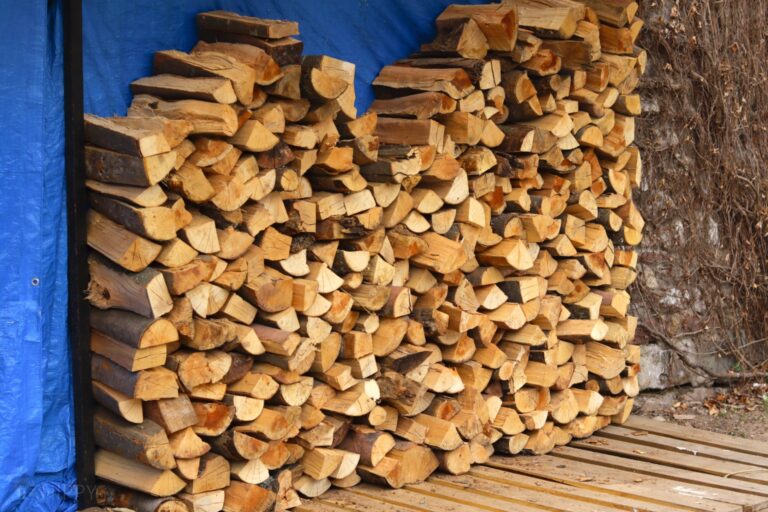
Gather Your Own Firewood
Now, there may be some legal aspects to this, so you’ll have to do your research about when and how you can collect firewood because the laws vary from state to state. But this will save you a lot of money on fuel or from having to buy the wood.
Buy in Bulk Only When It Pays
Buying bigger amounts of consumables often saves money, but not always. Do the math, and don’t forget to factor in deliver costs and wear-and-tear. If bulk isn’t the better deal, don’t do it!
Treat Mishaps as Practice
When the storm rips shingles off your home or barn, don’t reach straight for the phone with your contractor in mind. Tackle what you can safely, and call it a free training day: you’ll save a bundle and be better prepared for next time – and there’s always a next time!
Buy Things That Do Double Duty
A one-trick gadget, in the kitchen or shop, never earns its keep unless the task is super specialized. A tarp can serve as a tent and do more besides. A cast iron pan does more jobs than a teflon one. You get the idea.
Rotate Stored Food to Stop Loss
Food, batteries,chemicals, and more. All have a ticking clock while sitting, safely, in storage. Inspect regularly, always use the oldest first, and replace with fresh when you do use them.
Amend Your Garden and Bed Soil
Healthy, nutritious dirt grows more healthy food with less fuss and waste. Mulch it, compost it, and add other amendments as needed based on your plan.
Solve The Real Problems
It’s easy to procrastinate doing hundreds of little easy jobs while the big ones grow in weight and magnitude. Tackle the big stuff first, head-on, and you’ll have more energy for the little chores on the backend.
Make Your Stuff Last
Patched those old jeans. Give those old boots new soles. Tune-up an old tractor. Basic repairs make your stuff last twice as long, and that is the ultimate in economy.
Use a Fan Instead of the AC
If the temperature is not too hot, a fan will do a good job at keeping you cool. It should use less power and be easier to maintain.

Save Your Seeds
Let a few of your best plants go to seed and you’ll never need to buy that variety again if you store them right.
Stay Fit and Healthy
You work better and longer when your body works better. Fit folks get more done, get sick less and are better off all around than unfit people. If you’re fat or weak, time to fix it.
Build Your Stockpile a Little Bit at a Time
It’s good to have needed reserves of essentials, but you don’t need to drop a ton of cash to get it all at once. A few extras here and there fill a pantry or storeroom economically and fast enough.
Learn Basic Vehicle Maintenance
This way you’ll save when someone else has to do it for you. Think oil changes, inflating a tire, and other small repairs you can do yourself.
Never Stop Learning
Books, videos, classes, YouTube, and the old-timer down the road who loves to talk. The more you know, the less dependent you are on paying for others’ skills and for things you don’t need.

Tim is a farm boy with vast experience on homesteads, and with survival and prepping. He lives a self-reliant lifestyle along with his aging mother in a quiet and very conservative little town in Ohio. He teaches folks about security, prepping and self-sufficiency not just through his witty writing, but also in person.
Find out more about Tim and the rest of the crew here.