
Did you make a batch of kefir only to find out that your kefir grains have multiplied and multiplied in the meantime? It happens all the time; these resilient little pearls can keep growing and keep multiplying as long as they have a little bit of food!
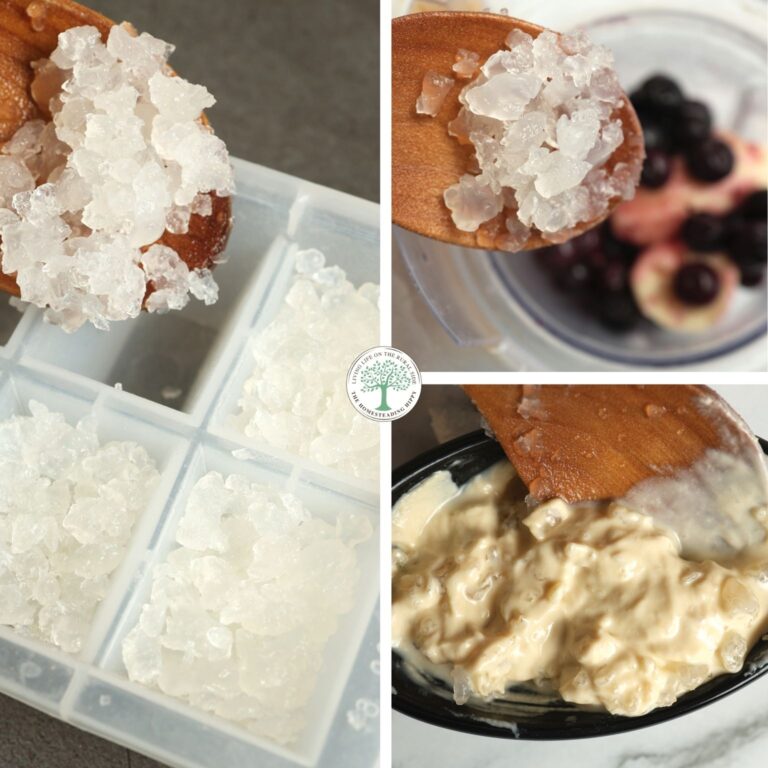
That’s great, and sustainable, but before too long you can wind up with more grains than you know what to do with. You can only drink so much kefir, right? Not to worry because kefir grains can actually be used for a lot more than just making the titular drink. Keep reading and I’ll tell you about seven awesome uses for your kefir grains.
Eat Them!
Yep, you can just eat kefir grains plain, straight and just like they are. It’s true! They are completely safe to eat and extremely nutritious, being one of the best probiotic foods around.
Here’s the thing, though: kefir itself is tangy, tasty and refreshing, but the grains don’t have much flavor at all. They have a texture that’s kind of like bland, slightly firmer tapioca, and they don’t really taste like anything. Not something I think most folks will develop a taste for, but if you just want a good shot of nutrition and a happier gut, by all means have a couple of spoonfuls.

In Salads
The great thing about salads is anything goes. You can add the usual assortment of veggies, all kinds of toppings, or even get a little experimental with things like pickled beets. I never understood the appeal of having something sweet in your salad, but then again I know a lot of people like dried raisins and cranberries in there…
Anyway, getting off track. Sprinkling kefir grains in your favorite salad will once again give you a major shot of nutrition, and the tender grains can be an interesting contrast with crisp veggies and crunchy leaves. Give it a try and see what you think.
Blend Into Kefir
One of my favorite ways to use kefir grains when I have a surplus is to blend them with kefir itself. It’s a thickening ingredient that won’t change the flavor of the finished drink but it will make it smoother and even velvetier. It kind of reminds me of the consistency of eggnog!
I really like it, you probably will too. If you’ve been looking for a simple and straightforward way to spice up your usual batch, give this a try.
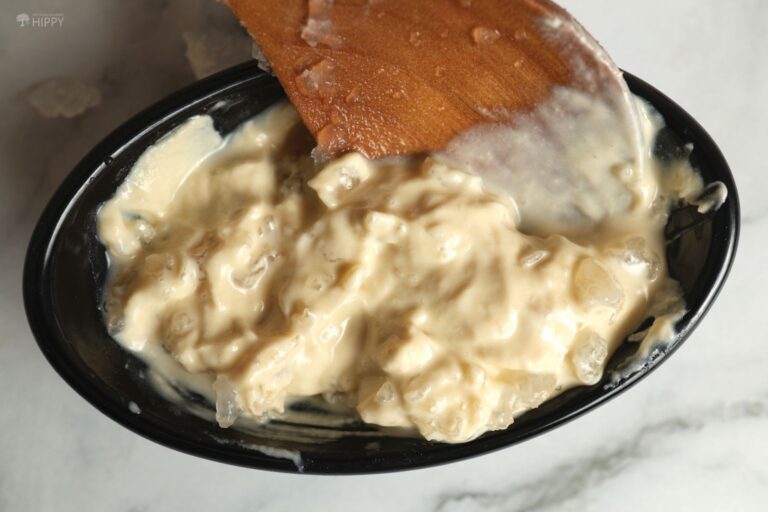
Making Hummus
I don’t think there’s any better dip, topping or sandwich spread than hummus. It’s so versatile, so good and so filling, it just can’t be beat. It’s also surprisingly healthy, packed with good oils and loads of protein. Why not supercharge it with the inclusion of some mashed kefir grains?
I trust you know the drill by now: mash or blend the grains according to how smooth you like your finished hummus, then incorporate with all the other ingredients. Voila!
Incorporate Into Dip
Nothing beats homemade dip with a selection of veggies, crackers, crisps and other snacks for dipping in it. If you want to give any of your creamy dip recipes (think ranch or garden veggie, cream cheese, French onion, spinach artichoke and stuff like that) a big boost of nutrition, all you’ve got to do is mash kefir grains into a paste and stir them in with all the other ingredients.
Like I mentioned above, the grains don’t have hardly any flavor of their own, so you can add them to any recipe to smooth out the texture, add a little bit of body and a lot of good nutrients. This is a great use for health-conscious snackers that like to make everything at home.
In Smoothies
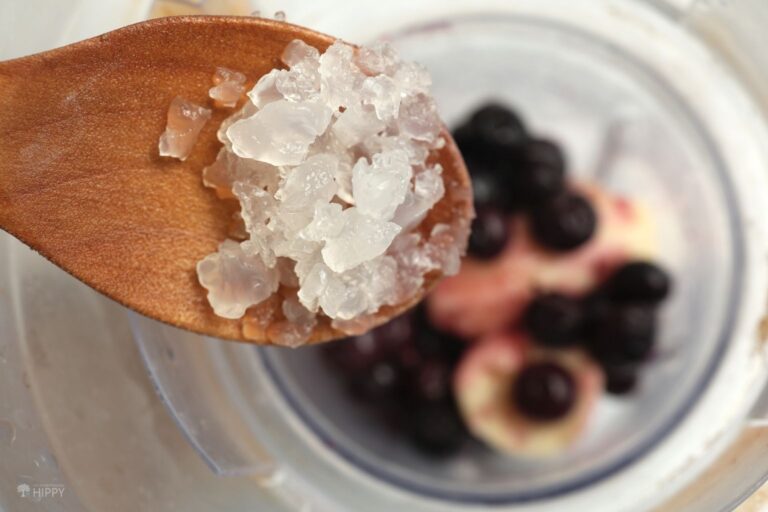
A good smoothie recipe, whatever the ingredients, can be made even healthier and more wholesome with the addition of kefir grains. Like with the other recipes we’ve already talked about, you can blend them for a smooth texture. Just toss them in the blender with all the other ingredients.
Or if you like a little bit of textural contrast, toss in the whole grains, broken up a little bit, once you’ve made the smoothie with all of your other ingredients. It’s kind of like a boba tea thing, if you’ve ever tried that.
If Nothing Else, Freeze Them
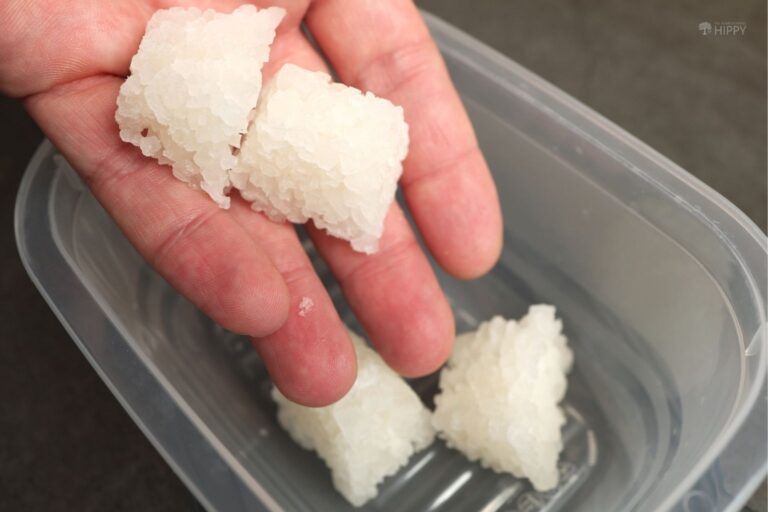
Maybe you don’t want to use your kefir grains for any other special purpose or recipe, but you don’t want to let them go to waste. I get it!
The good news for you is that these little power-packed grains are remarkably resilient and will last basically forever in the freezer. Despite being frozen, they will come back to life and become metabolically active for future fermentation if you resuscitate them properly.
To freeze them, the first thing to do is gently rinse your surplus grains in cool water. Remove them, carefully pat them dry with a clean paper towel or cloth and then dump them in a plastic freezer bag. Cover them with dry milk powder, squeeze the air out of the bag and then stick them in the freezer. Done.
To bring them back to life, move them from the freezer to the refrigerator and let them slowly thaw, then take them out of the fridge and let them come to room temperature. Once that has happened, place them in a shallow bowl, cover them with milk and put a coffee filter or cheesecloth over them for 24 hours.
Check the milk and see if it has thickened. If it has, you know the grains are once again active and ready to go. If they aren’t, don’t worry, just change out the milk for a fresh batch and give them another day.


Tim is a farm boy with vast experience on homesteads, and with survival and prepping. He lives a self-reliant lifestyle along with his aging mother in a quiet and very conservative little town in Ohio. He teaches folks about security, prepping and self-sufficiency not just through his witty writing, but also in person.
Find out more about Tim and the rest of the crew here.