
Having animals around is a lot of work, but they’re always entertaining, and learning how to take care of them and help them thrive is a rewarding hobby unto itself. But most of us, I reckon, raise them for profit.
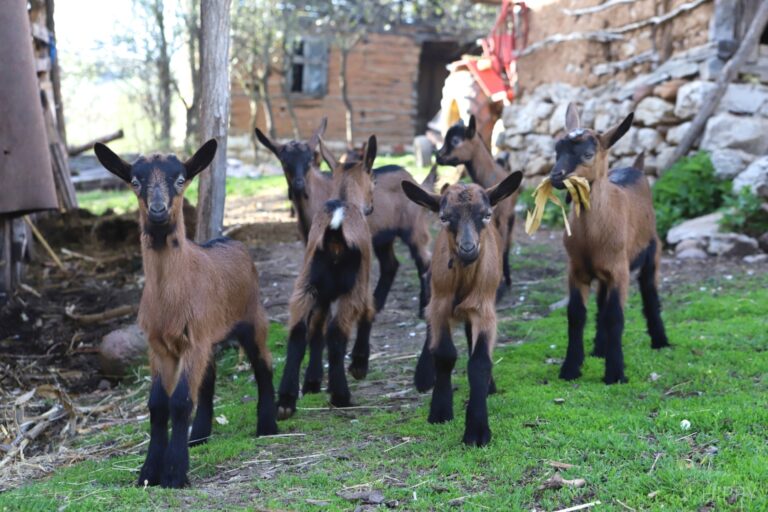
If you keep goats, you are in luck because, compared to most other livestock, there are multiple vectors to monetization with these rambunctious little critters.
No matter what your objectives are, where you live, and what you want out of them, it is entirely possible to make a ton of money off of your herd. Keep reading, and I’ll tell you about seven ways to make a profit with your goats.
Milk and Dairy Products
To many keepers, this is the first, best, and most obvious money-making activity for their herd.
Goats are surprisingly efficient milkers, with many does in their prime yielding one to two gallons of milk a day during their lactation period, sometimes even more. Considering that the lactation period can last around 10 months, they can keep you rolling in milk!
Depending on market forces and other factors, goat milk can sell for between $6 and $12 a gallon, and the math is pretty easy in this case: if you’ve got buyers, you could be sitting on a small fortune!
If you’re willing to invest more time, materials, and labor, you might consider goat milk-based goods like cheeses, yogurt, ice cream, and body care items like soap and moisturizers.
Whichever path you want to take, you should definitely consider high-output and reliable dairy breeds like Alpines, Nubians, Saanens, and Toggenburgs.
There are a few downsides to going the dairy route, though, whatever products you have in mind. Dairy goats need lots of feed, and it better be high-quality if they’re going to turn out high-quality milk.
You’ll be spending upwards of $400 per adult goat per year just on food, possibly much more, and if you want to produce milk at a good clip, you’ll need to invest in milking equipment, which can cost thousands.
The biggest hurdles for most owners are regulations: federal, state, and local laws might require you to get licensed, be subjected to scheduled and unscheduled health inspections, meet sanitary standards, and more.
Don’t think you’ll be allowed to milk, bottle, and sell your products out of a cooler or ice chest at the local farmers market! Those days are past in most places…
Also, keep in mind that there is a lot more labor involved in milking. When they are in lactation, they’ll need to be milked twice daily, absolutely no exceptions, whether you’ve got a use or storage space for that milk or not.
Keeping your girls ready to milk also involves routine sanitary shaves, treatment of teats and udders, and a lot more.
But if you’re willing to jump through all the hoops and put in the work, dairy goats are one of the very best ongoing sources of revenue that keepers could ask for.
Meat
Although it’s historically not very popular here in the U.S., the future outlook for goat meat is changing, and changing fast.
Part of this is due to rising interest from Americans who are keen to try new red meat, and the other part is due to exploding numbers of immigrants who are used to eating goat in their homelands.
Either way, the stage is set for major profit potential, and it’s a whole lot easier to capitalize on compared to dairy: a goat that reaches market weight, typically anywhere between 80 and 100 lbs, can sell for between $150 and $300.
You might be able to get a lot more than that, per head, if your meat falls into the specialty category, meaning organic or in compliance with religious mandates for the slaughtering of meat.
Your costs are also more straightforward. All goats need a high-quality and well-rounded diet, but they won’t need as much food, and won’t be eating for as long, compared to raising them for milk.
A meat goat will typically consume anywhere between $100 and $200 worth of food to reach a suitable weight for slaughter.
You’ll have to contend with processing fees, too, if you aren’t doing it yourself, something that will cost anywhere from $40 to $90 on average, sometimes more depending on the facility.
The regulatory environment for meat is much easier to navigate compared to dairy products, too; depending on your state and who you plan on selling to, you might only need to have your goats processed at a USDA-certified facility.
You might be able to process, package, and sell directly, though! Plus, your labor investment will be a lot lower overall. All you need to do, for the most part, is keep your goats alive, happy, healthy, and growing.
Slaughtering goats yourself is not that difficult with the right tools and training, and that’s assuming you want to do it yourself. If you send them off to a processor or sell them live to a wholesaler, you won’t have to mess with that part.
If you think meat is the way to go, check out breeds like the Spanish, Savannah, Myotonic, Kiko, and Boer.
Fiber
Most folks think of sheep when they think of livestock textiles, but don’t count goats out! Goats produce cashmere and mohair depending on the species, and both of these fibers are hotly coveted by makers of fine clothing and other craft goods.
Depending on the species, some goats will produce anywhere from 10 to 12 pounds of mohair annually, selling for between $8 and $20 a pound. Cashmere goats produce a lot less fiber, only around a half-pound yearly, but it sells for between $20 and $45 an ounce!
All you’ll have to do to get this fiber is shear your goats, something you can do basically for free if you’ve got the skills and the tools, or you can hire professionals who will usually do it for around $10 a head.
From there, you can sell the bulk fiber or process it into yarn and sell it that way, often for a premium. Another great thing about selling fiber is that regulations are basically non-existent compared to both meat and dairy.
The downside is you’ll be subject to highly volatile market forces, and it can be tricky to cultivate the contacts needed to ensure a tidy profit on your product.
Still, this is a great option for folks who want a more specialized revenue stream from their animals and one that is less stressful.
Leather
If you’ve never handled it before, you’re missing out on just how nice goat leather can be…
Goat leather, especially hides taken from kids, is soft, supple, durable, and versatile. It works just as well for making designer luggage and gloves as it does for hard-working garments and protective gear.
A high-quality tanned hide from a Boer, Spanish, Nubian, or Kiko goat will sell for between $25 and $75. Note that I said a tanned hide, not a raw one.
Tanning costs money if you aren’t going to do it yourself, something that a professional tannery will charge you anywhere from $20 to $30 on average.
You’re probably thinking this will eat into your profits mightily, and you’d be right, but the alternative is that you’ll have to tan it yourself.
I’m warning you: tanning is disgusting work!
Aside from the cost of the equipment and chemicals, and the skillset, the smell is something that you’ll never forget, and chances are your family won’t be able to stand it if you’re doing it on the property.
Sending hides away to be tanned and then selling them is straightforward when it comes to rules and regulations, but you might have to worry about local and EPA regs if you want to tan them yourself: many of the chemicals used in the process are pretty heinous.
Selling Live Goats
If you love goats but hate all the fuss and muss involved with extracting products from them, you should consider selling them live.
Both kids and adults can be highly valuable for different reasons. A young kid that is weaned and entering adolescence might retail for between $100 and $300 depending on breed, lineage, and other factors. A young dairy doe could fetch as much as $600!
And if you’re talking about championship lineages, award-winning showgoats, and others that have legitimate accolades, they might sell for several thousand! Champion bucks can be major money-makers for breeding stock.
Logistically, selling live goats is also a breeze compared to the other methods for making money we’ve already looked at: aside from keeping good records on lineage, vaccination, healthcare, and the like, you need only be concerned with transportation to interested customers on occasion.
Brush and Grass Clearing
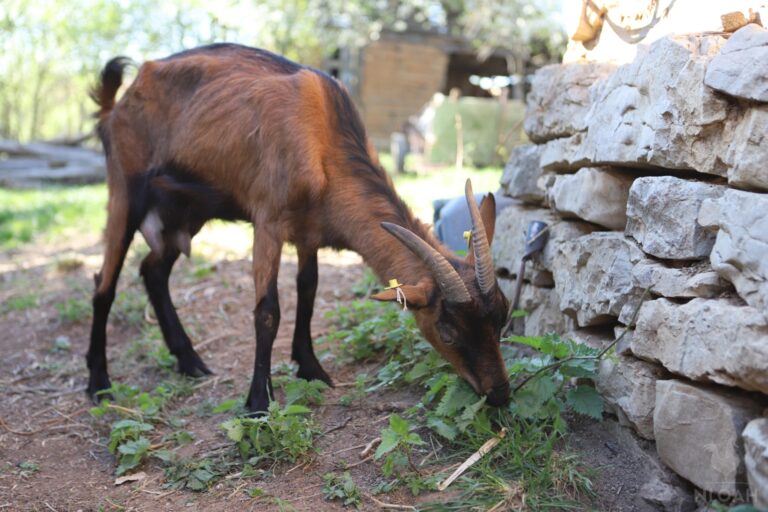
Goats have a reputation for eating just about anything, including things that they shouldn’t. That’s mostly a pop culture trope that’s been overblown, but there’s a grain of truth in it: goats eat a lot, and there are virtually no plants that are safe from them.
Ask any goat owner who’s kept these critters for any length of time, and they will tell you that decorative flowers, herbs, veggies, and even thorny berry bushes are all fair game.
In recent decades, some enterprising herd keepers have started using their animals as living lawn mowers for clearing land. Hard to believe, but it’s true!
From tuning up overgrown lawns at homes that have been abandoned or left vacant to clearing out underbrush from hunting plots and anything else you can think of, a sizable herd of goats can do it, and a lot faster than you think.
Depending on the size of the herd, transportation costs, and the size of the parcel along with its condition, you could charge anywhere from $300 to $1,500 or even more for such a service.
There are some specialty costs associated with this, though. You’ll need a vehicle and a trailer that can safely move your animals around. You’ll very likely need to set up a temporary shelter for them on the property, and if you are smart, stay with them to make sure they are safe the entire time.
Temporary fencing to keep them contained, typically electric fencing, is also a must if you’re not working on a fully fenced property.
It’s eco-friendly, fun, and shockingly effective. This is one option for profit you should definitely look into!
Manure
Goats are full of crap, and I mean that quite literally. They poop, and poop often, and though their leavings are nothing but a smelly problem for you, a little bit of time can turn it into rich manure that can do wonders for crops and gardens.
This requires collection, some easy processing in the form of turning and other organic additives, and bagging, but once you do bag it, you can sell it for between $10 and $25. Depending on your market, this could be for a 25- or 50-lb bag.
Sounds like a lot of stinky work for not much money, right? Well, consider this: an average adult goat will produce over 2,500 lbs of manure yearly, including their soiled bedding!
If you’re willing to get a little nasty, that’s a lot of money on the table that you can put in your pocket. Do note that zoning regulations and some county and state laws might be of concern regarding storage of manure, hazardous runoff, and other factors, but these laws are typically easy to navigate.

Tim is a farm boy with vast experience on homesteads, and with survival and prepping. He lives a self-reliant lifestyle along with his aging mother in a quiet and very conservative little town in Ohio. He teaches folks about security, prepping and self-sufficiency not just through his witty writing, but also in person.
Find out more about Tim and the rest of the crew here.