
Savvy gardeners are always careful to keep track of their plants’ nutritional needs. All plants need the right foods in the right ratios, but what you might not know is that you don’t have to resort to chemical-laden fertilizers to feed them.
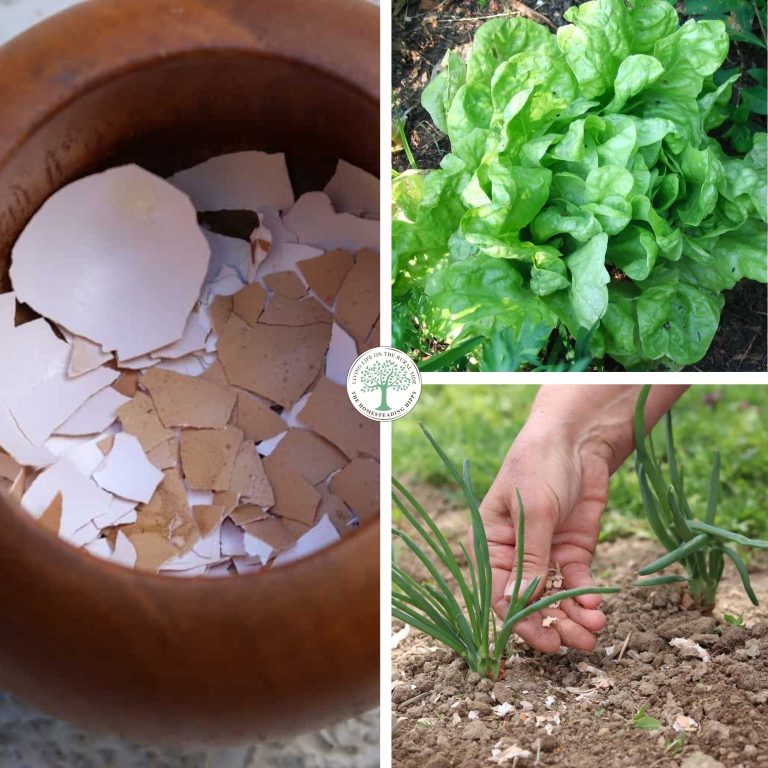
Some common kitchen scraps can actually be turned into nutrient-dense plant food. One of my favorites is eggshells. These are loaded with calcium and also improve soil consistency, making them perfect for supplementing calcium-hungry plants.
They are super easy to use, too, but you gotta be patient (more on that at the end of the article)! Keep reading and I’ll tell you about 10 garden plants that will love some eggshells in their diet.
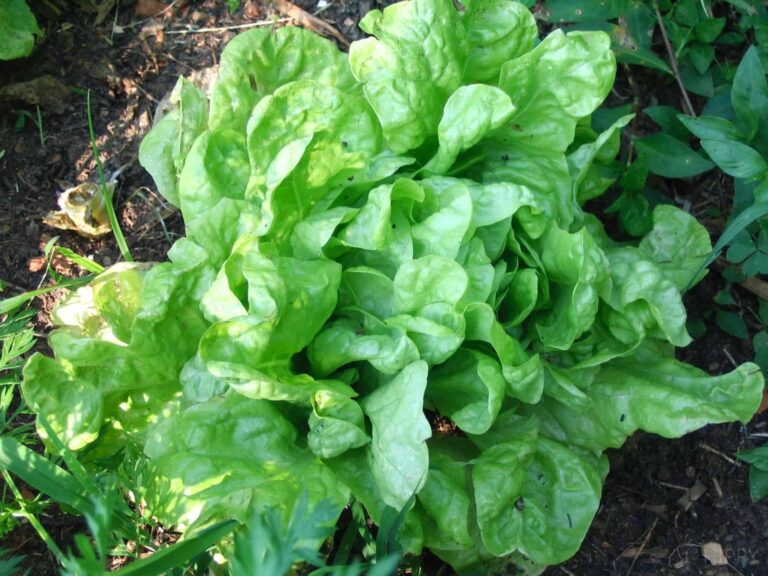
Lettuce
All varieties of lettuce love lots of calcium, and that means that eggshells are the right prescription. Calcium makes for strong cellular walls and abundant leaf growth, and the gritty eggshells in the soil can help deter slugs and snails alike—two of the most destructive lettuce pests!
All you need to do is crush up eggshells and add anywhere from one to two tablespoons around the base of each plant after they have been planted. Mix it gently into the soil and repeat this process in the middle of the growing season. Don’t overdo it and check your soil pH; excess calcium will raise soil pH, and while lettuce is generally tolerant of neutral soil, you still don’t want to go too high.
Cabbage
Calcium is great for cabbage and other brassica family plants in the same way that it is good for lettuce, and calcium is particularly important for supporting strong growth and preventing common issues like leaf burn or hollow heart.
You want to add a little bit less than you would for lettuce, though. Aim for one tablespoon per planting hole or around the surface of the soil. You probably won’t need an additional dose during the season as long as your soil pH levels are in the right range.
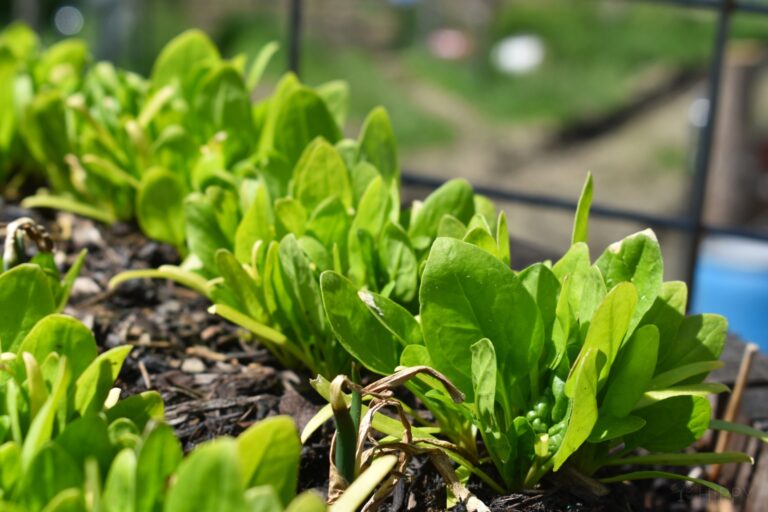
Spinach
No surprise here: calcium delivered via eggshells is the perfect supplement if you want robust, show-stopping heads of spinach with broad, dark green leaves. If you’ve ever grown spinach before and it was stunted, puny, and yellowed, it’s very likely it simply didn’t have enough calcium.
One to two tablespoons mixed into the soil prior to planting is ideal. As long as your soil levels are barely neutral or slightly acidic, your spinach should thrive.

Peppers
Among the most popular nightshade veggies, peppers and their cousins (we will talk about in a moment) benefit greatly from adding eggshells to the soil. That’s because calcium is critical for strong, healthy development of bountiful fruit. Blossom end rot is the bane of pepper growers, and it’s typically calcium deficiency that’s the cause…
There’s a trick to applying eggshells, though. They break down slowly, and pepper plants are hungry, heavy feeders. It’s easy to overdo it early on and drastically swing your soil toward alkalinity. This can cause harm to the plants in a different way.
Add about a tablespoon to every planting hole prior to planting, and continually feed your peppers by sprinkling a little extra around the base of every plant and scratching it into the soil every month to 6 weeks during the season.
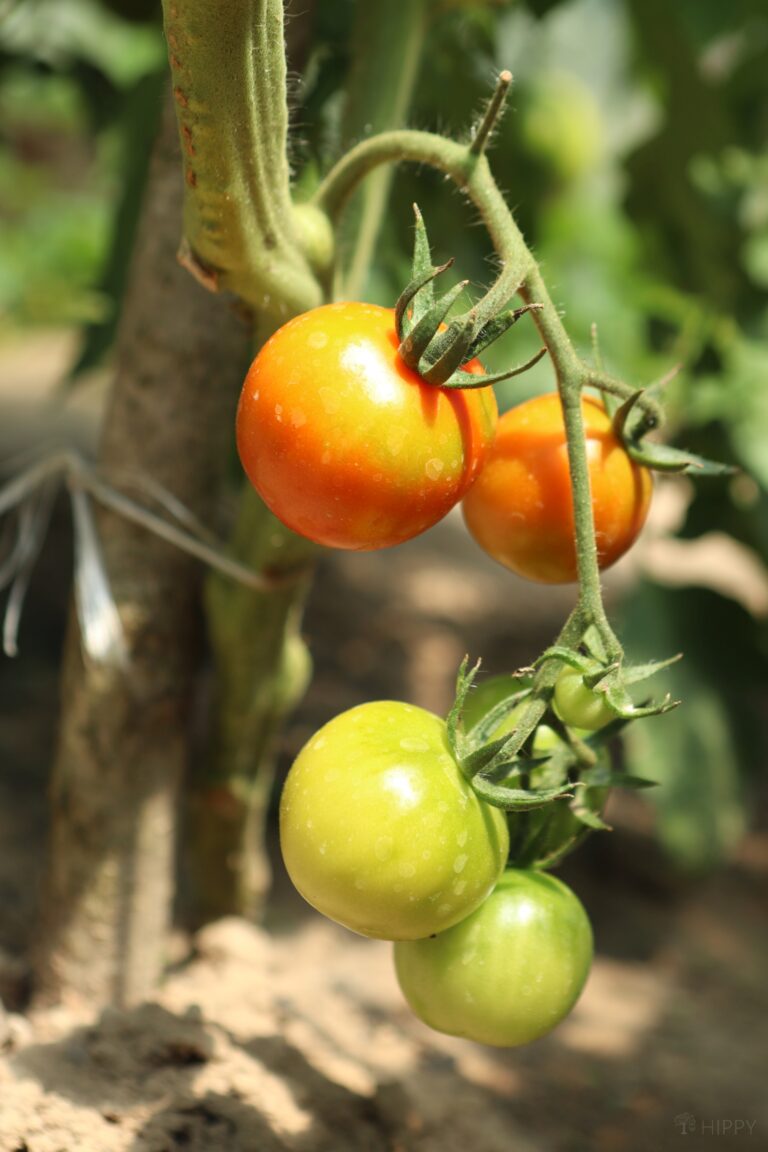
Tomatoes
Tomatoes are another nightshade family veggie enjoyed around the world, and another that needs plenty of calcium for proper growth. As with peppers, blossom end rot is a major concern.
Apply eggshells as a supplement just like you would with peppers, above.
Eggplant
Our last veggie in the nightshade family needs calcium from eggshells all the same, but it doesn’t need quite as much in order to grow healthy, full fruit. You want to add anywhere from one to two tablespoons mixed into the soil immediately prior to planting and then give each plant a dusting around the base every 6 weeks or so.
Strawberries
One key to big, juicy, and sweet strawberries is ensuring you give them plenty of calcium to support fruit development. This can be tricky for novice gardeners, though. Strawberries want acidic soil, and the calcium from eggshells will steadily raise the pH over time. Getting the balance wrong leads to watery, bland berries.
Here’s what I found success with: let the plants get established and start growing, and prior to the development of fruit add one teaspoon around the base of each plant and scratch it into the soil. That will usually do it! I strongly recommend that you check your soil pH levels before you commit to this, though.
Cherries
A sweet fruit made even sweeter by smartly using eggshells! If you’ve grown cherries before and noticed the fruit splitting open, that is a sure indicator of calcium deficiency. Mature cherry trees need lots of it, and that means you’ll need lots of crushed eggshells. Plan for adding one to two cups around the base of each tree annually in the fall.
Caution: check your soil acidity before you add the eggshells! Your cherry trees will suffer terribly from stress if the soil turns alkaline! Go slow and get it right.
Roses
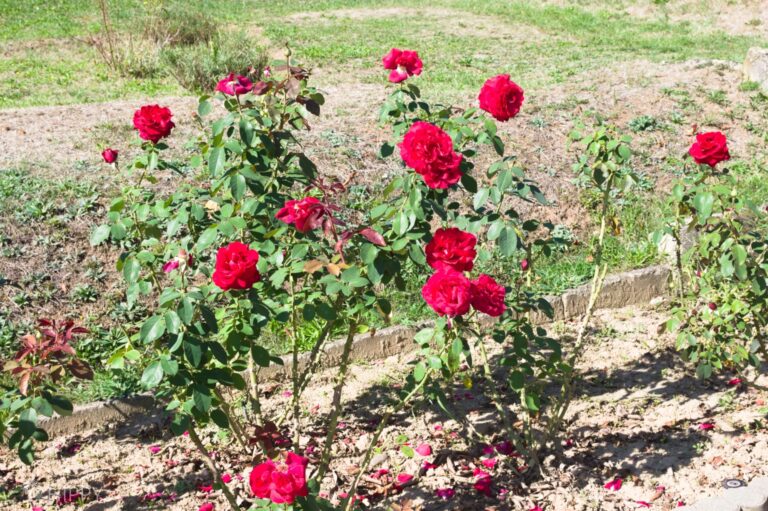
Ornamental plants like roses are a great candidate for dressing with crushed eggshells just like our fruits and veggies above. Calcium makes for strong stems and big, properly formed blooms and also helps to put the brakes on soil that is becoming too acidic. A little sprinkle of eggshell around the base of each bush in the springtime is enough for maintenance, but add a little more heavily in the summer for mature plants or heavy bloomers.
Hydrangeas
Wilting plants and lackluster blooming performance may indicate a lack of calcium with your pink hydrangeas or any other varieties that like neutral soil. A little dab will do here: just one to two tablespoons per plant in the spring.
Note: you don’t want to go this route if you’re raising blue blooms; they must have acidic soil, and as you know by now, eggshells will start raising the pH and shifting soil toward neutral or alkaline.
Onions
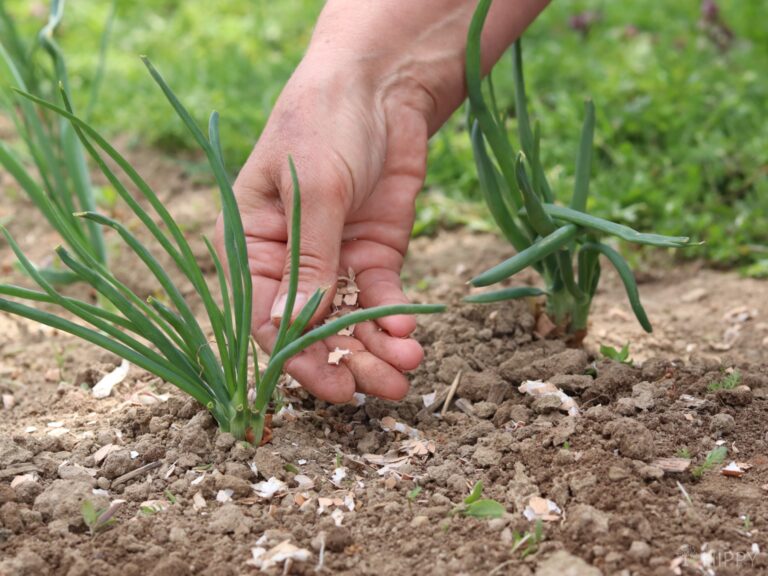
Last but not least, know that you can add these to your onions, too. Just make sure to use them in moderation, as you don”t want too much calcium in the soil, either.
Also, keep in mind that eggshells take a long time to break down, so don”t assume your plants will make use of them in a few days” time. We”re talking months, here, even years! There are ways to speed this up by making compost, but that”s outside the scope of this article…
Tim is a farm boy with vast experience on homesteads, and with survival and prepping. He lives a self-reliant lifestyle along with his aging mother in a quiet and very conservative little town in Ohio. He teaches folks about security, prepping and self-sufficiency not just through his witty writing, but also in person.
Find out more about Tim and the rest of the crew here.