
Sheep are some of the most versatile livestock animals that you can keep. Compared to cows, they’re much smaller, cheaper, safer, and easier to handle, and you can raise them for a variety of products.
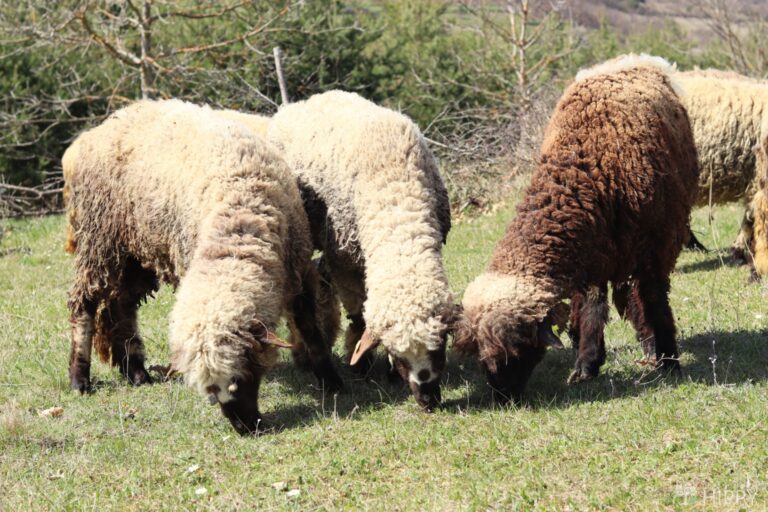
Sheep, with few exceptions, also tend to be quite healthy and easy to care for. But like all animals, they have unique requirements and special needs and their keeper, that’s you, must be up to the task. If you’ve never done it before, it can be quite intimidating as a beginner!
But you don’t need to sweat. Everybody started somewhere, and to help you get off on the right foot with your sheep, I’m bringing you a beginner’s guide that covers everything you need to know about taking care of them. We will get right into it, and if you stick to the end I’ll share with you two PDFs to help you get started raising your own herd!
Reasons to Keep Sheep
Chickens provide eggs and, well, chicken. Cows can give us beef and milk. What are sheep kept for?
Lots of things! Sheep are some of the most versatile livestock on earth and can provide you with milk, meat in the form of lamb and mutton, and of course, wool. Or even all three!
And if you have enough heads on your small farm, you can sell this produce for a nice profit to other folks in your area.
No matter what you want out of your flock, as long as you choose the right breed, you can get it in abundance. When well cared for, most sheep are highly productive.
Picking a Breed
There are dozens and dozens of domestic sheep breeds out there, and covering them all would make a huge article, or rather a series of articles, unto itself.
We aren’t going to break them all down here, but what I will do is tell you about the basic classes of sheep breeds: fiber, meat, and dairy.
Fiber sheep, as you have no doubt already guessed, are those that are typically used for the production of wool. Different breeds like the Columbia, Suffolk, Merino, and Leicester Longwool are all renowned for the volume, quality, or durability of their fleeces.
Meat breeds, like every other animal raised for the purpose, typically grow big and quickly and have a higher-than-average carcass yield. Shetland, Wiltshire Horn, Texel, and Southdown breeds are popular and highly productive meat varieties.
Lastly, you have dairy varieties. Most folks don’t keep sheep for milk, but they’re entirely viable for the purpose and can produce excellent dairy products. Finnish, Icelandics, and Dorset are some of the most popular dairy breeds.
The breed you should get is completely dependent upon your purposes, but take a good tip from me: try to get your sheep from a breeder in your local area.
Sheep need time to acclimatize to the environment and the overall climate, and by getting breeds that are close to home, you’ll have a better chance of having a healthy flock starting off.
Also, do a little homework on the available breeds in your region and try to pick a size that works for you. If you have limited space, big, burly breeds like Lincolns or Texels might not be a good choice. Smaller ones like Shetlands or Babydolls are better.
Likewise, a smaller breed is also wise if you are worried about grappling with a large and strong animal, especially one that has horns! Some rams, that is intact male sheep, can clear 350 pounds! Even females can be quite solidly built and weigh 250 pounds!
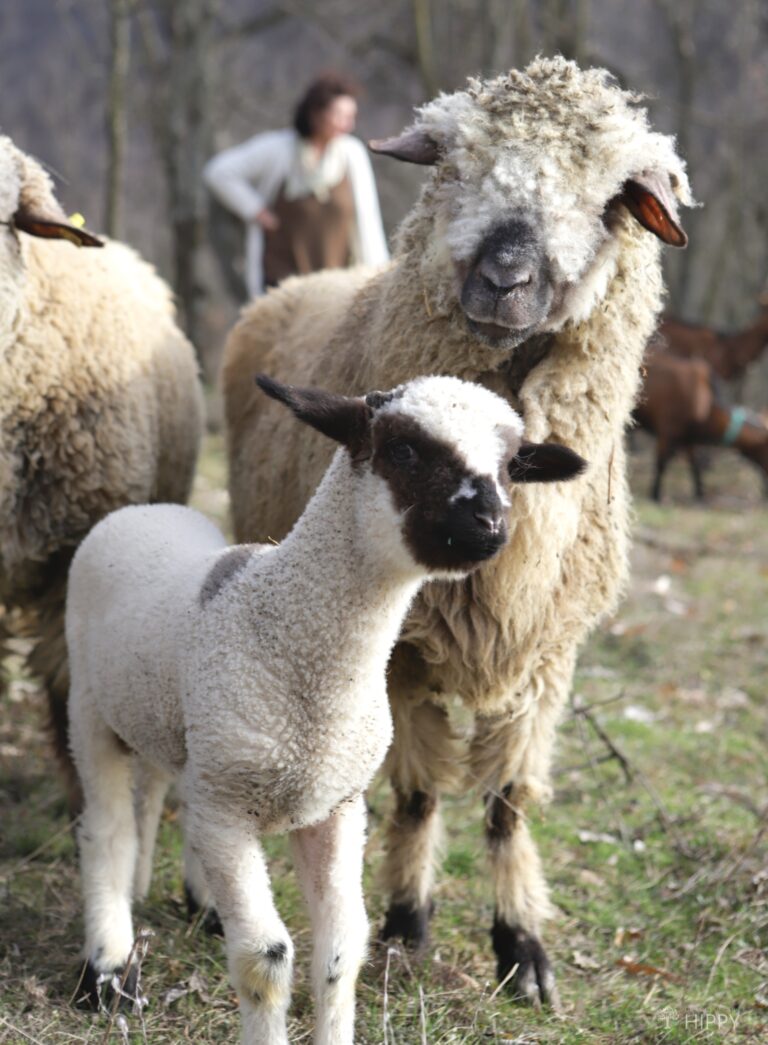
Some Sheep Have Horns, Some Don’t
Speaking of horns, you need to know upfront that not all sheep have them. Some sheep will typically have horns, while others don’t. Breeds that have been selected for no horns, or a typical lack of horns, are known as polled.
Young sheep may also have their horns prevented from growing in later in life through a process known as disbudding.
Note that this is distinct from dehorning, which is the amputation and permanent removal of horns from a mature sheep and should generally be avoided because it is quite traumatic.
Horns can be problematic in your sheep for obvious reasons. If a sheep gets upset and whacks you with its horns, that will certainly hurt and can inflict substantial injuries.
Sheep can also hurt each other with their horns when settling hierarchical disputes in the flock, or if they’re just feeling territorial or standoffish.
They also have a terrible tendency to get tangled up in fencing and anything else that is nearby.
If you would rather not to deal with any of that, make sure you clarify with the breeder whether or not the ones you’re looking at are polled. If mistakes are made, remember that you can disbud if the sheep are still young.
Space Requirements
So how much space do you need to keep sheep? Ideally, sheep will have lots of room to roam and graze. But they don’t have to have a huge pasture to be happy and healthy.
Nominally, an adult sheep should have at least 200 square feet (18 square meters) to itself for grazing and to make sure they have plenty of personal space when kept outside. 250 square feet (23 square meters) is a better figure for larger breeds or to provide more comfort.
Grazing Requirements
In terms of acreage, a good guideline for most temperate locations is that you can keep anywhere from 2 to 6 sheep on an acre of grass and expect them to graze comfortably and get good nutrition.
Planning on three sheep per acre for full-time grazing is a better bet, though. If you have a particularly lush pasture, you might be able to keep as many as 10 sheep on an acre, though this is likely unsustainable without constant supplemental feeding.
Also, keep in mind that you must rotate sheep to new pasture regularly or create smaller sub-pastures called paddocks within the main pasture to prevent them from depleting the land. Make sure to account for this when stocking your flock initially.
Just remember, if your land cannot fully support the nutritional requirements of your animals, it’s okay as long as they have enough space: you can always provide them with hay and other foods to make up the difference! We’ll talk a lot more about that in just a couple of sections…
You’ll Need Fencing to Keep Sheep in Place
Another major requirement for keeping sheep, as you might imagine, is the necessity of containing them.
Sheep are the living embodiment of the concept that the grass is always greener on the other side. They will roam and meander all over the place in search of fresh, delicious, and dry grass to eat. If you don’t keep them in, they will wander off!
But sheep are also surprisingly nimble and can sometimes clamber over low fences. They usually don’t test fences very hard, but any fence you use to contain them should be at least 4 ft tall and preferably a little bit taller. I prefer 5-foot fences.
They must also be sturdy to resist scratching, leaning, and the occasional bold animal that tries to climb over it.
You can use livestock panels for the job, split rail fencing, or any other kind of common farm fence. You can also invest in electric fencing which gives sheep a strong disincentive to stay well away from the fence and not try to get out.
They Need Protection from Predators
Sheep are prey animals and highly vulnerable to large carnivorous predators like coyotes, feral dogs, wolves, bears, and mountain lions.
You may or may not have significant populations of these animals in your area, but it pays to know for sure. If you do, invest in strong fences, get a livestock guardian dog, or keep an eye on your flock if they aren’t securely put up in a barn or other structure.
Your timely intervention might be the only thing that can save them from death if a predator comes after them!
Do Sheep Need Shelter?
Yes, they do! Your sheep require shelter, specifically from rain, heavy snow, and intense heat. Fiber breeds that have thick wool are especially vulnerable to heat exhaustion and heat stroke if they can’t get in out of the sun.
That same wool gives them excellent protection against cold temperatures and light rain or snow, though.
Assuming you don’t already have a large barn or shed to keep your animals in, something like a simple three-sided shelter, commonly called a run-in shelter, with a good roof on is adequate for protecting them from the worst of the weather.
In a shelter, adult sheep need anywhere from 12 to 16 square feet to themselves, so make sure yours is sized accordingly.
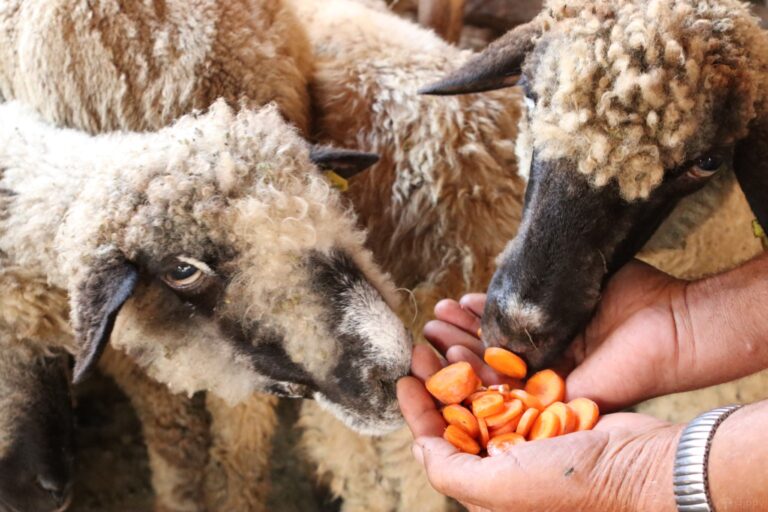
Feeding
Sheep are grazers, and that means they eat much of the same thing all day, and typically stuff that’s low to the ground. Grass and low-growing broad-leafed plants are the primary components of their diet.
Sheep are also ruminant animals, which means they spend time fermenting their food in a specialized, four-compartment digestive tract.
If your sheep have plenty of room to graze on a large pasture, it might be able to supply most of their nutritional requirements, but it’s always a good idea to provide hay also.
Hay is especially important in the cold months when grasses and other plants aren’t growing or are covered by snow.
When giving your sheep hay, don’t just throw it on the ground. This will increase the chances it gets contaminated and will make them sick or give them parasites (in addition to being less appealing to them).
A low hay feeder is needed to effectively feed your flock while keeping the hay fresh and clean.
Concerning quantity, an adult sheep needs 1.5 to 2% of their body weight in dry matter, meaning hay or dry grass and other plants, every day.
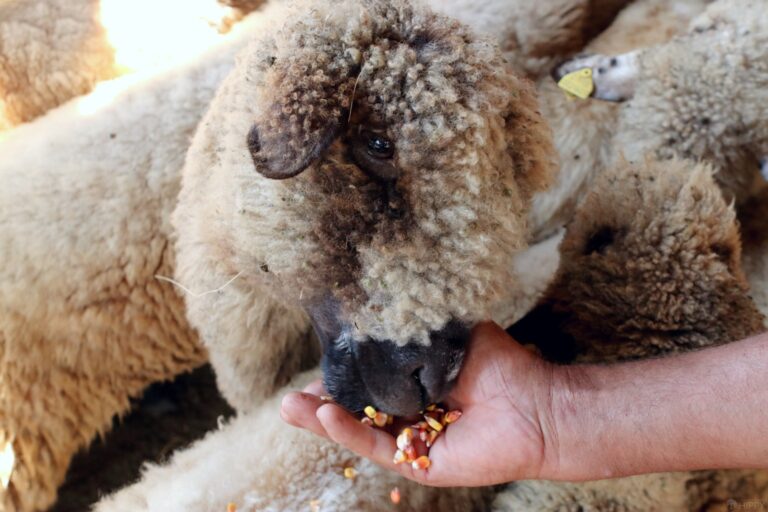
Minerals and Supplements
A proper diet will provide most of the things that sheep need, but it’s a good idea to give them additional vitamin and mineral supplementation to make sure they have everything they need in order to thrive. This is easily done with a sheep-specific supplement product.
These supplements, which usually take the form of a block or granules, provide sodium, phosphorus, potassium, magnesium, and calcium in the correct ratios along with needed trace elements like copper, iodine, iron, zinc, and selenium.
But no matter what, you must never, ever give your sheep or allow them to access any such supplement or fortified feed that’s intended for goats or other livestock!
Goats need a lot more copper in their diet than sheep, and if sheep are allowed to eat any food or supplements intended for goats, the excess copper can easily poison them.
Bloat
Bloat is a condition that all ruminant animals can suffer from, including sheep.
It has a variety of causes, but the common thread is that something disrupts the delicately balanced ecosystem of gut flora in a sheep’s stomach and their digestive chamber, called the rumen.
Gas will start to buildup, causing discomfort, pain, disability and eventually death!
Sheep can easily get bloat if they are allowed to eat too much rich food either in a serving or if they get too much in their diet. Even changing different kinds of good food too quickly, like different kinds of hay, can trigger it.
Part of managing sheep correctly is moderating their diet, introducing new food slowly and steadily over a period of a couple of weeks so their rumen has time to adjust to the constant intake of it.
Never give your sheep large servings of grains, fruit, vegetables, or new hay varieties until they are adjusted to it.
Sheep Must Have Access to Fresh, Clean Water
Sheep must also have access to clean, fresh water at all times. 24/7! This can be done with troughs, specialty livestock watering stations, or even large buckets.
What’s important is that you keep it clean and don’t let it get grimy and nasty because this will easily lead to pestilence.
Also, make sure any water source is low so that they can lower their heads and drink: taller troughs or waterers intended for cows and horses are often uncomfortable or sometimes unusable by sheep.
Wool Sheep Must Be Periodically Sheared
If your sheep are a fiber breed, meaning they grow wool, they will require shearing from time to time. And yes, even if you aren’t doing anything with the wool or planning on selling it!
The problem is that the wool of domestic sheep tends to grow, and grow, and grow without shedding and without falling off.
Eventually, un-sheared sheep will suffer from a condition called wool blindness – the wool will literally grow over their eyes – and become wool-bound. The huge, tangled mats of wool make it hard for them to see and even walk, cause overheating and are also very unhygienic.
Soon, flystrike will occur where parasitic fly larvae will burrow into the skin of affected sheep and cause horrid infection. You likely won’t be able to see it until it’s too late! Feces and dirt will accumulate on the wool, too. It is awful to deal with and worse for the sheep!
Therefore, you will have to shear them. At the very least, this must take place once a year. For sheep with quick-growing fleeces or thick ones, they might need to be sheared twice a year.
Electric clippers are the tool of choice, but it is possible to do it with old-fashioned manual shears. But you’ve got to know what you are doing so that you don’t hurt the sheep accidentally! If you don’t know and aren’t going to get trained, call a pro.
Sanitary Trimming Helps Them Stay Clean
Between shearings, your sheep still need the occasional haircut. That wool makes a perfect, nasty carpet for catching mud, feces, and urine, and that can quickly lead to swarms of flies following them around and breeding on them, ulcers, and disease.
Using your clippers, you’ll want to shave all around their backside and on the backs of their legs, then shave down going towards their belly until the wool has a relieved, close-cropped area that will stay clean and is easy to clean. This sanitary shave is known as crutching.
Aside from that, you’ll need to remove the little dingleberries of mud, feces, and matted wool from them every now and then to keep them looking good and clean. This is called dagging.
Both of these processes are much quicker and easier compared to a full shear.
Hooves Need Trimming, Too
Hoof care is another important part of caring for sheep. In nature, sheep typically inhabit rocky areas that will keep their hooves short naturally, but when they’re kept on soft, pristine pastures domestically, their hooves will grow and grow without wearing down.
This doesn’t need to be done too often, usually just once or twice a year depending on terrain, nutrition, and other factors. But you’ve got to know how to do it right.

If you don’t or aren’t up to the task, you’ll need to contact a livestock vet or another sheep professional that can help you.
Dealing with Common Sheep Diseases and Ailments
And, of course, you’ve got to be prepared to deal with illnesses in your sheep. Now, the good news is that sheep tend to be quite healthy overall, and some breeds like the Barbados Blackbelly and Katahdin are remarkably healthy.
Despite this, most sheep are fairly vulnerable to different parasites. Things like flukes, barber pole worms, hair worms, and various other nasty critters will take up residence in their digestive tract or other organs and start wreaking hell on their bodies.
You can learn to detect parasites from physical symptoms and behavior, and then treat them with medicines or natural concoctions that will get rid of them.
You’ll need to stay vigilant about other sheep and ruminant-specific diseases, too: Johne’s Disease, scabby mouth, blackleg, and issues caused by various nutrient deficiencies are common.
Keeping both parasites and other diseases at bay is a matter of keeping sheep and their environment clean and inspecting them closely from time to time.
Practicing good biosecurity protocols like keeping other animals at bay and not bringing anything that’s been in contact with other animals into close contact or near your sheep will minimize disease outbreaks.

Now, as promised, here are the two PDFs for you to download or print:
- My raising sheep checklist
- The list of tools and materials you will need

Tim is a farm boy with vast experience on homesteads, and with survival and prepping. He lives a self-reliant lifestyle along with his aging mother in a quiet and very conservative little town in Ohio. He teaches folks about security, prepping and self-sufficiency not just through his witty writing, but also in person.
Find out more about Tim and the rest of the crew here.
Thank you so much for all the great information about sheep. I live in Alabama and was interested in raising Icelandic or Dorset sheep. We will primarily be raising them for milk and meat. I wouldn’t be mad about handspinning their wool either though. They are such precious animals to love and take care of.
As long as you don’t overdo it, you can create a following trust in even the most skittish sheep by daily attention. And don’t be afraid to carry corn in your pocket in the ewe pen (NEVER in the ram pen…they have a natural talent for taking what they want whether you’re offering or not and can knock you down or become aggressive). But hold out a title corn for the skittish girls and they’ll get used to coming up and checking with you. Once they’re locked in to follow and allow pets and scratches behind the ears you can alternate corn/scratches without them being bothered.
Rams are perfectly safe but you have to respect their natural aggressions