
No matter how much you love gardening, I think it’s fair to say that there are plenty of chores you probably wish you could skip. If you are like me, it’s that initial planting phase. Preparing the soil, dropping in the seeds or transplants, and then ever so carefully watering them; it’s just tedious!

It’s even more tedious when there are a hundred other things you’ve got to do. But whether you are busy or just a little bit lazy like I am, there are some garden veggies you can count on to plant themselves.
These self-seeding vegetables can keep your garden productive from year to year or even season to season without any input from you to get started.
For saving time and effort or as a fixture in a permaculture garden, the following veggies are tasty, nutritious, and just the ticket for saving your back. We will get right into them below.
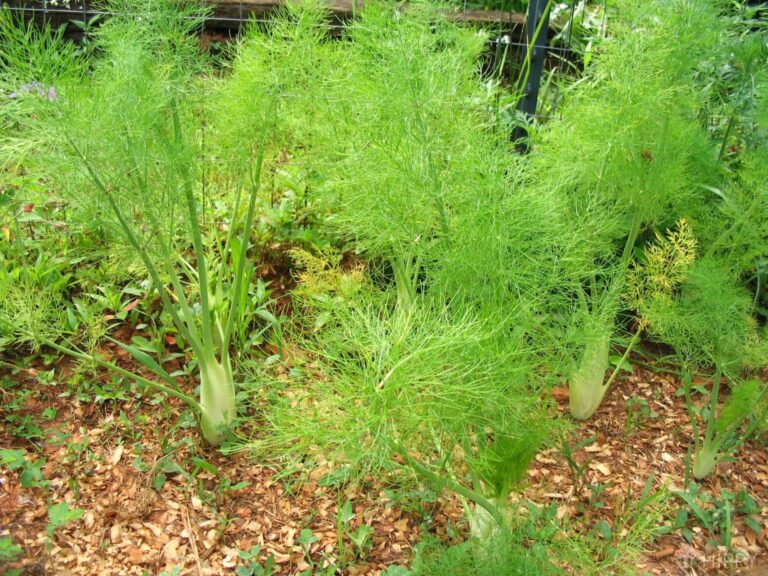
Fennel (Foeniculum vulgare)
Fennel has an infamous reputation when it comes to self-proliferation. If you don’t stay on top of pruning and trimming it back, it can take over a garden if given half a chance! Each plant produces tons of seeds, so even a small plot of fennel can turn into a riotous stand of tall, feathery leaves.
Plan accordingly for this by keeping them in a separate section of your garden, a large container, raised bed, or similar location.
Otherwise, you’ll really have to stay on top of pruning the sprouts back. Once fennel flowers, the seeds aren’t far behind, and each plant will scatter them all around when disturbed.
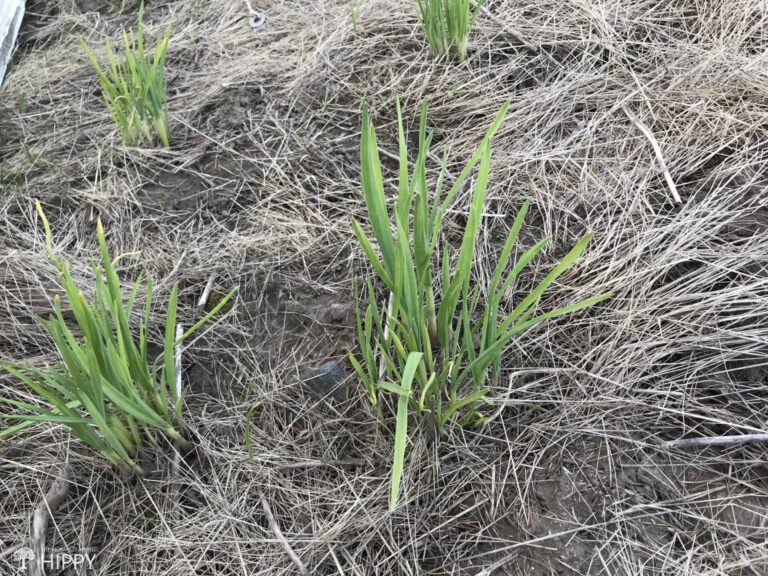
Garlic (Allium sativum)
Probably the single most important and most used veggie in kitchens around the world, garlic can reproduce itself by a pretty novel mechanism. However, most gardeners won’t get to take advantage of it because it requires attention to detail and lots of patience.
Here’s the scoop: if you leave garlic in the ground, it will eventually send up stems and eventually produce flower heads. These flower heads can yield tiny clove-like structures called bulbils.
Although they aren’t seeds, they are functionally the same thing in how the garlic plant will reproduce itself. When you see the flowers show up, leave them alone and give them time. Eventually, those bulbils will drop.
When they do, bury them just under a thin layer of soil and protect them. Then wait and wait some more: eventually, they will turn into a new garlic plant!
Leek (Allium porrum)
Another member of the allium genus, like onions and garlic, leeks are loved for their mild, clean flavor.
It’s easy to get them self-seeding year after year, and you should know the drill by now: leave some of your leeks be during harvest and watch them flower the following year. They will drop seeds shortly thereafter, right around the parent plant.
Now here’s the good news: once they sprout and are an inch high or slightly more, you can carefully, gently scoop them up, leaving dirt surrounding them, and transplant them where you want them.
That might defeat the purpose for some of us, but if you like keeping a tidy garden or bed, this is a boon.
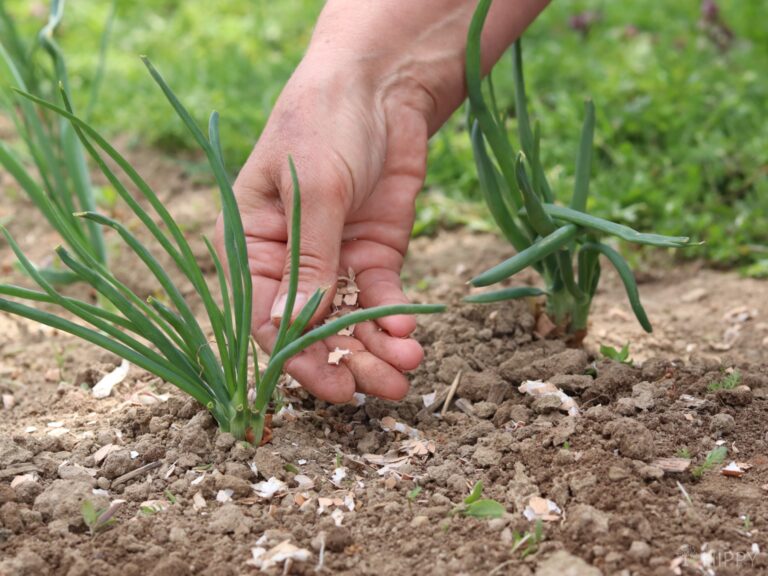
Onion (Allium cepa)
I can’t imagine trying to get through even a single meal at home without using onions somehow, some way. They are a constant fixture in my garden, and happily, I’ve been working on them a lot less since I figured out the right techniques to get them self-starting.
These biennial alliums are much like leeks in that they bolt in the following year once they are established, quickly dispersing a handful of seeds all around themselves.
There’s not much you need to do except leave them alone in the meantime, but just like cabbage, it’s crucial that you protect them from pests during this time: they will be highly vulnerable, and significant damage will prevent them from going to seed.
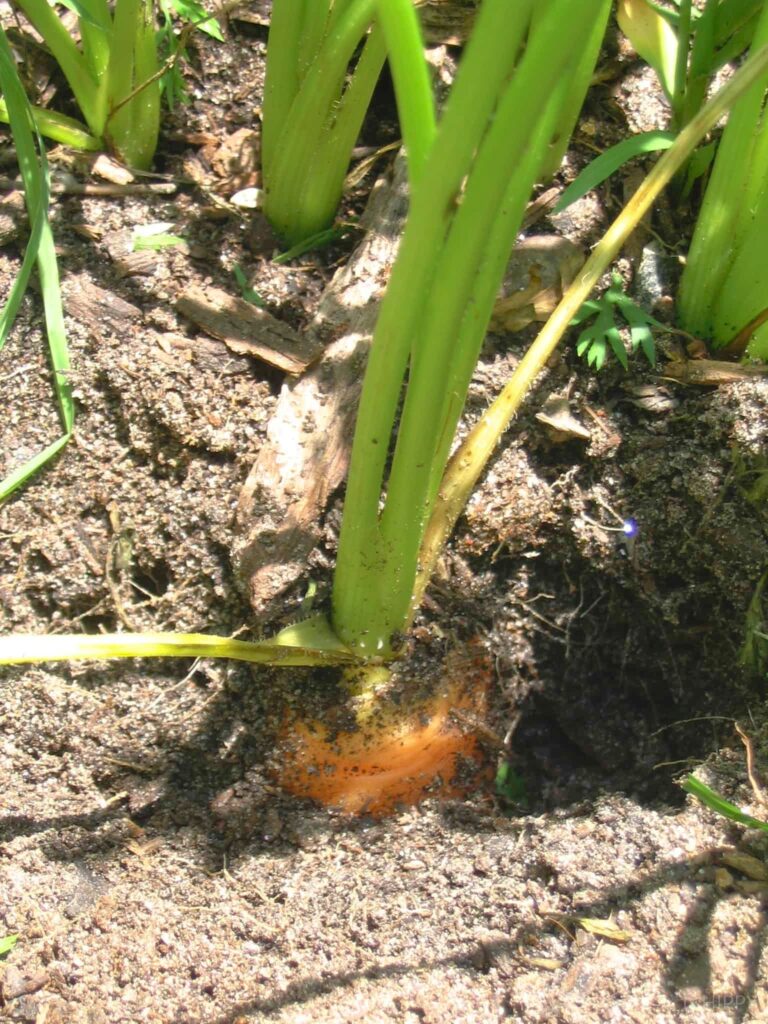
Carrot (Daucus carota)
Carrots are crisp, sweet, tasty, and ubiquitous, but lots of gardeners don’t know that it’s pretty easy to let them self-seed with the right approach. Once again, patience is the key.
Carrots will produce umbrella-shaped clusters of flowers called umbels during their second year, and soon after, they will produce seeds that will drop all around the parent plant.
If you alternate harvesting your carrots, leaving the rest in the ground for the following year, you can wind up with a seriously dense patch of seedlings.
Just like starting them yourself, you’ll need to thin them out for proper spacing and positioning; carrots don’t tolerate transplanting well at all, so be ready to work around them where they grow.
Parsnip (Pastinaca sativa)
Parsnips are sometimes confused for pale carrots, and although they often look like carrots, they have their own distinct sweet and vaguely nutty, savory flavor.
They are awesome as a steamed veggie, in soups, stews, and a lot more! And just like carrots, they will self-seed as a biennial, flowering the following year after they are planted.
Just like carrots, they send up large clusters of flowers that look like domes and will sprinkle seeds all around the base of the plant. You don’t need to do anything except leave some of them unharvested! Once the weather turns cold again, the seeds will germinate.
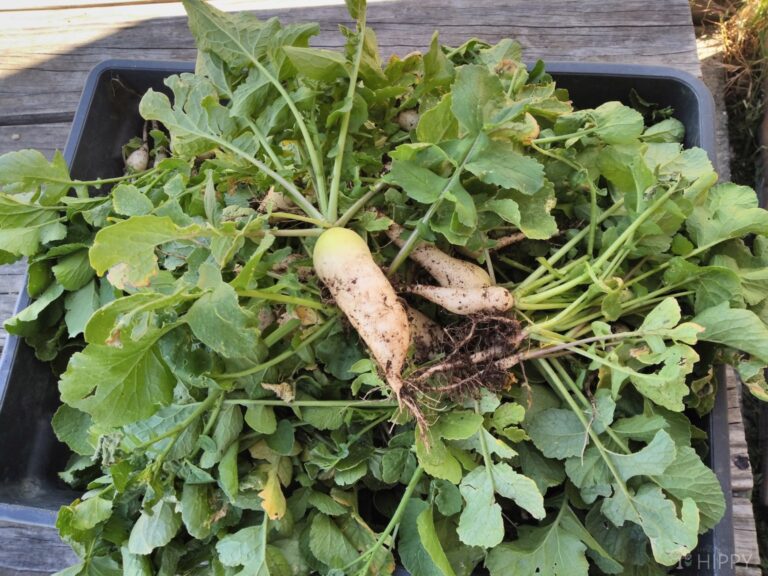
Radish (Raphanus sativus)
Radishes are beloved by many gardeners, especially me, because they grow so quickly. They are among the fastest-growing root vegetables, and both the roots and the greens have a tasty, peppery flavor that is super versatile in many dishes.
But rapid growth means rapid bolting, and aside from sheer speed, many radish cultivars produce many seeds that will germinate easily when conditions are right.
This is another prolific veggie that can go a little out of control, so keep an eye on them! Once you see flowers appear, look for seed pods that will subsequently dry out before popping open to release their payload.
Gently tamp down the seeds that fall to help keep them safe from birds and other critters.
Turnip (Brassica rapa rapifera)
Another root vegetable that grows pretty quickly, but not quite as quickly as radishes, if you leave turnips alone and don’t harvest them, they will eventually produce flowers and then seed pods which will pop open to drop seeds nearby.
Once they do, barely cover them up with soil to protect them against getting picked off.
In time, they will start germinating, and then you can either thin them out where they are, or carefully scoop them up, leaving several inches of dirt around them and place them where you want them.
Rutabaga (Brassica napus)
Far more popular in Europe than the US, rutabagas are a root veggie that has a mild, sort of earthy, sort of sweet flavor and a texture that is comparable to turnips. Leaving rutabagas in the ground to overwinter means they will flower and subsequently drop seeds nearby the following year.
Some individual plants will yield many more seeds than others, and a good strategy for success is to collect them before they drop and then scatter them where you want them.
Like other root veggies, once the weather turns cool again, those seeds will germinate when conditions are right. You can simply rake out any sprouts that you don’t want.
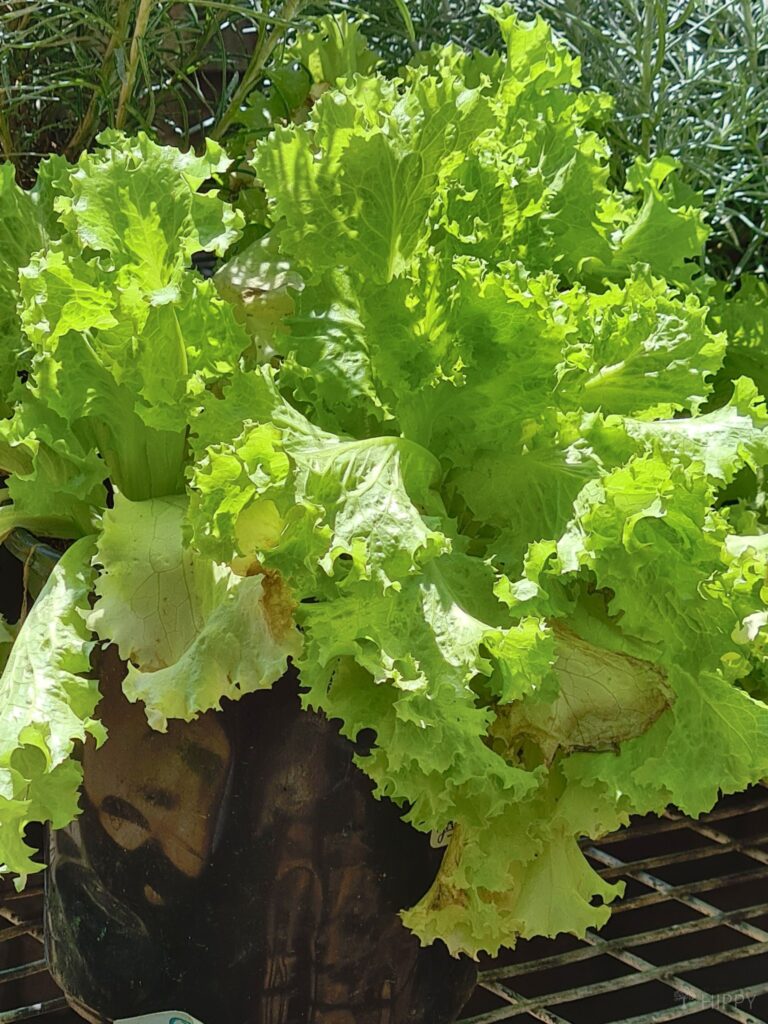
Lettuce (Lactuca sativa)
Among salad veggies, it doesn’t get any more ubiquitous than lettuce. It grows quickly, and it also bolts just as quickly, producing seeds soon thereafter. You’ll know the time has come when you see fluffy, puffy seed heads appear.
With a stiff breeze, it can scatter those seeds far and wide, so watch out for lettuce trying to take over parts of your garden where you don’t want it.
Leave the other seeds where they fall and watch them germinate when the weather turns cool again. As always, thin out the unwanted sprouts to prevent overcrowding.
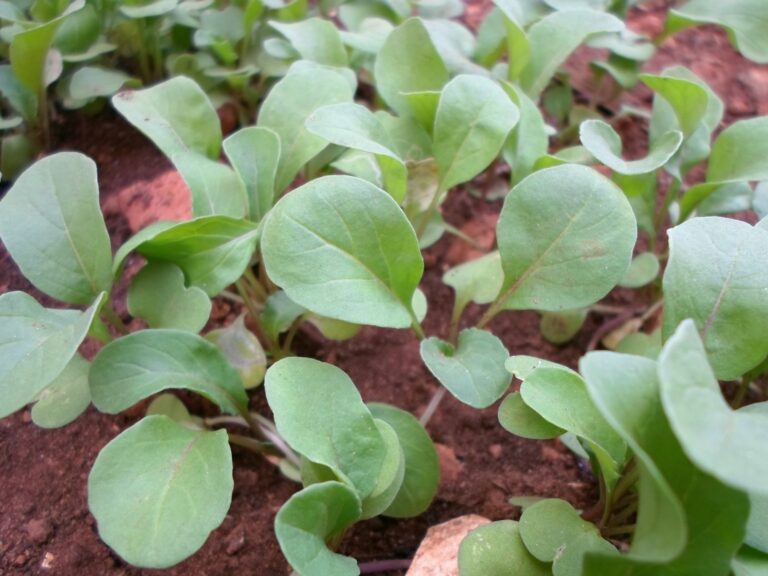
Arugula (Eruca sativa)
This peppery, popular leafy green is a mainstay in salads and also commonly eaten as a sandwich topping. Like many such veggies, it tends to grow quickly and well in cool weather.
Also, like many salad veggies, when the plant gets stressed or is allowed to grow too long, it will bolt and flower, reseeding itself prolifically. A sudden spell of warm weather is sure to do it.
Use this to your advantage by leaving some of your arugula plants to grow. In time, they will invariably scatter lots of seeds from their seed pods nearby.
Gently step on them to press them into the soil and water very gently, then thin out the seedlings to your desired spacing once they sprout.
Cabbage (Brassica oleracea var. capitata)
Cabbage is another tasty and nutritious cool-season veggie, and one that will reliably reseed itself once it sends up flowers. However, compared to arugula and other veggies, you’ve got to be patient because it takes a longer time to do so.
As a rule of thumb, cabbage will bolt in its second year because it’s a biennial, and if left undisturbed and protected from pests, it will soon drop seeds.
To get your cabbage reproducing itself, simply leave some heads where they are to overwinter, but stay on top of pest control; badly bald heads won’t go to seed, and cabbage worms can quickly devastate your crop. That means you’ll be the one doing the replanting come springtime!
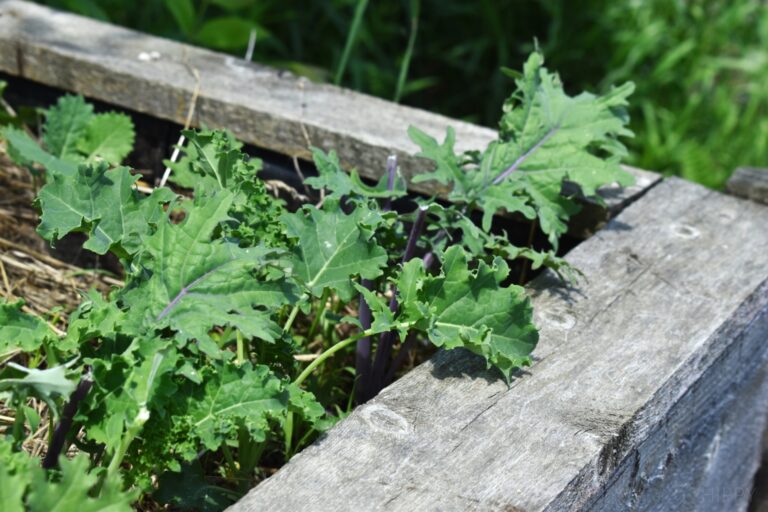
Kale (Brassica oleracea acephala)
If you listen to its fans, kale is just about the healthiest thing you could possibly eat. I don’t know if that’s true or not, but I know that kale will go to seed at the drop of a hat.
If you only care about harvesting it intact while it’s tender and tasty, it can be a nightmare, but if you want the plant to reproduce itself, it can be your best friend.
Once you let it go to seed, kale is probably going to be in your garden forever, and that’s because each individual plant produces tons and tons of seeds.
Leave some plants alone during the harvest and then watch for them to bolt and produce seeds in the second year. They will drop and scatter readily, sprouting soon thereafter. Thin out the seedlings for spacing and positioning, and the cycle will repeat itself.
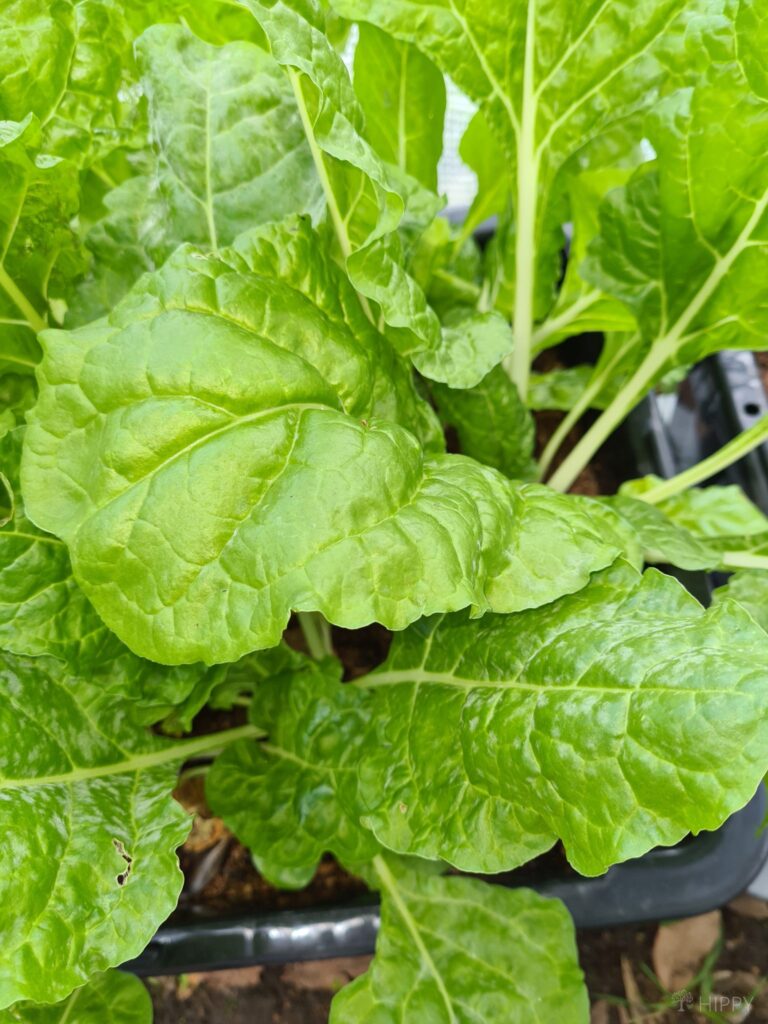
Spinach (Spinacia oleracea)
Stupendously nutritious, spinach can be treated very much like lettuce in this context. It grows fast, goes to seed quickly, and drops lots of them, reproducing prolifically but very close to the parent plant.
All you need to do is leave some of your spinach plants alone and then watch for the spikes that they send up. Those spikes will dry out and then drop the seeds.
Orach (Atriplex hortensis)
Better known to some as Mountain spinach, orach sometimes grows in bold, autumnal shades of red instead of the expected green of typical spinach.
Compared to spinach, it’s even more prolific and drops lots of seeds readily if left in the ground. In fact, it might drop too many! Orach sends up tall spikes which flower and scatter seeds surprisingly far.
You can make a great case for pruning off some of these spikes to prevent it from taking over your garden.
Of the seeds that do germinate, as always, thin them out so they’re in the right position with adequate spacing, and you can count on them to do the same thing once they mature.
Swiss Chard (Beta vulgaris flavescens)
The most colorful leafy vegetable that most of us will ever grow, Swiss chard is becoming increasingly popular for its flavor, ease of growth, and the beauty it can bring to your garden.
Chard is also one of the few salad veggies that will reproduce itself in the same year it is planted, and it reproduces prolifically thanks to its high seed count.
You won’t need to do much, just leave it be until it sends up flowers on stalks and then drops the seeds around itself. As with all of the other leafy vegetables discussed already, thin out those unwanted sprouts and then you’ll be looking forward to another harvest in no time.
Corn Salad (Valerianella locusta)
Also known as lamb’s lettuce and rarely eaten today, corn salad is nonetheless a tasty and novel fall salad green. Like so many other salad veggies, it loves cooler weather, and if you let it get too warm, it will bolt quickly and prolifically, typically in the spring.
When that happens, it will drop a lot of seeds right near the base of the plant, which will spend time incubating throughout summer and then sprout again in the fall.
Once you get them started, you’ll stay loaded with the stuff! It’s easy to do: leave some of the plants in the ground and then ignore them; corn salad seeds will take readily and later germinate in undisturbed soil. You’re more likely to mess things up trying to help them along. Just trust these plants to do their job like nature intended, and look forward to your next harvest!
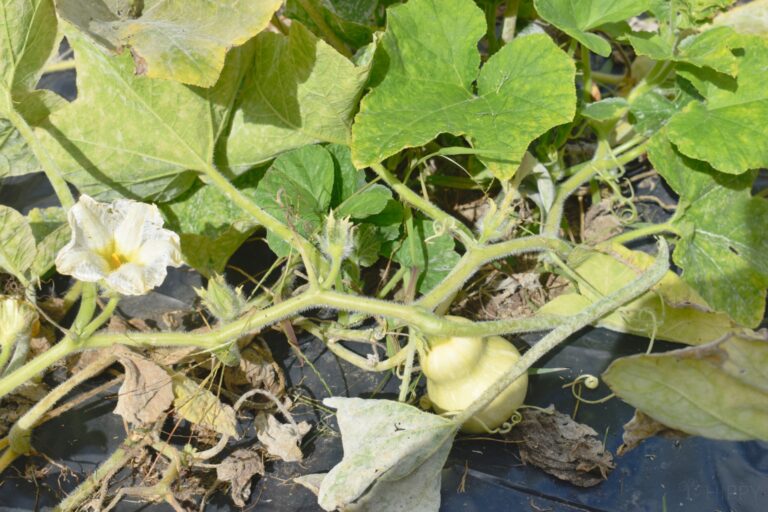
Squash (Cucurbita pepo)
Squashes can capably reseed themselves as long as they are a variety that produces seeds. Some don’t, after all!
However, they will only be a viable option for some gardeners, as they won’t be worth the trouble for others: that’s because you need to leave the squash fruits themselves to rot and break open on the ground.
Once they decompose, the seeds will start to set themselves and then germinate in warmer weather.
This, obviously, can be highly bothersome because you’re going to have lots of rotting fruit lying around. That means stench, possible diseases, and a whole lot of pests.
The other concern is cross-pollination: squashes that get cross-pollinated, as a rule of thumb, will contain high amounts of cucurbitacin. This nasty, bitter compound is a defense mechanism for the plant and also toxic in high concentrations.
If you can’t tightly control the conditions where your squashes are growing, it’s a risk factor. Nonetheless, it’s possible to self-seed them successfully with a little effort!
Celery and Celeriac (Apium graveolens)
Celery and celeriac are two sides of the same vegetable coin, and for our purposes, are treated exactly the same for self-seeding. Celery you already know about; it is grown for its tasty, juicy, crisp stalks, while celeriac is instead grown for its edible root.
Like some of the other veggies already discussed, both are biennials, and that means they won’t go to seed at the end of the current season. You’ve got to let them overwinter so they will then produce seeds the following year.
Keep in mind that celery and celeriac seeds are incredibly tiny and easy to miss, so just keep an eye out for the flowers, and as long as they look healthy, trust that they will drop seeds in time.
Take great care that you don’t rake or hoe over them or you might push them too deep into the soil!
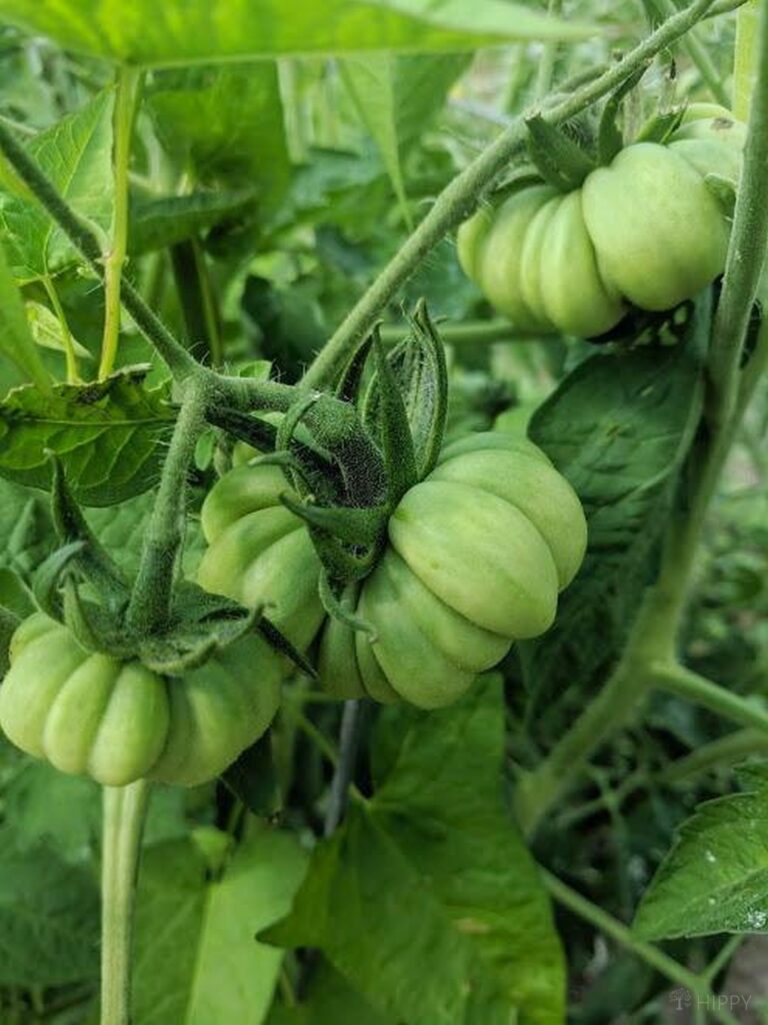
Tomato (Solanum lycopersicum)
Even if you love to eat them, tomatoes can make you hate them: they are fussy, surprisingly delicate, and vulnerable to so many pests that it’s not even funny.
But it’s possible to make this delicate nature work for you as an asset if you are willing to leave dropped or damaged fruit to decompose.
Those seeds will sprout if you leave them where they are, and curiously, the plants they produce have a marked tendency to grow and produce more fruit quicker than hand-planted ones. Definitely an interesting and beneficial quirk. Still, tomatoes will only self-seed with high likelihood in areas with long, hot, sunny summers.
The farther north you go or the more cloud cover you have, the less likely that the seeds from the dropped fruit will germinate. Not a reason for you to not try, but something to keep in mind if you’re counting on your plants starting.
Tim is a farm boy with vast experience on homesteads, and with survival and prepping. He lives a self-reliant lifestyle along with his aging mother in a quiet and very conservative little town in Ohio. He teaches folks about security, prepping and self-sufficiency not just through his witty writing, but also in person.
Find out more about Tim and the rest of the crew here.