
I don’t think I’m overstepping when I assert that the vast majority of chicken keepers start raising their own flock of birds for the eggs. If you’ve never tried a genuine farm-fresh egg before, you don’t know what you’re missing: the flavor and texture compared to the chilled cartons you get at the grocery store are borderline indescribable!

But the very best eggs come from the healthiest chickens, and a big part of keeping them both happy and healthy is giving them the right diet.
Sure, they can live on chicken feed alone, but if you supply your hard-working girls with the right supplemental foods and treats, their eggs will have better flavor, color, texture, and nutritional content.
If you are ready for out-of-this-world eggs, you need to start feeding your flock the 13 foods I’m about to share with you below.
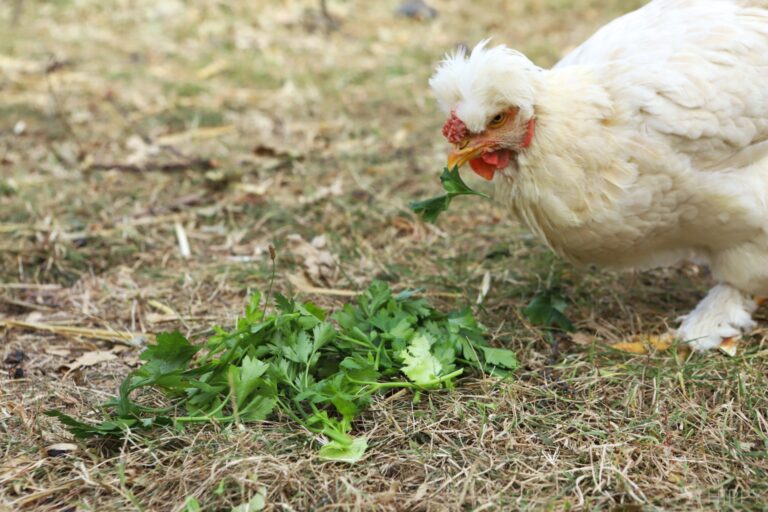
Herbs
All kinds of herbs are great for chickens. Aside from being nutritious and tasty, they have various benefits like repelling pests, getting rid of worms, and even making your chickens more likely to lay in the first place.
But when it comes to mainstay herbs like basil, oregano, and parsley, they can improve the overall texture and flavor of eggs, as well as fortify them with vitamins, thanks to the abundant vitamin A, vitamin K, and antioxidants that they contain.
Beyond that, some of the stronger herbs like oregano, cilantro, and mint can impart subtle but pleasant flavors to the eggs themselves because of the volatile compounds they contain that give these herbs their iconic flavor and aroma.
If you haven’t been mixing herbs in with your flock’s feed already, it is definitely time to start!
Wheatgrass
Wheatgrass is packed with protein that will maximize the quality of each egg and is also a great source of chlorophyll, vitamin E, vitamin A, vitamin C, iron, and calcium.
These nutrients improve the overall health of your birds, which supports high-quality eggs, and the chlorophyll content often results in rich yolks with notably better flavor and texture.
Feeding your birds wheatgrass is a great way to improve their health overall and specifically make their eggs even better. You can let them forage from it if it’s growing on your property or harvest it specifically for feeding them. Fresher is always best!
Barley
Barley is another great grain that chickens love, and it’s a wonderful source of niacin, thiamine, and dietary fiber. Regular barley consumption by chickens has also been linked with thicker, firmer egg whites: compounds found in barley improve the protein structures of the albumen.
Like other healthy foods we’ve already looked at and others we will talk about, including barley in the diet of your birds regularly significantly improves overall egg quality, not just the whites!
Oatmeal
I don’t think there is a single animal alive that doesn’t love oats. Sweet, tasty, and easily digestible, oats are also highly nutritious thanks to a decent amount of protein and a good profile of amino acids.
Most types of oats are also rich in manganese, which contributes to stronger eggshells, and stronger eggshells make for larger and better eggs generally.
Oats are a great thing to treat your chickens with, so never hesitate to scatter a few handfuls for them to peck and scratch for.
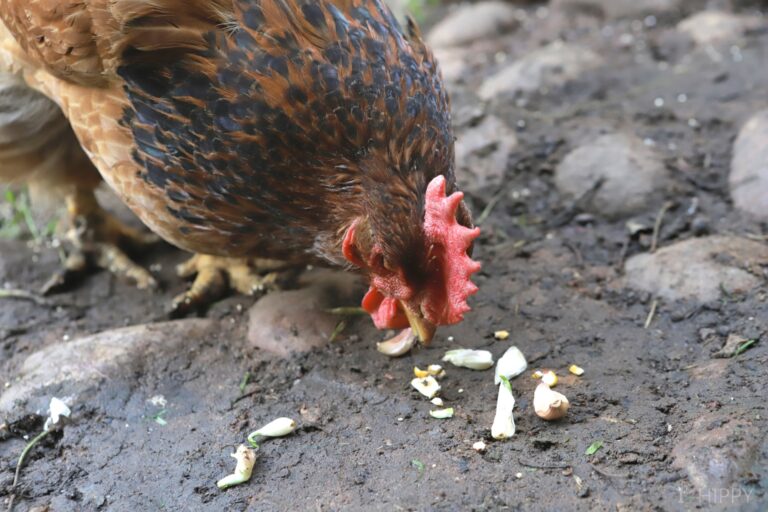
Garlic
Garlic is a wonderful food for chickens and an indispensable tool in a keeper’s toolbox…
Garlic is perhaps best known as being an all-natural vermifuge, or dewormer, that can help chickens expel internal parasites before things get too bad.
High parasite loads are directly linked with low egg quality in laying hens, so that is a big perk right there!
But more than this, garlic is also known to increase protein levels in eggs while at the same time lowering levels of harmful cholesterol.
Some keepers claim that giving your chickens too much will impart a slightly sulfurous flavor to the eggs, but I’ve only found this to be a problem if you’re giving them a lot of garlic quite often.
Feed it to them sparingly, a few times a month, and you can reap the benefits without any negative change in flavor.
Flaxseeds
Chickens love all kinds of seeds, and flax seeds are no exception. Protein and nutrient-packed powerhouses, flaxseeds are one of the very best naturally occurring plant-based sources of omega-3 fatty acids, and specifically alpha-linolenic acid, or ALA.
As a dietary nutrient, when chickens consume omega-3s, the majority are passed directly on to their egg yolks, meaning their eggs supply this vital nutrient to us when we eat them.
Sure, that’s great, but what’s really awesome is that giving your girls flaxseeds as a regular part of their diet will give their eggs a creamy, almost buttery flavor. I can attest that this is true, and you won’t believe the difference in quality!
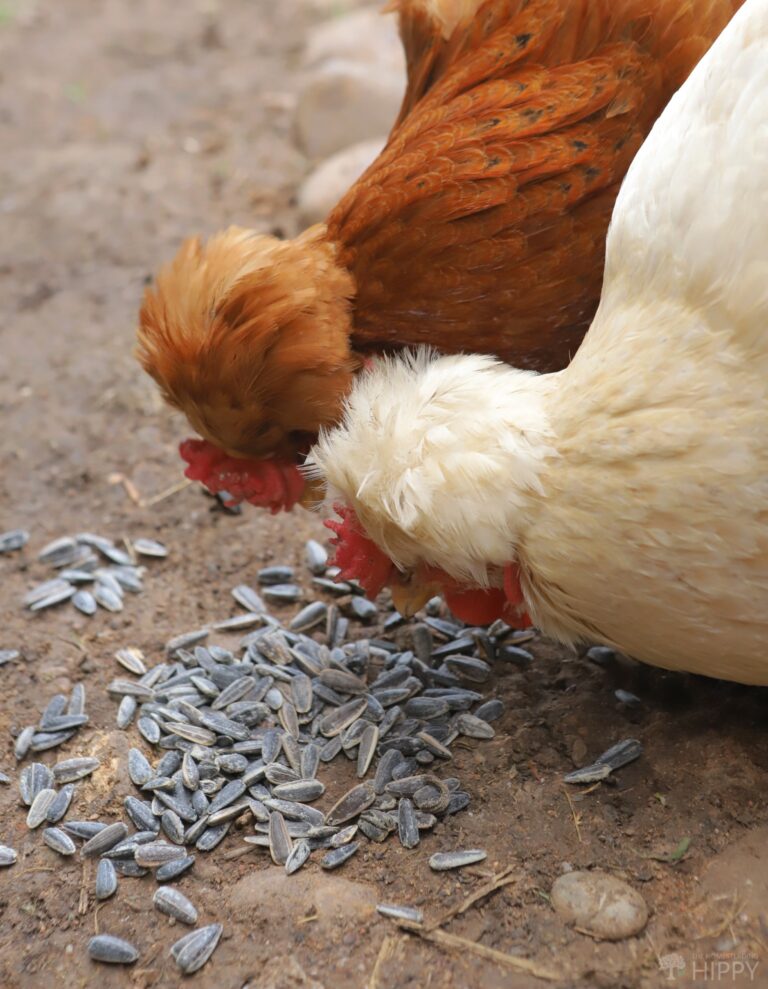
Sunflower Seeds
If you’ve been keeping chickens for any length of time, you already know that they go crazy for sunflower seeds.
This is one treat that you can feel good about giving them, not only because it makes them happy, but because they are so incredibly nutritious. This is also one of the easiest foods to feed them because you can incorporate them into their feed or just scatter them.
Packed with antioxidants, loads of vitamin E, protein, and healthy fats, adding sunflower seeds to their diet will improve the nutritional content of the eggs, possibly make for larger egg yolks, and enhance the color of the yolks, typically turning them a sunny yellow color just like the flowers themselves.
Pumpkin Seeds
These big seeds don’t quite stack up to flaxseeds and sunflower seeds above, but they’re still a worthwhile option for improving egg quality and flavor.
Pumpkin seeds provide loads of zinc, which is critical for eggshell formation and overall quality, and once again they are a great source of omega-3 fatty acids and various other antioxidants.
Together, this makes eggs tastier all around and once again contributes to a silky smooth texture and buttery flavor.
Do note that these seeds might be a bit too big for bantams and other smaller breeds; if that’s the case, pulse them a few times in a food processor to break them up.
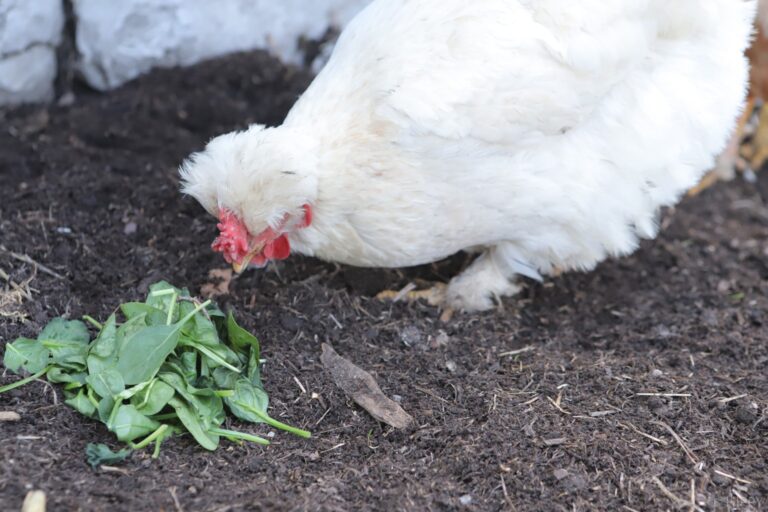
Spinach
Spinach is famous for being one of the most nutritious veggies around, and certainly among the very best leafy vegetables. Loaded with protein, calcium, iron, and many vitamins, spinach greatly improves the nutritional content of eggs and also the flavor.
Giving spinach a couple of times a week to laying hens gives eggs a stronger flavor, darker and more colorful yolks, and a better texture. It’s great for the health of your chickens all around, and they really seem to like it, to boot!
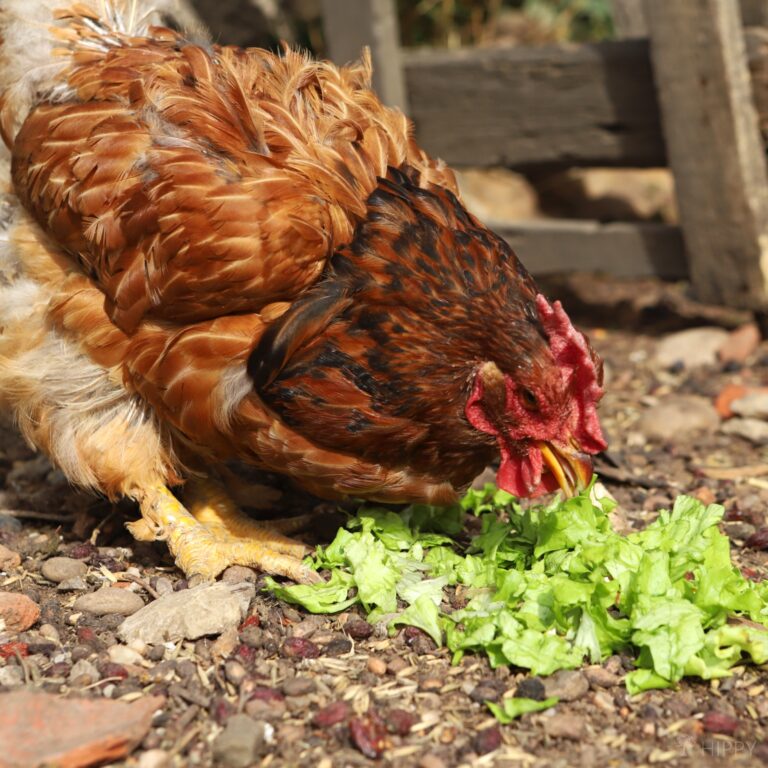
Kale
Another leafy veggie, and one that has stolen the spotlight from spinach in these past few years, it is similarly loaded with all kinds of vitamins and calcium. More calcium means a better, stronger eggshell, and that contributes to a better egg all the way around.
Kale is also noted for increasing the density of both yolks and whites, and that means better texture no matter how you are preparing your eggs. Fried or scrambled, you’ll be able to taste the difference!
Mealworms
There isn’t a chicken alive that doesn’t love mealworms, and for good reason: they’re one of the single best sources of protein and healthy fats for chickens, and both are crucial for egg production.
Maximizing protein and fat intake leads to bigger overall eggs and greatly improved egg white quality.
No surprise here, but what most keepers don’t know is that mealworms are rich in oleic acid, something that directly impacts the flavor of egg yolks. More oleic acid means a thicker and more savory yolk.
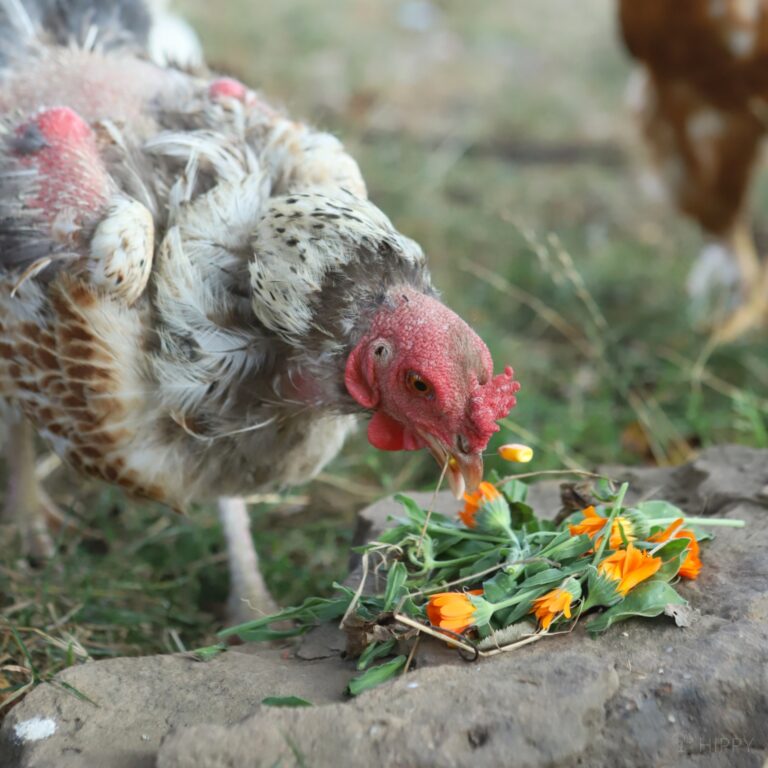
Marigold Petals
Marigolds are beautiful, and their flowers are both edible and nutritious for chickens. The petals themselves are rich with lutein and zeaxanthin, compounds that are powerful antioxidants and also things that will give egg yolks a bright, vibrant color and rich flavor.
Calendula Petals
Calendula blooms, like marigolds above, are certainly pretty, but also edible and a great thing for hens to eat. The petals are tender, tasty, and easily digestible for chickens, and contain xanthophylls and other carotenoids, which similarly improve the vibrancy, texture, and flavor of the yolks.


Tom has built and remodeled homes, generated his own electricity, grown his own food and more, all in quest of remaining as independent of society as possible. Now he shares his experiences and hard-earned lessons with readers around the country.
Find out more about the team here.