
For room temperature food preservation, dehydration is one of my favorite methods. Dehydrated foods are easy to store, long-lasting, and often take on a unique texture that makes them interesting ingredients or delicious snacks.

When most folks think of dehydrated foods, the very first things they think of are fruits and veggies. That’s for good reason, because many fruits and veggies dehydrate so well. But if that’s all you’ve been doing with your food dehydrator, you’re missing out.
You can dehydrate all kinds of foods and even prepare special and delicious recipes with them using your machine. If you’re looking to take your dehydration operation to the next level, you’ve come to the right place.
Just below, I’ll tell you all about a whole bunch of foods and recipes you can make in yours. Pull out those trays and let’s get started.
Fruits
For so many buyers of these awesome kitchen appliances, fruit is the reason they get it in the first place. And I understand the appeal!
Fruit spoils so quickly at room temperature when kept fresh, and freezing it means it sometimes suffers a significant reduction in quality after thawing. Dehydrating it, though, keeps it ready to eat or include as part of a recipe.
Lots of dehydrated fruits taste even better than they do when fresh, too! That’s because the removal of moisture concentrates the sugars and other compounds that give fruits their unique flavor. Whether you want them for snacking or just long-lasting storage, don’t hesitate to dehydrate.
The following are all tried-and-true staples when it comes to dehydration, but there are lots of others as we will learn.
- Apples
- Pears
- Peaches
- Oranges
- Plums (prunes)
- Grapes (raisins)
Tropical Fruit
Tropical fruit varieties are especially good candidates for at-home dehydration. That’s because they tend to spoil even quicker than other kinds of fruit, and also because preserving them is even more important…
Whether you are lucky enough to grow them yourself or you bring them home fresh from the grocery store or farmers’ market, in North America many tropical fruits have a distinctly limited seasonal availability.
If you want to enjoy peak flavor throughout the year, you’ve got to preserve them ASAP. Dehydration is a great way to do it whether you want snacks or ingredients.
Mangoes, pineapples, and bananas are some of the most commonly dehydrated tropical fruits, but nearly any variety can be successfully processed with the right preparation.
- Mango
- Pineapple
- Bananas
Berries
Yes, berries are yet another subcategory of fruit but one that deserves its own special recognition. That’s because dehydrated berries, of all kinds, are singularly delicious! They take on a vaguely crisp yet slightly chewy texture and are absolutely delicious.
So delicious that they have almost entirely replaced candy in my house. You might even say they are too delicious; it’s easy to pig out on a bowl of dehydrated blueberries or strawberries and inadvertently pack on the pounds! Hey, they’re certainly healthy, but calories are still calories!
Jokes aside, berries are a great and long-lasting dehydrator-friendly fruit and the perfect first-time recipe for folks who have just picked up their machine. Strawberries, blueberries, raspberries, blackberries, and cranberries are all extremely popular, but every type of berry can be dehydrated successfully.
- Strawberries
- Blueberries
- Raspberries
- Blackberries
- Cranberries
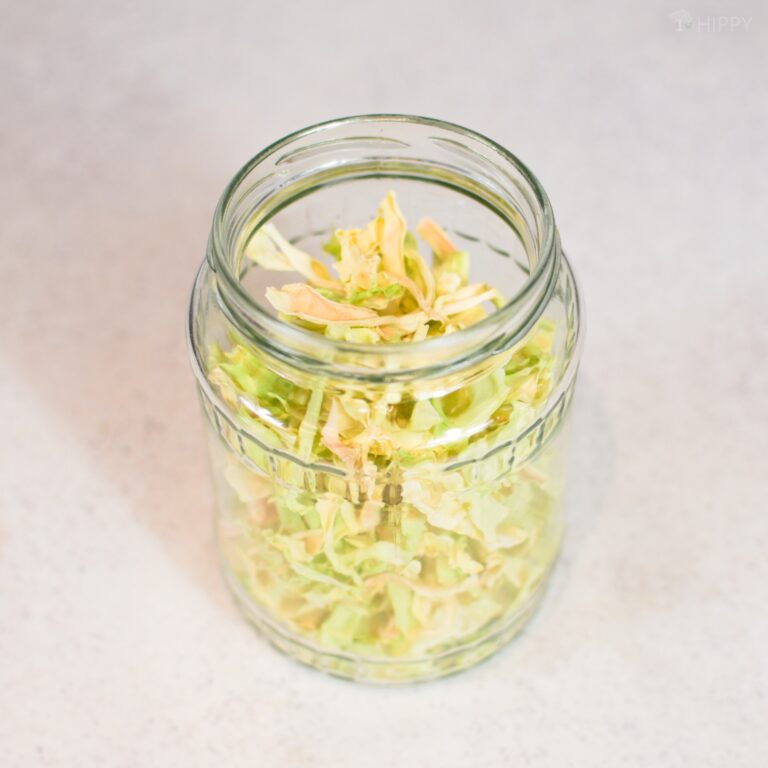
Veggies
This is the other “prime mover” food category for at-home dehydration. Veggies are arguably even more versatile than fruits, and that’s because they can be more easily reconstituted for recipes like soups and stews, or turned into delicious snacks.
Many veggies, like onions, garlic, peppers, and the like, can also be turned into seasonings: you can dehydrate chips or flakes and then further process them into powder if desired.
This can turn them into a fantastic ingredient that will replace the store-bought stuff you get from the baking aisle or spice rack. There’s no comparison when it comes to flavor, believe that!
And if you just want something simple and ready to eat, you’ll be glad to hear that there are tons of great preparations for all kinds of vegetables.
Different kinds of seasoning, cutting into thin slices or strips, and a little bit of time in the dehydrator are all it takes to make a crisp, healthy, and totally natural snack food replacement.
- Carrot (sticks or slices)
- Cabbage
- Kale (crisps)
- Eggplant
- Bell peppers
- Tomatoes (sun-dried style)
- Onions (slices or minced)
- Potatoes
- Sweet potatoes (chips)
Herbs
If you’re anything like me, you reach for herbs constantly in the kitchen. They go in nearly everything I make, from seasoning sauces to sprucing up sandwiches. There’s just no getting by without them!
Plenty of homesteaders and amateur chefs grow their own herbs, either on their counter by a sunny window or in their garden. Whichever way you go, you won’t have to deal with waste ever again if you dehydrate them and bottle them afterward.
This is about as easy as it gets, and compared to trying to do it in the open air or in the oven, the process is far more reliable and quicker in the dehydrator.
The following herbs are all super easy to process and straightforward, but any kind that you buy at the grocery store can be done yourself, so remember that!
- Basil
- Oregano
- Thyme
- Rosemary
Beef
Dehydrating your own meat at home is where things really start to get interesting. Even today, there are plenty of folks who don’t know, or simply don’t think of, trying it themselves.
Maybe it’s intimidating, or maybe it just seems riskier somehow compared to produce, but you don’t need to worry about that: the procedures for processing beef are well understood and easy to follow.
Preserving ground beef crumbles or slices for portable camping meals, soup mixes, and more is a good way to keep it at room temperature and save space in your freezer.
- Ground beef (crumbles)
- Beef slices
Chicken
Not much of a surprise here; chicken is really easy to dehydrate, just like beef. Also just like beef, you can do so for the same reasons. Putting together long-lasting, shelf-stable meal options or just keeping a surplus from going bad, either way, chicken is a great candidate for dehydration.
Just like with beef, and pretty much everything else you put in your dehydrator, proper preparation and portioning are key for success. You’ve got to spend a little bit of extra time making sure the individual pieces are uniform in size and also in a single layer on the trays.
If you don’t, the edges of the pieces will be so dry they’ll crumble into dust while the insides can be too moist, perhaps dangerously so!
- Shredded chicken breast
- Chicken strips (thin sliced)
Fish
A surprising use for your dehydrator, but a welcome one, is for the preservation of fish. Fish, even the heavier, fattier types, are far lighter and more delicate than beef and other meats. When you dehydrate it, it takes on a singularly unique texture.
Depending on how big the individual pieces are, you can use them to add flavor (but not much body) to other dishes or use larger pieces for casseroles, stews, and other recipes.
If you’ve never dehydrated fish yourself, definitely give it a try.
- Cod flakes (dehydrated for soups)
- Tuna (crumbled for casseroles)
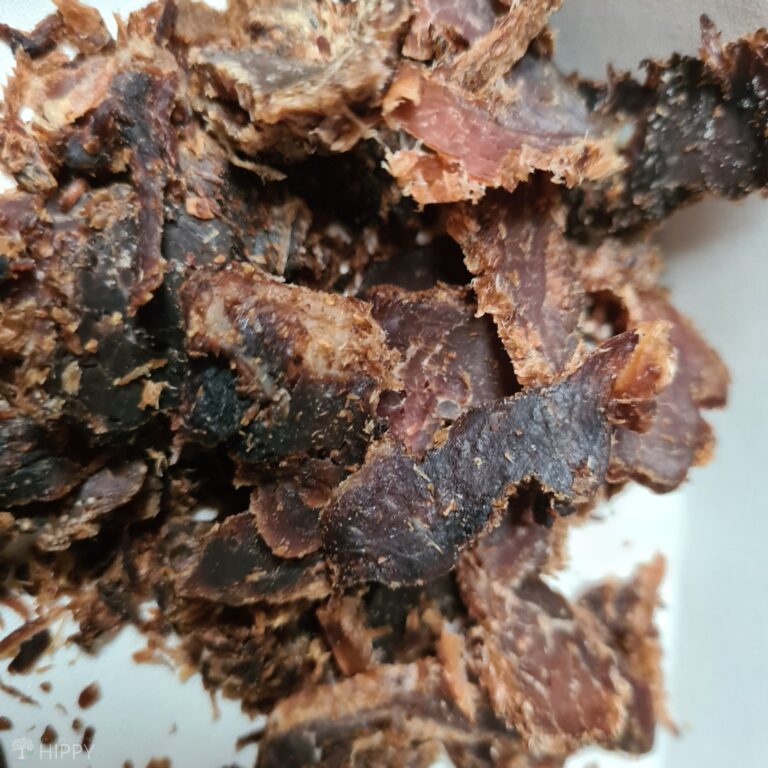
Jerky
Dehydrated meat might be handy and convenient, but nothing beats dehydrated meat ready to eat – better known as jerky!
It’s delicious, satisfying, and the premier snack for hiking, camping, and road trips. But, good grief, have you seen jerky prices at the store lately!? Talk about a racket…
Anyway, the extortion stops if you’ve got a dehydrator: your homemade jerky will blow anything from the store right out of the water, and you can make it for a fraction of the price. Best of all, the recipes available to you are virtually endless!
Whether you want beef, chicken, turkey, salmon, or something a little more exotic like venison or bison, your dehydrator can handle it.
Eggs
What!? You can dehydrate eggs yourself! You sure can, and believe it or not, you can dehydrate them raw or cooked depending on your needs!
Cooked eggs are perfect for camping meals, homemade MREs, and easy breakfasts on lazy Sundays. Raw eggs can be used as a prepared ingredient for baked goods and lots of other recipes besides.
If you’ve got a big family or are cooking for a crowd, dehydrated eggs can save you a lot of prep time regardless of how you prepare them.
- Scrambled eggs
- Powdered eggs
Mushrooms
Mushrooms always add delicious, earthy, umami flavor to whatever it is you are making or eating.
For assembling soup or stew mixes, or just making some crispy mushroom chips to serve as a snack or garnish, your dehydrator will be your new best friend for processing these edible fungi.
Any edible variety can be safely sent through the dehydration process, but as usual, you just want to pay attention to preparation: large caps from shiitake mushrooms need to be sliced into uniform sections for best results.
On the other hand, smaller types like button mushrooms can be sorted into similarly sized batches and processed whole in one go.
More than most other foods, dehydrated mushrooms reconstitute beautifully and maintain that “just-picked” flavor that we all love. Once you make your own batch, I’m sure you’ll be hooked – just like me!
- Shiitakes
- Porcinis
- Buttons
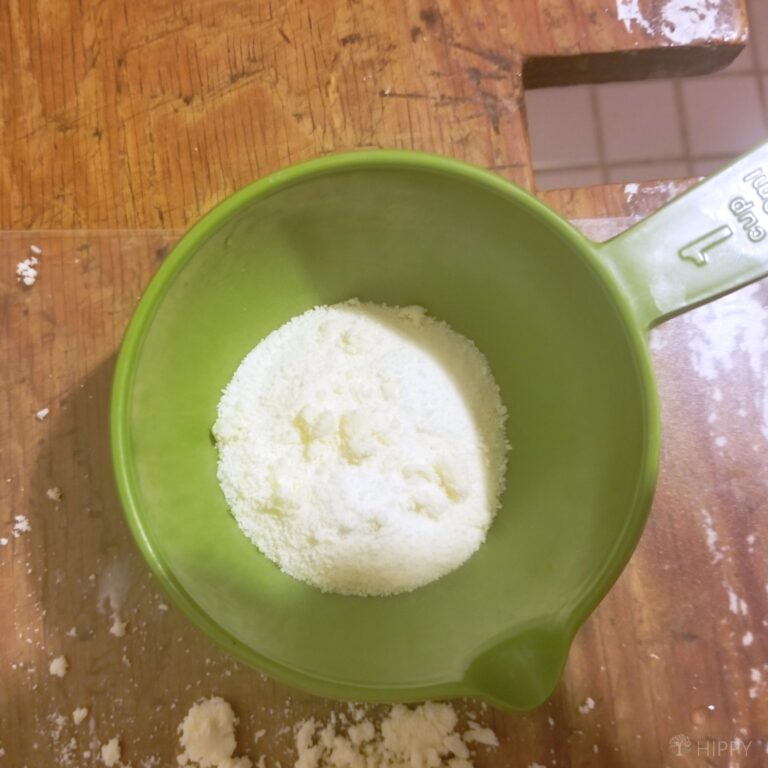
Dairy
Another food group that’s bound to be a shocking surprise to some people. But I can assure you it is absolutely possible to dehydrate many dairy products with delicious results.
For making pantry-staple items like your own homemade powdered milk to dehydrated cheese crisps, shredded cheese, yogurt drops, and a whole lot more, all you need to do is set it and forget it.
If you’re working with something like yogurt, cottage cheese, milk, or soft cheeses that are moisture-rich, expect the process to take quite a while. It might take in excess of 24 hours!
That sounds like a big commitment, but do keep in mind that all you’ve got to do is turn the machine on and check on it every now and then until it’s finished. There’s nothing to it.
- Yogurt
- Cheese
- Milk
Bouillon
For making a fast, and big, batch of your favorite soup or some truly hearty sauce or au jus, bouillon is where it’s at. Instead of getting the preservative-packed stuff at the store, just make your own in the dehydrator.
You can make pretty much the full gamut, too, be it chicken, beef, veggie, or something else. As always, high moisture content and liquids make for very long processing times, so block out a day or a little longer when you want to whip up a batch.
- Chicken Stock
- Beef Stock
- Vegetable Stock
Snacks
Saving the best for last, I started with my at-home food dehydrator to preserve fruits and veggies as mentioned, but increasingly I use it to make truly yummy snacks that my family has started to crave.
I’m saving a fortune at the grocery, and my family is eating healthier, but my dehydrator never stops running to cope with the demand!
Oh well, I’m a victim of my own good idea. If you’re willing to put in a bit more effort into your recipes, you can use your dehydrator to make flavorful, chewy, crispy, and satisfying snacks that can satisfy any palate.
Fruit leather is arguably the most well-known, and it’s basically a much healthier version of a fruit roll-up or other processed snack.
Crispy, flaky, salty chips made with dried tomatoes and parmesan cheese will make you forget all about your favorite potato chips, and healthy, low-carb popcorn made from cauliflower with berry seasonings will steal the show on movie night.
The following recipes are some of my absolute favorites, but there are many more out there. Experiment and you’ll soon find one that your whole family craves!
- Fruit Leather
- Homemade Twizzlers
- Parmesan Tomato Chips
- Buffalo Cauliflower “Popcorn”
- Pumpkin Pie Leather


Tim is a farm boy with vast experience on homesteads, and with survival and prepping. He lives a self-reliant lifestyle along with his aging mother in a quiet and very conservative little town in Ohio. He teaches folks about security, prepping and self-sufficiency not just through his witty writing, but also in person.
Find out more about Tim and the rest of the crew here.