
Chickens are just like every other animal alive in that they need the right kinds of nutrients in the right amounts if they’re going to thrive. Many new keepers make the mistake of thinking that because chickens are omnivorous, and because they eat just about anything, they will get all the vitamins and minerals they need. This is a mistake. Nutritional deficiencies are fairly common in chickens and one of the leading causes of disease.
Understanding the specific nutrients that your birds need and making sure they get them will keep them happy, healthy, and productive. I’ll tell you about the 10 most important ones and more about them below.

Calcium
This is the nutrient that every chicken owner knows about, or at least they should know about it! This crucial mineral is vital for healthy bone formation and healing in chickens, just like in people, and also plays a part in nervous system function, muscle function, and, of course, the creation of strong and healthy eggshells.
Laying hens need loads of it compared to other chickens in the flock, and that’s why layer feed is fortified with extra. Your birds can get it easily from things like crushed oyster shells and other kinds of grit, bone meal, and some of their favorite leafy greens like alfalfa and kale.
Deficiency is linked to developmental problems in chicks and thin or absent eggshells along with reduced egg production, so make sure your flock is getting enough.

Phosphorus
Phosphorus is sometimes overlooked for chicken health, and occasionally a lack of phosphorus is mistaken for a lack of calcium because phosphorus works with calcium to support bone growth and health, as well as proper production of energy. A lack of phosphorus can cause many and wide-ranging problems in chickens, but they don’t need quite as much of it.
Chickens typically get plenty from common feed and grains like wheat and corn. Fatigued, sluggish birds are often the first sign of phosphorus deficiency, so be on the lookout for that.
Vitamin D3
Vitamin D3 is sort of a tag team member with calcium and phosphorus above, and this is what’s needed so a chicken’s body can absorb the other two. Accordingly, a lack of vitamin D3 can be mistaken for a lack of either, and that can have disastrous results when owners try to over-supplement calcium or phosphorus.
Chickens make their own D3, typically, but occasionally supplementation by fortifying food with various fish oils or specialty vitamin-enhanced chicken feeds is needed. Low levels vitamin D3 are also particularly associated with malformed legs and fractures in chicks.
Vitamin A
A major consideration for the development of skin and nervous system tissues, along with continued eye health and a strong immune system. Vitamin A also plays a part in cellular function by promoting strong cell walls. If you le your birds free range or occasionally give them leafy vegetables and other veggies like squash, pumpkins, and root veggies, they should get more than enough.
A lack of vitamin A is a big cause of stunted or malformed growth in chicks and adolescent birds, and general sickness. Hens that don’t get enough vitamin A will show a marked drop in egg production, too. If you give your birds a good well-rounded chicken feed, they should get more than enough to thrive.
Vitamin E
A potent antioxidant that helps protect tissues from oxidative damage, and another important nutrient for muscle function and immune system performance. Flocks that lack vitamin E will often be undersized, puny, and lethargic.
Despite its importance, most chickens will get more than enough from seeds, nuts, insects, mealworms, whole grains, and more. This vitamin is abundant and found in many items of a chicken’s diet.
Sodium
Good old salt is a precious electrolyte necessary for maintaining nervous system function, fluid balance, muscle contraction, and cellular equilibrium. Electrolyte imbalance can quickly spiral out of control into a life-threatening situation in birds, and that includes your chickens. Although easily corrected most of the time, you should still pay attention to how much your flock is getting in their typical diet.
A lack of salt (though rare) can cause major health issues, and several of them are devastating. In chicks that manifests as reduced growth rate and softened bones. Adult birds will suffer from cardiac abnormalities including cardiac arrest and sometimes turn cannibalistic!
Vitamin K
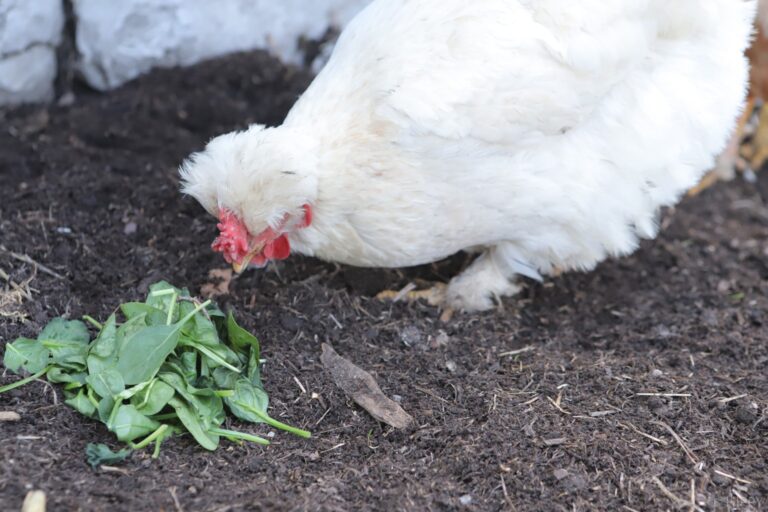
Vitamin K plays a diverse part in bird biology, as it’s needed for proper blood clotting and liver function. Chickens don’t need nearly as much compared to other minerals and vitamins on this list, but even a modest deficiency can quickly turn into a serious problem.
Fortified chicken feed contains plenty, but other great sources are the usual leafy vegetables like spinach and kale, along with legumes like alfalfa.
If you notice your chicken is getting any minor injuries and then bleeding prolifically or for a long time from them, a lack of vitamin K could be to blame. A serious lack of vitamin K can cause exsanguination from internal bleeding or even relatively minor wounds!
Potassium
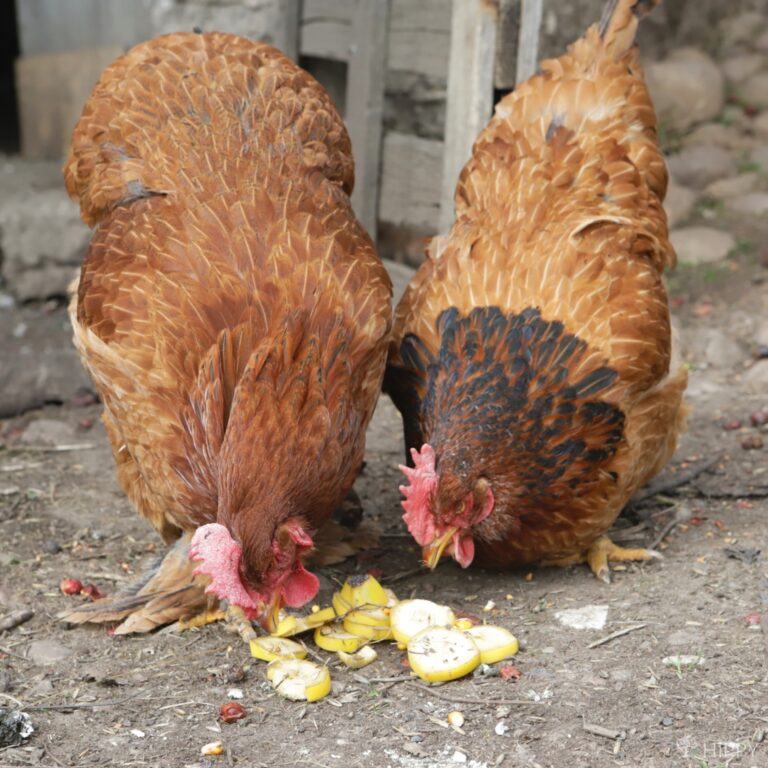
Another electrolyte, chickens will usually get loads of this stuff from some of their favorite foods like grains and various leafy greens, but also from some of their preferred treats like bananas and potatoes.
Potassium helps to regulate muscle contractions, nervous system signaling, and it also plays a big part in regulating cellular fluid levels and heart function. Deficiency is very rare in chickens, but can be devastating!
Magnesium
A chicken’s body operates only because of countless enzyme reactions throughout all the tissues, every organ, muscles, nerves, and more. It’s magnesium that’s the central factor in hundreds of those reactions. It’s arguably the most important metabolic mineral there is.
Once again, luckily, chickens can get all they need from regular consumption of various grains, premixed vitamin supplements, and high-quality chicken feed. A lack of magnesium is terrible: poor growth performance, severe convulsions, reduced or stoppage of egg laying, and sudden death are all possibilities.
Manganese
Your yardbirds need manganese because it’s a major building block of bones and cartilage, and it’s another enzymatic activator and is further crucial for male and female reproductive health. A lack of manganese in laying hens that have been fertilized leads to poor hatchability of chicks. Chicks without enough manganese in their diet will often suffer from deformed bones, while adults will develop tendon problems.
Mineral supplements and fortified chicken feed along with whole grains are your best bet for adding to their diet.
Other Nutrients Your Chickens Still Need!
Just because the above vitamins and minerals are the most important doesn’t mean your birds can get by without all the others! Below is a short list of minerals that your birds need in lesser amounts. Don’t neglect them!
- Zinc
- Selenium
- Chloride
- Iron
- Copper

Tim is a farm boy with vast experience on homesteads, and with survival and prepping. He lives a self-reliant lifestyle along with his aging mother in a quiet and very conservative little town in Ohio. He teaches folks about security, prepping and self-sufficiency not just through his witty writing, but also in person.
Find out more about Tim and the rest of the crew here.