
If you aren’t a homesteader but want to be, getting started can look like an unclimbable mountain. If you didn’t grow up on a farm or in a family that emphasized self-sufficiency and self-reliance, it’s easy to feel like you are just coming around to it way too late in life.

Take it from me, that’s not the case. You’ve heard the old cliché before: a journey of 1,000 miles begins with a single step, and so your homesteading journey, too, begins with small, easily attainable goals.
You’ve got to crawl before you walk, or in this case, raise a few chickens before you bring home some cows! In this article, I will tell you about 10 entirely reasonable homesteading goals to set for yourself in your first year once you’ve decided to take the plunge. Are you up to it? Good, let’s get a move on.
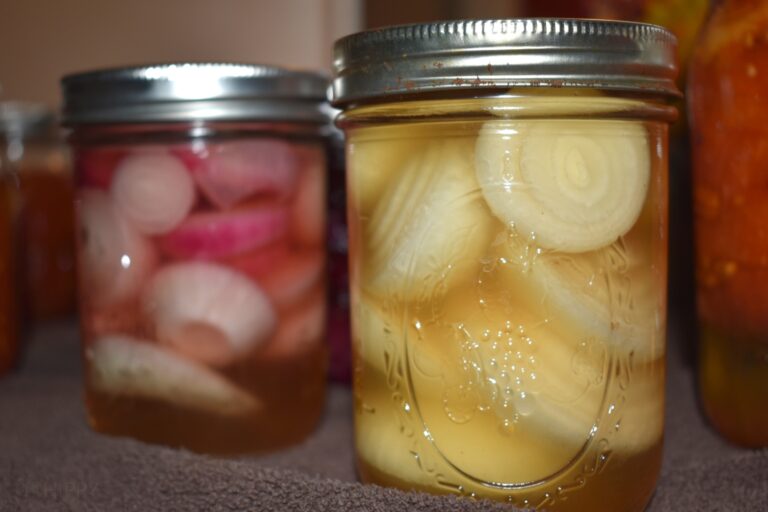
Can, Freeze and Dry Your Own Food at Home
One of the most fundamental homesteading skills, and one of the earliest you should learn, is food preservation.
Learning to preserve yourself is important because it prevents waste, which saves you money, and also because having a stash of food on hand that’s ready to eat or easy to prepare is always a good idea. Times of shortage and disruption are always just around the corner!
The good news is that you’ve got lots of different methods, ones that you can focus on and maximize or add to your repertoire of kitchen skills. The most obvious, and one of the most popular, is canning.
Water bath and pressure canning, together, can allow you to preserve nearly anything, including all kinds of fruits and veggies, most kinds of meat, and even things like soup, broth, sauces, condiments, and a whole lot more.
If you have a freezer, why not learn to do things right? Properly portioning, blanching, and packing food for freezing will greatly extend its shelf life before freezer burn takes hold and also improve its quality when you pull it out to heat it up or otherwise prepare it.
Other worthwhile but more niche preservation methods that are entirely accessible include dehydration, fermenting, and pickling.
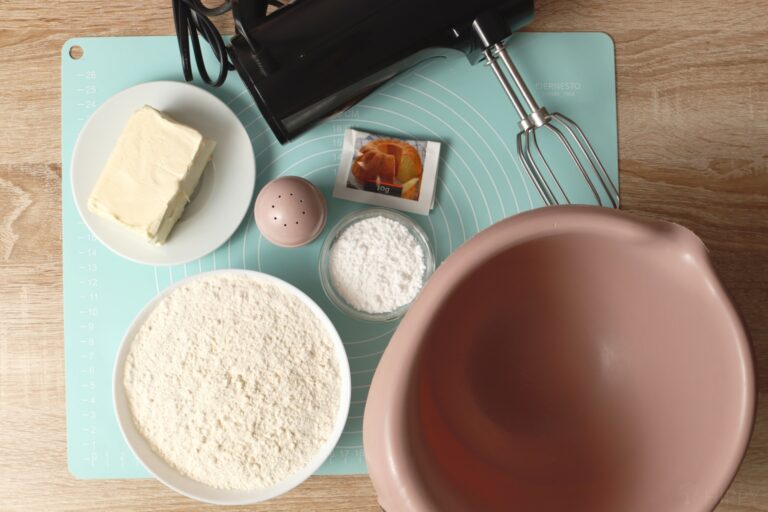
Cook Your Meals From Scratch
Be honest: how often do you prepare a meal from scratch? And I mean completely from scratch! I’m not talking about roasting freezer veggies and making instant noodles here!
Everyone loves home-cooked meals. They taste better and fill you up in a way that the factory-produced, mass-market slop that is inflicted on us these days can never do. But scratch cooking takes more time, more planning, and more effort.
Baking biscuits made from Bisquick is one thing, but mixing up biscuit dough yourself is something else entirely. Despite this, you should endeavor to start doing all of your cooking from scratch whenever possible.
The food is healthier, you’ll feel better, and you’ll remove yet another link in the supply chain responsible for bringing you your meals.
Ultimately, it will make you more resilient and flexible in the kitchen. Using the most basic ingredients, you’ll be able to prepare all kinds of delicious dishes that you, along with your family, friends, and neighbors, will love.
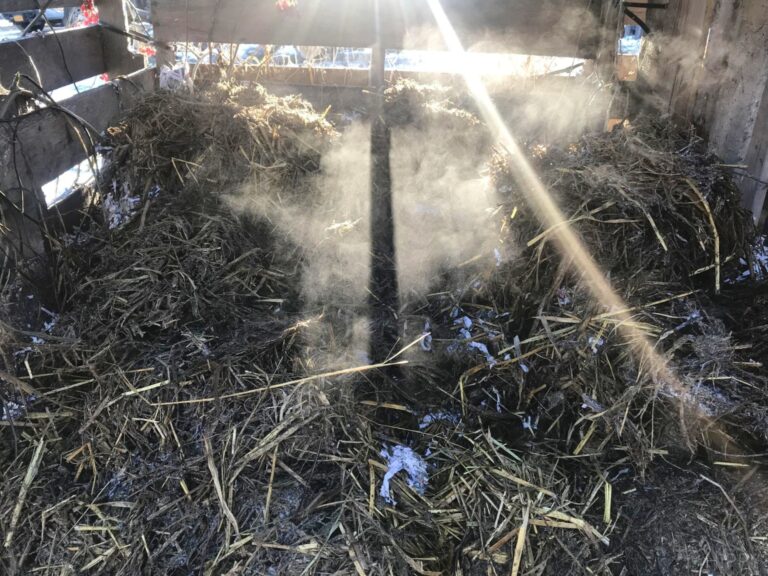
Build and Tend Your Own Compost Bin
Whatever you are growing, and wherever you’re growing it, compost is always a green thumb’s best friend…
Compost is nothing more than decomposed biological matter, specifically with the proper ratio of nitrogen and carbon-rich matter. Full of nutrients and with a texture that is amenable to all kinds of plant life, adding a little bit of compost to soil will give your plants everything they need to thrive.
Now, if you’ve never done it before, the process probably seems alchemical or indecipherable. That, or you have shied away from it because you’re imagining a big pile of rotting refuse that stinks to high heaven and attracts all kinds of vermin.
Let’s do some rumor control: for the first issue, composting is actually quite straightforward, with easy-to-interpret signs and signals regarding what steps you need to take and what you need to add to the pile.
For the second, a properly managed and contained pile won’t stink, not really, and it won’t attract pests.
In fact, it’s possible to start a small compost bin using a common five-gallon bucket with a lid, some kitchen scraps like veggie peels, coffee grounds, and so forth, along with some other organic material like leaves and even cardboard.
This can be done outside or, if needed, even inside for use in potted plants! A little bit of effort and a few months’ time, and you’ll have rich, black gold that will supercharge your plants.
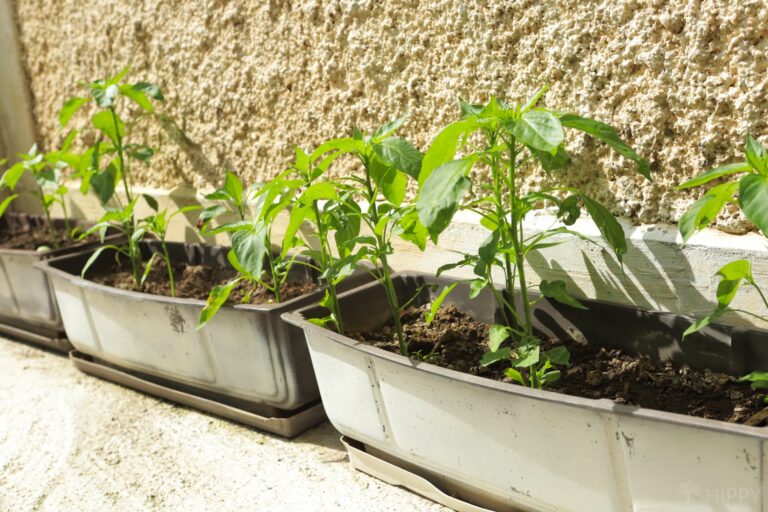
Grow Your Favorite Garden-Fresh Veggies!
If you’re going to make your own compost, you might as well grow some of your own vegetables!
Whether you’ve got some outdoor land to work with or you have to do everything indoors because you’re an apartment dweller, it’s not only easier than you might think but also lots of fun and highly rewarding.
Growing your own is yet another way to get closer to your food and raise your food security. That’s something that all homesteaders care about.
With just a few square feet to work with, you can easily raise your own easy-to-grow crops like spinach, lettuce, radishes, cherry tomatoes, onions, and garlic. Not only are these veggies delicious and nutritious, but they are kitchen staples that you will use constantly in your own recipes.
Outdoors, a small plot or simple raised bed made from a wooden crate or plastic storage container will suffice.
Indoors, pots, planters, and vertical racks that can hold pots will do the trick. In just a couple of months with a little bit of attention and effort, you’ll soon have your own delicious veggies to enjoy.
As you gain skill and confidence and get more room for your own homestead, you can scale up your efforts into a proper garden.
Start a Countertop Kitchen Herb Garden
Too stressed, unsure, or space-limited to start gardening with veggies? I’m with you, I felt the same. You should start as I did and grow an herb garden.
Timeless herbs like basil, chives, mint, parsley, and cilantro are all extremely easy to grow and need even less space than veggies do. If you’ve got a sunny windowsill in your kitchen, you’re ready to go.
You can’t feed yourself on herbs alone, obviously, but herbs add flavor, nutrition and interest to all kinds of dishes – every dish, actually!
You’ll also be ready to enjoy the fruits of your labors straight away as most fresh herbs can be picked while they’re still growing and tossed directly into the pot or skillet when you are cooking.
Growing herbs is really rewarding because the freshness and flavor blows anything you get from the store right out of the water, and herbs have many other uses besides: they are prime ingredients for all sorts of cosmetics, curatives and other products.
Start a Backyard Flock of 5 Chickens
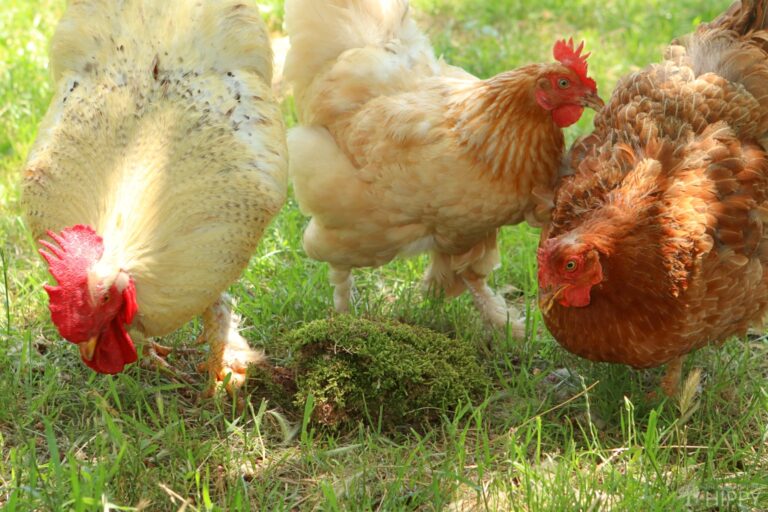
For so many new or aspiring homesteaders, getting a flock of chickens is seen as a rite of passage. There’s just something about them! Yes, raising chickens can be cool and fun, and if I’m being totally honest, it’s a little trendy right now, but there are lots of real benefits.
Chickens, obviously, can keep you and your family supplied with tons of fresh, super nutritious eggs. They can also be harvested for their meat, not something for the faint of heart, but it is something you should learn how to do as a homesteader.
If you absolutely, positively cannot bear the thought of slaughtering your chickens yourself, you can send them to a processor or, sometimes, a local butcher.
In any case, eggs are yet another kitchen staple, something you’ll use all the time, and with a little bit of flock planning, you can enjoy them year-round.
A small flock of just three hens laying eggs will give you more than you know what to do with. For bonus points on your homesteading journey, consider building a simple coop for them yourself.
Eliminate Questionable Household Cleaners by Making Your Own
It rarely fails that homesteaders start to become more acutely aware of things that impact their health and the health of their family. And with good reason, everything, and I do mean everything, we buy from the store is engineered solely to give the makers record profits, regardless of what it does to the customer.
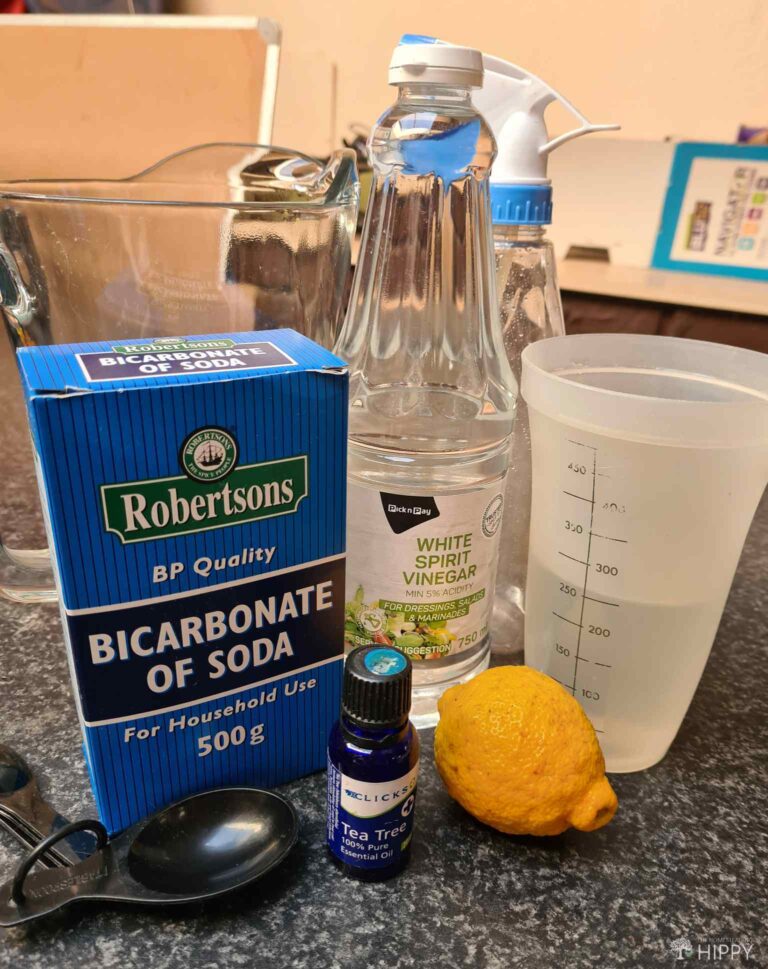
Using chemical cleaners pollutes the air and surfaces in your home, and this can have devastating health consequences over time. It’s best not to risk it, but luckily, you don’t have to, it’s entirely possible to make your own highly effective and completely safe substitutes for common cleaners.
Vinegar is a powerhouse here, being a proven germ fighter and also completely safe. Vinegar, distilled water, and a little bit of essential oil make a fresh-smelling and potent all-purpose cleaner, and a simple paste of baking soda and water replaces heavy-duty abrasive cleaners.
You can even make your own simple soaps and laundry detergent. Washing soda, borax, lemon juice, and a few other ingredients will take care of it.
It might seem like a hassle at first, but you’ll find that making your own household products will save you money in the long run, clean your house better, and make you more self-reliant.

Collect and Store 55 Gallons of Rainwater
Water is the most precious resource on Earth. Without it, people and animals die in days. Paradoxically, it’s also the most taken-for-granted resource here in the U.S. and other Western countries. It flows out of every tap in seemingly limitless supply…
But that’s only because you’ve got access to municipal or city water systems, or you have a well on your own property. Things will get bad, worse than bad, if, for whatever reason, your usual water supply gets cut off. As a hedge against just such an occurrence, or even as a primary water supply, smart homesteaders will collect and store rainwater in barrels or other containers.
This can be something as simple as a retrofitted gutter system on your home with a diverter leading to a couple of rain barrels or a purpose-designed rainwater catchment system with large above- or below-ground tanks. Collected water can be put to use for washing, gardening, and giving to animals, or, with some treatment, for drinking.
The great thing about catching your own rainwater is that it is scalable and simple: with a few basic tools and a little bit of elbow grease, it’s easy to set up your own system to serve your needs.
Repair Clothes, Shoes or Gloves That You’d Normally Throw Out
Every homesteader I have ever known, without exception, has that DIY spirit – some by nature, others by necessity!
Whether you’re being frugal or simply don’t have access to or time to wait for a replacement or professional repair doesn’t matter. You should take it upon yourself to fix your own possessions when they start to wear out or break suddenly.
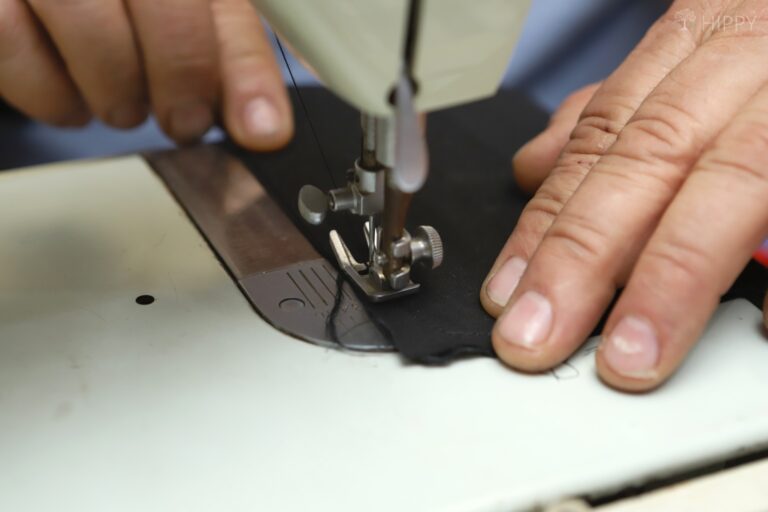
The best place to start if you aren’t a Mr. or Mrs. Fix-It is with patching or stitching your clothes, shoes, and gloves when they get a blowout or tear. It’s easier to learn than you think, and incidental damage like this is hardly ruinous to the items in question.
I shudder to think how many perfectly good, serviceable things I threw away before I learned to fix them, and how much money I wasted!
All you need is a sewing kit and a little bit of practice, and you can get detailed step-by-step walkthroughs on the internet to guide you.
Sell Your Products to Neighbors or at a Farmer’s Market
Your final goal for your first year of homesteading is to sell or barter some of your products or skills…
Did you bring in a bumper crop of garlic? Trade it to a neighbor for some tomatoes. Have you perfected a truly effective and aromatic household cleaner? Why not sell some of it at a local market or festival?
If you are handy with a needle and thread or have a knack for cranking out high-quality compost, both of those will be valuable to the people around you, especially to the people that are like you. In return, you can get things that you need and foster better, closer relationships with your neighbors. That’s part of what homesteading is all about!


Tim is a farm boy with vast experience on homesteads, and with survival and prepping. He lives a self-reliant lifestyle along with his aging mother in a quiet and very conservative little town in Ohio. He teaches folks about security, prepping and self-sufficiency not just through his witty writing, but also in person.
Find out more about Tim and the rest of the crew here.