
Looking back on my own homesteading journey, I’ve got nothing but happy feelings for the trials, tribulations, and challenges that got me to where I am today. Well, mostly happy feelings.

Some of my early experiences were learned the hard way, the way that life usually teaches us, which is to say backwards: we get the test first, then we get the lesson! I’m not bitter about it, but if I could go back and do things over, I would have done things differently.
Specifically, there are tools and other assets that I ignorantly didn’t have when I embarked upon this lifestyle. If you’re thinking about making a go of homesteading, or already underway yourself, keep reading and I’ll tell you about ten things that I really wish I had when I was in your shoes.
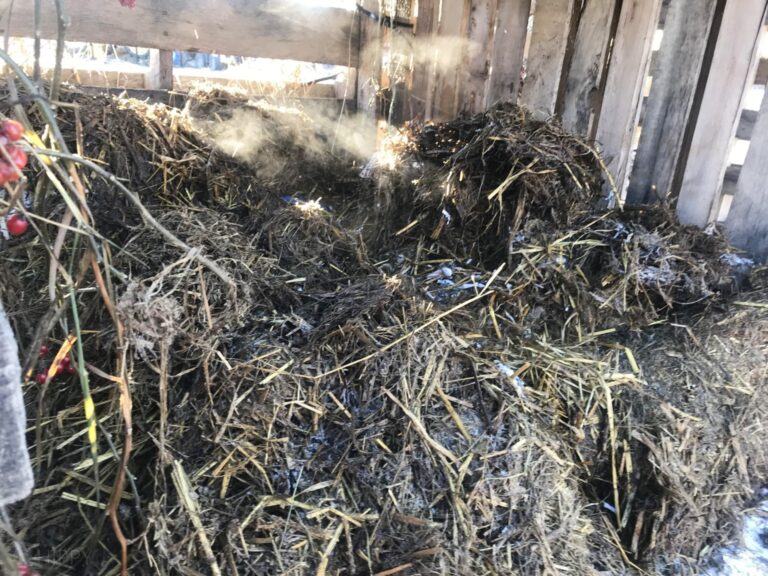
Compost Bin
Gardening and homesteading go hand in hand. And if you aren’t gardening, maybe you’re going to make a proper go of larger-scale farming. In any case, only rank novices believe that all ground is the same when it comes to growing fruits, veggies, and other plants.
Soil quality, nutrient levels, texture, composition, and more all make a huge difference. If your soil is substandard, amending it with compost is one of the best, easiest, and cheapest things you can do to slowly and surely turn it into black gold.
There are lots of ways to make compost, but having a good bin specifically for the purpose improves efficiency, keeps mess to a minimum, and helps to deter pests and other unwanted critters. Don’t wait; buy or build one as soon as you can.
Rope and Tackle
If you know how to use rope, and I mean really use it, it’s virtually a superpower. Hoisting, securing, pulling, stretching, and a whole lot more. It’s all possible with a working knowledge of knots and a little bit of tackle, like a good pulley.
Believing you can get by just winging it or making do with the lame coils of dollar-store stuff was one of my grave mistakes early on. I wasted a lot of time and effort, damaged materials, and, in truth, there were a few close calls that could have been disastrous.
Don’t be like me: get yourself a good length of natural rope made from manila hemp or a super-strong synthetic like the kind made for winches. You’ll be glad you did.
When you visit a link in this article that takes you to a different website where you can purchase something, I may earn a commission. Read my full disclosure for more details.
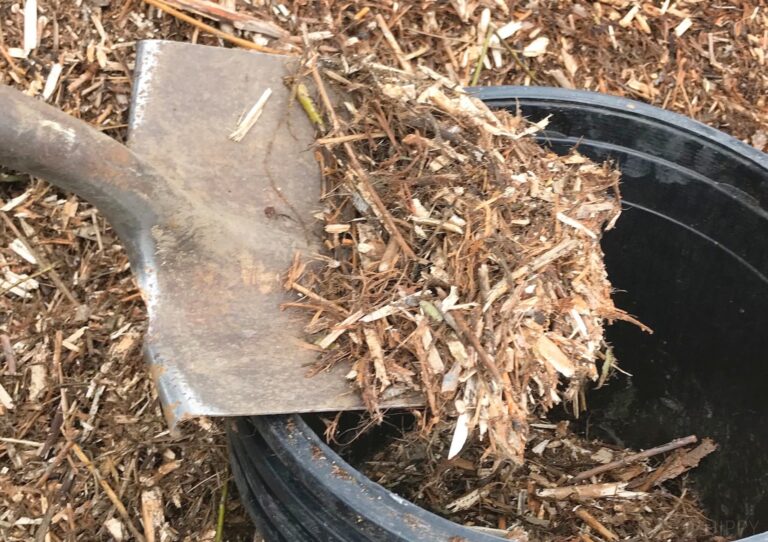
Scoop Shovel
Every homesteader has to have a good shovel. I’ll bet you’ve got one right now. But if you’ve been trying to do all your work with the classic digging shovel or spade, you’ve probably been working a lot harder than you have to on some chores.
For shoveling loose materials like dirt, mulch, compost, and yes, even manure, you need a scoop shovel. A scoop shovel allows you greater capacity, better control, and the use of less effort for these common chores than a typical spade.
It seems like a small thing, and I guess technically it is, but once you make the switch, there’s no going back.
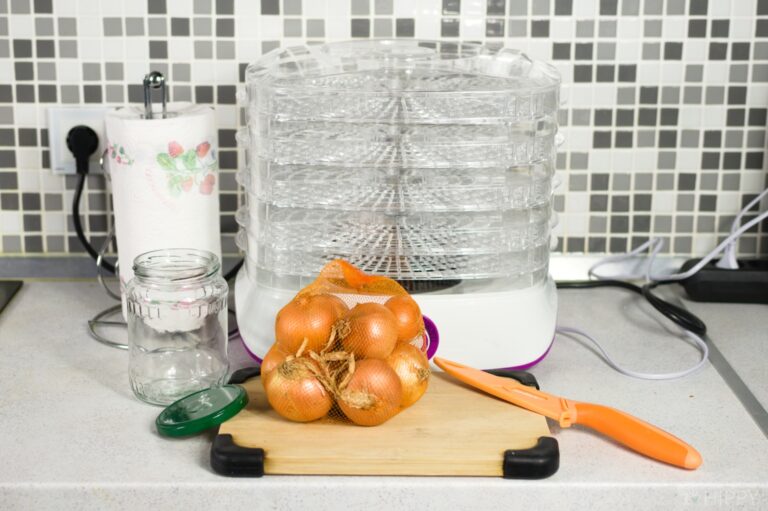
Food Dehydrator
Preventing food waste and keeping a stash of food on hand is always important, whether you’re homesteading or not. But for homesteaders specifically, particularly those of us who are living off-grid or just in a “minimally consumptive” capacity regarding resources, it’s a mandate.
Sadly, refrigerators and freezers are power-hungry, and that means they are a no-go for dependable food preservation. A much better option, and one that uses a fraction of the power, is a food dehydrator.
These little countertop marvels can turn all kinds of foods, from meats and veggies to fruits and even sauces, into shelf-stable items at room temperature for months on end. Totally indispensable; get one!
Root Cellar
Carrying on with food preservation, a root cellar is a great thing to have when you need cold storage. Basically, it works like an all-natural fridge! Root cellars are temperature-stable, humidity-stable, and the perfect place to stash produce and other foods to greatly extend their shelf life.
Now, not all properties and all climates can support a good root cellar, but you don’t have to dig a hole on the side of a hill or under your house to benefit from one: a chilly basement or even a particularly cold closet or pantry can do the job in a pinch.
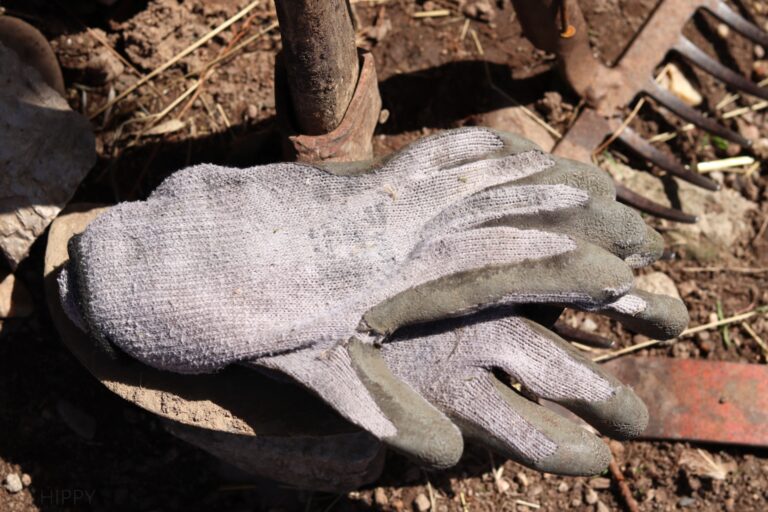
Good Gloves
If there’s one thing that every homesteader has in common, it is putting in tons of work with their hands. Yes, your mitts will toughen up in time, but you’ve got to take care of them and protect them. Letting your hands get too beat up or injured might take you out of action, and that’s going to put you behind schedule!
Invest in a good pair of gloves. And I mean a good pair! This is another category where being cheap doesn’t save you any money. Nice leather work gloves and the heavy, woven cotton “logger” gloves are indispensable.
Toolbox Saw
Sometimes called a handyman saw, this simple, short handsaw is among my very favorite tools. Designed with teeth that cut on the pull and push stroke, a toolbox saw is just the ticket for quickly cutting stock to length or trimming back a stubborn branch, among other tasks.
It’s heavy-duty, portable, and something I reach for almost every day when I’m doing repairs, construction, or tidying up around the property.

Rain Barrels
Water is yet another precious resource on a working homestead. Just because you’ve got access to a well, stream, or even municipal water, you can’t assume you’ll be able to draw from it on demand. Disasters, droughts, and other forces majeure can cut you off from your H2O.
When that happens, you’ve got to have a readily accessible supply for your sake and for the sake of your animals, if you have any.
Rain barrels are cheap, effective, and easy to implement into your water plan. I learned that lesson too late, but you don’t have to — that’s a story for another time…
Pocket Ref
One of the handiest books that’s ever been put to print. Think of how many times you’ve ever looked up general info on Google: countless, right? Now, what would you do if you had burning questions that needed answering and, for whatever reason, couldn’t access the internet?
As prolific as it is, that’s the reality for homesteaders sometimes. When you need info on knots, plants, travel plans, building codes, dealing with poisoning, and quite literally anything else you can think of off the top of your head, simply reach for this tiny, pocket-sized encyclopedia.
I’ve got a stained, dog-eared copy that lives on my desk, and it’s always within arm’s reach. It really is that indispensable!
A Mentor
Last on the list but first in importance. If you have a mentor, someone that can show you the ways and show you the ropes, treasure them and show your appreciation. They will make all the difference in your homesteading journey.
I didn’t and had to blunder my way through it, graduating from the school of hard knocks.

Tim is a farm boy with vast experience on homesteads, and with survival and prepping. He lives a self-reliant lifestyle along with his aging mother in a quiet and very conservative little town in Ohio. He teaches folks about security, prepping and self-sufficiency not just through his witty writing, but also in person.
Find out more about Tim and the rest of the crew here.