
If you want a garden, you’ve got to be ready to put in work… There’s no way around it unless you want to hire someone to tend it for you! But as bad as you want a garden of your own, maybe you are intimidated by the amount of work you think it will take. Maybe you’ve tried a couple of times before and found that it is a bit too time and effort intensive for your liking.
Whatever the case, don’t give up: if you want to enjoy all of the benefits and fun of a garden without working quite so hard you need these 20 tips for starting and start putting your garden just a little bit on autopilot. Let’s get right into it.
Plan Your Garden Carefully
Proper prior planning of your garden will improve your results and save you tons of work going forward. If you do nothing else on this list, do this: take the time to analyze your property, the amount of space you’re devoting to the garden and what you are planting where.
Assess how you will get water to the garden, how much space you will need around it and other factors.
Nailing down all of these details will ensure that you start off, and stay, efficient and that will reduce your workload.
Make a Light and Wind Map
I was so fortunate that my gardening mentor saved me from myself after I rode the “struggle bus” with my layout for a couple years. The best piece of advice he ever gave me: make a light and wind map of your garden area, and your property at large if needed.
Figure out where light and shade is at different times of day and in different seasons. Determine where natural windbreaks are and where the prevailing wind comes from.
This will help you locate your plants where they will have the amount of sunlight, and protection from wind, that they need and that means healthier, hardier herbs, fruits and veggies.
Leave Yourself Room to Work and Move
A critical part of planning the initial sowing and also future expansion. If you don’t have enough room to maneuver through and around your garden, everything is going to be a lot harder, more annoying and more error prone. That will sap your willpower to continue! Keep your footpaths at least 12 in wide and that’s a minimum, but 18 in is better.
Plant for a Staggered Harvest
Far and away my favorite garden hack. Learning how long it takes any given fruit, veggie or anything else to mature for harvest is gardening 101. You don’t need me to tell you that. But what I am telling you is that you should stagger your plantings by a couple of weeks when you are first getting them in the ground.
Doing so means you’ll have several smaller but successive harvest so you won’t be in a mad scramble to get everything picked and pulled all at once at the peak of ripeness.
You might think that doing it more than once is wasteful, but it actually makes the whole process a lot more relaxed and enjoyable.
Maintain Your Tools
Fundamentals that your great-granddad lived by: Take care of your tools and they will take care of you, and you don’t have to be a tradesman to benefit from that ethos. Keep all of your gardening tools sharp, free of rust and most importantly clean!
Contaminated tools spread disease like nothing else. Don’t set yourself up for more problems than you already have and you’ll make your time in the garden a lot easier.
Install Drip Irrigation
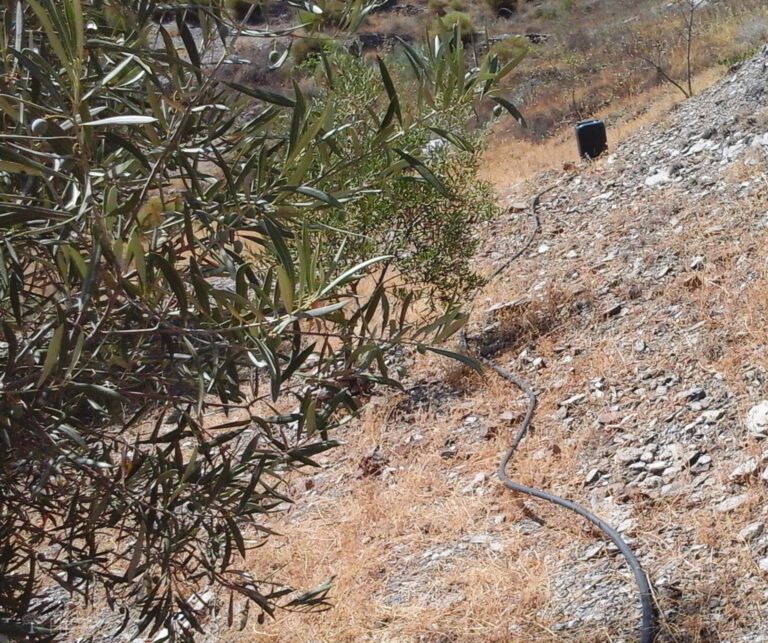
You might love walking out to water your plants, be it with a hose or a watering can, but take it from me: nothing will save you as much time as switching to drip irrigation.
Turning on the water, manually or with a timer, and getting it right where it needs to go without having to walk all around, reposition a sprinkler or do anything like that is better for your plants and a lot easier for you.
Vertical Gardening Methods Save Lots of Effort
A labor and a space saving trick, setting up trellises, arches or even vertical racks for small pots will allow you to do more gardening in a smaller space, and it spares you from having to bend down to inspect or tend to fruits and veggies. Plus it’s easy to make these techniques into a beautiful centerpiece for nearly any design or style of garden!
Stop Problems Before They Start
Said another way, be proactive! Garden troubles tend to be like the dragon under the rug: they start out small and annoying but harmless. Ignore them long enough, though, and they turn catastrophic.
The sooner you identify and intervene with small problems like a minor aphid infestation or an outbreak of powdery mildew, the better off your garden will be. It also saves you exponentially more time! Don’t procrastinate; get on it.
Let Nature Help You Fight Pests
Every gardener that has been in the game long enough learns to despise garden pests. Insects, certainly, but also mammals like rabbits and deer.
Instead of reaching for chemical repellents or pesticides, use plants! Various herbs like lavender, rosemary and mint can work just as well as anything that comes out of a lab.
Companion Plantings are your Friend
If you want to maximize yield while minimizing effort, companion plantings can provide mutual protection for one another while also stimulating growth and suppressing weeds.
There are too many different combinations to get into here, but good ones are low growing ground cover plants alongside tomatoes or corn, or herbs between root vegetables like carrots or beets.
Potting Plants Lets You Reposition or Rescue with Ease
When in doubt, pot it! Potted plants can thrive in your garden and just like ones that are in the ground. You’ll also have the added benefit of being able to move them as needed, to give them more light or shade or to rescue them from rough weather and encroaching winter cold.
Incorporate Your Garden Into an Outdoor Space
Chances are you’ve got enough to do on your property just to maintain it, and certainly you want some time to just enjoy it, you know?
For that reason, kill two birds with one stone by incorporating your garden into an outdoor space that you actually want to inhabit. Wrap it around a shady sitting area or even your deck or patio.
Use Mulch and Lots of It
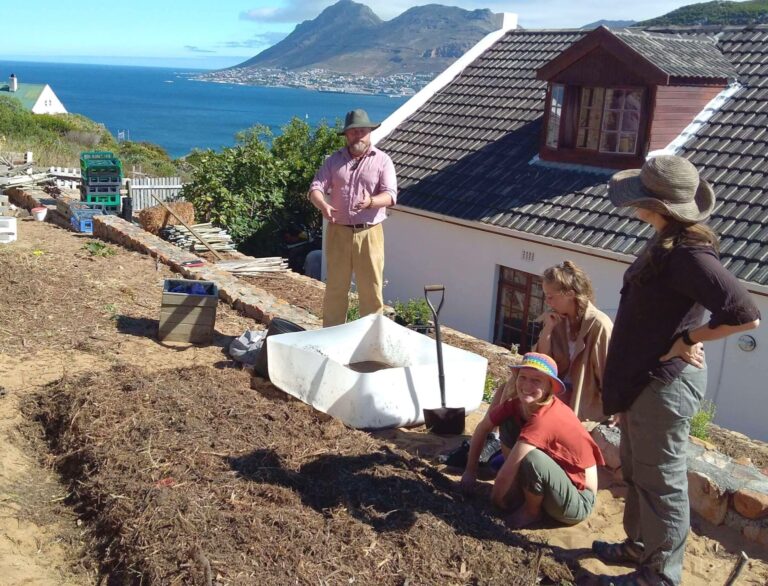
Mulch is an ace in the hole for gardeners, and it does so much with so little effort it’s virtually a cheat code. Mulch helps soil retain water and structure, provides an environment for beneficial organisms, suppresses weeds and regulates soil and root temperature.
A layer that is between two and four inches thick is perfect for most applications, and you can use all kinds of materials from straw and shredded leaves to bark and wood chips.
Choose Perennial Plants When Possible
Planting perennials means you can look forward to returns on your initial effort year after year. At least for several years! Berry bushes, many herbs, and root and bulb veggies like garlic, onions and artichokes will come back as long as they are given a modicum of care and prepped for winter.
Native Plants Often Require the Least Care
If you really want to make your life easy, choosing native flowers, herbs, nuts, berries and the like will dramatically reduce your workload. That’s because species native to your biome are long adapted to living there and require very little care in order to thrive.
Gardens made entirely or mostly of native species are some of the easiest to care for – if you want to go that route!
Stick With Hardy Species and Cultivars
No matter what you are planting, chances are good you can find a type that is more resistant to disease, pests and temperature extremes than the normal. For instance, if you are planting carrots consider Chantenay or Danvers Half Long; both show great resistance to disease and heavy or clay soils.
Don’t Leave Empty Space
Empty space is to be avoided in your garden. Not just because you are missing an opportunity, but because if you don’t feel an empty space nature will take care of it for you and it will usually be in the form of weeds, fungi, and other things you don’t want around!
If you don’t have a plan for an empty patch, cover it completely in mulch, weed barrier or cover crops like clover until you do.
Try Raised Beds for Easier Tending
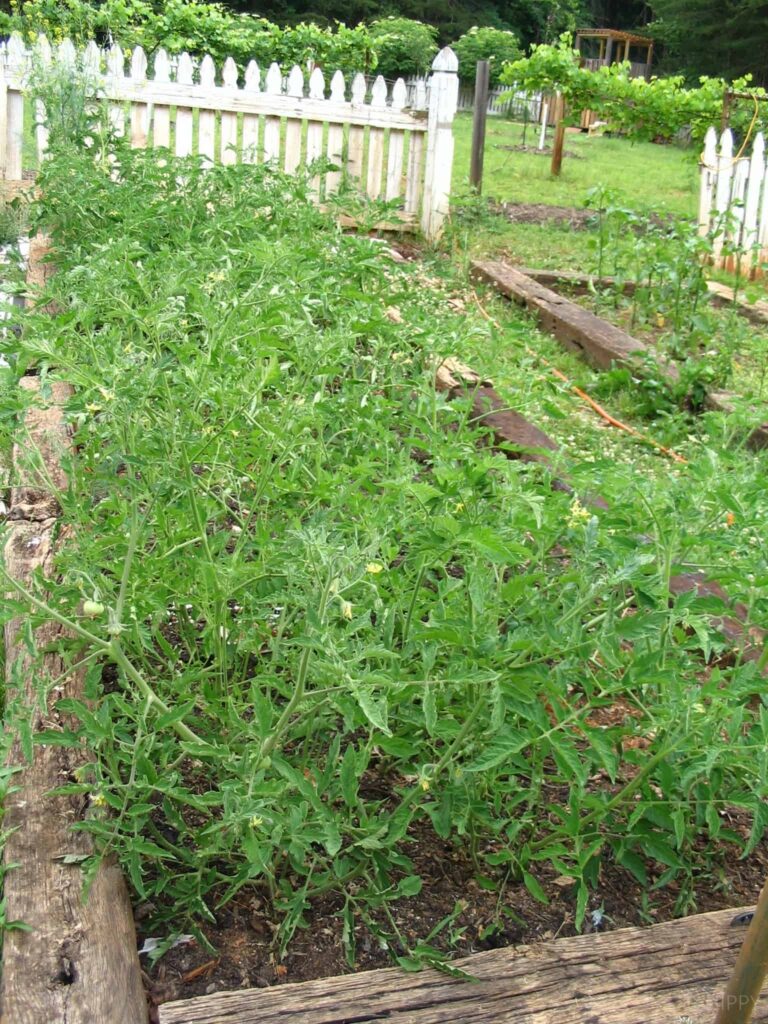
I was against raised beds, at first! In time I have grown to appreciate them. Not having to stoop over as much and scoot along down on my knees or on my butt saves lots of aches and pains, and it can do the same for you.
Raised beds also give you more control over soil conditions which will make your job easier, too.
Garden Above the Surface
For the ultimate in convenience and performance, consider above-ground lasagna gardening or hugelkultur.
Both are basically open raised beds made up of layers of mulch and other organic matter that is left to decompose before being topped with rich soil or compost. You won’t have to deal with digging or tilling, and your plants will thrive with less input from you.
Now, if this is something you want to try take your time and do your research: there are several different ways to implement both techniques, and you’ll have to put in some upfront labor to benefit from it. Do it right and reap the rewards, but botch it and you’ll have a bit of a mess to clean up.
Dispose of Waste and Diseased Plants Properly
Pulling weeds, yanking dead, dying or diseased plants and picking up drop foliage, blooms and fruit is all part and parcel of having a garden. Naturally, you don’t want to leave this stuff lying around but did you know that how and where you get rid of the waste can impact the rest of your plants?
It’s true! Diseased, infested or rotting plant matter should be disposed of well away from your garden. If you’re dealing with infectious diseases or a gnarly swarm of the sap sucking insects, consider burning it.

Tim is a farm boy with vast experience on homesteads, and with survival and prepping. He lives a self-reliant lifestyle along with his aging mother in a quiet and very conservative little town in Ohio. He teaches folks about security, prepping and self-sufficiency not just through his witty writing, but also in person.
Find out more about Tim and the rest of the crew here.