
For many gardeners, the approach of winter signals the end of the harvest. Most of our plants, including most of our veggies, die off or go dormant when the mercury starts to plummet. I hope you’ve been stocking up your root cellar and pantry because the fresh veggies will definitely stop coming.
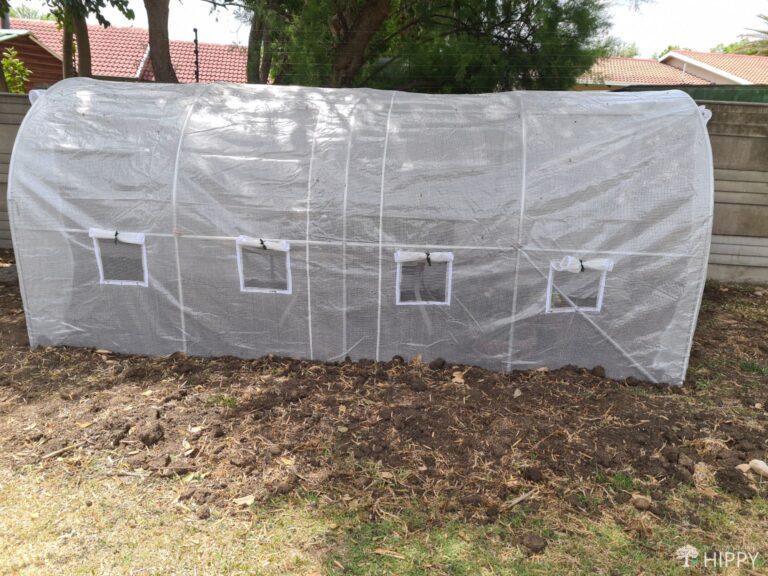
Or will they? It turns out that if you have a greenhouse, you can still grow and harvest all kinds of veggies throughout the winter. There’s a limit to how low temperatures can drop before some vegetables will no longer tolerate it, but you have a much bigger selection than you might think.
In this article, I’ll be telling you about some awesome greenhouse-ready vegetables you can grow in the wintertime.
How Much Warmer Will Your Greenhouse Be in the Winter?
Before we get to the list, a couple of things you need to consider: Greenhouses aren’t magic. Without a heat source, they won’t turn a blisteringly cold winter day into a warm and balmy spring.
What they will do is create significantly warmer ambient temperatures. Assuming the greenhouse is properly designed, positioned, insulated, and oriented to take advantage of maximum sunlight, the interior of the greenhouse can be anywhere from 20°F to 40°F warmer than the outside air temperature. That’s assuming it’s getting full-value sun, of course.
Even at night, greenhouses make a difference, keeping the interior anywhere from 5°F to 10°F warmer. Not nearly as much, but still significant!
If you’re willing to heat the greenhouse, you could keep internal temps even higher, though this can get expensive fast. Just keep this temperature gradient in mind when you are making your veggie selections or comparing different varieties for suitability.
Okay, disclaimer over. Let’s get to the list…
Broccoli
Minimum Temperature: 30°F to 40°F depending on the variety.
Broccoli is one of the very best cool-season veggies, and in many zones, it can thrive through the winter even without a greenhouse. But for truly frigid environments, it will develop quicker and produce full, bountiful florets if you keep it protected.
The trick to growing broccoli in a greenhouse is to ensure good air circulation; air inside greenhouses tends to get stagnant and humid, which is just the thing to give devastating fungal diseases a foothold on your broccoli.
Consider installing a small solar-powered fan or some other device for ventilation, and your broccoli should do fine.
Brussels Sprouts
Minimum Temperature: 20°F or a little lower. Grows better when it’s warmer, around 45°F to 50°F.
Brussels sprouts are another fantastic cold-weather veggie, and pulling out an intact, full stalk for a winter holiday meal is genuinely impressive!
Assuming winters in your area are fairly mild and temperatures only fall to the mid-20s during the day, your Brussels sprouts will perform wonderfully in a greenhouse. Just make it a point to keep the soil in their container or on the ground mulched to help hold in moisture.
However, as you probably already know, Brussels sprouts need a lot of room. Depending on the size of your structure, your winter yield might be reduced, or you’ll have to commit more space to growing them.
Lettuce
Minimum Temperature: 32°F to 45°F
You can grow pretty much any lettuce variety you want in a winter greenhouse. That’s because all of them are at least cold-hardy, and many seem downright unaffected by it!
Only the coldest winters, or seriously drafty greenhouses, will cause problems. One cold-weather variety perfect for this application is Tom Thumb, though there are plenty more.
Surprisingly, your biggest winter greenhouse challenge with lettuce might be warm days: a sudden break in cold weather, combined with clear skies and intense sun, could raise interior temperatures enough to risk your lettuce bolting! Keep an eye on the forecast.
Arugula
Minimum Temperature: 20°F to 40°F
Arugula is an awesome leafy vegetable for adventurous eaters—if lettuce can be considered adventurous, that is! Peppery with a complex flavor, arugula is fantastic in salads, on sandwiches, and in lots of other recipes. That spiciness makes it a worthy inclusion in your winter greenhouse lineup.
It also tends to be quite hardy, and it’s easy to care for, like kale and spinach. Make sure you water it regularly, but ensure that it has good drainage and is allowed to dry out between waterings. Fungus and root rot are your two biggest threats in a greenhouse…
Cabbage
Minimum Temperature: Most varieties are good down to 20°F. Note: seeds require warmer temps to germinate.
Cabbage can be an inspired choice for a winter veggie, but you’ve got to plan smart. Most cultivars take a long time to develop and mature, and like I said above, the seeds require warmer temps to germinate, meaning you’ve got to get them started nearer the beginning of fall.
But if you pick fast-growing varieties like Parrel, Red Express, or Savoy Express—ones that typically mature in just a couple of months—you can plant them much later in the fall if you can depend on your greenhouse to keep the daytime temperatures mild, around 45°F or a little warmer.
Radishes
Minimum Temperature: Around 30°F.
Radishes are fast-growing and loved by gardeners for their spicy taste and extremely rapid growth. Several cultivars are ready in just three weeks! They also tolerate cool temps quite well, and together these attributes make them awesome for our indoor winter veggie garden.
Just like planting them outside, you should make sure their soil stays moist. Consider succession planting them. They grow so quickly that this can ensure a continuous supply and also give you time to handle and process a batch post-harvest.
Turnips
Minimum Temperature: 25°F
Turnips can tolerate even colder temperatures than radishes, and their growth habit is quite similar, even if most don’t grow quite as quickly, even when harvesting them as babies.
Inside the greenhouse, treat them just like you would in the garden. Consistently moist soil and proper spacing are key.
Just like normal, plant the seedlings prolifically and then thin them out to the correct intervals once they’ve sprouted. That way, you can be sure of a bountiful harvest…
Kale
Minimum Temperature: 20°F
One of the healthiest leafy vegetables around, and also one of the toughest, kale can easily shrug off all but the worst winter weather.
Like many cold-season veggies, lower temperatures will improve the flavor and texture, and you won’t have to change a thing about your process to successfully grow it in your greenhouse.
As ever, make sure your kale gets consistent, even watering, and keep a sharp eye out for aphids that might be surviving, unknown to you, in your greenhouse since the fall.
Don’t forget that you can harvest young leaves as baby kale in about a month and a half, and do so all winter long.
Spinach
Minimum Temperature: 25°F to 40°F, depending on the variety. Generally tolerant of cold spikes.
Super nutritious, fast-growing, and versatile in all kinds of dishes, from casseroles to soups, this is one of my very favorite vegetables to grow in a winter greenhouse.
Like kale, assuming you take care of its water needs, you won’t have to change much about your usual procedures. If you’re growing spinach in a container, though, ensure that it is well-draining to avoid root rot.
Staggering quick-growing varieties like Regiment, Double-Take, or Oceanside will let you start picking baby leaves in just 3 to 4 weeks, or mature heads a few weeks after that. That way, you can have fresh, tender spinach all winter long!
Carrots
Minimum Temperature: 15°F
One of the ideal vegetables for our purposes! Carrots actually get sweeter and develop a crisp, tasty texture after going through a couple of frosts.
In short, as long as your greenhouse is properly insulated, you don’t have to worry about it getting too cold unless you live close to the Arctic Circle.
Do take care of soil conditions, though, as always. Whether you have them in beds, containers, or directly in the ground, you’ve got to keep the soil loose and properly draining for correct root development. Watch out for freeze-thaw action if you have them directly in the ground.
Parsnips
Minimum Temperature: 20°F
A root veggie that is rightly famous for cold hardiness, parsnips, and carrots make a killer combo in a winter greenhouse.
Compared to carrots, parsnips get even sweeter and more delicious once they experience really low temperatures, so an unheated greenhouse is perfect for them. Even plunging nighttime temps won’t affect them as long as it doesn’t go below 20°F.
Like carrots, they should be planted in deep, loose, well-draining soil. Large bins or raised beds inside the greenhouse are ideal for them.
Just like growing them outside in the garden or in a raised bed, take care to manage spacing so each of them has good airflow and plenty of light. After that, all you need is patience.
Onions
Minimum Temperature: 20°F to 25°F, development is considerably better at 40°F or a little warmer.
Another stupendous choice for greenhousing in the winter. That’s because cooler, steady temperatures give onions the time they need to fully mature and develop great flavor without running the risk of damage or bolting. It works wonderfully, and now I grow onions in the spring and winter.
Make sure yours have good drainage and get plenty of light. Thin out those seedlings early on to prevent overcrowding, which can disrupt them.
Note that you can grow any kind of onions you want in a winter greenhouse, not just traditional winter varieties.
Leeks
Minimum Temperature: 25°F to 30°F
Crisp, tasty, and mild, leeks benefit from some light frost, but too much can easily kill them, and a hard freeze is a death sentence.
Plenty of gardeners have tried to play this game and lost, as winter approaches. That long time to maturation will get you in trouble—ask me how I know!
You’ll have much better control over your leeks and accordingly better outcomes by greenhousing them.
Celery
Minimum Temperature: Around 50°F or slightly warmer.
Celery is a workable winter veggie inside a greenhouse with the right preparation. The problem is that the seeds need quite a long time to mature, and some varieties need upwards of seven months! You might as well not waste your time in that case.
But if you pick speedy varieties like Tango and live in a place with mild winters, or if you have a heated greenhouse, it can germinate and reach harvest size in just three months. Start in the fall, keep the soil moist, and it will do fine.
Peas
Minimum Temperature: 40°F nominally, can tolerate as low as 20°F for short spells.
Peas are one of the very best cool-weather legumes out there. Though they grow best at temperatures of 40°F or above, you don’t have to worry if the thermometer dips down to the 20s, as long as it doesn’t stay there too long.
Care for your peas as you normally would in the greenhouse, but take care when picking the variety: Tall climbing varieties can easily become troublesome. Pick a shorter climbing variety or a bush type to make them easier to manage in a confined space.

Tim is a farm boy with vast experience on homesteads, and with survival and prepping. He lives a self-reliant lifestyle along with his aging mother in a quiet and very conservative little town in Ohio. He teaches folks about security, prepping and self-sufficiency not just through his witty writing, but also in person.
Find out more about Tim and the rest of the crew here.