
I know lots of gardeners who have mixed feelings about the approach of winter. On the one hand, it’s time to wrap things up and give your garden a rest until spring. On the other, it means no more fresh veggies for a while! That’s a bummer for sure, but it’s just the way it is…

Or is it? Turns out there are quite a few veggies out there that can easily withstand frigid winter weather and keep producing, and I’m not talking about overwintering veggies like garlic that are harvested in the following spring.
If you have the gumption for it, the 10 hardy veggies we will look at in this article can keep your pantry padded with delicious, fresh produce for all of your favorite recipes. Grab your gloves and your coat, and let’s get into it.

Brussels Sprouts
- Cold Hardy To: 20°F / -7°C or a little lower.
- Winter Harvest?: Yes, taste improves after a frost.
- Overwinters?: Possible, but only in milder climates as a rule. Typically harvested in winter.
- Tips: Mulch around the base of the plant heavily to protect roots from freezing. Staking can help prevent collapse in case of heavy wind or snow. Protect or relocate plants if sustained sub-20°F (-30°C) temperatures are expected.
One of the most well-known winter veggies is also one of the most contentious. When it comes to Brussels sprouts, you either love them or hate them, with not much in between! But you might come to appreciate them if you are missing fresh, nutritious greens during the colder months.
Brussels sprouts can easily withstand freezing weather, and even if the temperature dips below 20°F (-7°C) for a time, it won’t negatively affect them. They are one of many plants that actually improve in quality after a frost.
But if the temperature is going to be below the minimum for an extended period, you need to harvest them if they are ready, protect them with row covers, or dig them up, pop them in a large container, and bring them inside.
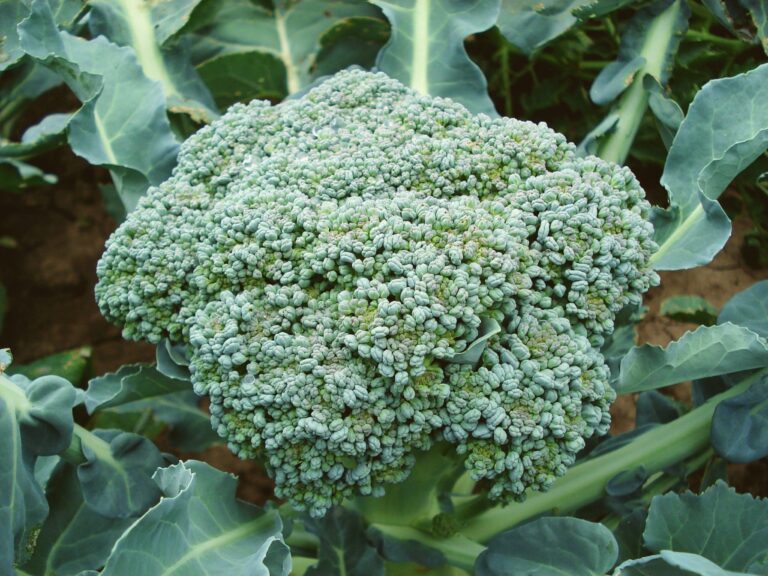
Broccoli
- Cold Hardy To: 30° to 40°F (-1°C to 4°C)
- Winter Harvest?: Yes.
- Overwinters?: Possible in areas with mild winters or if given adequate protection.
- Tips: Heavy feeder, fortify soil with needed nutrients in fall. Mulch around the base to insulate. Use row covers to protect against bouts of very low temperatures.
Broccoli is an awesome and versatile winter veggie that’s perfect in soups, casseroles, and lots of other filling, warming recipes.
If you live in an area with a mild winter, broccoli will be easy to plant and maintain, even if you’re getting regular frosts or light snow. You only need to worry when the temperatures drop and stay below the minimum.
Sustained cold temperatures will actually improve the flavor and texture of broccoli, as it is damaged by heat.
If you want an awesome broccoli harvest, take care to give it the food it needs early in the fall. As always, this veggie is a big eater, and harsh conditions combined with a lack of nutrients may result in a stunted, puny, or flavorless crop.
If the weather turns against you, don’t worry: use row covers or cloches to give them a little protection.
Cauliflower
- Cold Hardy To: 30°F (-1°C). Can go below this for brief intervals.
- Winter Harvest?: Yes, but timing is everything. Hard freezes will damage it.
- Overwinters?: No. It will rarely survive the entirety of winter intact.
- Tips: Choose cold-weather varieties like Snowball or Amazing. Protect immediately if temperatures fall below 30°F. Fertilize in fall prior to planting; another heavy feeder!
Cauliflower is a lot like broccoli in terms of cold-weather resistance, but it’s not quite as resilient; hard freezing will severely damage the dense heads, ruining your harvest.
The trick to minimizing stress and maximizing returns is to pick a good winter variety, plant in early or mid-fall, and protect your plants the moment sustained temperatures dip below 30°F / -1°C.
Cold frames, row covers, greenhousing, or anything else will make all the difference. And just like with broccoli, make sure you fertilize early prior to planting because cauliflower gobbles up nutrients.
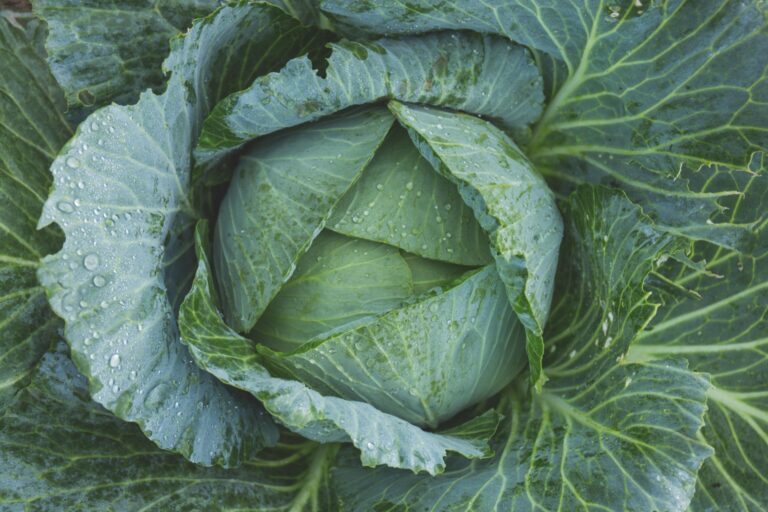
Cabbage
- Cold Hardy To: 20°F (-6°C) for cold-hardy varieties like Savoy and January King.
- Winter Harvest?: Yes.
- Overwinters?: Yes, in lower growing zones.
- Tips: Heavy mulching helps to retain moisture and protect roots. Choose extra cold-hardy varieties and give preference to types with compact heads that resist freezing. Frost or light freeze is okay, but protect from heavy or sustained freezing.
This won’t be a surprise to some gardeners: there’s a very good reason that cabbage is such a mainstay food in countries that are notorious for long and brutal winters.
Most varieties do just fine with temps all the way down to freezing, and varieties optimized for seriously cold conditions will be just fine even lower—even when they are covered with snow!
Don’t be afraid of that cold weather either, because it will only help to sweeten your cabbage and improve the texture.
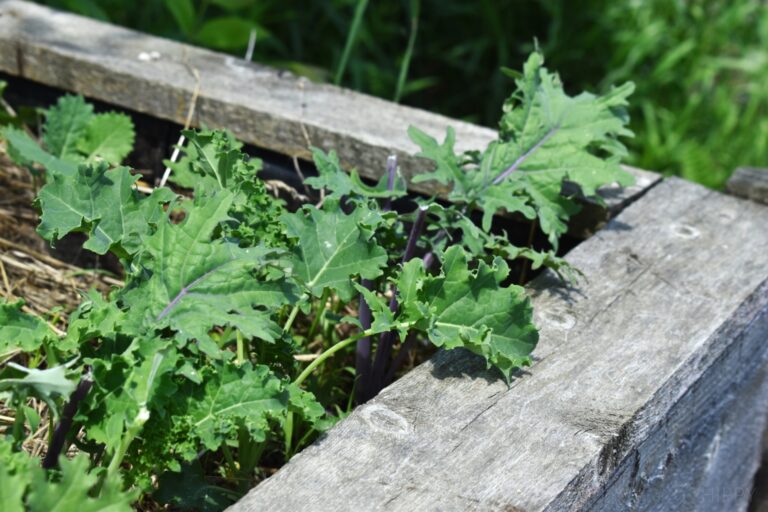
Kale
- Cold Hardy To: 20°F / -6°C
- Winter Harvest?: Yes! Thrives in cold and sweetens.
- Overwinters?: Yes. Many varieties will produce again come springtime.
- Tips: Repeated frost will improve texture and taste. Keep soil moist, especially during dry spells. In severe cold, use row covers or cold frames to extend harvest. Can be picked early as baby kale. Heavy snows may crush plants.
One of the healthiest salad veggies you can get is also one of the very best winter vegetables. Kale laughs off all but the very worst winter weather.
Pretty much every variety out there can withstand temps as low as 20°F in perpetuity, and short dips even lower won’t hurt it. Like most of the plants we’ll look at in this article, frost is your friend when it comes to flavor.
However, even though the cold itself isn’t an issue, winter weather can be: heavy snow can crush and flatten your plants, damaging them. Plus, if the temperature is going below 20°F for a long time, you’ll still need to protect your crop with row covers.
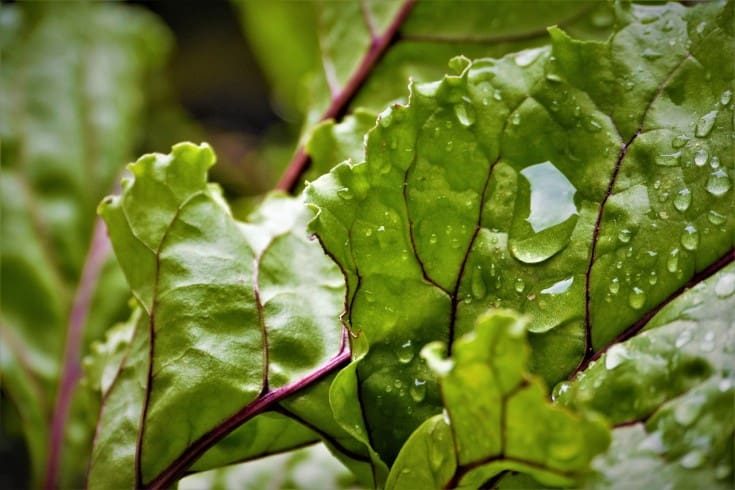
Beets
- Cold Hardy To: 28°F / -2°C
- Winter Harvest?: Yes, after the first frost.
- Overwinters?: Yes, and does so wonderfully.
- Tips: Direct sow in early fall, harvest after the first frost for best sweetness and texture. Heavy mulching will protect developing roots from freezing. Harvest greens early because a hard freeze will kill them.
These tasty, versatile root veggies are winter gardening all-stars. Beets, like most root veggies, are designed to withstand harsh winter weather, and they do so by accumulating energy, meaning sugar, in that large, main taproot. Low temps, frost, and modest freezing conditions are just signals that they need to settle in for the long haul.
In the winter, you won’t need to do much except protect them from truly harsh conditions with mulch, covers, cold frames, or some other solution.
Note that the greens are significantly more vulnerable than the roots themselves, and if you want to eat the greens, you should harvest them before they get freeze-damaged; the roots will keep.
Turnips
- Cold Hardy To: 25°F
- Winter Harvest?: Yes.
- Overwinters?: Yes, in most places. Might be damaged by intense Northern winters.
- Tips: Harvest greens early, lay down heavy mulch to keep the root insulated. Don’t hesitate to use row covers, frames, or cloches to protect them in really bad conditions.
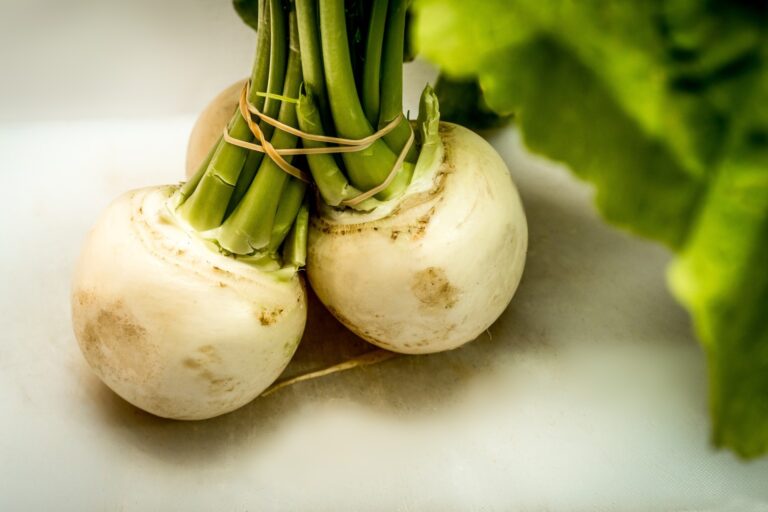
You can treat turnips just like you would beets for our purposes; these bulbous root veggies accumulate sugar and other nutrients so they can survive until the following spring, go to seed, and reproduce. Frost and snow won’t faze them as long as the temps stay above 25°F much of the time.
Just like beets, you should harvest the greens, if you want to eat them, before they suffer from freeze damage because that will ruin them. Take care to protect the roots themselves if the temperatures are going to fall below the minimum and stay there for days on end.
Radishes
- Cold Hardy To: 25° to 30°F (-4°C to -1°C), depending on variety.
- Winter Harvest?: Yes, especially winter varieties like Icicle and Daikon.
- Overwinters?: No. Radishes grow very quickly and turn woody and gross if left in the ground too long.
- Tips: Plant in mid or late fall for a winter harvest, mulch heavily for insulation and moisture, cover if frost or freezing conditions persist.
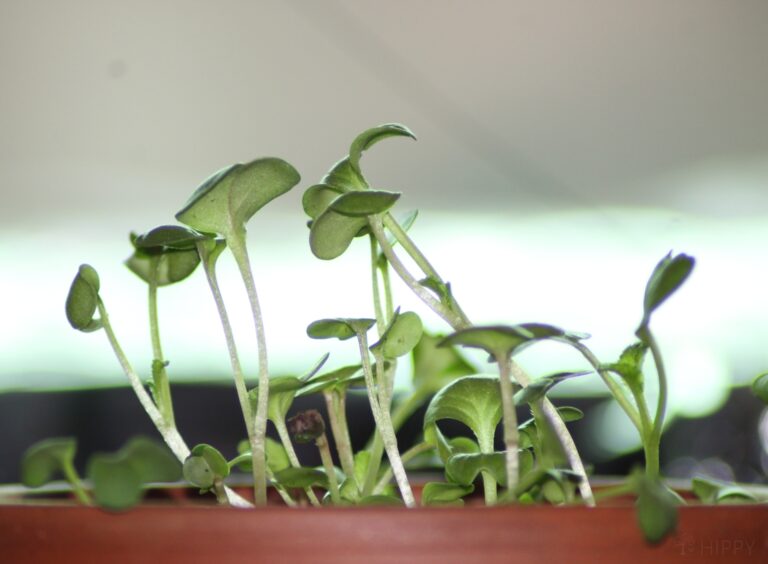
Peppery, crisp, and very quick-growing, radishes might just be the perfect winter veggie. All varieties worth eating that I know of withstand below-freezing conditions, and some specific winter varieties are good to significantly below freezing with a little protection.
Treat radishes like you would beets or turnips with just a couple of modifications: as before, harvest those greens before they get killed by the freeze if you want to eat them, and harvest the radishes as soon as they are ready.
Don’t leave them to overwinter because they will turn woody and nasty, unlike beets and turnips.
Carrots
- Cold Hardy To: 15°F / -10°C
- Winter Harvest?: Yes!
- Overwinters?: Possible with some protection or heavy mulching in warmer areas.
- Tips: The first frost will improve carrot taste and texture. Prevent ground from freezing with heavy mulching or row covers. Plant early in fall, no later than mid-fall, so the taproot has time to develop before the worst weather.
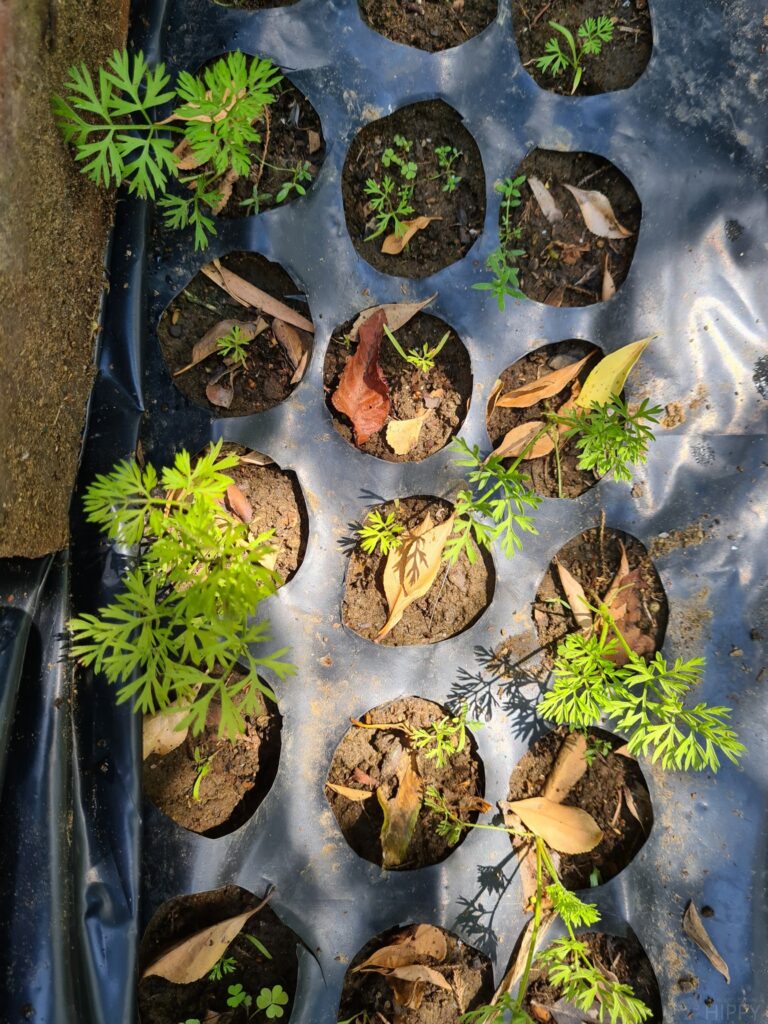
Carrots might be the very best winter veggie out there. They are incredibly cold-resistant, improve with frost, and in many areas, they can overwinter all the way to spring if you want them to. The only tricky part is timing the planting to coincide with your desired harvest.
A good rule of thumb is early fall or no later than mid-fall, depending on how harsh your winters are. You’ve got to be sure that the taproot is well-developed and stockpiling sugar and nutrients before the worst weather arrives.
Also, use mulch, straw, or row covers to prevent the ground from hard freezing; repeated freeze-thaw action can damage the root.
Parsnips
- Cold Hardy To: 20°F / -7°C
- Winter Harvest?: Yes!
- Overwinters?: Yes, with mulching or protection as needed.
- Tips: Frost improves taste and texture. Use mulch or row covers to help prevent hard soil freeze. Plant on the early side so the taproot has time to mature.
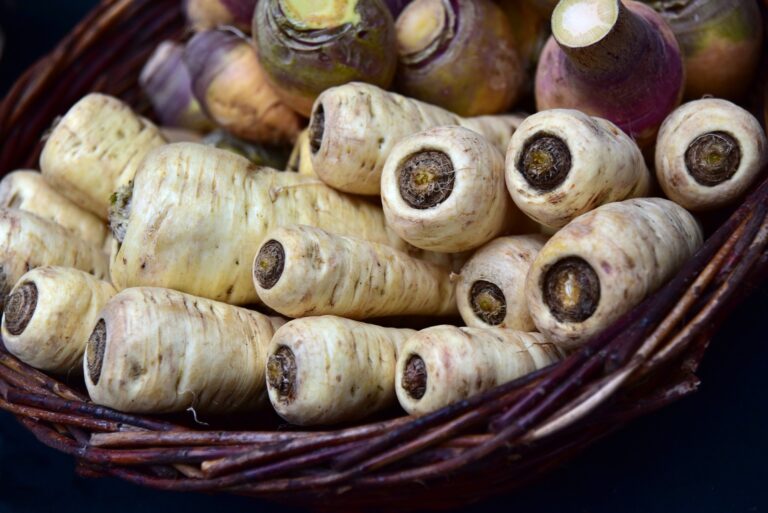
Parsnips, if you are unfamiliar, basically look like white or cream-colored carrots. Don’t confuse them with carrots, though, because they have a significantly different flavor profile. But they don’t differ very much from their cousins when it comes to winter care.
Get them in the ground early in fall so they have time to mature and brace for oncoming winter weather. Heavy mulching or row covers will prevent hard ground freezes, which can be terribly destructive.


Tim is a farm boy with vast experience on homesteads, and with survival and prepping. He lives a self-reliant lifestyle along with his aging mother in a quiet and very conservative little town in Ohio. He teaches folks about security, prepping and self-sufficiency not just through his witty writing, but also in person.
Find out more about Tim and the rest of the crew here.