
There is seemingly no end to the bounty that nature can furnish for us. There are all kinds of plants that can provide us with food, health benefits, and a lot more. The trick is knowing what you’re looking for, where it grows, and when it grows.

One of my favorite times to forage for wild edibles is in the autumn… You might think that lots of plant life would be on the retreat with the approach of winter, and it is, but there’s such a great variety yet to harvest that you can spend an afternoon foraging and come back with a real bounty!
If you are ready to enjoy the crisp air, cool weather, and the tastiest, most useful fruits, herbs, and fungi that nature can provide, keep reading, and I’ll tell you about 20 of the best to be on the lookout for.
Caution: You Must Positively Identify What You Are Gathering!
Really quick before we get going, a mandatory safety brief: it is critical that you positively identify every single thing you are gathering. Making a mistake could make you terribly sick or even kill you!
Lots of plants and berries have harmful or even deadly look-alikes, and if you are going out mushroom hunting, the stakes can be even higher. If you are a beginning forager, make sure you take a seasoned pro with you and, preferably, a good guidebook.
If you are unsure about anything you have gathered, test it for safety or just don’t risk eating it! With that said, happy hunting!
Oyster Mushrooms
One of the most beloved wild mushrooms out there, you’ve probably had oyster mushrooms before if you’ve ever had a dish featuring mushrooms from a restaurant: it is a constant fixture in stir-fries, soups, and side dishes.
Named for its vaguely briny and seafood-like taste, they can be found year-round, but rotting, fallen wood in the fall will produce a bounty of them. These bright white shrooms grow in clusters and are easy to identify, but triple-check them because it’s possible to confuse them with dangerous varieties.
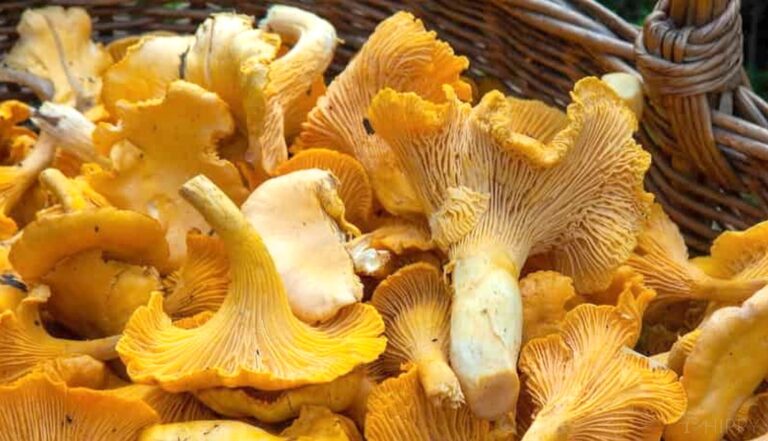
Chanterelle Mushrooms
For many foragers, mushrooms are where it’s at. That earthy, umami flavor and the thrill of the hunt are all the reward that most people need! Among wild mushroom hunters, chanterelles are high on the priority list…
They’re one of the most prolific fall mushrooms, especially after a bout of rainy weather, and they are incredibly delicious in all sorts of dishes.
Best advice for tracking them down: look for them in any area that supports a lot of moss because these mushrooms won’t grow in environments with even a little harmful contamination. Oak, pine, and birch forests are all great places to check.
Chicken-of-the-Woods
This hilariously named and bizarre-looking mushroom is my go-to fall pick for greenhorn mushroom hunters. That’s because it can’t really be mistaken for anything else!
Chicken-of-the-Woods has a mild, slightly savory flavor, meaty texture, and it looks exactly like its name suggests: it looks like layers of pink, raw chicken breasts!
Like so many mushrooms, find this one on any decaying wood, especially oak trees. It can reliably be found across the entirety of the US.
Cranberries
Cranberries are one of the best-known fall and winter berries, and not only do they grow sweeter with successive frosts, but they are even capable of surviving multiple light freezes. This means you’ll dependably be able to find them very late in the season or even clear into winter.
Cranberries make amazing juice, preserves, desserts, and snacks when dried, but be warned: if you are eating them right out of hand, they are punishingly astringent! They’ll really pucker you up, but cranberries are also well-regarded for their excellent antioxidant properties.
Look for cranberries growing in all wetland and marshy areas, particularly throughout the northern United States.

Grapes
It’s easy to forget that grapes will grow well into the fall, and more importantly, they grow sweeter and more palatable after frost.
Whether you want to eat them out of hand, turn them into jelly or preserves, dry them into raisins, or press them into juice or wine, wild foraged grapes are delicious and versatile.
Note that they tend to be much smaller than cultivated varieties and also pretty tart, but they work the same otherwise in recipes.
Keep your eyes peeled for grapes anytime you go along rivers or streams, through fields, and at the edges of forests and woods. Look for vines climbing over various kinds of trees and shrubs.
Elderberries
Elderberries are hot right now, mostly because they have a delicious, unique flavor and excellent health benefits. They’re one of the best naturally occurring sources of many natural antioxidants and a host of vitamins and minerals.
Note that elderberries must be cooked prior to consumption; otherwise, they can give you severe indigestion.
But you’ve got lots of options for cooking them! In preserves, jams, and pie fillings, they are peerless and a great way to add variety to your usual breakfast or dessert spread. Elderberry syrup is also amazing and perfect for topping pancakes, waffles, or ice cream.
Look for these dark purple berries growing along roadsides, in fields, and in forests; they are more likely to occur near water sources. Also be careful not to pick any of their lookalikes such as water hemlock or blackthorns.
Chestnuts
Chestnuts really are terrific when roasted over an open fire. For ages in America, they were the quintessential autumn treat.
Sadly, though, they have fallen somewhat by the wayside, partially because people don’t care to gather them anymore and also because the US has been suffering for decades under a sustained assault from chestnut blight, which is eradicating our trees.
Nonetheless, you can still find plenty of them out there. Chestnuts are a great source of potassium and magnesium, making them a healthy and protein-packed snack, and they also make a wonderful ingredient in soups and Thanksgiving stuffing.
The greatest chestnut forests on the continent might be gone, but you can still find the trees in woods around the country.
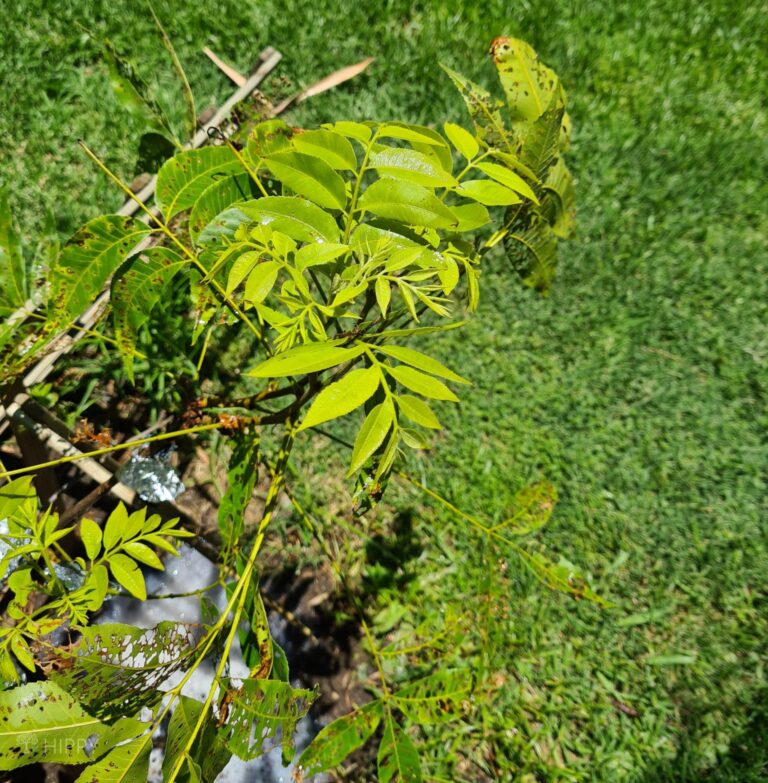
Walnuts
Another beloved nut and one that is variously eaten raw or roasted, and also used as an ingredient or topping in all sorts of other dishes, from salads to desserts.
Loaded with healthy omega-3 fatty acids and protein, this is another wholesome fall food that you can always look forward to.
Walnut trees grow all over, and they are more prolific than you think. You’re just as likely to find forests full of them as you are a lone tree in the middle of a field or even growing along a boulevard or in a park in an urban area.
If you live in a temperate region, walnut trees will be prolific, and they are also easy to identify. This is a favorite, so make sure you try them, but don’t forget your nutcracker!
Acorns
Did you know that acorns are actually safe to eat and nutritious with a little processing? It’s true, and they also happen to be quite delicious!
Acorns only taste nasty, and are toxic, because they have high amounts of tannins, bitter compounds that can be leached out through soaking. Once that’s done, acorns are delicious as-is when toasted, or they can be pounded into flour for making cookies, pie crusts, and a lot of other great stuff.
You probably don’t need any help tracking these down: you’ll find acorns by the bucket load beneath any oak tree in North America, and these can be great fun to forage with your family if you’re going on a walk in the park or just around your backyard.
Pine Nuts
Pine nuts are another delicious and nutritious tree nut, and as the name suggests, they come from pine trees, specifically the pinon pine. Like walnuts, they’re eaten out of hand as a snack and also used as an ingredient or topping in various baked goods and salads.
Their flavor, though, is quite unique: they taste buttery but also have a resinous, floral note that is unlike anything else.
You’ll typically find pine nuts in the western half of the United States, but they can be found growing sporadically in most areas if you know where to look. Also, just like walnuts, they take some effort to open and prepare, so be ready for some extra work when you get home.
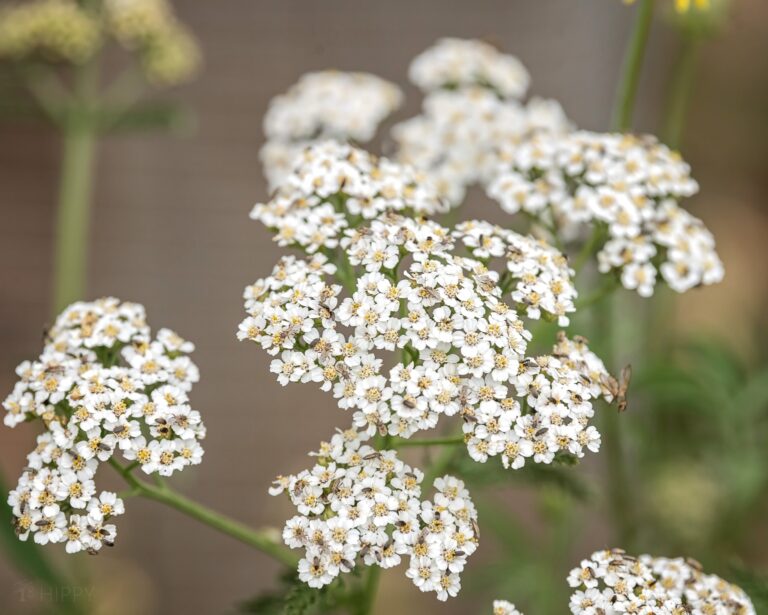
Yarrow
Yarrow has been used since ancient times for its curative and health-boosting properties. It is known to reduce inflammation, boost digestion, and even stop bleeding. Pretty remarkable!
The leaves are also similar in taste to arugula, being bitter and slightly sour. They’re great in salads or stewed as a green.
Yarrow is quite common across much of the world, and that includes North America. Keep your eyes peeled for it in meadows, fields, and alongside regularly traveled paths, be that roads or trails.
Rose Hips
If you’ve never had them before, rose hips are nothing more than the fruit of rose flowers. You’re just as apt to harvest these out of a garden as you are out of the wild, but in any case, they are readily available in the fall and, in some species, even through the beginning of winter.
Rose hips are an excellent source of vitamin C and have been used historically and today to make teas, various desserts and sweets, and as all-natural health supplements. They are terrific for supporting the immune system and reducing inflammation.
Look for rose hips on any rose plants that you find growing, but watch out for thorns when harvesting them!
Juniper Berries
In what is bound to be the most divisive entry on this list, you’ll either love or hate juniper berries with no room in the middle. These soft pine cones, despite only some of them being edible, are famous, or infamous, for being the primary ingredient in gin, and the one that lends it that piney, resinous flavor.
You can eat juniper berries, but they are gritty, harsh, and have a tendency to cause upset stomachs. Seasoned foragers know they are better used for making creams and balms and also for baking, specifically in the fomenting of yeast…
You can find juniper bushes and small trees growing in a wide variety of habitats across North America.
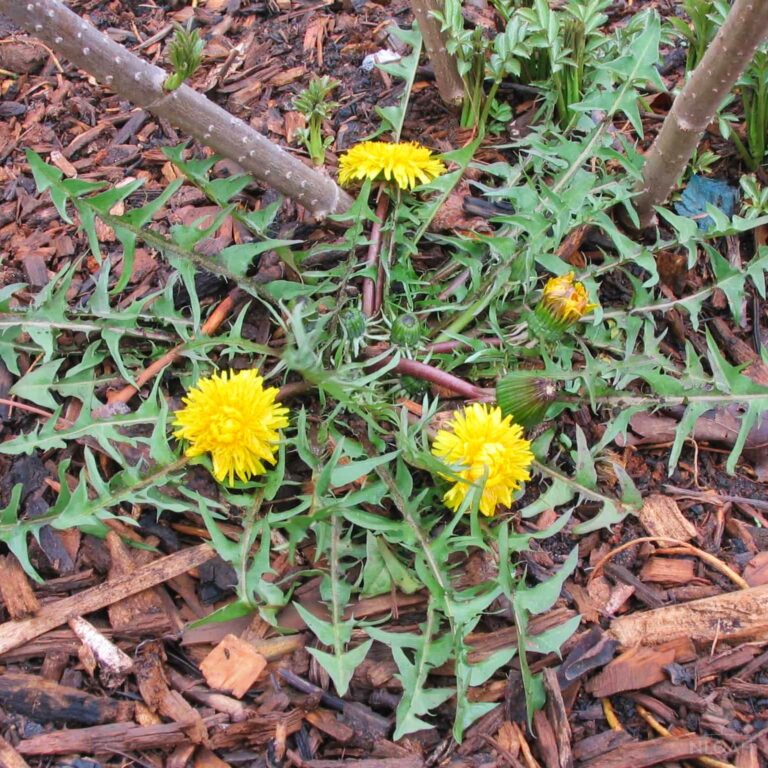
Dandelion
I know this list is supposed to be about a fun foraging foray, and here I am telling you to start weeding! Jokes aside, dandelions are more than just a mere weed: every part of the plant is edible, nutritious, and tasty.
The greenery makes a great ingredient in a salad, the flowers can be steeped into tea or turned into wine, and the roasted roots are nutritious, earthy, and a great addition to soup or being ground up and used as an all-natural coffee substitute.
This is one of the healthiest plants around, one of the easiest to identify, and one of the most prolific.
It’s a great item to get kids started with foraging, but there’s one catch: never harvest dandelions from any place that you know or suspect was likely to have been treated with weed killer. You definitely don’t want to eat that stuff!
Ones you find growing off the beaten path or on your own property—if you don’t spray—are safe.
Chickweed
One of the most prolific gatherable wild greens out there, this creeping, tangly plant sprouts twice throughout the year, including at the very beginning of fall or the tail end of summer.
Long ago, it was a regularly eaten veggie in America, often stewed or steamed and eaten just like spinach. Compared to spinach, it has a slightly sweeter and milder flavor, so it can be a great alternative.
You’ll be able to find chickweed in fields and along roadsides pretty much everywhere, and it’s regularly sighted near areas of human habitation, often gardens or other areas of cultivation that have been neglected.
This is a great option for urban and suburban foragers, but it’s also one with its fair share of lookalikes, so keep that in mind…
Chicory
Another plant with a storied culinary history and reputation for promoting wellness, chicory is perhaps best known for its use as a coffee substitute since the 1800s and, more infamously, as a coffee extender for cutting ground coffee—both by manufacturers and by coffee drinkers!
Chicory leaves make a pretty good salad veggie, one with a fresh and bitter taste that is nonetheless pretty pleasant.
You can find it growing all across the country, so just keep your eyes peeled. Roadsides, fields, and unkept crop or farmland are high-probability spots to check.
Jerusalem Artichokes
Artichokes have a reputation as a fancy food, and I guess they are, but nonetheless, they are pretty easy to find growing wild across North America.
Wide open fields and riverbanks are the typical habitats to check for them, even very late in fall; like several other plants we’ve already talked about, the taste and texture of Jerusalem artichokes improve with successive frosts.

Also, check near abandoned gardens and other cultivated areas: many patches started life as domestic veggies only to escape and go native over time.
Pine Needles
This is a favorite and mainstay of foragers around the world. Pine needles make for wonderful decorations, a fragrant addition to potpourri, and the primary ingredient in pine needle tea, a tasty, bracing source of vitamin C.
Pine needles contain compounds that are beneficial in soap, salve, and more if you are into that sort of thing…
Pine trees can be found everywhere, year-round, so you won’t struggle to find them in the fall. But do take care about what sorts of pine needles you are harvesting: you need to be sure that you avoid the yew tree as every part of it is deadly poisonous.
Birch Bark
Birch bark is commonly seen as a decorative motif, but did you know this stuff is also edible, nutritious, and surprisingly good? You bet! The pale, soft inner bark can be processed into a flour substitute, and the outer bark can be steeped into a sort of herbal tea.
Harvest bark only from freshly fallen trees that have not started to rot; taking a large quantity of bark from a live tree can strip or girdle it and kill it!
Sassafras
Sassafras is one of my very favorite fall plants because it is so very versatile! Way back when, it was used as the distinctive flavoring in root beer. The bark of the plant is often dried and ground to make an herbal tea or as a seasoning in Cajun and Creole cuisine.
With a little bit of experimentation and patience, it can make an interesting and novel ingredient in your kitchen.
You’ll find sassafras growing across much of the US east of the Mississippi River, both in woodlands and in open fields and pastures. Be sure to familiarize yourself with its lookalikes, too…
But, don’t eat it too often or eat too much in a single sitting: one of its distinctive aromatic compounds, safrole, can be toxic in high concentrations.


Tim is a farm boy with vast experience on homesteads, and with survival and prepping. He lives a self-reliant lifestyle along with his aging mother in a quiet and very conservative little town in Ohio. He teaches folks about security, prepping and self-sufficiency not just through his witty writing, but also in person.
Find out more about Tim and the rest of the crew here.