
Homesteading is a rewarding lifestyle that can get very expensive very quickly. However, you shouldn’t let money stop you from reaching your homesteading dreams. You can start your homesteading journey no matter your income, location, or ability level. We all start somewhere! Here’s how to homestead when you’re flat broke.
General Tips
Start where you are
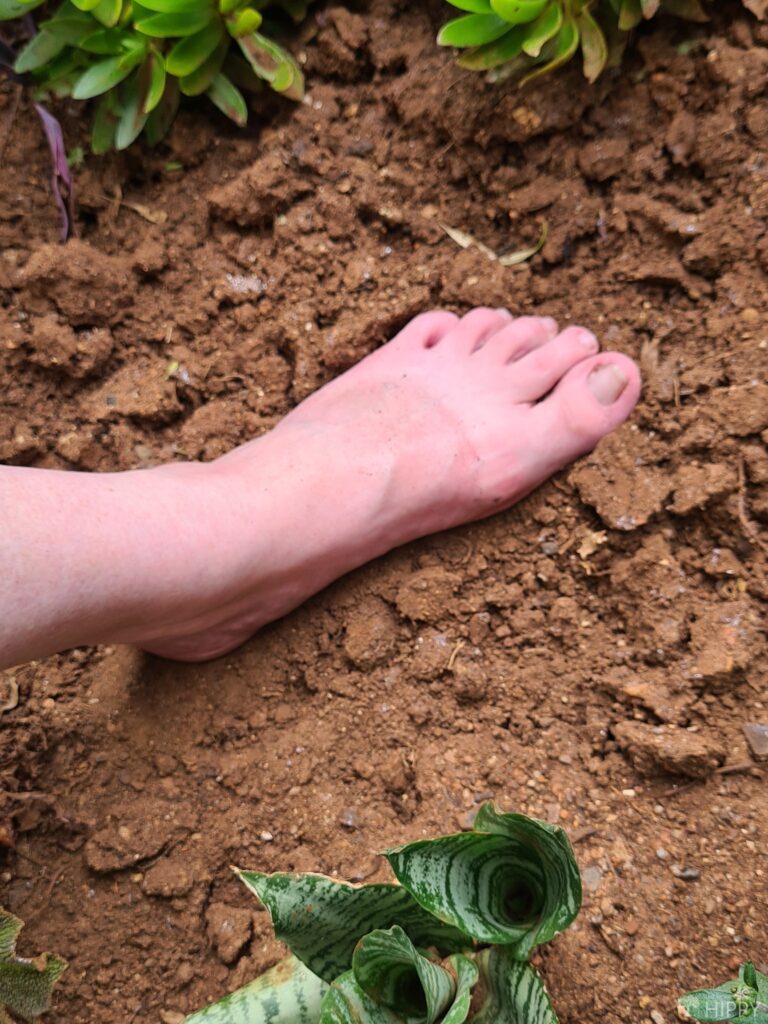
The biggest investment you’ll make in your homestead is probably land. If you don’t have money to buy land, you can still homestead. Just start right where you are.
Even if you live in a tiny apartment, you can still get a head start on homesteading until you can afford to purchase land of your own, if you desire.
You can grow a garden on your balcony, in a sunny window, or even in a small backyard. If this isn’t an option, you might try a community garden or even by borrowing a piece of land from a friend in exchange for some extra produce.
Urban Farm Curtis Stone has an entire YouTube channel dedicated to making money on a tiny farm.
If you are very creative and determined, you might be able to acquire free land through certain government programs. It may require relocating to another state or area of the United States, but the potential is there.
Learn everything you can
Read blogs, magazines, books, and watch YouTube to learn as much as you can about homesteading, gardening, and raising animals.
The more you know, the more you’ll be able to save money by not investing in things that aren’t necessary, and by not losing money to failure.
Start small
Many homesteaders get in over their head quickly by starting too big, too soon. You’re much better off to start your homesteading journey slowly. Start with a small garden, and maybe a few chickens.
Once you’ve mastered those skills, you can begin to make your garden bigger and introduce more, larger livestock. This will be a less expensive way to begin and might save you money in the long run due to failure and loss.
Ask for help
If you are really serious about getting started on your homestead, don’t be afraid to ask for help. Your local ag extension or US Agricultural department can point you in the direction of local services and assistance.
If you frequent farmer’s markets or roadside stands, don’t be afraid to talk to the farmers and their families. They may have excellent resources and advice to help you get started.
Work with a farmer
Local farmers often look for seasonal workers to help with planting and harvesting. If you’re flat broke, you might be able to find a farmer who is willing to mentor and assist you in starting your homestead in exchange for a little bit of labor.
Go off grid
It can be costly to install all of the necessary items you need to go off grid, such as solar panels and composting toilets. However, you can employ some of the principles of off-grid living to save you money on your homestead.
For example, learn to go to bed when it gets dark out rather than staying up late with all the lights on. Collect rainwater or greywater for watering plants.
Dry your clothes on a clothesline instead of an electric dryer. You could also learn to use other means of cooking, such as solar and dutch oven, or even using a wood stove.
Budgeting Tips
Downsize expensive vehicles
Next to housing, cars are a major expense. But are you driving more car than you actually need? Do you have a needlessly expensive lease? You might want to consider driving a smaller, less expensive car.
Dropping those high monthly payments might make the difference between you affording the land you love, and having to stay where you are.
Plug the budget leaks
Examine your bank account statement to see where your budget leaks are. You might need to trim out excess digital subscriptions, unneeded services, and impulse buys on Amazon to help you reduce your costs.
Check out this article on how to get rid of those sneaky digital subscriptions.
Frugality Tips
Get Really Frugal
Make gifts instead of buying them. Reuse items you might otherwise throw away. Don’t buy stuff you don’t actually need.
Finding all kinds of creative ways to be frugal will help you free up funds for your homestead. The saying a dollar saved is a dollar earned is pretty realistic – if you don’t spend it, you have it!
Sell your stuff
Simplify your belongings and sell off all of your excess stuff. You never know what someone else might want, so don’t be afraid to sell something that seems like junk to you.
Get rid of old electronics, old toys, clothes, dishes, or anything you don’t really need or love. Have a yard sale, use Facebook marketplace, Craigslist, and consignment shops to get the most money for your junk.
Reuse, recycle, upcycle
One of the most important skills in homesteading is learning to be frugal. You can practice this principal anywhere, on any size homestead, garden, or in any home.
Anything you can’t reuse, try to recycle to save landfills. And, as much as you can, upcycle old things to give them new life and new purpose.
For example, empty coffee cans can be used to start seedlings indoors. And don’t even get me started on coffee grounds; they have a million and one uses: as compost, to mask odors, etc.
An old ladder can be turned into a frame for a vertical garden. Pallets can be used to easily build a compost bin. Even things like cherry pits have a number of uses. Or even eggshells! Nothings should be wasted, I tell you!
Barter and trade
If you’ve got skills or stuff, you’ve got something that someone else might want. If you need items or resources for your homestead, you might be able to barter and trade so you can get what you want without having to put out any cash.
Frugal Gardening Tips
Growing your own food is a great way to save money and begin homesteading even when you’re flat broke. Of course, you need to be careful, because you can spend a lot of money starting a garden, but you really don’t have to.
Keep it simple
All you really need to start a garden? Some dirt and some seeds. You don’t have to be fancy, especially if you’re just getting started. So if you have a pot of dirt or even a little plot of ground, you can turn it over with a shovel and plant your seeds.
Keep the seeds moist until they sprout and the plants get established. Vegetables such as lettuce, spinach and radishes are easy to grow and don’t take up a lot of room.
Use permaculture principles
Permaculture is a great way to garden on the cheap. It means you work with the land and climate you live in, rather than against it. Find out what grows well in your area and focus on growing those vegetables.
Choose plants better suited to your climate. You can’t grow rice patties in a desert, and you can’t grow sun loving herbs deep in the forest, either. Find what works and use it. If you don’t know, your local ag extension will be happy to give free advice and training videos via their website.
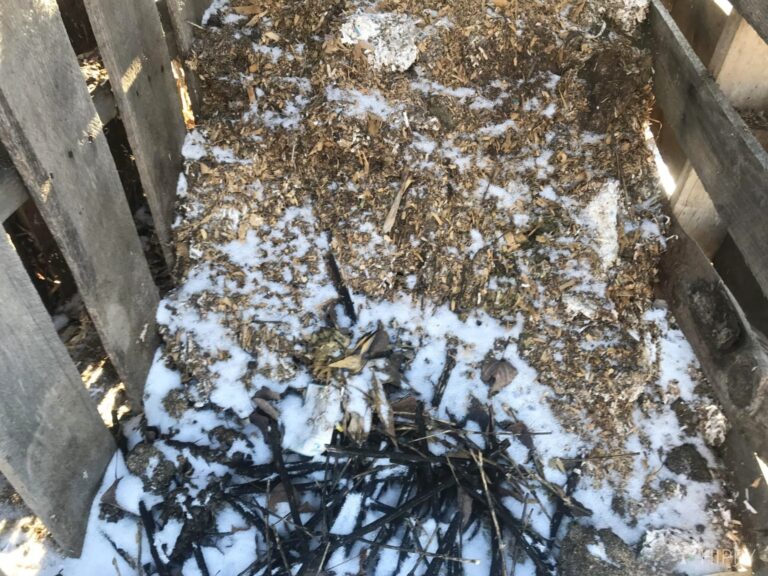
Ask local tree trimming companies to give you free wood chips from trees they have taken down or see if your local township building has a mulch pile for their residents. Putting down wood chips will help to build soil, reduce weeds, and retain moisture, giving your garden an easy and cheap way to grow better and stronger.
Regrow your groceries
You can grow plenty of food from your grocery store if you know what to look for. For example, if you purchase celery, you can regrow the celery heart in water.
Once it establishes some roots, plant it in a large pot and it will grow for several years. Just keep cutting it back and letting the celery grow again.
Bags of uncooked, dried beans are very inexpensive at the grocery store, and they will grow just as well as the beans you purchase at the nursery.
You may also be able to grow other vegetables from seed, such as tomatoes, cucumbers, strawberries, and other produce you might find at the store.
Get free seeds if possible
If you simply cannot afford seeds, you might be able to get some for free. The best way is to save seeds from your garden from the year before. But if you are just starting out, there are other ways to get seeds for nothing i exchange.
You might ask some of your friends if they have any leftover seeds to share, and this is a great way to get free seeds since most people don’t need to use all of the seeds that come in a packet.
Seed libraries will often send you free heirloom seeds with the expectation that you will save seeds from the garden and send some back at the end of the growing season.
Some nurseries will give away free seeds, and of course, you can always ask for leftover seed packets at the end of the growing season.
Sometimes, greenhouses and nurseries will sell off their seedlings very inexpensively once gardening season is in full swing and they need to move the seedlings quickly to make room for other things. Family businesses may even give them away at the end of the season just to make room for something else.
Many times, stores will give them away rather than toss them. You can always save leftovers for the following because many types of seeds will keep for several years under the right storage conditions. Check out this article for more ways to get free seeds.
As for where to start your seedlings, we have some very good suggestions of which containers can be re-purposed for this.
“Rescue” dying plants.
One of my favorite ways to get plants for my home or garden is to rescue plants from the garden center. My local garden center has a section of highly discounted plants that are either blemished, dying, or just not appealing to customers. However, most of the time these plants just need a little extra TLC and will become healthy and thriving plants.
Start a compost pile
You don’t need to purchase expensive fertilizer to keep your plants happy. Start a compost bin so you can mix in lots of aged compost to feed your garden.
Rabbit and goat manure can go directly on your garden as fertilizer, however, chicken and horse manure need to be aged and composted so they do not burn the plants.
Kitchen scraps, coffee grounds, plant waste, and animal manure can all be composted to make free fertilizer for your garden. David the Good talks about how to compost the easy way, here.
Food Preservation Tips
Another way to homestead when you are flat broke is to simply preserve your own food. Even if you don’t have your own garden yet, practicing the art and science of preserving your own food will save you money.
You can stock up on sale foods, such as produce or meat and preserve it for later use. You might save money by buying in bulk at farmer’s markets, butcher shops, and even U-Pick farms. There are plenty of ways to preserve food, so pick what works best for your situation.
Dry
Many herbs can be dried in the house, such as basil, sage, or even cilantro. The easiest method is to cut the herbs in the morning, rinse them off and gently towel them dry. Hang them upside down in small bunches out of the sun to dry. Check out this article for more ways to dry herbs.

Dehydrate
A dehydrator is a small investment, but they can be bought inexpensively online and used to dehydrate everything from fruits, vegetables, to eggs, and even herbs.
Freeze
Freezing is one of the easiest ways to preserve food. Some vegetables taste better when blanched first, others can be frozen on cookie sheets, and then dumped into a freezer bag.
Can
Canning may cost a little bit more to get started, but once you have the supplies, it can save you money in the long run. Hot water bath canning is great for jams, jellies, and tomatoes. Pressure canning is better and the only safe method for food items with low acidity.
You can often find used canning jars inexpensively at yard sales or on Craigslist.
Save
Many food items that you can grow don’t need to be preserved. Vegetables such as garlic or winter squashes may need to be cured, but they can be stored in a cool, dry area for many months. Butternut squash can store for a very long time.
Raising Chickens Tips
If you are struggling with money, homesteading without any livestock is probably better. But if can get the chickens for free, then rest assured there are ways to fee them.
It doesn’t take a huge investment to get started with chickens. In fact, if you have just a few chickens and allow them to free range, the cost is very small. They only need a few things:
Coop
Most people see a coop as a large investment, but it doesn’t have to be. You can get creative because chickens aren’t picky about their housing.
You can build your own coop from pallets, and other scrap materials. the main thing is that it keeps them safe and dry at all times, and free from drafts. And it will need a roost or two, depending on how many chickens you keep. Here are 13 plans to build a chicken coop for free.
Water.
You’ll need some kind of bucket or waterer for your chickens, which you can fill up from the hose or even use rainwater to keep their water filled up.
Food.
The cheapest way to feed your chickens is to allow them to free range so they can find their own food. Of course, you’ll need to watch out for predators, but many chickens can do a great job of foraging for their own food.
You can supply them with plenty of leftover kitchen scraps, among other things. You may need to supplement their food with commercial feed in the winter but check out this article about how to feed your chickens for free!
Feed your livestock for cheap
It’s easy to feed chickens on the cheap, but there are ways to feed other livestock inexpensively, as well. If you are going to keep livestock, you may want to look into different ways to save some $$$ on how to feed them. Here are a few ideas.
Quail.
Quail are great starter animals because they don’t take up a lot of space, and they have an excellent feed to egg conversion ratio. This means they can make a lot of eggs on very little food.
While game bird food does tend to be a little more expensive than standard chicken feed, some people have actually raised quail on chicken feed. You can also supplement your quail feeding with some kitchen scraps, such as cucumbers, berries, and even rice and pasta.
Rabbits.
Rabbits are a wonderful homestead animal and can be very inexpensive to raise. You may want to have a few around just for their manure, but some people like to raise and sell as pets or raise meat rabbits for food.
To feed rabbits cheaply, make sure not to make any sudden changes in diet, but slowly incorporate new foods. Hay is great feed for rabbits, as well as some weeds, carrot tops, and fruits and vegetables.
In good weather, you might want to consider housing your rabbits in a rabbit tractor so they can feed on fresh and free grass.

Goats.
Goats are a great starter animal to raise, even when you’re pretty much flat broke. Smaller breeds, like Nigerian Dwarf Goats, need very little space, and very basic shelter requirements.
You don’t need to buy them expensive grain, in fact, goats should eat very little grain at all. You can feed them (commercially) baled hay.
And because goats don’t need to have the same high-quality hay as horses, you can often find discounted bales that horse farmers simply can’t use. If you have enough room, you can tie your goats out on a lead and allow them to browse.
They’ll nibble grass, weeds, and brush. They can also eat all kinds of vegetables, and some kitchen scraps. Check out this article for more ways to feed goats.
Make money from your homestead and homesteading skills
When you’re flat broke, you can use your homestead to earn money. There are all kinds of ways to make money from your homestead.
Of course, you’ll need to research your state and local laws to make sure you are following all necessary health and safety standards, but it can be done. Here are a few ideas to get you started….
- Start seedlings and sell them to friends and family.
- Sell extra garden produce.
- Make jams and baked goods to sell.
- Sell extra produce at a roadside stand.
- Sell eggs, chicks, or growouts.
- Sell rabbits for pets or meat.
- Help others with their gardening or yard projects.
- Save seeds to sell to others.
- Start or join in a CSA.
- Sell manure.
- Grow worms and sell their worm castings.
- Raise wool animals and sell wool.
- Learn to spin wool into yarn and sell it on Craigslist, Ebay, or Etsy.
You can realistically (and possibly pretty easily) make $500 a month with any of these – so long as you are willing to put in the work and scale production.
Are you having trouble starting a homestead because of the money aspect? Tell us what you’re going through in the comments below.


Amanda is a homesteader and a Jesus-loving, mother of 6 toddlers. She’s raising lots of fancy chickens and goats on her small homestead (among other things). Find out more about the team here.