
Most gardeners know that pretty much all plants, and certainly most vegetables, need lots of sunlight in order to thrive. They need it so they can convert it into energy, energy that’s necessary to help them establish strong roots, grow tall, and produce ripe, tasty fruits.

A lack of sunlight or, worse, getting shaded out by tall trees can spell the end for your veggie garden. But it doesn’t have to: some will grow just fine in the shade, and they might only need intermittent light or even filtered sunlight in order to prosper.
If you’re having a hard time coping with a lack of sunlight on your property or you just want to make use of a spot that’s too dark for other plants, you’ve got to check out these veggies that love to grow in the shade. I’ll tell you everything you need to know about them below.
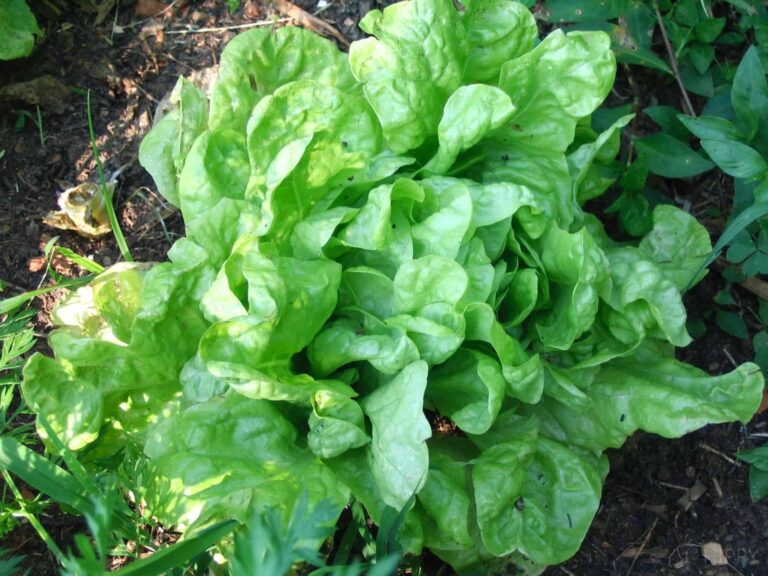
Lettuce
- Sun Tolerance: Intolerant, must have partial shade.
- Water Needs: High. Water roots regularly to get large heads. Make sure soil is well-draining.
- Growing Zones: 4 through 9.
Unless you’re a greenhorn gardener, you already know that lettuce needs plenty of shade. With even a little bit too much sun, it will bolt in the blink of an eye. Keep it shaded, keep it cool, and keep it watered.
Arugula
- Sun Tolerance: Fair, will bolt in intense sunlight if temperatures are too high.
- Water Needs: Fairly high. Needs to be watered regularly in well-draining soil.
- Growing Zones: 3 through 11.
A versatile, fragrant, and peppery lettuce for more adventurous eaters, arugula is great in mixed salads and other dishes. It’s more resilient to sunlight than most other types of lettuce, but it will still bolt if it gets too hot and too much sun.
You know the drill: make sure it gets plenty of shade, water, and keep that soil cool.
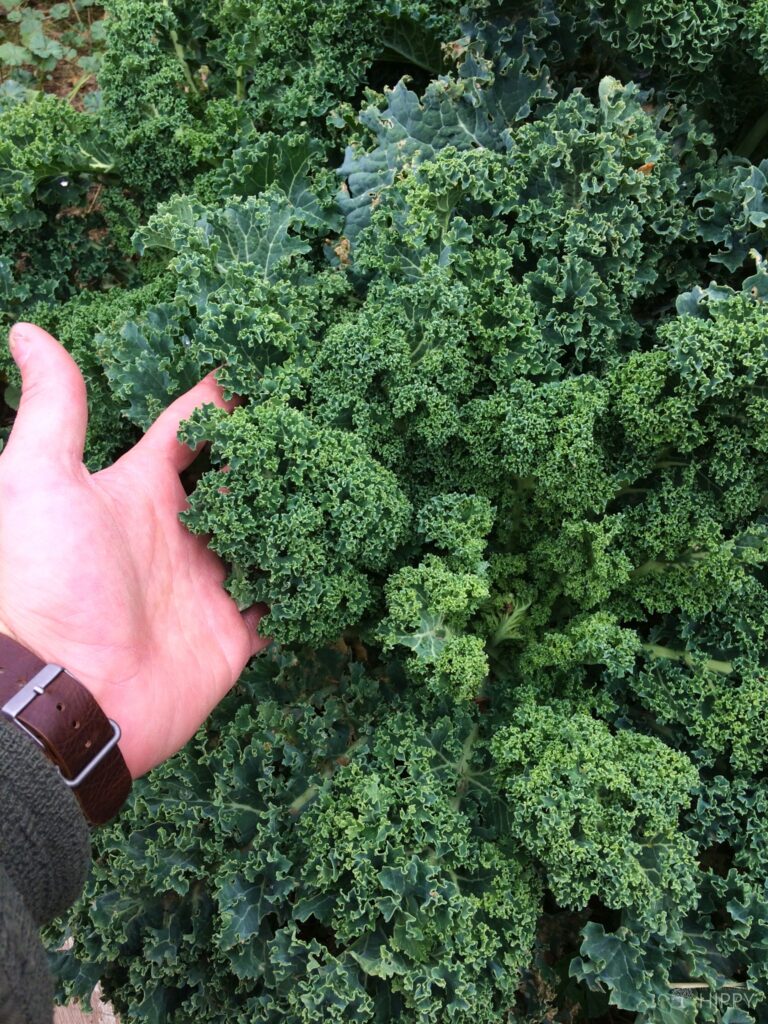
Kale
- Sun Tolerance: Tolerant of full sun, but shade greatly improves quality.
- Water Needs: Moderate, needs well-draining soil kept moist.
- Growing Zones: 7 through 9.
Kale is loved by many for its nutritional profile if not for its taste. Though it is an acquired one, it adds body, crunch, and texture to salads, soups, sautés, and more…
Like most salad veggies, it thrives in cooler weather, and you should do everything possible to shade it from the sun during the hottest parts of the day.
Keeping the soil cool and protecting these broad leaves from intense sun will keep the plant from bolting and keep it crispy and tender.
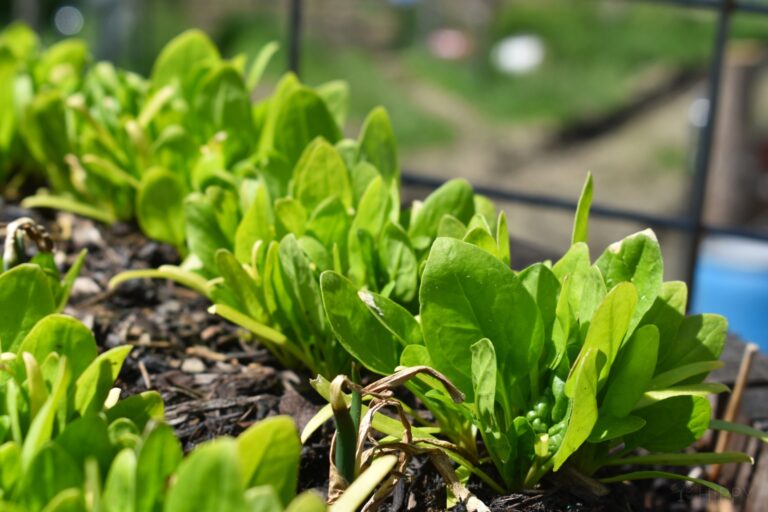
Spinach
- Sun Tolerance: Average, will bolt if it gets too hot.
- Water Needs: Higher than most salad veggies. Water often, keep soil moist.
- Growing Zones: 2 through 9.
Super nutritious and highly productive if given shade and kept cool, spinach is a great candidate for our shade-loving veggie garden. Protecting it from intense sun and high temperatures will, like most other leafy greens, produce leaves that are tender and tasty.
Don’t hesitate to shade it if the weather turns against you, and consider mulching around it to keep the soil temp lower. If it does go to seed, it will taste terrible; remember you can harvest it when it’s young for baby spinach.
Swiss Chard
- Sun Tolerance: Tolerant of sun and shade.
- Water Needs: Above average. Water regularly but not too heavily, always aiming to keep soil moist.
- Growing Zones: 3 through 10.
This salad veggie comes in all the colors of the rainbow depending on the variety. No wonder it’s becoming more popular in the US; it’s beautiful and nutritious! It’s also remarkably adaptable, growing well when given plenty of sun or partial shade.
This is one of your best choices for a continual harvest as the outer leaves can be picked, leaving the inner ones to keep on growing.
Cabbage
- Sun Tolerance: Minimal, intense sun is harmful. Thrives in partial shade.
- Water Needs: Lots. Must be watered frequently and consistently to prevent drying out and damage to the compacted head.
- Growing Zones: 1 through 9.
Another versatile and beloved salad veggie that is eaten all around the world in all manner of dishes, cabbage is something of a poster child when it comes to shade-craving plants.
Too much sun will easily dry it out, cause it to split, or hurt the flavor. Partial shade is always preferable with the vast majority of cabbage varieties.
That said, do your homework on your chosen variety as some require more sunlight in order to produce.
Collard Greens
- Sun Tolerance: Can tolerate full sun, but shading it yields tender leaves.
- Water Needs: Moderate. Soil should be kept moist at all times.
- Growing Zones: 6 through 11.
Collard greens are a flexible veggie in the garden and a staple of Southern cuisine…
Whether you love them or hate them, they are easy to grow in full sun or partial shade, but you’re always better off giving them the shade. Intense sunlight, especially combined with high temperatures, makes the leaves tough.
Wherever you plant them, give them plenty of water, and be sure to keep that soil moist and well-draining. Make your life easy by planting them early in the spring so they’ll be ready before the worst summer sun arrives.
Mustard Greens
- Sun Tolerance: Good, but does best in shade.
- Water Needs: Water regularly but lightly, keeping soil moist.
- Growing Zones: 6 through 9.
Tiny and spicy, mustard greens can punch up salads and sandwiches, and they are one of the easiest leafy veggies to grow.
This plant thrives and grows more quickly when shaded, and lower temperatures greatly improve flavor. It’s tolerant of full sun in cooler seasons, so consider planting it early in spring or at the very end of summer going into fall.
Corn Lettuce
- Sun Tolerance: Fair, will bolt or turn bitter with too much sun.
- Water Needs: Moderate, soil should be kept moist.
- Growing Zones: 5 through 9.
Properly known as mache, this lettuce is famous for its crisp texture and sweet, milky fluid. It tastes a lot like corn, hence the name!
Like other leafy greens we’ve looked at, you’re always better off keeping this one in partial shade, cool, and moist. Mulch is your friend here as it will prevent it from drying out and keep the soil temperature lower.
Plant this one very early in the spring or at the tail end of summer for the best results.
Broccoli
- Sun Tolerance: Good, needs shade to protect from intense sunlight.
- Water Needs: Typically high. Heavy feeder and requires extra water. Soil should be kept moist.
- Growing Zones: 3 through 10.
Broccoli can be a tricky veggie to manage when it comes to light levels.
This cool-season crop needs lots of sunlight in order to develop, but too much sun, especially during times of higher temperatures, can hurt it and cause it to die back or develop puny, malformed florets. When that happens, it will taste bitter and nasty.
Help your broccoli taste its best by locating it in a spot that will be shaded during midday, or consider planting it in containers so you can relocate it or more easily shade it yourself.
If needed, don’t hesitate to throw up a mesh shade if the weather turns unseasonably warm.
Cauliflower
- Sun Tolerance: Tolerant of full sun and cold seasons, always benefits from shade.
- Water Needs: Moderate. Water regularly, keep soil moist, and make sure soil drains well.
- Growing Zones: 2 through 11.
Cauliflower is often paired with broccoli at the dinner table and also in the garden. Both are brassica genus veggies, and both need similar conditions for growth. You should protect cauliflower from high temperatures and intense sunlight.
Note that cauliflower is especially vulnerable to high temps; if it gets too hot, especially repeatedly, that crisp, dense head will turn tasteless or nasty. Keep it shaded and throw down some mulch around your beds to keep that soil cool.
Rapini
- Sun Tolerance: Full sun to partial shade, this one’s adaptable.
- Water Needs: Water often enough to keep soil moist but not soaked.
- Growing Zones: 3 through 10.
This turnip relative is commonly confused for broccoli because it looks so much like it. You’ll often see it advertised as broccoli raab in grocery stores. And truthfully, it does taste quite similar to broccoli, so I’ll let this pass!
Although not a veggie that has to have shade, considering how adaptable it is to differing light levels, this is one you can reliably grow in a shady spot. If you do, stay on top of its other requirements, namely water, and it should do fine.
Carrots
- Sun Tolerance: Prefers partial shade but can tolerate full sun.
- Water Needs: Modest, water consistently. Take care to keep the soil evenly moist but not soaked.
- Growing Zones: 3 through 10.
Carrots are a lot like beets for our purposes. They are one of the most versatile and popular veggies out there, and delicious when prepared in any number of ways. They also benefit from cool weather and low soil temperatures.
Carrots actually get sweeter and have improved texture from frost! As expected, heat is the enemy, and prolonged periods of direct sunlight can overheat them.
If your carrots get too much sun and the soil is allowed to dry out, they will be tasteless and have a hard texture. Keeping them in partial shade makes a huge difference, as does mulching if you’re struggling to prevent the soil from drying out or getting too hot.
Parsnip
- Sun Tolerance: Does best in shade but can tolerate full sun if kept cool and moist.
- Water Needs: Modest, like carrots, should be watered regularly and soil kept moist but not waterlogged.
- Growing Zones: 2 through 9.
If you are unfamiliar with parsnips, they basically look like pale, ivory-colored carrots. Same shape and everything.
These veggies are close relatives, but despite the similarities, parsnips have a unique flavor, being nutty and a little sweet with a distinct savory note that carrots don’t have.
That said, you’ll treat them just like carrots when it comes to shade: lower temperatures and cool, moist soil will help them thrive. They won’t burn up in the sun, not right away, but you’ll have to take care to protect them.
Make sure that the soil stays moist but is well-draining, and don’t hesitate to mulch around them to help keep that soil temp down.
Scallions
- Sun Tolerance: Can tolerate short bouts of full sun, positively thrives in shade.
- Water Needs: Moderate. Water regularly but do not soak.
- Growing Zones: 3 through 9.
Scallions, or green onions, are basically just young onions. They are a good choice for a garden full of shade-craving flowers, but they are adaptable enough that you can stick them anywhere that sunlight rarely reaches.
More than most other veggies on our list, scallions are at their best when given lots of shade and kept moist.
This can also be one of the most productive shade-craving veggies: the earlier you harvest scallions, the milder their flavor will be, and it’s easy to get a double harvest out of them every year.
Simply plant at the beginning of spring for a summer harvest, and then plant again at the beginning of fall for a winter harvest. A late fall planting will allow them to overwinter to springtime if you insulate them with mulch, leaves, or straw.
Leeks
- Sun Tolerance: Likes plenty of sun but they are adaptable to partial shade.
- Water Needs: Must be kept moist in well-draining soil.
- Growing Zones: 3 through 9.
Turns out there are lots of allium genus veggies that will do well in the shady parts of your garden.
Leeks are a lot like scallions in that they have an oniony flavor but a mild one…
If you struggle with managing light levels around your garden, these can be an especially good choice because they seem to do well when given more sun or less. They are a great candidate for container gardening, too.
As long as you manage moisture levels—kept consistently moist in well-draining soil—they will basically take care of themselves.
Garlic
- Sun Tolerance: Needs protection from intense spring or summer sun, prefers partial shade.
- Water Needs: Soil should be kept moist with excellent drainage.
- Growing Zones: 3 through 8.
Garlic, as ever, is indispensable in the kitchen. So many recipes wouldn’t be nearly as good without it!
Happily, it’s pretty easy to grow with good planning, and part of that planning is getting it the right amount of sun. In the fall and winter, when the sun is less intense, your garlic will be just fine and indeed will benefit from it.
But as it matures through the cold season heading toward a warm-season harvest, you should prepare to protect it from the intense late spring and summer sun. If it gets full-time partial shade in the warm season, so much the better!
Beets
- Sun Tolerance: Can tolerate full sun but does better in shade.
- Water Needs: Water periodically, ensure that soil stays moist.
- Growing Zones: 2 through 10.
Beets have a great reputation as one of the easiest and most productive garden veggies you can plant. They’re also one of the most versatile in recipes, and taste great when pickled, sliced in a salad, roasted, or boiled.
Beets are also tolerant of varying levels of sunlight: full sun won’t hurt them, not directly, but it can cause problems by drying out the soil and overheating them.
Beets that stay cooler taste better and have a better texture, so you should never hesitate to give them lots of shade. If they start to get too much sunlight, consider adding a thick layer of mulch around them to help keep that soil temperature lower.
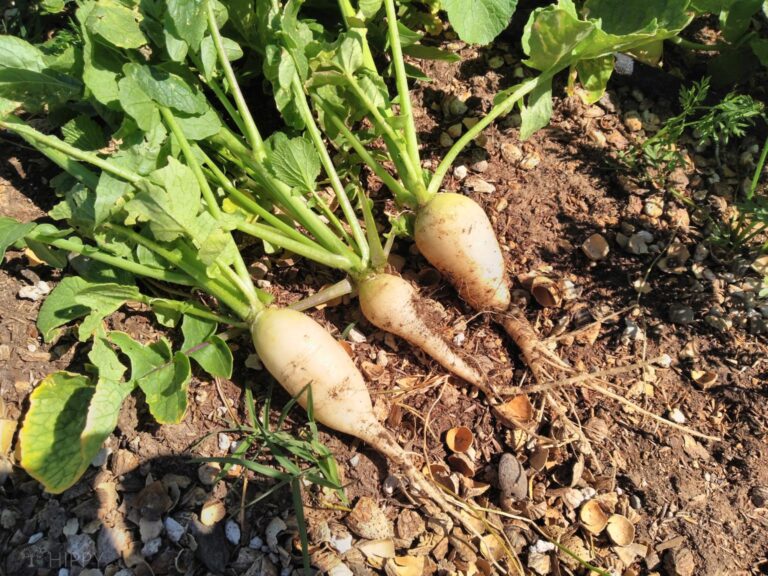
Radish
- Sun Tolerance: Can tolerate full sunlight but grows faster and tastes better when well-shaded.
- Water Needs: Water regularly but lightly to keep soil moist. Ensure excellent drainage.
- Growing Zones: 2 through 10.
Radishes are rightly loved by gardeners because they’re so adaptable, hardy, and versatile. Radishes will grow quickly and reliably in cool weather, and cool soil contributes to a great harvest.
Accordingly, keeping them in the shade is ideal since the sun will rapidly raise soil temperatures. Most varieties can get by with as little as 4 hours of sun every day.
You can ensure a great radish harvest by keeping the soil moist but taking care to avoid waterlogging them; mold and root rot are likely outcomes if overwatered.
Turnips
- Sun Tolerance: Good, most types do best with some sunlight and nearly all tolerate partial shade.
- Water Needs: Moderate. Benefits from regular, light waterings to keep soil moist. Good drainage is a must.
- Growing Zones: 2 through 9.
Turnips are a close relative of radishes, and we can treat them very much like radishes in our garden full of shade-loving veggies. They thrive in cooler temperatures, both air and soil, and keeping them protected from heat and intense sunlight produces tastier greens and roots.
Compared to radishes, though, turnips benefit from a little more sunlight daily, meaning they are a good option for planting near other veggies that might shade them during the hottest part of the day.

Tim is a farm boy with vast experience on homesteads, and with survival and prepping. He lives a self-reliant lifestyle along with his aging mother in a quiet and very conservative little town in Ohio. He teaches folks about security, prepping and self-sufficiency not just through his witty writing, but also in person.
Find out more about Tim and the rest of the crew here.