
If you dream of homesteading but feel like it is only ever going to be the stuff of dreams because you don’t own any land, don’t despair just yet! It turns out that homesteading is a way of life. It’s a lifestyle and, partially, an attitude. It turns out you can homestead anywhere, whether you’ve got a home in the middle of the suburbs or even an apartment in the middle of the big city.
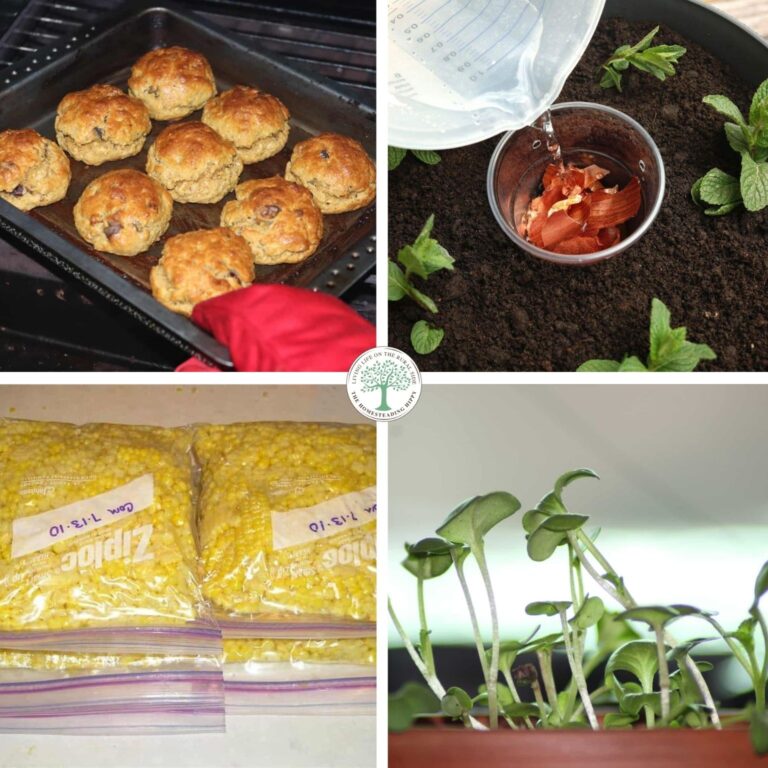
Don’t believe me? Put me to the test. Keep reading and I’ll tell you about a few dozen ways to do it even if you don’t own a scrap of land.
Be Ready for Tough Times
Homesteaders must always be self-sufficient, and a big part of that is being ready for emergencies. Get ready for the tough times by putting away some money, food and other needed resources. That way, when things go bad you’ll be ready to help yourself, your loved ones and your neighbors.
Be Frugal
Homesteading isn’t as cheap as a lot of people make it out to be, and everyone I know that’s done it understands how much it costs. Accordingly, most homesteaders that don’t go into the life independently wealthy tend to be very frugal. That’s something you can practice yourself right now.
Help Your Neighbors
It’s always good to be a good neighbor, but homesteaders more than most depend on their neighbors. In times of real trouble, it’s usually your neighbors that will ride to your rescue. But it’s a two-way street: you should volunteer to help your neighbors now so hopefully they’ll help you when the time comes.
Barter Your Skills or Goods Locally
Bartering is the world’s oldest economic system, and it’s one that many homesteaders depend on today. No matter what you do, what you have and where you live, you’ve got something at your disposal that others will find valuable. Go to swap meets and put up social media posts to start bartering today; it’s a skill you should practice like anything else!
Make a Batch of Soap Yourself
Speaking of – and I think this one deserves a separate spot in our list…
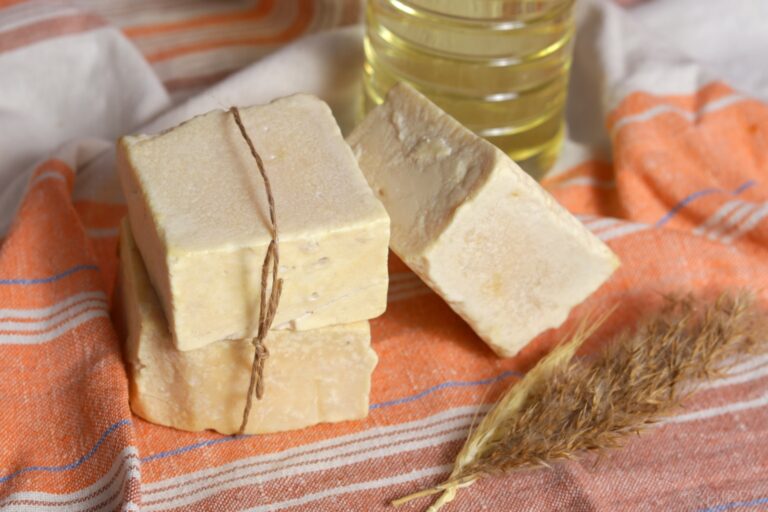
Instead of paying too much for the chemically-laden garbage at the store, why not make your own from fat and lye? It’s something people have been doing for centuries, and it’s easier than you think. Once you see how easy it is, I doubt you’ll go back to the other stuff.
Improvise With Your Tools
Most tools have a very specific purpose, but ask any seasoned tradesman and they will tell you that, with experience and ingenuity, many can be put to other purposes.
Make Safe Cleaning Solutions
Homesteading is about getting back toward a simpler way of life, and part of that is getting rid of all the crazy chemicals that modern life has exposed us to. Most homesteaders I know, including my own family, make their own cleaning products at home. You should do the same.
Start Cooking for Yourself and Family
Tell the truth. If you are anything like me, you probably live, or lived, on fast food and takeout. Life just moves too fast most times, but that isn’t an excuse. Save money and be healthier by skipping that and cooking your own meals, breakfast, lunch and dinner. That’s what you’re going to be doing on your own homestead one day, after all!
Switch to Cast Iron Cookware
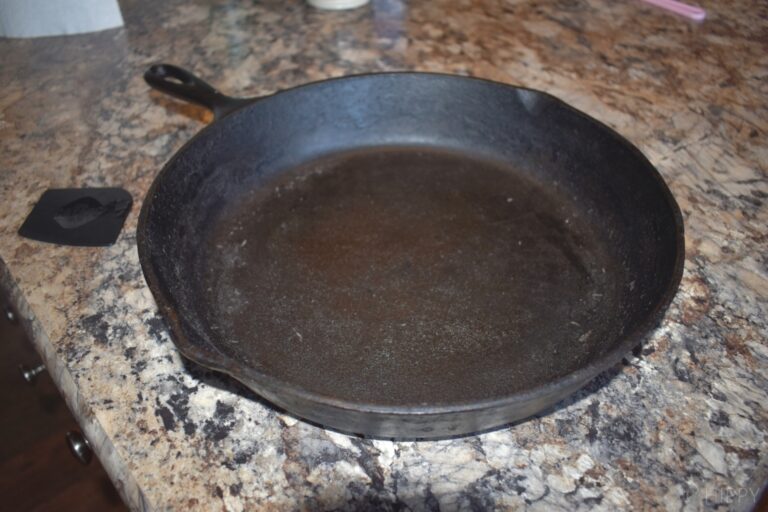
Speaking of cooking, the cookware of choice for enterprising homesteaders is cast iron. Accept no substitutes. Super versatile, long-lasting, easy to use and without any crazy non-stick coatings that will poison you over time, this is the time-tested best option you can get for your own kitchen.
Mend Your Own Clothes
Homesteading is hard work, and hard work often means tattered, punctured and torn clothing. Don’t throw it out! Fire up a sewing machine or grab yourself a sewing kit and patch or repair it yourself. Waste not, want not, remember?
Make Your Own Herbal Remedies
There’s no shortage of medication on the market to soothe any disease. Allegedly! Smart homesteaders know that nature furnishes all remedies in the end. Familiarize yourself with medicinal plants for basic ailments such as cold and flus.
Pour Your Own Candles
Whether as emergency lighting or quaint mood lighting, it’s hard to beat a good old-fashioned candle. Learning to make your own candles from things like tallow can save you a bundle over store-bought, and it’s something every homesteader should know how to do.

Learn to Can
This is a quintessential skill that no household should go without. Canning is one of the very best and easiest ways to preserve your own food, long term, at home. It’s part art and part science, but something anyone can master, and you can do it anywhere you’ve got a kitchen. I recommend you start with water bath canning since it’s cheaper and easier to pull off.
Try Pickling and Fermenting Fruits and Veggies
One of the more neglected options for at-home food preservation, pickling and fermenting can produce extremely long-lasting products but also uniquely delicious ones. Who doesn’t love a crispy, crunchy, perfect pickle on a sandwich or a nice side of tangy sauerkraut?
Some recipes for you to try:
Freeze Your Food
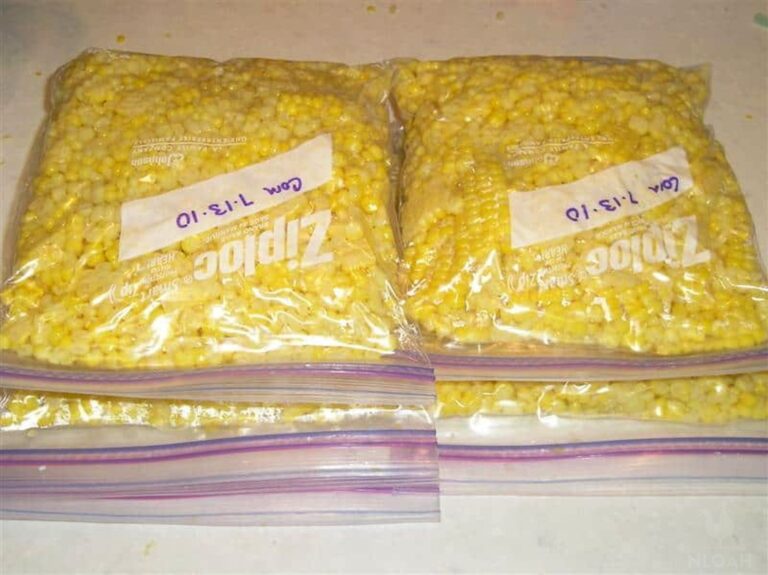
Freezing is another food preservation skill that almost everyone has access to but few people take the time to do it. Proper packing, timing and other considerations make all the difference in longevity and quality for homesteaders.
We actually have some articles about freezing, that will show you how easy it is to preserve:
Dehydrate Produce for Long-Term Storage
One of my personal favorite methods for long-term food preservation. Dehydrated foods are great for including in soup and stew mixes, long-term storage or just making tasty, unique snacks.
This is another skill you can practice anywhere, and one that’s invaluable for homesteaders because it’s one of the few options for room-temperature storage you have. To get started, you head over to our dehydrating archive.
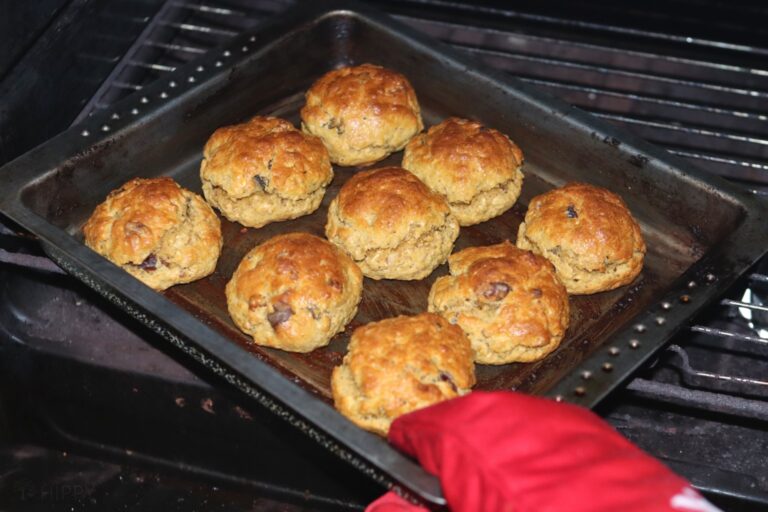
Learn to Bake
Another fundamental skill that is slowly degrading in this country, but it’s one that every homesteader must know. The basics of baking are so fundamental they’re almost elemental, but nonetheless this is a skill that requires practice. Making different kinds of bread, for different purposes, is surprisingly challenging, too.
Hang Laundry to Dry in the Sun
Your great-grandma did it, and you should do it too. Hanging up your laundry to dry outside will produce fresher clothes, brighter whites, and clothing that just feels indefinably good. It’s also sustainable and eco-friendly – and cheaper!
Grow Kitchen Herbs on a Windowsill
Every at-home cook needs an arsenal of herbs and seasonings, but the dried stuff can’t hold a candle to fresh ones. Luckily, most herbs grow like weeds, literally, and it’s very easy to make a small window box to supply yourself with some herbs that will take your dishes to the next level.
Make a Micro-Hydroponics Setup
Hydroponics is the practice of growing plants in a nutrient-rich water substrate. It sounds high-tech, but the fundamentals are simple and the results are undeniably bountiful. You might not have room for a full-size garden where you’re at, but you can install a small, tabletop-sized hydroponic setup and get great results.
Save Seeds
On the subject of gardening, smart homesteaders will make a point of saving the seeds from particularly bountiful plants. Creating a seed library of productive plants will really come in handy next season.
Build Yourself a Mini Root Cellar
Long before the advent of refrigerators, people kept their produce in root cellars. Depending on where you live, you might not have the permission or wherewithal to dig a proper one, but you can probably create one using a container that you can partially bury.
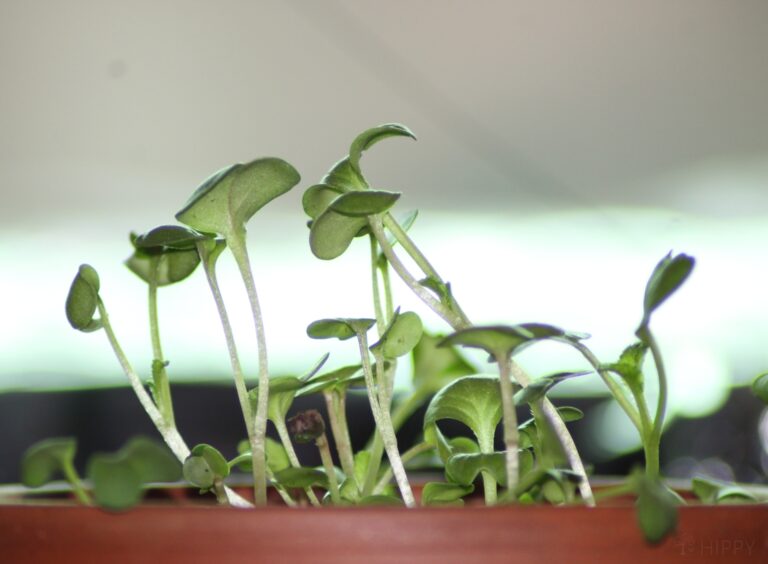
Sprout Seeds Indoors
You can practice starting all kinds of common garden plants, including veggies, indoors by sprouting seeds in egg cartons or other containers. This can help you learn fundamentals, or get a jump on growing season if you have a place to plant them later.
Embrace Fixing Things Yourself
Comfort and convenience are temptations that have overtaken all of us in the modern world. There’s always someone you can call and pay to fix a problem. Homesteaders often don’t have that luxury. Instead, they roll up their sleeves and do it themselves, and so should you.
You can start small by learning to sew torn clothes, then move on to bigger things such as wooden objects, tools, and one day, even electronics!
Learn Basic Woodworking and Carpentry
An indispensable skill, because there’s almost nothing that wood can’t do with a few fasteners, tools and a little bit of know-how. Even the most rudimentary woodworking skills will pay dividends on a homestead, and anywhere else you care to live.
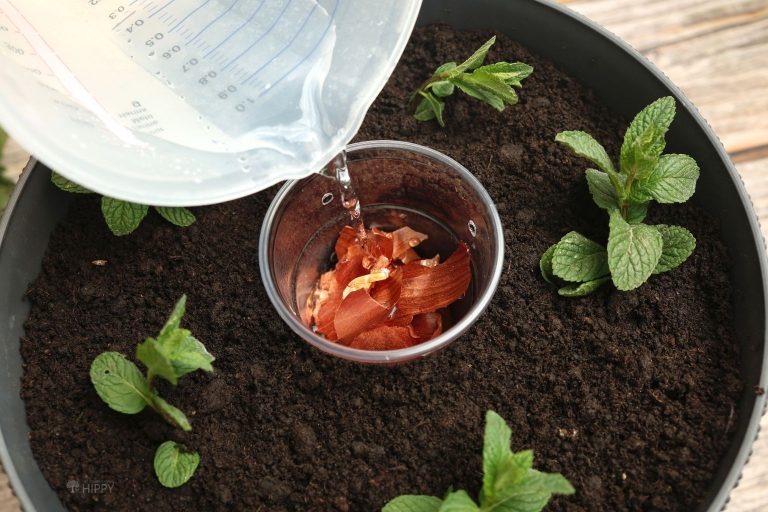
Make a Mini-Compost Bin
Compost is every gardener’s best friend. This nutrient-rich mix of decomposed organic material can give plants everything they need to grow big and healthy. Best of all, you can learn to make this stuff yourself for free with a little bit of time and effort. You can even make a tiny one that fits directly inside the pot!
Learn Metalworking
A little more specialized than carpentry, basic metalworking is nonetheless within the reach of almost everyone. From repairing and using sheet goods to forging your own hardware, this is another vital skill that has stood the test of time for homesteaders.
Forage for Edibles
Nature furnishes no end of delicious and nutritious edibles. Learning to identify which are safe, and where to find them, is a vital survival skill that can help you pad your pantry.
Cultivate Mushrooms
Foraging for mushrooms can be a bit risky for obvious reasons. What isn’t risky is cultivating your own safe, delicious varieties from known spores. They make great ingredients in all kinds of dishes, and this is a fun pastime in itself.
Catch and Store Rainwater
Water is always a premium commodity on the homestead. Adopt that mindset now by catching and storing rainwater using windowsill or balcony collectors for subsequent use in your potted plants, kitchen herb container or other potted plants.
Learn to Fish
Another indispensable skill, sometimes you just got to catch a fish. A well-stocked lake, pond, or river can supply you with endless dinner if you’ve got the skills and the equipment. I know more than a few homesteaders that subsisted on fish from nearby waterways while they were building their homes!
Churn Some Butter
It’s not just for the Amish! Home-churned butter simply blows everything you can get from the store right out of the water, and it’s so easy. Well, simple: it does take some elbow grease! Learn to make this kitchen staple yourself.
Make Your Own Simple Cheeses
It’s true! You can easily make your own simple cheeses like mozzarella or ricotta at home with a little bit of effort and some fresh milk. The homemade stuff is amazing, and you don’t need a bunch of land and your own cows just to make it yourself.
Cure or Smoke Meat
Cured or smoked meats are some of the most delicious and delectable varieties, but before it was the hallmark of certain dishes, these processes served as preservation methods. They still do today, and so you should learn how to do it.
Brew Your Own Beer
Hey, life’s not all hard work! Home-brewed beer is affordable, delicious and just plain cool. It can also make great trade fodder with your friends and neighbors.
Spin Your Own Textiles
Sewing clothes is one thing, but actually making them from scratch is another. If you’re going to do that, you’ve got to make your own cloth and other textiles from scratch. It requires specialized tools and know-how, but this is another skill people have employed for centuries and you can too.
Start or Help in a Community Garden
Gardening, whatever the scale, is a core component of homesteading for most. If you’re an apartment or city-dweller, you might not have any land access whatsoever for a private garden, but most cities have community gardens. The ones that don’t sure could use one! And in either case, see if you can either help out at one or be the one to start it.
Try Vertical Gardening
If community gardening isn’t your thing, try vertical gardening on your porch, patio, balcony or even just inside a sunny window. Growing plants on specialized vertical supports or container racks is a great way to save room and maximize yields at the same time.
Use Solar Power When You Can
Modern solar power systems are more capable, affordable and user-friendly than ever and have been nothing short of a revolution for homesteaders. Small but efficient solar panels can be set on your balcony, porch, windowsill or even inside your space by a sunny window and left to charge devices or fuel up a power bank.
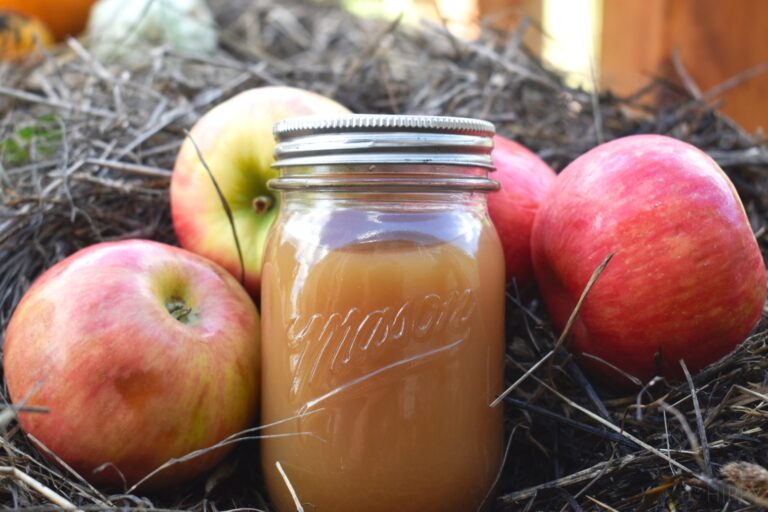
Make Apple Cider Vinegar Yourself
Apple cider vinegar, popularly called ACV, is many homesteaders’ best friend. It’s useful in recipes, it has potential health benefits, and makes a great ingredient in cleaning solutions. You can always get this stuff at the store, or buy the apples and learn to make it yourself, which is why I think you should!
Repurpose Stuff That’s Broken or Unused
Another hallmark of homesteading is not letting anything go to waste. Things that are broken, outdated or just sitting in a box somewhere can be given new life, and usefulness, with a little bit of ingenuity.
Join Your Local Ag Co-op
Or agriculture co-op. These member-owned enterprises typically operate on a one-for-all and all-for-one basis, and are great places to get what you need while contributing to what other members need. Indispensable for homesteaders, especially those living in remote rural communities.
Support Local Farmers and Suppliers
You might not be a farmer yet, but there’s no reason you can’t support your local farmers wherever you live! You aren’t just helping farmers, but you’re also building a network of people that can help you and, potentially, guide you.
Network With Like-Minded People in Your Area
Believe it or not, no matter your situation there are people all around you that are in exactly the same spot. In this case, people who yearn to homestead but don’t have the land to do it. You should seek out these people so you have people to motivate you, bounce ideas off of and keep you accountable.
Teach a Friend or a Class
Whatever you are already good at that could be useful to homesteaders, teach it to someone else. This could be a friend or even an impromptu class for neighbors or folks you’ve met during your networking efforts. Teaching others is a great way to further master any skill.
Host a Food Swap
Homesteaders that enjoy a bountiful harvest, of anything, typically share some of the haul with friends, neighbors and family. You can do the same with any of the foods we’ve talked about above! Celebrate your successes by showing off what you made happen and also giving back.
ABL: Always Be Learning!
There’s always more to do on a homestead, and most homesteaders strive to do as much as they can themselves. Accordingly, you should always be learning new skills: ABL! Homesteaders that love to learn about a variety of topics and skills are better rounded and more capable.

Tim is a farm boy with vast experience on homesteads, and with survival and prepping. He lives a self-reliant lifestyle along with his aging mother in a quiet and very conservative little town in Ohio. He teaches folks about security, prepping and self-sufficiency not just through his witty writing, but also in person.
Find out more about Tim and the rest of the crew here.